
In today’s world, data is everyplace. Every website visit, online sell, social media interaction, business transaction, and customer review creates information that can be collected and analyzed. But raw data alone is meaningless unless someone can understand, organize, and transform it into actionable insights. This way is known as data analytics.
Data analytics is a systematic process of cleaning, transforming, inspecting, and modeling data to discover useful information, draw conclusions, and aid in decision making. It transforms raw data into actionable insights, which help organizations identify trends, behaviors, and patterns to optimize performance.
This guide explores the understructure of data analysis, how it works, where it is used, and why it has become one of the most valuable skills in the modern workplace.
What is Data Analysis? A Complete Beginner’s Guide
Understanding Data Analysis in Simple Terms
To understand the meaning of data investigation, imagine a business that collects customer comment every day. Hundreds of people leave reviews, ratings, and comments. Reading every response at a time would take a huge amount of time and still make it difficult to associate overall trends.
Data analysis helps organise that information so the business can answer questions such as:
1.Which product receives the best reviews?
2.What complaints appear most often?
3.Which age group buys the most products?
4.Are customers happier this year compared to last year?
Instead of looking at scattered information, analysts turn data into something meaningful and understandable.
When people ask what is data analysis work, the answer usually involves collecting information, cleaning it, studying patterns, and presenting findings that help others make decisions. The way may sound simple, but it can involve advanced tools, mathematics, software, and plan thinking depending on the industry.
Why Data Analysis Matters Today
What is Data Analysis? A Complete Beginner’s Guide
Modern businesses generate more information than ever before. Every click, transaction, and interaction creates valuable data. Without analysis, most of that information would remain unused.
Companies use data analysis to improve customer service, increase profits, reduce costs, predict future trends, and make more informed decisions. Governments use it for public planning. Healthcare providers use it to improve treatments. Sports teams use it to improve performance. Even streaming platforms use data analysis to recommend films and shows based on viewing habits.
The growing dependence on information has made data analysis one of the fastest-growing professional fields worldwide. This is one reason why searches for what is data analyst job and what is data analysis skills have increased significantly over recent years.
Employers are actively looking for people who can interpret information and explain what it means in a practical way.
The Basic Process of Data Analysis
Although the exact method varies across industries, most data analysis follows a similar structure.
The first step is collecting data. This information might come from surveys, websites, sales records, research studies, customer databases, or social media platforms.
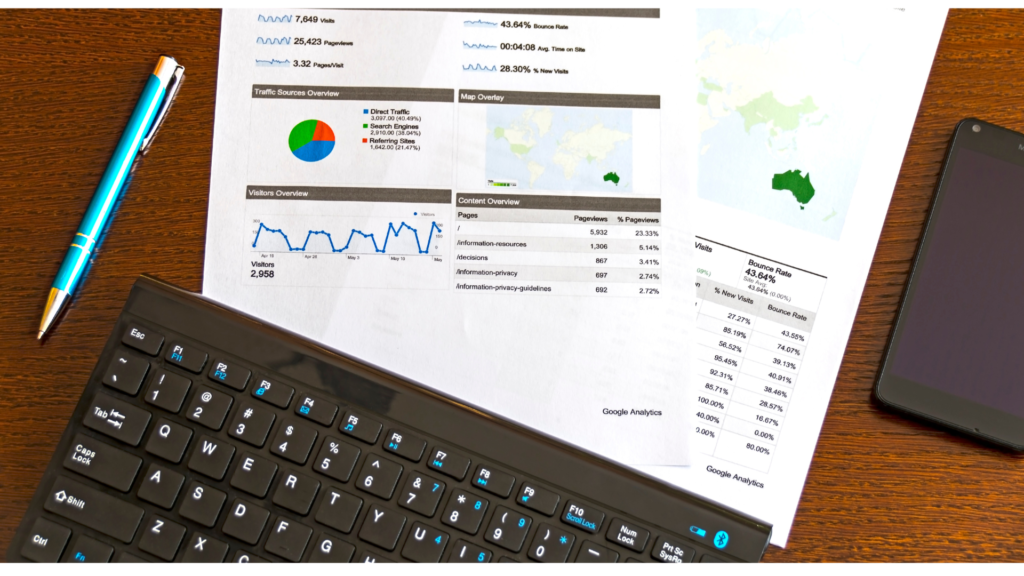
Next comes organising and examining the information. Analysts look for patterns, relationships, trends, and unusual findings. They may use charts, spreadsheets, graphs, or specialised software to help understand the results.
Finally, the findings are interpreted and presented clearly so businesses or researchers can take action.
This final stage relates closely to what is data analysis and interpretation. Analysis involves examining the information, while interpretation focuses on explaining what the findings actually mean and how they can be used.
For example, if a company discovers sales drop every winter, interpretation helps explain possible reasons and suggests solutions.
Different Types of Data Analysis
Data analysis is not limited to one method. There are several approaches depending on the purpose of the project.
Descriptive analysis focuses on understanding what has already happened. For example, a business might review monthly sales figures from the past year.
Diagnostic analysis explores why something happened. If sales decreased suddenly, analysts investigate the reasons behind the decline.
Predictive analysis uses historical data to forecast future outcomes. Streaming services predicting what users may watch next are a common example.
Prescriptive analysis goes a step further by recommending possible actions based on the findings.
Understanding these categories helps beginners appreciate what is data analysis all about beyond just numbers and spreadsheets.
Data Analysis in Statistics
Many beginners wonder, What is data analysis in statistics and how it differs from general data analysis.
What is Data Analysis? A Complete Beginner’s Guide
Statistics forms a major foundation of data analysis. It involves collecting, organising, interpreting, and presenting numerical information. Statistical methods help analysts understand averages, percentages, correlations, probabilities, and trends.
For example, researchers may use statistics to determine whether a medical treatment is effective or whether customer satisfaction has improved over time.
Statistical analysis often includes concepts such as:
- Mean and median
- Standard deviation
- Probability
- Correlation
- Sampling
- Hypothesis testing
These techniques help analysts make conclusions based on evidence rather than guesswork.
Even though advanced statistics can become highly mathematical, many entry-level data analysis roles only require a basic understanding at first.
Data Analysis in Research
Another common question is what is data analysis in research. Research projects rely heavily on analysis because collecting information alone is not enough.
Researchers must examine their findings carefully to identify patterns and answer research questions. Without analysis, research would simply consist of raw information with no conclusions.
For example, suppose a researcher studies student performance in online learning environments. After collecting survey responses and test scores, they analyse the information to discover trends such as:
- Whether students perform better with video lessons
- Which age groups struggle most
- How study habits affect results
Research data analysis helps transform observations into meaningful conclusions.
Both academic and business researchers rely on analytical techniques to support decision-making and validate findings.
Qualitative and Quantitative Analysis
Data analysis is generally divided into two main categories: quantitative and qualitative analysis.
Quantitative analysis deals with numerical information. This includes statistics, percentages, graphs, and measurable results. Sales reports, website traffic, and financial records are common examples.
Qualitative analysis focuses on non-numerical information such as opinions, behaviours, experiences, and emotions.
This leads many people to ask what is data analysis in qualitative research.
In qualitative research, analysts examine interviews, written responses, recordings, and observations to identify themes and patterns. Instead of calculating numbers, the goal is to understand meanings, motivations, and experiences.
For instance, a company might interview customers to understand how they feel about a product. Analysts then study recurring opinions and emotional responses to gain deeper insights.
Both qualitative and quantitative analysis are important, and many organisations combine them for a fuller understanding of a problem.
Data Analysis in Computing and Technology
Technology plays a huge role in modern analysis. Questions like what is data analysis in computer often refer to how computers help process large amounts of information quickly and accurately.
Without computers, analysing millions of records would be almost impossible. Software tools allow analysts to sort, calculate, visualise, and interpret massive datasets efficiently.
Programming languages such as Python and R are widely used for advanced analysis. Databases and cloud systems also help manage large-scale information.
Artificial intelligence and machine learning are increasingly connected to data analysis as well. These technologies can identify patterns automatically and improve predictions over time.
Even though advanced technology powers much of modern analytics, beginners can still start with simpler tools before moving into more technical areas.
While data analysis may sound like a modern career created by the rise of technology, the truth is that people have been analysing information for centuries. Businesses, scientists, governments, and researchers have always needed ways to understand patterns and make better decisions. What has changed is the speed, scale, and importance of data in everyday life.
Today, almost every industry depends on information. Retail companies study buying habits, healthcare providers monitor patient records, schools track student performance, and financial institutions analyse market trends. As a result, data analysis has become one of the most practical and versatile professional skills available.
For beginners exploring this field, understanding the tools, techniques, and career opportunities involved is an important next step.
The Role of a Data Analyst
One of the most searched questions online is what is data analyst job. A data analyst is responsible for turning raw information into useful insights that organisations can understand and act upon.
The role combines technical ability with problem-solving and communication skills. Analysts do not simply work with numbers all day. They also help businesses answer important questions and improve decision-making.
A typical data analyst may:
- Gather information from multiple sources
- Organise and clean datasets
- Identify trends and patterns
- Create charts and reports
- Explain findings to managers or clients
- Suggest improvements based on evidence
For example, an online retailer may hire a data analyst to study customer purchasing behaviour. The analyst might discover that sales increase during certain times of the year or that customers abandon purchases at a specific point during checkout. These insights can help the company improve performance and increase revenue.
This is why understanding what is data analysis work goes far beyond simple calculations. The real value lies in helping organisations solve problems and make informed decisions.
Essential Skills Used in Data Analysis
Another common beginner question is what is data analysis skills. The field combines several different abilities rather than relying on a single talent.
Strong analytical thinking is one of the most important qualities. Analysts must look at information carefully, identify patterns, and understand what the data is really saying.
Communication skills are equally important. A brilliant analysis becomes useless if it cannot be explained clearly to others. Data analysts often present findings to managers, clients, or teams who may not have technical knowledge.
Problem-solving skills also play a major role. Analysts regularly face incomplete data, unexpected results, and complex questions that require creative thinking.
Technical skills vary depending on the industry and job level. Many analysts use spreadsheets, databases, visualisation tools, and programming languages.
Attention to detail is another key requirement because small errors in data can lead to inaccurate conclusions.
Fortunately, beginners do not need to master every advanced skill immediately. Many successful analysts start with basic spreadsheet knowledge and gradually expand into more technical areas.
Data Analysis in Excel
For many beginners, spreadsheets provide the first introduction to analytics. This is why searches for what is data analysis in excel are extremely common.
Microsoft Excel remains one of the most widely used tools in data analysis because it is accessible, practical, and relatively easy to learn.
Excel allows users to:
- Organise information into tables
- Perform calculations automatically
- Create graphs and charts
- Filter and sort records
- Identify trends using formulas
- Build reports and dashboards
A small business owner, for example, might use Excel to track monthly sales and compare performance over time. A teacher may analyse student grades to identify learning trends. A marketer might study advertising performance across different campaigns.
Excel is especially useful for beginners because it introduces core analytical concepts without requiring advanced programming knowledge.
Functions such as SUM, AVERAGE, IF, VLOOKUP, and Pivot Tables are widely used in real-world analysis tasks. Even experienced professionals still rely on Excel for many projects because of its flexibility and convenience.
Learning spreadsheet analysis often serves as the foundation before moving into more advanced tools like SQL, Python, or business intelligence software.
Popular Tools Used in Data Analysis

Beyond Excel, analysts use many different technologies depending on the complexity of the work.
SQL is commonly used to manage and retrieve information stored in databases. Businesses collect massive amounts of information, and SQL helps analysts access the exact records they need efficiently.
Python has become one of the most popular programming languages in analytics because it simplifies automation, statistical analysis, and data visualisation.
R is another programming language designed specifically for statistics and research-based analysis.
Visualisation tools such as Tableau and Power BI help analysts turn complicated datasets into easy-to-understand charts and dashboards.
These tools may sound intimidating at first, but most beginners learn them gradually over time. The key is understanding the principles of analysis before worrying about advanced software.
Data Analysis Courses and Learning Paths
As demand for analytical skills grows, many people search for what is data analysis course to understand how they can enter the field.
A data analysis course usually teaches students how to collect, organise, study, and interpret information using different tools and techniques.
Most beginner courses cover topics such as:
- Understanding data types
- Spreadsheet analysis
- Data visualisation
- Basic statistics
- Database management
- Research methods
- Reporting techniques
More advanced courses may include machine learning, predictive modelling, artificial intelligence, and programming languages.
One of the best aspects of learning data analysis is that there are many flexible pathways available. Some people study at university, while others learn through online courses, bootcamps, or self-study programmes.
Because the field values practical skills highly, many employers care more about what candidates can actually do rather than how they learned it.
Beginners can often start building experience by analysing public datasets, creating simple dashboards, or working on small projects independently.
Data Analysis and Decision-Making
The true power of analysis becomes clear when organisations use information to guide decisions.
Imagine a restaurant owner noticing declining customer visits. Instead of guessing the cause, they examine customer reviews, sales records, booking times, and menu preferences. Analysis may reveal that customers dislike long waiting times during weekends or that certain menu items perform poorly.
By acting on those insights, the restaurant can improve operations and customer satisfaction.
This connection between evidence and action explains what is data analysis and interpretation in practical terms. Analysis identifies patterns, while interpretation explains their meaning and suggests possible responses.
Businesses increasingly rely on this process because it reduces uncertainty and improves strategic planning.
Real-World Data Analysis Example
Understanding theory is helpful, but seeing a practical Data analysis example makes the concept much easier to understand.
Imagine an online clothing store experiencing lower sales despite increased website traffic.
The company collects information including:
- Visitor numbers
- Product page views
- Shopping cart activity
- Purchase completion rates
- Customer feedback
After analysing the information, the analyst discovers that many customers leave the website during the payment process. Further investigation shows that mobile users experience slow loading times during checkout.
The business improves its mobile checkout system, resulting in higher completed purchases and improved customer satisfaction.
This example demonstrates how analysis helps organisations identify problems they may not have noticed otherwise.
The Difference Between Data and Information
Beginners often confuse raw data with meaningful information.
Data refers to unprocessed facts and figures. Examples include customer names, sales numbers, survey answers, or website visits.
Information is what emerges after those facts are organised and interpreted.
For example:
- Raw data: 5,000 website visitors left within 10 seconds
- Information: Visitors may not find the website engaging or easy to navigate
Data analysis bridges the gap between raw information and useful understanding.
Without analysis, organisations may collect enormous amounts of information but gain very little value from it.
Common Challenges in Data Analysis
Although data analysis is highly valuable, it is not always straightforward.
One major challenge involves poor-quality data. Missing records, duplicate entries, and incorrect information can affect results significantly.
Another challenge is bias. Analysts must remain objective and avoid interpreting information in ways that simply confirm assumptions.
Privacy and security are also important concerns. Organisations handling customer or medical data must protect sensitive information carefully.
Large datasets can create additional complexity. Modern businesses often manage millions of records that require specialised systems and tools.
Despite these challenges, skilled analysts help organisations navigate uncertainty and make smarter choices based on evidence rather than guesswork.
As technology continues to evolve, the importance of data analysis keeps growing across every major industry. Businesses no longer rely solely on instinct or past experience when making decisions. Instead, they depend on evidence, patterns, and measurable insights to guide strategy and improve results.
This growing reliance on information has transformed data analysis from a specialised technical field into an essential skill that influences marketing, healthcare, finance, education, retail, logistics, entertainment, and countless other sectors.
For beginners, understanding the broader impact of analytics helps explain why so many organisations are investing heavily in data-driven decision-making.
How Data Analysis Shapes Everyday Life

Many people assume analytics only matters inside large corporations or technology companies, but data analysis affects everyday life in ways most people rarely notice.
Streaming platforms analyse viewing habits to recommend films and series. Navigation apps study traffic patterns to suggest faster routes. Online stores analyse browsing behaviour to recommend products customers are more likely to buy.
Banks use analysis to detect unusual activity and prevent fraud. Hospitals study patient information to improve treatment outcomes. Governments analyse economic and population data to support planning and public services.
Even weather forecasting relies heavily on analysing enormous amounts of environmental information collected from satellites, sensors, and historical records.
These examples show that data analysis is not just about numbers on spreadsheets. It is about understanding behaviour, identifying patterns, and improving decision-making in practical situations.
The Growing Demand for Data Professionals
One reason so many people explore questions such as what is data analyst job or what is data analysis course is because the industry offers strong career opportunities.
As organisations collect more information, they need professionals who can interpret that information effectively.
Data analysts are now employed in sectors including:
- Healthcare
- Banking and finance
- Marketing and advertising
- Retail and e-commerce
- Education
- Government agencies
- Sports organisations
- Manufacturing
- Technology companies
The demand for skilled analysts continues to rise because businesses recognise that informed decisions often lead to better financial performance and improved customer experiences.
Entry-level roles may focus on reporting and spreadsheet analysis, while advanced positions involve predictive modelling, automation, artificial intelligence, and business strategy.
Many professionals also transition into related careers such as:
- Business analyst
- Data scientist
- Market researcher
- Financial analyst
- Operations analyst
- Business intelligence specialist
The flexibility of analytical skills makes data analysis a valuable long-term career path.
How Beginners Can Start Learning Data Analysis
For someone completely new to the field, data analysis can appear overwhelming at first. The good news is that most successful analysts begin with the basics and build their knowledge gradually.
The first step is understanding core concepts rather than trying to master advanced programming immediately.
Beginners often start by learning:
- Spreadsheet fundamentals
- Basic statistics
- Data visualisation
- Simple reporting techniques
- Research interpretation
- Problem-solving methods
Learning what is data analysis in excel is often one of the easiest entry points because spreadsheets are widely available and beginner-friendly.
Once comfortable with spreadsheets and basic analytical thinking, learners can explore databases, SQL, Python, visualisation software, and statistical methods.
Practical experience is especially important in this field. Many beginners improve their skills by working with public datasets, creating dashboards, analysing surveys, or studying business case examples.
Consistency matters more than speed. Even small projects help build confidence and improve understanding over time.
Data Analysis in Research and Education
Educational institutions and researchers depend heavily on analytical methods to study information and produce reliable conclusions.
When discussing what is data analysis in research, it is important to understand that research findings become meaningful only after the information has been examined carefully.
For example, educational researchers may analyse student attendance, exam scores, and classroom participation to identify learning patterns and improve teaching methods.
Medical researchers analyse clinical trial results to determine whether treatments are effective and safe.
Business researchers study customer feedback and purchasing behaviour to understand market trends and consumer preferences.
Research analysis often combines both quantitative and qualitative methods.
Quantitative analysis focuses on numerical findings such as percentages, averages, and statistical relationships.
Qualitative analysis explores experiences, opinions, emotions, and behaviours. This explains why many learners search for what is data analysis in qualitative research when studying social sciences, education, or psychology.
Both methods play important roles depending on the purpose of the research.
The Relationship Between Analysis and Interpretation
Throughout this guide, one important idea appears repeatedly: collecting information alone is not enough.
Many organisations already possess enormous amounts of information, but raw data has limited value without proper understanding.
This is where what is data analysis and interpretation becomes especially important.
Analysis identifies patterns and relationships within information. Interpretation explains what those findings actually mean and how they should influence decisions.
For instance, a company may discover through analysis that customer satisfaction scores have declined. Interpretation helps explain possible causes such as delayed delivery times, rising prices, or poor customer support.
Strong interpretation skills allow analysts to transform technical findings into useful recommendations that decision-makers can understand clearly.
Common Misconceptions About Data Analysis

Beginners often have several misunderstandings about the field.
One common misconception is that data analysis only involves advanced mathematics. While statistics can play an important role, many analysts spend more time solving business problems and communicating insights than performing complex calculations.
Another misconception is that analysts work entirely with computers and rarely interact with people. In reality, communication is a major part of the profession. Analysts frequently collaborate with managers, clients, researchers, and teams across organisations.
Some people believe that,,they must experts programmers before entering the field.Although technical skills are valuable, many entry-level analysts begin with spreadsheets and gradually develop more advanced abilities later.
The Future of Data Analysis
The future of data analysis looks increasingly connected to automation, artificial intelligence, and machine learning.
Modern systems can already process huge amounts of information faster than humans ever could. However, human analysts remain essential because businesses still need people who can ask the right questions, interpret results, and apply findings strategically.
As industries continue adopting digital systems, the amount of available data will keep expanding rapidly.
Future analysts will likely work with:
- Real-time business intelligence
- Automated reporting systems
- Predictive analytics
- Artificial intelligence tools
- Advanced visualisation platforms
- Large-scale cloud databases
Despite these technological changes, the core purpose of analysis remains the same: turning information into understanding.
Final Thoughts
Data analysis has become one of the most valuable and widely used skills in the modern world. From business and healthcare to education and research, organisations rely on analytical thinking to understand information and improve decision-making.
For beginners wondering what is data analysis all about, the simplest explanation is that it involves studying information to uncover useful insights, patterns, and solutions.
The increasing demand for analytical professionals means there are more learning opportunities than ever before. Courses, online tutorials, software tools, and real-world projects make it possible for beginners to develop valuable experience step by step.
Most importantly, data analysis is not just about technology or numbers. It is about asking better questions, understanding evidence, solving problems, and helping organisations make informed decisions with confidence.
As the world continues generating more information every day, the ability to analyse and interpret data will remain one of the most powerful and relevant skills for the future.
Read More:
What Is Data Analysis and Interpretation? Meaning, Difference, Methods, and Examples
What Is Data Analysis in Excel? Tools, Formulas, ToolPak, and Step-by-Step Guide
What Is Data Analysis? Essential Skills, Examples, Tools, and Career Benefits
What Is Data Analysis in Research? Techniques, Examples, and Real-World Uses