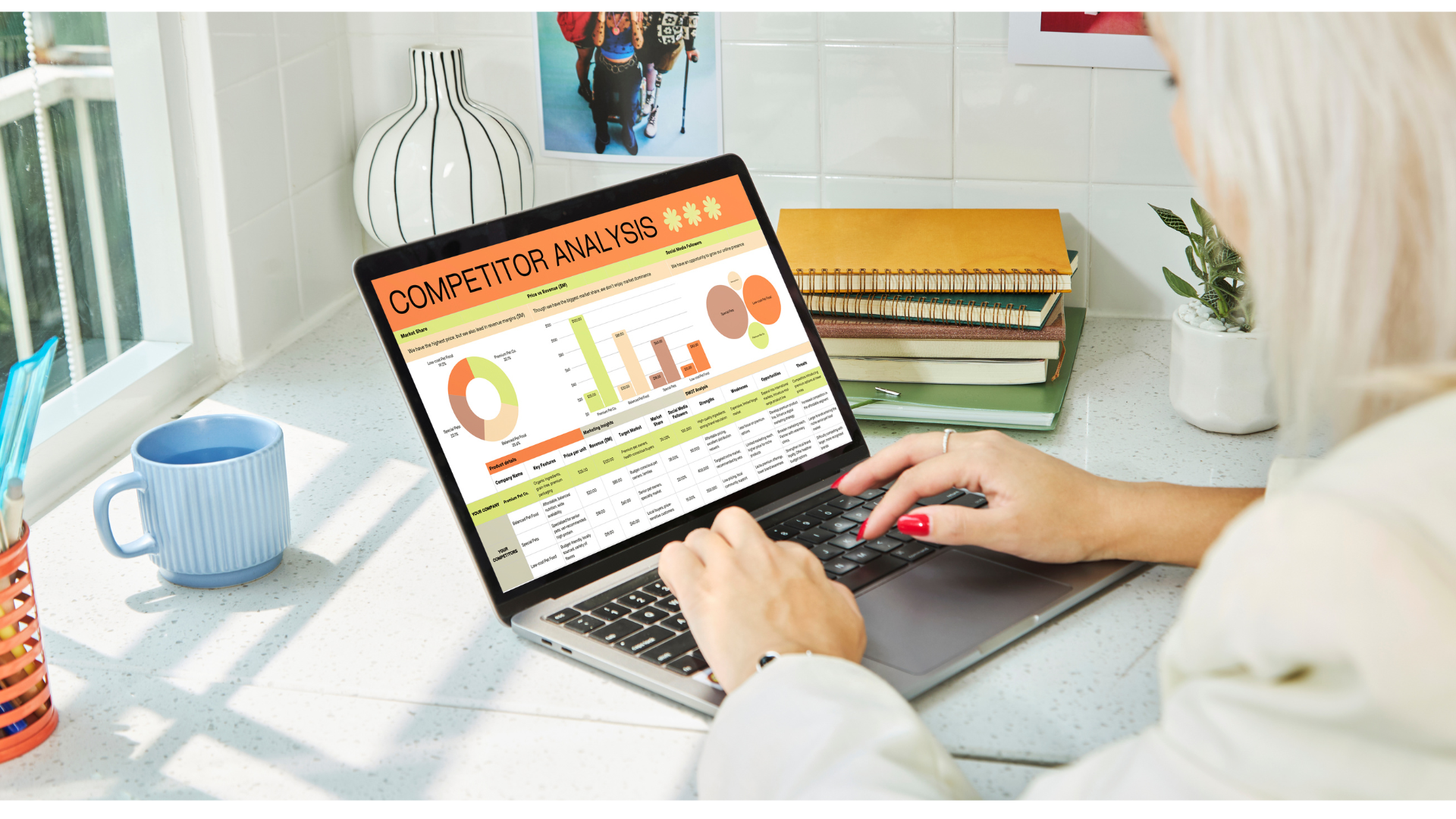


Data analysis refers to the method of gathering, organising, processing, interpreting, and displaying information so individuals and organisations can make smarter decisions. What Is Data Analysis? Important Skills, Practical Examples, Useful Tools, and Career Advantages.In simple language, it means converting raw data into meaningful insights.
Although it may sound technical, the concept is actually very simple. Companies, educational institutions, hospitals, charities, marketing agencies, finance teams, and government organisations collect massive amounts of information every day. Without analysis, that information often remains confusing and unstructured. Data analysis transforms that information into clear answers and useful direction.
For instance, a retail company may want to understand why revenue decreased in a specific area. A university may need to discover why students leave programmes before completion. A marketing department may wish to identify which advertising strategy generated the highest return. A healthcare provider may analyse patient waiting periods. In all these situations, data analysis replaces assumptions with evidence-based understanding.
So, when someone asks what data analysis is, the simplest explanation is this: data analysis is the ability to use information to identify trends, solve challenges, and support better decision-making.
Data analysis skills involve collecting, arranging, refining, understanding, and visualising raw information. These abilities help people recognise patterns, explain situations clearly, and communicate findings effectively. Such skills often involve tools like Excel, SQL, Python, Power BI, and Tableau, alongside soft skills such as logical thinking, communication, and business awareness.
This is important because data now influences almost every modern profession. You do not need to become a professional data analyst to benefit from these abilities. Marketing executives, HR staff, finance coordinators, project leaders, entrepreneurs, administrators, and customer support teams can all apply basic data analysis techniques to improve performance and efficiency.
What Is Data Analysis?
Data analysis is the practice of studying information to uncover meaning and insight. Usually, it includes collecting data, preparing it, checking for mistakes, identifying trends, and presenting conclusions in a clear and practical way.
A basic example would be a business examining monthly sales records. The raw information may contain thousands of purchases and transactions. On its own, that spreadsheet may not reveal much. However, once the data is organised and analysed, it can show which products perform best, which branches are underperforming, which customers purchase most frequently, and which months generate the highest profits.
That is data analysis in practice.
It helps answer questions like:
- What occurred?
- Why did it occur?
- Which patterns are visible?
- What action should be taken next?
- Where are the risks and opportunities?
Effective data analysis does more than describe figures. It connects numbers to real business decisions. A report saying “sales decreased by 15%” is useful, but it becomes far more valuable when it explains where the decline happened, which customer segment was affected, and what response the organisation should consider.
This is why data analysis is not only a technical capability. It is also a thinking process. You must understand the information, challenge assumptions, test ideas, and communicate conclusions clearly.
What Is the Meaning of Data Analysis Skills?
Data analysis skills are the practical abilities required to work with information from beginning to end. This includes gathering data, refining it, studying it, visualising it, and explaining its meaning.
These abilities allow someone to transform disorganised information into something meaningful. A person with strong analytical skills can examine spreadsheets, databases, or dashboards and understand the story behind the numbers. More importantly, they can communicate those insights in a way that helps others make informed decisions.
For beginners, data analysis skills may involve using Excel to sort information, remove duplicate entries, calculate averages, and build graphs. For advanced learners, it may involve SQL for database queries, Python for analysing large datasets, or Power BI for interactive reporting dashboards.
The meaning of data analysis skills can be divided into three categories:
| Skill Category | Meaning |
|---|---|
| Technical abilities | Using tools such as Excel, SQL, Python, R, Tableau, or Power BI |
| Analytical abilities | Identifying patterns, comparing outcomes, and checking reliability |
| Communication abilities | Explaining findings clearly to decision-makers |
A common misunderstanding is believing that data analysis only involves software. Tools are important, but software alone does not create a strong analyst. Curiosity, logic, attention to detail, and the ability to ask smart questions are equally valuable.
What Is Considered Data Analysis Skills?
Data analysis skills include any capability that helps a person work with information and convert it into insight. Some are technical hard skills, while others are soft interpersonal abilities.
Important data analysis skills include:
| Skill | Importance |
|---|---|
| Data cleaning | Removes mistakes and improves accuracy |
| Excel or Google Sheets | Useful for calculations, sorting, and charting |
| SQL | Retrieves and organises database information |
| Python or R | Supports advanced analysis and automation |
| Statistics | Helps interpret trends and variations |
| Data visualisation | Converts numbers into graphs and dashboards |
| Critical thinking | Prevents incorrect conclusions |
| Communication | Explains results to non-technical audiences |
These skills often work together. For example, someone may use SQL to collect customer records, Excel to inspect the information, Python to analyse trends, Power BI to visualise outcomes, and communication skills to present recommendations to management.
For beginners, it is best to begin with the basics rather than learning every tool at once. Strong knowledge of Excel, simple statistics, data preparation, and chart-building can already help in many entry-level positions.
What Are Basic Data Analysis Skills?

Basic data analysis skills are entry-level abilities used to understand and manage simple datasets. These skills are valuable even outside dedicated analyst positions.
At a basic stage, you should be able to:
- Open and understand spreadsheets
- Identify missing or incorrect values
- Sort and filter information
- Calculate totals and averages
- Create simple charts and graphs
For example, imagine receiving a spreadsheet showing student enrolments for an online learning platform. Basic analytical skills would help answer questions such as:
- Which course has the highest enrolment?
- Which month recorded the most sign-ups?
- Which course has the lowest completion rate?
- Are there duplicate records?
- Are any values missing or inaccurate?
These may not be advanced tasks, but they are highly useful in many workplaces.
Basic skills usually include:
- sorting and filtering information
- deleting duplicates
- checking missing values
- calculating percentages and averages
- applying simple formulas
- creating charts
- explaining numerical findings
If you are starting in data analysis, these are the first skills worth learning before progressing to SQL, Python, statistics, or dashboard software.
What Is a Data Analysis Hard Skill?
A data analysis hard skill is a measurable technical ability that can be learned and practised. It generally involves using tools, systems, or methods to handle information.
Examples include Excel, SQL, Python, R, statistics, dashboard development, database querying, and data preparation.
For example:
| Hard Skill | Example Task |
|---|---|
| Excel | Build a pivot table for sales summaries |
| SQL | Retrieve customer information from databases |
| Python | Clean and process large datasets |
| Statistics | Measure averages and performance variation |
| Power BI | Design dashboards for business reporting |
| Tableau | Display trends visually |
Hard skills matter because they demonstrate practical ability. However, technical knowledge alone is not enough. You also need to understand the purpose of the analysis and communicate findings effectively.
For beginners, Excel is often the ideal starting point. After that, SQL becomes highly valuable because many organisations store information in databases. Python can be learned later for automation and advanced analytics.
Main Data Analysis Skills You Need
Data analysis is not a single ability. It is a collection of connected skills that help transform raw information into practical insight.
The most important skills include:
- data cleaning
- data preparation
- statistical understanding
- tool usage
- data visualisation
- communication
- critical thinking
Data Cleaning and Preparation
Data cleaning means correcting issues within datasets before analysis begins. This can involve removing duplicates, fixing spelling inconsistencies, handling missing values, correcting formats, and checking unusual records.
This process matters because inaccurate information leads to inaccurate decisions.
Data preparation is closely connected. It involves structuring information so it is ready for analysis. This may include grouping categories, merging datasets, creating new columns, or converting data types.
Although this stage may feel repetitive, it is one of the most essential parts of analytics.
Data Visualisation
Data visualisation means presenting information through graphs, dashboards, maps, and charts so people can understand it quickly.
A spreadsheet filled with numbers may be accurate but difficult to interpret. A simple visual can immediately reveal trends and patterns.
For example:
- a line graph can show website traffic growth
- a bar chart can compare sales between regions
- a dashboard can display key performance indicators together
Tools like Power BI and Tableau are commonly used for visual analytics.
Good visualisation is not about decoration. It is about clarity and understanding.
Programming and Database Tools
Programming and database tools allow analysts to work with larger and more complicated datasets.
SQL is one of the most valuable tools because it helps retrieve and organise information from databases.
Python is also extremely popular because it can automate tasks, clean data, and perform advanced analysis. Libraries such as Pandas and NumPy are widely used for this purpose.
R is another programming language commonly used in statistics and research-heavy projects.
A practical learning path for many beginners is:
- Excel
- SQL
- Python or R
Statistical Analysis
Statistics helps analysts understand what the information actually means. It supports trend measurement, comparison, and accurate interpretation.
Basic statistical concepts include:
- mean
- median
- mode
- range
- standard deviation
For example, average salary figures can sometimes be misleading if a few employees earn extremely high amounts. In that situation, the median salary may provide a more realistic view.
You do not need to become a mathematician to start data analysis, but basic statistical understanding is essential.
Data Storytelling and Communication
Data storytelling means explaining findings in a way people can understand and act upon.
A strong analyst does not simply say, “The conversion rate decreased by 8%.” Instead, they explain:
- what changed
- where the change occurred
- why it may have happened
- what action should be taken
This ability becomes especially important when communicating with non-technical audiences.
Good storytelling usually includes:
- the key insight
- supporting evidence
- recommended action
Critical Thinking
Critical thinking keeps analysis reliable and honest. It means questioning results, checking assumptions, and exploring alternative explanations.
For instance, if website traffic rises after a marketing campaign, it may seem obvious that the campaign caused the increase. However, a thoughtful analyst would also consider seasonal trends, competitor activity, or search ranking improvements.
Critical thinking prevents weak conclusions and helps identify real causes rather than surface-level symptoms.
The 5-Step Data Analysis Process
Most data analysis projects follow a structured process:
- Define the business question
- Collect and store the information
- Clean and prepare the data
- Analyse the information
- Present and communicate findings
This process helps analysts move from raw information to actionable insight efficiently.
Essential Tools for Data Analysis

Excel and Google Sheets
Spreadsheets are the best starting point for beginners. They help users sort, calculate, visualise, and manage information without programming knowledge.
Important spreadsheet skills include:
- formulas
- pivot tables
- conditional formatting
- chart creation
- basic cleaning
Excel remains one of the most widely used tools in business environments.
SQL for Databases
SQL helps users communicate with databases and retrieve information efficiently.
Examples include:
- finding customers who purchased recently
- calculating sales by region
- identifying incomplete registrations
SQL is valuable because most organisations store important information in databases.
Python and R
Python and R are programming languages used for advanced analytics.
Python is especially popular in:
- automation
- machine learning
- business analytics
- software development
R is commonly used in:
- statistical analysis
- academic research
- modelling and visualisation
Tableau and Power BI
These tools help users create interactive dashboards and visual reports.
Power BI is widely used in organisations that rely on Microsoft systems, while Tableau is known for powerful visual analytics.
They help businesses monitor performance and communicate insights quickly.
Data Analysis Skills Examples
Data analysis skills appear in many everyday work situations.
| Workplace Task | Skill Used |
|---|---|
| Identifying best-selling products | Sorting and summarising |
| Discovering why enquiries dropped | Trend analysis |
| Measuring completion rates | Percentage calculations |
| Building sales dashboards | Data visualisation |
| Retrieving customer records | SQL |
| Removing duplicate entries | Data cleaning |
| Presenting insights to management | Data storytelling |
| Comparing team performance | Statistical thinking |
These examples show why analytical skills are useful across many industries, not only analyst jobs.
Data Analysis Skills for a Resume
When adding data analysis skills to a CV, be specific rather than vague.
Strong examples include:
- Analysed sales information in Excel using pivot tables and charts
- Used SQL queries to retrieve customer records
- Built Power BI dashboards for weekly reporting
- Cleaned and structured large datasets
- Presented insights to support business decisions
If you are still learning, portfolio projects and practice datasets can also demonstrate practical ability.
Data Analysis Skills to Learn First
A practical learning order for beginners is:
| Level | Skills |
|---|---|
| Beginner | Excel, data cleaning, simple charts |
| Early Intermediate | Pivot tables, statistics, dashboards |
| Intermediate | SQL, Power BI, Tableau |
| Advanced | Python, R, automation, deeper analytics |
This approach helps build confidence gradually.
Are Data Analysis Skills Difficult to Learn?

Data analysis can seem challenging at first, especially for people who are not comfortable with numbers. However, the foundational skills are very achievable.
You do not need advanced mathematics to begin. Patience, curiosity, and consistent practice are more important.
Often, the biggest challenge is not the software itself, but learning how to ask the right questions and interpret results correctly.
Good training should teach both technical skills and analytical thinking.
How Data Analysis Skills Improve Your Career
Data analysis abilities can strengthen your career because employers increasingly value evidence-based decision-making.
These skills can help you move into roles such as:
- data analyst
- business analyst
- marketing analyst
- finance analyst
- HR analyst
- operations analyst
- reporting assistant
- customer insight specialist
- digital marketing executive
They can also improve performance in non-analytical positions by helping people make smarter decisions using evidence rather than assumptions.
How a Data Analysis Course Can Help
A structured data analysis course provides a clear learning path instead of random tutorials and disconnected lessons.
A strong programme should teach:
- spreadsheet analysis
- statistics
- data cleaning
- SQL basics
- dashboard development
- data storytelling
- practical projects
Hands-on projects are especially important because data analysis is learned through practice, experimentation, and problem-solving.
Final Thoughts
So, what exactly is data analysis?
It is the process of transforming raw information into meaningful insight. It helps people understand situations, discover reasons behind outcomes, and decide what action to take next.
Data analysis skills include:
- Excel
- SQL
- Python
- statistics
- visualisation
- communication
- critical thinking
- data cleaning
Some of these are technical abilities, while others are human communication and reasoning skills.
For beginners, the smartest approach is simple:
- learn Excel first
- practise cleaning data
- understand basic statistics
- create clear charts
- then move toward SQL, Power BI, Tableau, or Python
You do not need to master everything immediately. The most important thing is learning how to ask useful questions, analyse information carefully, and communicate findings clearly.
As more organisations rely on evidence-based decisions, data analysis skills are becoming increasingly valuable in nearly every industry. Whether your goal is becoming a professional analyst or improving your current role, learning data analysis can help you work smarter, make stronger decisions, and build a better career path.