
94%
OFF
OFF
Walking and Working Surface Safety in Construction
- Lifetime Access
- All Levels
- PDF Certificate
£296
£19
14-Day Money-Back Guarantee
Learn With Confidence









Walking and Working Surface Safety in Construction
Construction sites are dynamic environments where conditions can change from one hour to the next. Uneven ground, wet floors, debris, temporary walkways, exposed edges, poorly maintained surfaces, stairs, ladders, and moving site traffic can all create serious hazards. Effective Walking and Working Surface Safety in Construction helps workers recognize these risks, apply appropriate controls, and maintain safer environments for everyone on site.
The Walking and Working Surface Safety in Construction course is designed to provide practical knowledge of the hazards associated with walking and working surfaces and the measures used to control them. Through seven structured modules, learners explore hazard identification, risk assessment, slip resistance, surface maintenance, pedestrian and traffic management, fall protection, and safe use of stairs and ladders.
Whether you work directly on a construction site, supervise workers, support health and safety activities, or want to strengthen your understanding of workplace safety, this course can help you build a stronger foundation in preventing common surface-related incidents.
Why Walking and Working Surface Safety Matters in Construction
Construction workers regularly move between different areas of a site and may encounter temporary surfaces, changing ground conditions, construction materials, equipment, vehicles, and unfinished structures. A surface that appears safe at one moment can become hazardous because of spills, weather, debris, damaged flooring, poor housekeeping, or changes to the work environment.
Understanding Walking and Working Surface Safety in Construction enables workers and safety-conscious professionals to identify hazards before they result in incidents.
A proactive approach can help learners understand how to:
-
Recognize common walking and working surface hazards
-
Identify conditions that may increase the likelihood of slips, trips, and falls
-
Assess workplace risks systematically
-
Understand the importance of slip resistance and friction
-
Support effective housekeeping and surface maintenance
-
Separate pedestrian routes from construction traffic where appropriate
-
Understand basic fall protection principles
-
Promote safer practices around stairs and ladders
-
Contribute to a stronger safety culture on construction sites
Rather than focusing only on reacting after an incident occurs, this course emphasizes awareness, prevention, and practical risk control.
What You Will Learn
The Walking and Working Surface Safety in Construction course takes learners through the key principles needed to understand and manage surface-related hazards.
You will explore how walking and working surfaces can become unsafe, how hazards can be identified, and how appropriate control measures can reduce risk. You will also develop greater awareness of pedestrian movement, fall protection systems, stairways, and ladders.
By completing the course, learners can develop a clearer understanding of the relationship between workplace conditions, human behavior, site management, and accident prevention.
Course Curriculum
Module 1: Introduction to Walking/Working Surfaces
The first module introduces the fundamental concepts of walking and working surfaces in construction environments.
You will learn why safe surfaces are essential and how workers can encounter different types of hazards while moving around or performing tasks. Construction environments may include permanent floors, temporary platforms, walkways, ramps, elevated surfaces, unfinished areas, and other changing conditions.
This module helps establish a foundation for recognizing what makes a walking or working surface potentially hazardous.
You will explore:
-
The meaning and importance of walking and working surfaces
-
Common surface-related hazards in construction
-
Conditions that can contribute to slips, trips, and falls
-
The importance of housekeeping and site organization
-
Worker awareness and safe movement
-
The role of employers, supervisors, and workers in maintaining safe environments
By the end of this module, you will have a stronger understanding of why surface safety should be treated as an ongoing responsibility rather than a one-time inspection task.
Module 2: Risk Assessment and Hazard Identification
Recognizing a hazard is only the beginning. Construction professionals also need to understand how to evaluate the risks associated with that hazard and determine appropriate controls.
This module focuses on risk assessment and hazard identification as essential elements of Walking and Working Surface Safety in Construction.
You will learn how to look beyond obvious hazards and consider factors such as environmental conditions, surface condition, work activities, pedestrian movement, equipment, housekeeping, and changes in the construction environment.
Key areas include:
-
Identifying walking and working surface hazards
-
Assessing the likelihood and potential consequences of incidents
-
Recognizing slip, trip, and fall risks
-
Considering changing site conditions
-
Selecting appropriate control measures
-
The importance of regular inspections
-
Communicating identified hazards to relevant personnel
The outcome is greater confidence in approaching workplace hazards systematically. Instead of simply noticing that a surface looks unsafe, learners can develop a more structured way of thinking about what creates the risk and how it can be controlled.
Module 3: Slip Resistance and Friction Control
Slips can occur when there is insufficient friction between footwear and a walking surface. Factors such as water, oil, dust, mud, construction materials, surface wear, and unsuitable footwear can affect traction.
This module examines the role of slip resistance and friction control in creating safer walking and working conditions.
You will develop an understanding of:
-
The importance of surface traction
-
Conditions that can reduce friction
-
Wet and contaminated surfaces
-
The relationship between footwear and surface conditions
-
Housekeeping as a method of controlling slip hazards
-
Ways to identify areas where slip risks may increase
-
Preventive approaches to friction-related hazards
Understanding these principles can help workers become more alert to environmental conditions that may not initially appear dangerous.
The goal is not simply to react to slippery surfaces but to recognize contributing factors and support preventive controls.
Module 4: Floor and Surface Maintenance
Good maintenance plays a major role in Walking and Working Surface Safety in Construction. Damaged, deteriorated, obstructed, or poorly maintained surfaces can create unnecessary risks for workers and visitors.
This module explores the importance of maintaining floors, walkways, platforms, and other working surfaces in suitable condition.
Topics include:
-
Identifying damaged or deteriorated surfaces
-
Maintaining clear walking routes
-
Removing or controlling obstructions
-
Addressing spills and contamination
-
The importance of housekeeping
-
Routine inspection and maintenance practices
-
Reporting defects and unsafe conditions
-
Supporting a proactive maintenance culture
You will gain a clearer understanding of how everyday maintenance activities can contribute to accident prevention.
A well-maintained site does more than improve appearance. Effective surface maintenance can support safer movement, reduce avoidable hazards, and help workers perform their duties with greater confidence.
Module 5: Pedestrian Safety and Traffic Management
Construction sites often involve a combination of workers, pedestrians, vehicles, mobile equipment, deliveries, and material movement. Without effective traffic management, interactions between people and vehicles can create significant risks.
This module focuses on pedestrian safety and traffic management.
You will learn about the importance of organizing movement around construction sites and reducing unnecessary interactions between pedestrians and vehicles.
Key concepts include:
-
Pedestrian routes and access areas
-
Vehicle and pedestrian interaction
-
Traffic management principles
-
Clear communication and signage
-
Site organization
-
Visibility and awareness
-
Maintaining designated routes
-
Managing changing traffic conditions
-
The importance of following site-specific procedures
The outcome is a stronger understanding of how planned movement can contribute to a safer construction environment.
Effective pedestrian management is not only about telling workers where they can walk. It involves considering the entire movement pattern of people, vehicles, materials, and equipment across the site.
Module 6: Fall Protection Systems
Falls can have serious consequences, particularly when work takes place near elevated surfaces, edges, openings, or other locations where a fall may occur.
This module introduces the role of fall protection systems within Walking and Working Surface Safety in Construction.
You will explore the principles behind preventing falls and reducing exposure to fall hazards. The module helps learners understand why fall protection should be considered as part of overall work planning and hazard control.
Topics include:
-
Recognizing fall hazards
-
Understanding fall prevention principles
-
The purpose of fall protection systems
-
Guardrails and other protective measures
-
Safe work practices around elevated areas
-
The importance of appropriate planning
-
Inspection and awareness
-
Following site-specific safety procedures
This module supports a prevention-focused approach by helping learners recognize situations where fall hazards may exist and understand the importance of appropriate protective measures.
The emphasis is on awareness and safe decision-making rather than assuming that workers will simply react appropriately when exposed to a fall hazard.
Module 7: Stairways and Ladders Safety
Stairways and ladders are common features of construction sites, but improper use, poor condition, incorrect positioning, or inadequate access can increase the likelihood of incidents.
The final module focuses on stairway and ladder safety.
You will learn about:
-
Common stairway hazards
-
Common ladder-related hazards
-
Safe access and movement
-
Keeping stairs and ladders clear
-
Inspecting equipment and access routes
-
Recognizing damaged or unsuitable equipment
-
Appropriate use of ladders and stairways
-
Maintaining awareness while climbing or descending
-
Following workplace procedures
By the end of the module, learners will have a better understanding of how proper access practices contribute to overall site safety.
Practical Outcomes of the Course
The purpose of Walking and Working Surface Safety in Construction is to turn safety awareness into practical workplace knowledge.
After completing the course, you should be better prepared to:
Identify Surface Hazards
Recognize common hazards associated with floors, walkways, ramps, platforms, stairs, ladders, and other working surfaces.
Support Risk Assessment
Understand how hazards can be evaluated and how appropriate controls can be considered based on the conditions present.
Reduce Slip and Trip Risks
Recognize environmental and workplace factors that can contribute to slips and trips and understand the importance of maintaining safe walking routes.
Promote Better Housekeeping
Understand how removing debris, addressing contamination, maintaining clear access, and reporting defects can contribute to safer working conditions.
Improve Pedestrian Awareness
Recognize the risks created by interactions between pedestrians, vehicles, and mobile construction equipment.
Understand Fall Protection
Develop a foundational understanding of fall hazards and the importance of appropriate protective systems and safe work procedures.
Encourage Safer Stair and Ladder Practices
Recognize common access hazards and understand the importance of using suitable, properly maintained access equipment.
Who Should Take This Course?
The Walking and Working Surface Safety in Construction course can be useful for anyone who wants to improve their knowledge of construction workplace safety.
It may be particularly relevant to:
-
Construction workers
-
Site supervisors
-
Team leaders
-
Forepersons
-
Health and safety personnel
-
Site managers
-
Construction managers
-
Contractors
-
Project support staff
-
Facilities and maintenance personnel
-
Individuals developing their construction safety knowledge
The course can also be useful for learners who are interested in construction health and safety and want to build foundational knowledge before progressing to more specialized training.
Build a Stronger Construction Safety Mindset
Construction safety is influenced by countless decisions made throughout the working day. Where people walk, how materials are stored, whether a spill is addressed, whether a damaged surface is reported, and how traffic routes are organized can all affect workplace safety.
Walking and Working Surface Safety in Construction provides learners with the knowledge needed to recognize these everyday risks and understand the importance of preventive action.
The course encourages a proactive safety mindset in which hazards are identified before they lead to incidents. By understanding the connection between surface conditions, risk assessment, maintenance, pedestrian movement, fall protection, stairs, and ladders, learners can contribute more effectively to safer working environments.
Why Choose This Course?
A strong understanding of surface safety can be valuable across a wide range of construction activities. This course brings together several connected safety topics in one structured learning experience.
You will benefit from:
-
A focused construction safety curriculum
-
Seven structured learning modules
-
Practical hazard-awareness principles
-
Coverage of slips, trips, and falls
-
Risk assessment and hazard identification concepts
-
Pedestrian and traffic safety awareness
-
Fall protection fundamentals
-
Stairway and ladder safety knowledge
-
A prevention-focused approach to workplace safety
Most importantly, the course helps you understand that safety is not limited to specialized equipment or formal procedures. Everyday conditions such as a cluttered walkway, damaged flooring, poor housekeeping, or uncontrolled pedestrian traffic can influence the safety of an entire work area.
Start Learning Walking and Working Surface Safety in Construction
Creating safer construction environments requires awareness, preparation, and consistent attention to workplace conditions. Workers and supervisors who understand walking and working surface hazards are better positioned to recognize risks and support appropriate preventive measures.
The Walking and Working Surface Safety in Construction course provides a structured opportunity to strengthen your knowledge across seven important areas: walking and working surfaces, risk assessment, slip resistance, maintenance, pedestrian safety, fall protection, and stairway and ladder safety.
Whether your goal is to strengthen your current construction safety knowledge, improve workplace awareness, support your professional development, or prepare for responsibilities involving site safety, this course offers a practical foundation.
Start building your understanding of Walking and Working Surface Safety in Construction and develop the knowledge needed to recognize hazards, make safer decisions, and contribute to a more safety-conscious construction workplace.
Course Modules
Course Content
Module 1_ Introduction to Walking_Working Surfaces.
-
Lesson 1_ Introduction to Walking_Working Surfaces.
Module 2_ Risk Assessment and Hazard Identification.
Module 3_ Slip Resistance and Friction Control.
Module 4_ Floor and Surface Maintenance.
Module 5_ Pedestrian Safety and Traffic Management.
Module 6_ Fall Protection Systems.
Module 7_ Stairways and Ladders Safety.
What our students say
Excellent
4.9 average
158 Reviews

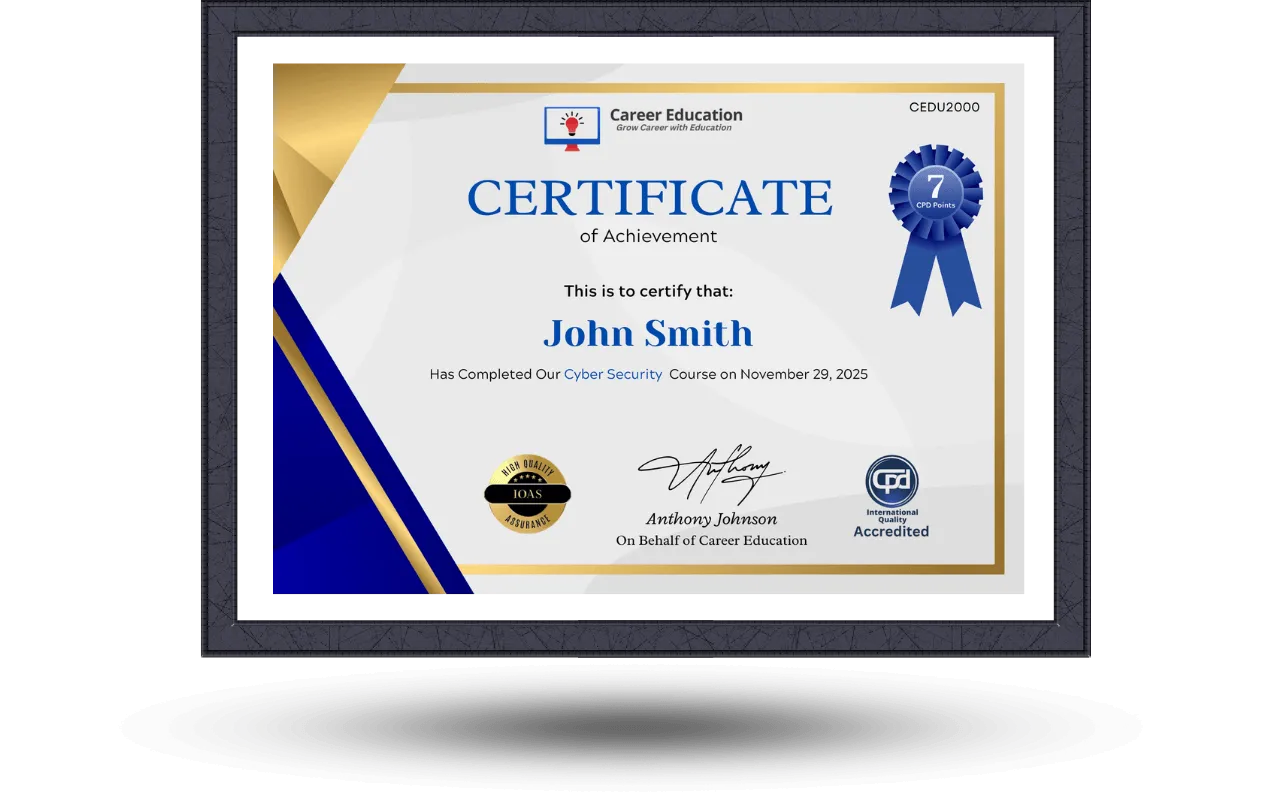
Earn an Accredited Certificate
Upon completion of any course, all students are entitled to a CPD IQ Accredited e-certificate that will be issued by Career Education signifying the completion of your course.
After you complete the course and assignment, you will be eligible to order a free certificate accredited by CPD International Quality by completing the form below.
Hardcopy certificates and transcripts are also available for a small additional fee. More information is disclosed upon course completion.
Similar Courses




Frequently Asked Questions
The lifetime membership includes unlimited access to all courses, resources, and updates for a one-time fee.
You can purchase the membership directly from our website using a secure checkout process.
Yes, selected courses can be downloaded for offline access through our mobile app.
Yes, all future updates and new courses are included at no extra cost.
Yes, we offer a 30-day money-back guarantee if you are not satisfied with the membership.