Skip to content
94%
OFF

Psychology of Emotional Regulation and Wellbeing

  • Lifetime Access
  • All Levels
  • PDF Certificate
£19.00 £296.00
14-Day Money-Back Guarantee

Learn With Confidence

IOAS High Quality Assurance
AoHT Member
Disability Confident Committed
CPD Accredited Provider
CPD International Quality
14 Days Money Back Guarantee
Lifetime Access
Incensu Registered
SSL Secure

Overview

Develop the Skills to Manage Emotions, Build Resilience, and Improve Mental Wellbeing

Psychology of Emotional Regulation and Wellbeing is a comprehensive course designed to help you understand the science behind emotions and develop practical strategies for maintaining emotional balance in everyday life. Whether you want to improve your personal wellbeing, strengthen your relationships, enhance your professional performance, or support others more effectively, this course provides the psychological knowledge and practical techniques needed to regulate emotions with confidence.

Emotions influence every aspect of our lives—from the decisions we make and the relationships we build to how we respond to stress, setbacks, and success. Learning how emotions work and how to regulate them is a valuable life skill that can improve mental health, resilience, communication, and overall quality of life.

Throughout this Psychology of Emotional Regulation and Wellbeing course, you will explore the foundations of psychology, understand emotional processes, examine cognitive and behavioural influences on emotional regulation, and discover evidence-based techniques for managing stress and promoting long-term wellbeing. You’ll also learn about emotional intelligence, mindfulness, behavioural change, and the impact of digital environments on emotional health.

Designed for learners of all backgrounds, this course combines psychological theory with practical application, enabling you to develop lifelong skills that can be used in personal, educational, healthcare, social care, workplace, and community settings.

Whether you are beginning your journey into psychology or looking to enhance your existing knowledge, this course offers practical insights that support healthier emotional responses, stronger resilience, and improved wellbeing.


Why Choose This Psychology of Emotional Regulation and Wellbeing Course?

Emotional regulation is one of the most important psychological skills for maintaining mental health and achieving personal and professional success. Individuals who understand their emotions are better equipped to cope with challenges, build positive relationships, make balanced decisions, and adapt to change.

The Psychology of Emotional Regulation and Wellbeing course focuses on practical outcomes rather than theory alone. Each module is designed to help you apply psychological principles to real-life situations, making your learning immediately valuable.

By enrolling in this course, you will:

  • Understand how emotions influence thoughts and behaviours.
  • Learn evidence-based emotional regulation techniques.
  • Develop healthier responses to stress and difficult situations.
  • Improve emotional intelligence and self-awareness.
  • Build stronger communication and interpersonal skills.
  • Understand the psychological factors that affect mental wellbeing.
  • Learn practical mindfulness and relaxation strategies.
  • Explore behavioural approaches that support positive emotional habits.
  • Understand how digital environments influence emotional health.
  • Create sustainable strategies for lifelong emotional wellbeing.

Whether your goal is personal growth or professional development, this course equips you with practical skills that can be used every day.


What Will You Learn?

The Psychology of Emotional Regulation and Wellbeing course provides a structured understanding of emotional processes and psychological wellbeing while introducing practical tools for managing emotions effectively.

Throughout the programme, you will learn:

  • The psychological foundations of emotional regulation.
  • How emotions develop and influence behaviour.
  • Cognitive processes that shape emotional responses.
  • Healthy strategies for managing stress and anxiety.
  • The relationship between emotional regulation and mental health.
  • Emotional intelligence techniques for stronger relationships.
  • Mindfulness practices that promote emotional balance.
  • Behavioural methods for creating positive habits.
  • The effects of technology and modern lifestyles on emotional wellbeing.
  • Long-term approaches to maintaining emotional resilience and psychological health.

By the end of the course, you’ll have a toolkit of practical strategies that support healthier emotional responses and long-lasting wellbeing.


Course Curriculum

Module 1: Introduction to Psychology and Emotional Regulation

Begin by exploring the foundations of psychology and emotional regulation. Learn how thoughts, emotions, and behaviours interact and why emotional regulation is essential for maintaining mental wellbeing and achieving personal success.


Module 2: Understanding Emotions

Discover how emotions are formed, why they occur, and the role they play in decision-making, relationships, and behaviour. Learn to identify emotional triggers and recognise emotional patterns.


Module 3: Cognitive Processes and Emotional Regulation

Examine how attention, memory, perception, beliefs, and thinking patterns influence emotional experiences. Learn practical cognitive strategies that support healthier emotional regulation.


Module 4: Stress and Coping Mechanisms

Explore the psychology of stress and understand how the mind and body respond to challenging situations. Learn practical coping strategies that improve resilience and emotional stability.


Module 5: Psychological Disorders and Emotional Dysregulation

Develop an understanding of common psychological conditions associated with emotional dysregulation, including anxiety disorders, depression, trauma-related conditions, and mood disorders. Learn how emotional regulation supports recovery and wellbeing.


Module 6: Emotional Intelligence and Social Skills

Build emotional intelligence by improving self-awareness, empathy, communication, conflict resolution, and relationship-building skills that support healthier interactions in both personal and professional settings.


Module 7: Mindfulness and Relaxation Techniques

Learn evidence-based mindfulness exercises, breathing techniques, and relaxation practices that reduce stress, improve concentration, and promote emotional balance.


Module 8: Behavioural Strategies for Regulation

Explore behavioural psychology principles that encourage healthier emotional habits and positive behavioural change. Learn practical self-management techniques that improve emotional resilience.


Module 9: Digital and Environmental Influences on Emotion

Understand how social media, technology, workplace environments, family relationships, and community settings influence emotional wellbeing. Learn strategies for managing these influences in healthy ways.


Module 10: Long-Term Emotional Wellbeing and Lifestyle

Bring together the knowledge gained throughout the course to develop sustainable habits that support lifelong emotional wellbeing, resilience, positive mental health, and balanced living.


Who Is This Course For?

The Psychology of Emotional Regulation and Wellbeing course is ideal for anyone interested in understanding emotions and improving psychological wellbeing.

This course is suitable for:

  • Psychology beginners
  • Students
  • Teachers and educators
  • Healthcare professionals
  • Social workers
  • Support workers
  • Counsellors and coaches
  • Managers and team leaders
  • Human resource professionals
  • Parents and caregivers
  • Community workers
  • Individuals seeking personal development
  • Anyone looking to improve emotional resilience and wellbeing

No previous psychology experience is required. The course is designed to be accessible while providing valuable knowledge for both personal and professional growth.


Why Emotional Regulation Matters

Emotional regulation is more than simply controlling emotions—it is about understanding emotional experiences and responding in healthy, constructive ways. Strong emotional regulation skills can improve mental health, strengthen relationships, reduce stress, and increase confidence.

The Psychology of Emotional Regulation and Wellbeing course demonstrates how psychological principles can help you:

  • Improve self-awareness.
  • Respond calmly during challenging situations.
  • Build healthier relationships.
  • Reduce emotional overwhelm.
  • Strengthen resilience.
  • Improve communication.
  • Develop positive coping strategies.
  • Increase emotional flexibility.
  • Support better decision-making.
  • Enhance overall quality of life.

These skills are valuable in every aspect of life, including education, healthcare, social care, business, leadership, and everyday personal relationships.


Skills You’ll Develop

By completing this course, you’ll gain practical skills including:

  • Emotional regulation techniques
  • Psychological understanding
  • Self-awareness
  • Emotional intelligence
  • Critical thinking
  • Stress management
  • Resilience building
  • Mindfulness practice
  • Relaxation techniques
  • Positive behavioural change
  • Communication skills
  • Conflict resolution
  • Active listening
  • Empathy
  • Cognitive restructuring
  • Healthy coping strategies
  • Lifestyle planning for wellbeing
  • Reflective practice
  • Personal development
  • Mental wellbeing awareness

These transferable skills can benefit your career while also supporting your everyday emotional health.


Career and Personal Development Benefits

Completing Psychology of Emotional Regulation and Wellbeing can strengthen your professional profile while supporting lifelong personal growth.

The knowledge gained can be applied in careers such as:

  • Social Care
  • Healthcare Support
  • Mental Health Services
  • Counselling Support
  • Education
  • Youth Work
  • Community Development
  • Human Resources
  • Coaching and Mentoring
  • Customer Support
  • Leadership and Management
  • Charity and Voluntary Organisations

The course also provides an excellent foundation for learners wishing to pursue further studies in psychology, counselling, mental health, behavioural science, or wellbeing.


Learning Outcomes

By the end of the Psychology of Emotional Regulation and Wellbeing course, you will be able to:

  • Explain the psychological principles of emotional regulation.
  • Understand how emotions influence thoughts, behaviours, and wellbeing.
  • Apply cognitive strategies to regulate emotional responses.
  • Recognise healthy coping mechanisms for stress and adversity.
  • Understand psychological disorders associated with emotional dysregulation.
  • Demonstrate emotional intelligence in personal and professional interactions.
  • Apply mindfulness and relaxation techniques to improve wellbeing.
  • Use behavioural strategies to build healthier emotional habits.
  • Evaluate the impact of digital environments on emotional health.
  • Develop a personalised plan for long-term emotional wellbeing and resilience.

Enrol Today

Take control of your emotional wellbeing with Psychology of Emotional Regulation and Wellbeing and discover how psychological knowledge can help you lead a healthier, more balanced, and resilient life.

Whether you want to improve your personal wellbeing, strengthen your emotional intelligence, support others more effectively, or enhance your professional skills, this course provides the practical tools and evidence-based strategies you need to succeed.

Enrol today and begin your journey towards greater emotional awareness, stronger resilience, healthier relationships, and lasting wellbeing with Psychology of Emotional Regulation and Wellbeing.


£296.00 £19.00

Save Over 94% - Offer Ends soon

BUY NOW

14-Day Money-Back Guarantee

Course Modules

Course Content

Module 1_ Introduction to Psychology and Emotional Regulation

  • Lesson 1_ Introduction to Psychology and Emotional Regulation

Module 2_ Understanding Emotions

Module 3_ Cognitive Processes and Emotional Regulation

Module 4_ Stress and Coping Mechanisms

Module 5_ Psychological Disorders and Emotional Dysregulation

Module 6_ Emotional Intelligence and Social Skills

Module 7_ Mindfulness and Relaxation Techniques

Module 8_ Behavioural Strategies for Regulation

Module 9_ Digital and Environmental Influences on Emotion

Module 10_ Long-Term Emotional Wellbeing and Lifestyle

What our students say

Excellent
4.9 average
158 Reviews

Taufiq Israil
Verified Customer

This course completely transformed how I approach design. The section on design systems was worth the price alone. I landed a Junior Designer role three weeks after finishing!

Andrew Osborne
Verified Customer

The courses provided a wide variety of complete program materials and exam mockups. Fantastic!

Gregory Holmes
Verified Customer

The range of courses offered is extensive and the quality of training is top notch, second to pretty perfect!

Zach Parks
Verified Customer

The course I completed was engaging, insightful, informative! The instructor kept me motivated throughout.

Earn an Accredited Certificate

Earn an Accredited Certificate

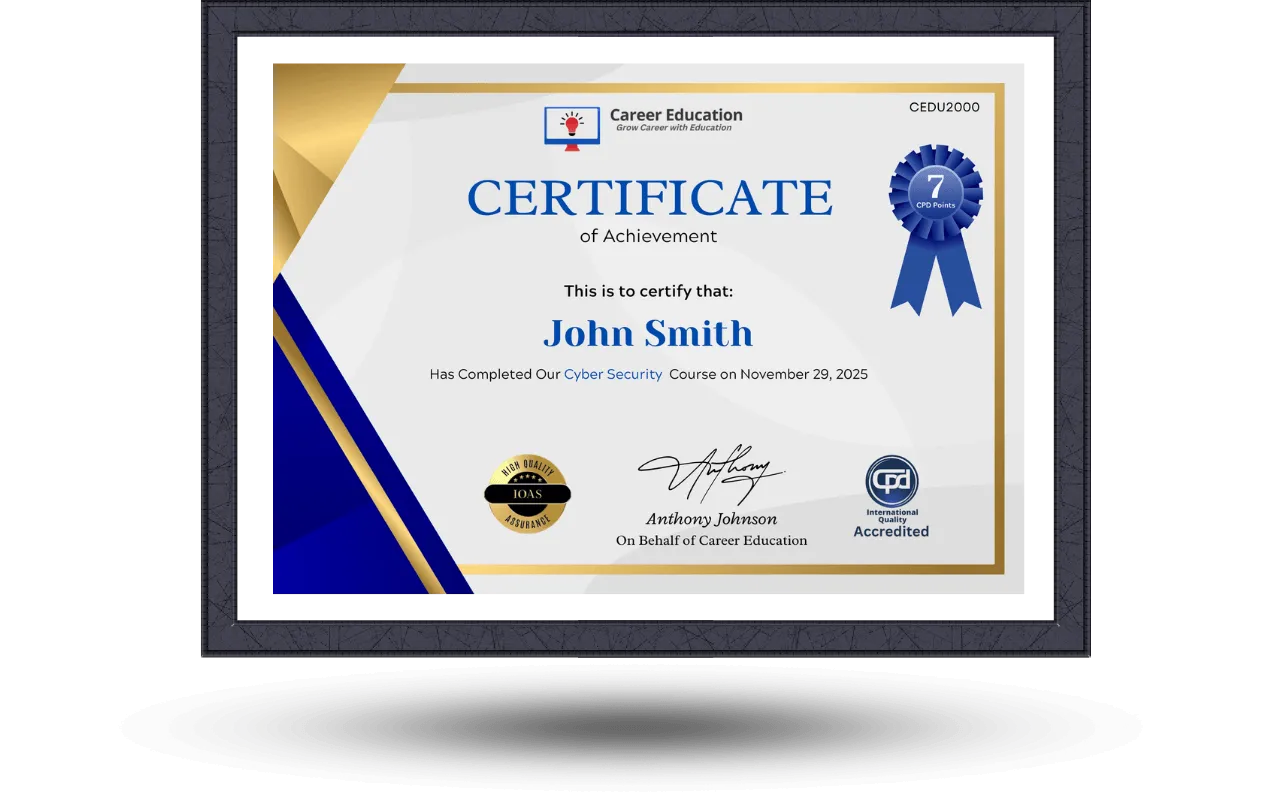
Upon completion of the course, an e-certificate will be downloadable from Khan Education signifying the completion of your course. But, the course is CPD Accredited and after you complete the assignment, you will be eligible to order a certificate accredited by CPD International Quality for £5.99 only. If you want a hardcopy certificate accredited by CPD IQ, you can get it for only £15.99.

Get your Certificate

Frequently Asked Questions

The lifetime membership includes unlimited access to all courses, resources, and updates for a one-time fee.

You can purchase the membership directly from our website using a secure checkout process.

Yes, selected courses can be downloaded for offline access through our mobile app.

Yes, all future updates and new courses are included at no extra cost.

Yes, we offer a 30-day money-back guarantee if you are not satisfied with the membership.