
94%
OFF
OFF
Online Bloodborne Pathogens Safety Training
- Lifetime Access
- All Levels
- PDF Certificate
£296
£19
14-Day Money-Back Guarantee
Learn With Confidence




# Online Bloodborne Pathogens Safety Training
## Build Essential Knowledge for Preventing Exposure, Supporting Infection Control and Promoting a Safer Workplace
Working in environments where contact with blood or other potentially infectious materials may occur requires appropriate awareness, safe practices and effective infection-control procedures. Healthcare professionals, support workers, laboratory personnel, cleaning staff, emergency responders and other workers may encounter situations where understanding bloodborne pathogen risks is essential.
**Online Bloodborne Pathogens Safety Training** is designed to provide learners with practical knowledge about bloodborne pathogens, infection control, exposure risks, sharps safety, decontamination and workplace precautions. The course provides a structured introduction to recognising potential hazards and following appropriate safety practices in environments where exposure may occur.
The course is outcome-focused and aims to help learners develop greater awareness of how bloodborne pathogens can be transmitted, how exposure risks can be reduced and why appropriate handling, cleaning and disposal procedures are important.
Whether you work directly with patients, handle potentially contaminated materials or support healthcare and workplace operations, **Online Bloodborne Pathogens Safety Training** can help strengthen your understanding of essential safety principles.
> **Important:** This course provides general educational safety information. Workplace procedures, exposure-control plans and required training should always follow applicable legislation, regulatory requirements and your organisation’s policies. It should not be treated as a substitute for employer-mandated or legally required training where specific certification or practical assessment is required.
# Why Bloodborne Pathogens Safety Matters
Bloodborne pathogens are microorganisms that can cause disease and may be transmitted through exposure to infected blood or certain other potentially infectious materials.
Exposure risks can occur in many situations, including injuries involving contaminated sharps, contact with broken skin, accidental splashes and improper handling of contaminated materials.
Understanding these risks is an important part of workplace safety.
Prevention depends on recognising hazards before exposure occurs and applying appropriate control measures. This includes using suitable protective equipment, following safe work practices, handling sharps carefully and maintaining effective cleaning and decontamination procedures.
**Online Bloodborne Pathogens Safety Training** provides a structured learning experience covering these important areas.
# What You Will Learn
The course consists of seven modules designed to progressively build your knowledge of bloodborne pathogen safety.
## Module 1 – Introduction to Bloodborne Pathogens
The course begins with the fundamentals.
In **Introduction to Bloodborne Pathogens**, you will explore what bloodborne pathogens are and why they represent an important workplace safety consideration.
You will learn about the relationship between infectious agents, exposure and transmission. The module establishes an understanding of why certain workplace activities may create exposure risks and why prevention is essential.
You will also consider the importance of following established safety procedures rather than relying on assumptions when working around blood or potentially infectious materials.
By completing this module, you will have a stronger foundation for recognising why bloodborne pathogen safety is an important component of workplace health and infection control.
## Module 2 – Common Bloodborne Pathogens
Different pathogens can present different health risks.
In **Common Bloodborne Pathogens**, you will explore examples of bloodborne pathogens and develop a broader understanding of how they can affect individuals following exposure.
The module helps learners understand why identifying potential sources of exposure is important and why appropriate precautions should be followed even when the infectious status of a material is unknown.
You will develop greater awareness of the need for universal or standard precautions and the importance of treating potentially infectious materials appropriately according to workplace procedures.
By completing this module, you will have improved awareness of common bloodborne pathogen hazards and the importance of preventing exposure.
## Module 3 – Understanding Infection Control
Effective infection control helps reduce the risk of transmitting infectious agents.
**Understanding Infection Control** explores the principles and practices used to minimise infection risks in workplace environments.
You will examine the importance of hygiene, appropriate protective measures, safe work practices and environmental controls.
The module highlights the role of consistent procedures. Infection control is most effective when safety practices are incorporated into everyday work rather than used only after an incident occurs.
You will also consider how different control measures can work together to reduce the likelihood of exposure.
By completing this module, you will have a clearer understanding of how infection-control principles contribute to safer working environments.
## Module 4 – Risk Assessment and Exposure Control
Understanding where exposure risks may occur is essential for prevention.
In **Risk Assessment and Exposure Control**, you will explore how workplace activities and environments can be assessed for potential bloodborne pathogen hazards.
You will consider how exposure may occur and why identifying potential hazards before an incident is important.
The module introduces the concept of exposure-control planning and the importance of following established workplace procedures.
You will explore how appropriate work practices, protective measures and engineering or environmental controls can contribute to risk reduction.
You will also develop greater awareness of the importance of reporting exposure incidents promptly and following your organisation’s established response procedures.
By completing this module, you will be better prepared to recognise potential exposure risks and understand the importance of appropriate controls.
## Module 5 – Safe Handling and Disposal of Sharps
Sharps can create significant exposure hazards when they are used, handled or disposed of incorrectly.
**Safe Handling and Disposal of Sharps** focuses on practices that can help reduce the risk associated with needles, blades and other sharp instruments.
You will explore why sharps should be handled carefully and why appropriate disposal procedures are essential.
The module emphasises the importance of using designated sharps containers and following workplace procedures for handling and disposing of sharps.
You will also consider how unsafe practices can increase the possibility of accidental injuries and exposure.
The goal is to develop greater awareness of sharps-related hazards and the behaviours that support safer working practices.
By completing this module, you will have a stronger understanding of the importance of careful sharps handling and appropriate disposal.
## Module 6 – Decontamination and Cleaning Procedures
Cleaning and decontamination are important components of infection control.
In **Decontamination and Cleaning Procedures**, you will explore the principles involved in safely cleaning areas, equipment and surfaces that may have been contaminated.
You will consider why appropriate procedures and suitable products should be used according to workplace requirements and manufacturer instructions.
The module also highlights the importance of using appropriate personal protective equipment and following established procedures when handling potentially contaminated materials.
You will explore why cleaning and decontamination need to be approached systematically rather than relying on informal practices.
By completing this module, you will have a stronger understanding of how appropriate cleaning and decontamination procedures contribute to reducing exposure risks.
## Module 7 – Bloodborne Pathogens in Healthcare Settings
Healthcare environments can involve regular contact with blood, bodily fluids, sharps and potentially contaminated equipment.
**Bloodborne Pathogens in Healthcare Settings** brings together the principles covered throughout the course and considers how they apply in healthcare environments.
You will explore why healthcare workers and support staff need to maintain consistent infection-control practices.
The module reinforces the importance of following organisational policies, using appropriate protective measures, handling sharps safely and responding appropriately to potential exposure incidents.
You will also consider the importance of maintaining awareness even during routine activities, as exposure risks can occur unexpectedly.
By completing this module, you will have a more comprehensive understanding of how bloodborne pathogen safety principles can be applied within healthcare environments.
# Practical Outcomes of the Course
The goal of **Online Bloodborne Pathogens Safety Training** is to help learners develop practical awareness that can support safer workplace practices.
After completing the course, you will be better prepared to:
* Understand what bloodborne pathogens are.
* Recognise why bloodborne pathogens can present workplace hazards.
* Identify examples of common bloodborne pathogens.
* Understand basic transmission and exposure concepts.
* Recognise potential sources of exposure.
* Understand the importance of infection-control practices.
* Apply awareness of standard or universal precautions as appropriate to your workplace.
* Recognise situations where exposure risks may exist.
* Understand the purpose of exposure-control measures.
* Follow established workplace safety procedures.
* Understand the importance of appropriate personal protective equipment.
* Handle sharps with greater awareness.
* Understand safe sharps disposal principles.
* Recognise hazards associated with improperly discarded sharps.
* Understand basic decontamination principles.
* Appreciate the importance of appropriate cleaning procedures.
* Follow relevant workplace policies for contamination incidents.
* Understand why exposure incidents should be reported promptly.
* Recognise the importance of appropriate post-exposure procedures.
* Apply bloodborne pathogen safety principles in healthcare environments.
# Who Is This Course For?
**Online Bloodborne Pathogens Safety Training** can be valuable for individuals who work in environments where exposure to blood or potentially infectious materials may occur.
It may be particularly relevant to:
* Healthcare workers.
* Care assistants and support workers.
* Laboratory personnel.
* Clinical staff.
* Dental professionals and support staff.
* Cleaning and environmental services personnel.
* Emergency response personnel.
* First-aid personnel.
* Tattoo and body-art professionals, where applicable.
* Workers who may encounter contaminated materials.
* Supervisors and workplace safety personnel.
* Individuals seeking general bloodborne pathogen safety awareness.
The exact training requirements for a particular role can vary. Learners should always check their employer’s policies and applicable regulatory requirements to determine whether additional training, practical instruction or formal certification is required.
# Recognise Exposure Risks
One of the most important aspects of bloodborne pathogen safety is recognising when exposure may occur.
Exposure risks may not always be obvious. A sharp object left in an inappropriate location, contaminated equipment or a surface containing infectious material can create hazards.
**Online Bloodborne Pathogens Safety Training** helps you develop awareness of situations where precautions may be necessary.
This awareness can support better decision-making and encourage safer workplace behaviours.
# Understand How Prevention Works
Prevention is generally more effective than responding after an exposure has occurred.
Appropriate controls can include safe work practices, engineering controls, protective equipment, hygiene procedures and appropriate waste management.
The course helps you understand how these measures contribute to reducing risk.
The goal is not simply to memorise safety rules but to understand why they exist and how they contribute to workplace protection.
# Develop Safer Sharps Practices
Sharps injuries can happen quickly and may have serious consequences.
Safe sharps practices are therefore an essential component of bloodborne pathogen awareness.
You will explore why sharps should be handled carefully, why disposal containers are important and why workers should follow established procedures consistently.
Developing this awareness can help reduce unsafe practices and support a stronger safety culture.
# Strengthen Infection-Control Awareness
Infection control involves multiple layers of protection.
Hand hygiene, appropriate protective equipment, environmental cleaning and safe handling practices can all contribute to reducing exposure and transmission risks.
**Online Bloodborne Pathogens Safety Training** introduces these concepts in a structured way so learners can understand how individual actions contribute to broader infection-control efforts.
# Understand Decontamination Principles
Contaminated surfaces and equipment require appropriate attention.
Improper cleaning can leave potential hazards in the workplace, while inappropriate cleaning methods may create additional risks.
The course explores general decontamination and cleaning principles and reinforces the importance of following workplace procedures, product instructions and relevant safety requirements.
# Respond Appropriately to Exposure Incidents
Even with strong preventive measures, exposure incidents can occur.
Knowing what to do after a potential exposure is an important part of workplace safety.
The course highlights the importance of promptly reporting incidents and following the organisation’s established exposure-response procedures.
Learners should always follow their employer’s specific protocols and seek appropriate professional medical evaluation where required.
# Support a Stronger Safety Culture
Bloodborne pathogen safety is not solely an individual responsibility. It contributes to the broader safety culture of an organisation.
When workers consistently follow established procedures, communicate hazards and report incidents appropriately, they can help create an environment where safety becomes part of everyday practice.
**Online Bloodborne Pathogens Safety Training** can support this awareness by helping learners understand why prevention and consistent procedures matter.
# Apply Knowledge in Healthcare Environments
Healthcare settings can involve a wide range of potential exposure situations.
Workers may handle sharps, assist patients, clean equipment or come into contact with blood and potentially infectious materials.
The course brings together key concepts to help learners understand how bloodborne pathogen safety applies in these environments.
It reinforces the importance of maintaining awareness even during routine tasks and following organisational procedures consistently.
# Promote Safer Workplace Practices
Safety knowledge is most valuable when it influences everyday behaviour.
Understanding bloodborne pathogens, exposure risks, infection control, sharps safety and decontamination can help workers make more informed choices when faced with potentially hazardous situations.
The course provides a structured foundation for developing this awareness and supporting safer workplace practices.
# Take the Next Step Towards Bloodborne Pathogen Safety
Preventing exposure to bloodborne pathogens requires knowledge, awareness and consistent application of appropriate safety procedures.
**Online Bloodborne Pathogens Safety Training** provides a structured learning experience covering the essential principles of bloodborne pathogen awareness and workplace exposure prevention. From understanding common pathogens and infection control to risk assessment, sharps safety, decontamination and healthcare applications, the course provides a practical foundation for recognising and managing potential hazards.
By completing the course, you can develop greater awareness of how exposure risks occur and why appropriate controls, protective measures and workplace procedures are important.
Whether you work in healthcare, support services, cleaning, laboratory environments or another setting where potential exposure may occur, this course can help strengthen your understanding of essential bloodborne pathogen safety principles.
**Start Online Bloodborne Pathogens Safety Training today and develop the knowledge to recognise exposure risks, support infection control, handle sharps safely and contribute to a safer workplace.**
Course Modules
Course Content
Module 1_ Introduction to Bloodborne Pathogens
-
Lesson 1_ Introduction to Bloodborne Pathogens
Module 2_ Common Bloodborne Pathogens
Module 3_ Understanding Infection Control
Module 4_ Risk Assessment and Exposure Control
Module 5_ Safe Handling and Disposal of Sharps
Module 6_ Decontamination and Cleaning Procedures
Module 7_ Bloodborne Pathogens in Healthcare Settings
What our students say
Excellent
4.9 average
158 Reviews

Earn an Accredited Certificate
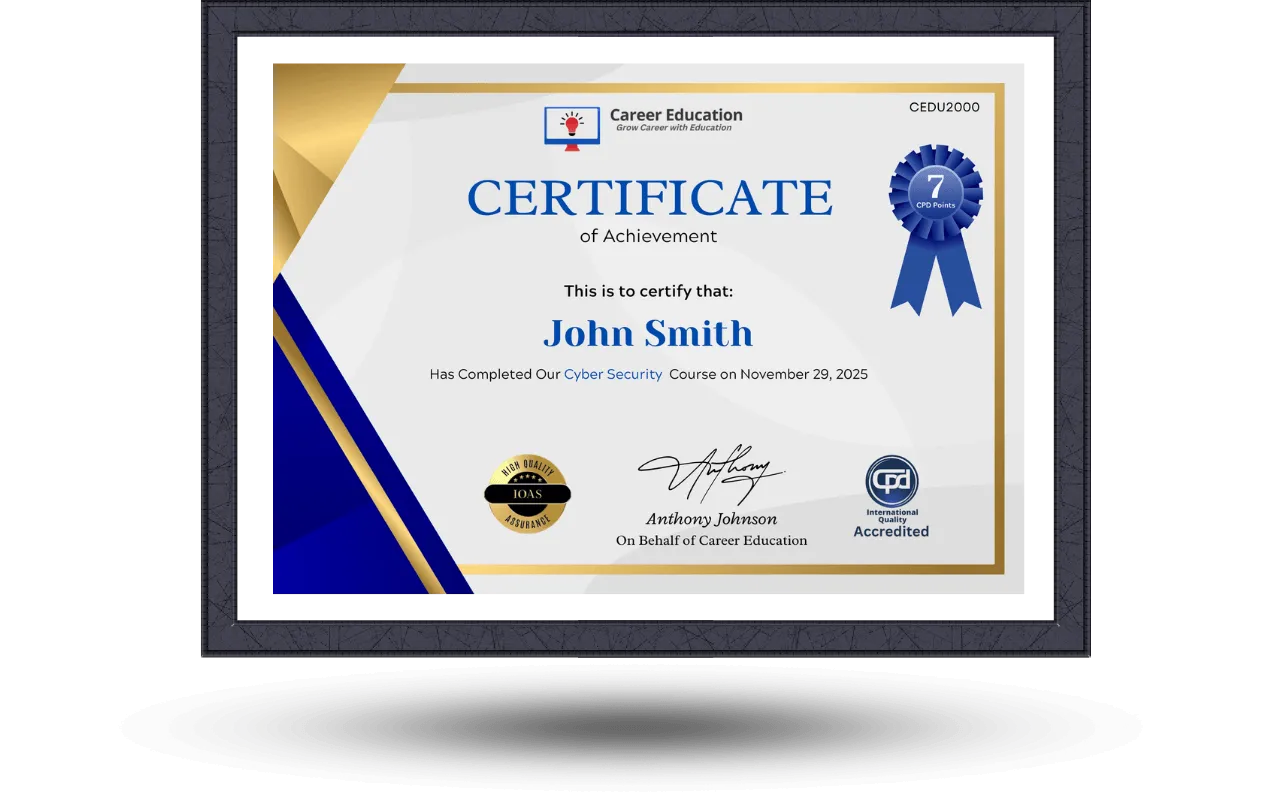
Upon completion of any course, all students are entitled to a CPD IQ Accredited e-certificate that will be issued by Career Education signifying the completion of your course.
After you complete the course and assignment, you will be eligible to order a free certificate accredited by CPD International Quality by completing the form below.
Hardcopy certificates and transcripts are also available for a small additional fee. More information is disclosed upon course completion.
Similar Courses




Frequently Asked Questions
The lifetime membership includes unlimited access to all courses, resources, and updates for a one-time fee.
You can purchase the membership directly from our website using a secure checkout process.
Yes, selected courses can be downloaded for offline access through our mobile app.
Yes, all future updates and new courses are included at no extra cost.
Yes, we offer a 30-day money-back guarantee if you are not satisfied with the membership.