
94%
OFF
OFF
Flight Attendant Skills Training
- Lifetime Access
- All Levels
- PDF Certificate
£296
£19
14-Day Money-Back Guarantee
Learn With Confidence








Flight Attendant Skills Training
Develop the Skills to Deliver Safe, Professional and Confident Passenger Experiences
A career as a flight attendant involves far more than welcoming passengers aboard an aircraft and serving refreshments. Cabin crew members play an essential role in passenger care, communication, aviation safety, security and health. They need to remain professional under pressure, communicate clearly with people from different backgrounds and respond appropriately to a wide range of situations.
The Flight Attendant Skills Training course is designed to help learners build a strong foundation in the knowledge and practical skills associated with the flight attendant role. Covering five essential areas, the course introduces learners to cabin crew responsibilities, customer service, aviation terminology, safety and security, and aviation medicine and health.
Whether you are exploring a future in the aviation industry, preparing for a cabin crew role or looking to strengthen your understanding of flight attendant responsibilities, this course can help you develop valuable transferable and industry-focused skills.
What Is Flight Attendant Skills Training?
Flight Attendant Skills Training provides an introduction to the core competencies required when working as a flight attendant. Cabin crew professionals operate in a unique environment where customer service and safety responsibilities exist side by side.
A flight attendant may need to assist passengers, provide important safety information, communicate with colleagues, manage service situations and support passengers who become unwell during a flight. This requires confidence, professionalism, attention to detail and an understanding of aviation procedures.
This course explores these areas in a structured way, helping learners understand what is expected from flight attendants and how different responsibilities contribute to a safe and positive passenger experience.
Rather than focusing on one narrow aspect of cabin crew work, the course provides broad knowledge across several important areas. Learners can develop an understanding of both the passenger-facing and safety-focused sides of the profession.
Why Study Flight Attendant Skills Training?
The aviation industry relies on skilled professionals who can communicate effectively, follow procedures and maintain high standards of passenger care. Developing relevant knowledge before pursuing a cabin crew position can help you approach future opportunities with greater awareness and confidence.
The Flight Attendant Skills Training course can help you:
-
Understand the key responsibilities of flight attendants
-
Develop a stronger awareness of professional cabin crew standards
-
Improve your understanding of aviation terminology
-
Build effective passenger communication and customer service skills
-
Learn about important aviation safety and security principles
-
Understand the role of health and medicine in aviation
-
Develop transferable communication and interpersonal abilities
-
Strengthen your awareness of working in a safety-focused environment
-
Prepare for further aviation-related learning and development
The knowledge gained can be valuable for aspiring cabin crew members as well as learners interested in the wider aviation sector.
Module 1: Introduction to Flight Attendant Role and Responsibilities
The first module introduces learners to the flight attendant profession and the responsibilities associated with working as cabin crew.
Understanding the role is an important starting point for anyone considering a career in aviation. Flight attendants have responsibilities that extend throughout the passenger journey, from preparing the cabin and assisting passengers to supporting safety procedures and maintaining professional standards.
This module helps learners understand the different aspects of the role and the importance of maintaining a professional approach.
You will explore the expectations associated with being a flight attendant and gain a clearer understanding of how cabin crew contribute to the overall operation of a flight.
By completing this module, learners can develop a more realistic understanding of the profession and the combination of customer service, communication, safety awareness and teamwork required in the role.
Outcomes from Module 1
After completing this module, you can expect to:
-
Understand the fundamental role of a flight attendant
-
Recognise key cabin crew responsibilities
-
Appreciate the importance of professionalism in aviation
-
Understand how flight attendants contribute to passenger wellbeing and safety
-
Develop greater awareness of the demands of working in a cabin environment
This foundation prepares learners for the more specialised topics covered throughout the rest of the course.
Module 2: Customer Service Skills for Flight Attendants
Passenger experience is an important part of cabin crew work. Flight attendants interact with passengers from different cultures, age groups, backgrounds and expectations, making effective customer service an essential skill.
Module 2 focuses on customer service skills specifically relevant to flight attendants. Learners can explore how communication, professionalism and a helpful attitude contribute to positive passenger experiences.
Good customer service involves more than being polite. Cabin crew need to listen carefully, communicate information clearly and respond appropriately to passenger needs while continuing to follow airline procedures and professional standards.
This module helps learners appreciate the importance of remaining calm, respectful and professional when dealing with different passenger situations.
The skills explored can also be valuable beyond aviation. Communication, active listening, problem-solving and interpersonal skills are transferable to many customer-facing careers.
Outcomes from Module 2
By completing this module, learners can develop the ability to:
-
Understand the importance of customer service in cabin crew work
-
Communicate with passengers in a professional manner
-
Recognise different passenger needs and expectations
-
Apply effective interpersonal communication principles
-
Maintain professionalism when handling challenging situations
-
Contribute to a positive passenger experience
These skills can help learners become more confident when considering customer-facing responsibilities within aviation.
Module 3: Aviation Terminology and Communication
Aviation has its own terminology, procedures and communication practices. Understanding commonly used aviation language can help professionals communicate more effectively and understand important information in the workplace.
Module 3 introduces learners to aviation terminology and communication. The module highlights the importance of clear, accurate and professional communication within an aviation environment.
Effective communication is particularly important for cabin crew because flight attendants work closely with passengers and other aviation professionals. Information may need to be communicated clearly and efficiently, particularly when safety, passenger needs or operational matters are involved.
Developing aviation vocabulary can also make it easier for learners to understand further aviation training and industry-related materials.
Outcomes from Module 3
This module can help you:
-
Become familiar with important aviation terminology
-
Improve your confidence when discussing aviation-related topics
-
Understand the importance of clear cabin crew communication
-
Recognise how effective communication supports teamwork
-
Develop communication skills relevant to professional aviation environments
A stronger understanding of aviation language can provide a useful foundation for continued professional development.
Module 4: Aviation Safety and Security
Safety and security are fundamental elements of aviation. Flight attendants have important responsibilities related to maintaining a safe cabin environment and supporting established safety and security procedures.
Module 4 focuses on aviation safety and security, helping learners understand why these areas are central to cabin crew responsibilities.
The module introduces the importance of following established procedures, remaining alert and communicating appropriately. It also helps learners understand the safety-focused nature of the flight attendant profession.
For aspiring cabin crew members, developing safety awareness is particularly important because passenger service must always operate alongside aviation safety responsibilities.
The module provides learners with a foundation for understanding the importance of safety-conscious behaviour and professional responsibility within aviation.
Outcomes from Module 4
After studying this module, learners can develop:
-
Greater awareness of aviation safety principles
-
An understanding of the importance of aviation security
-
Awareness of the flight attendant’s safety responsibilities
-
An appreciation of the importance of following established procedures
-
A stronger safety-focused mindset for aviation environments
This knowledge supports a broader understanding of what it means to work responsibly as part of a cabin crew team.
Module 5: Aviation Medicine and Health
Passengers may experience a variety of health-related needs while travelling, making health awareness an important part of cabin crew knowledge.
Module 5 introduces aviation medicine and health, helping learners understand the relationship between health considerations and air travel. The module provides an overview of health-related topics relevant to the aviation environment and the responsibilities of cabin crew.
Flight attendants need to remain aware of passenger wellbeing and understand the importance of responding professionally when health concerns arise. This requires appropriate knowledge, communication and awareness of established procedures.
The module helps learners appreciate the importance of health considerations within aviation while building their overall understanding of the flight attendant role.
Outcomes from Module 5
On completion of this module, learners can expect to:
-
Understand the importance of health awareness in aviation
-
Recognise why passenger wellbeing is an important cabin crew consideration
-
Develop greater awareness of aviation medicine
-
Understand the importance of professional responses to health-related situations
-
Build a broader understanding of the responsibilities associated with passenger care
Develop Transferable Professional Skills
One of the advantages of Flight Attendant Skills Training is that many of the skills covered can be transferred to other professional environments.
Communication is useful in almost every workplace. Customer service skills can support careers in hospitality, tourism, travel, retail and other passenger-facing industries. Safety awareness can contribute to responsible workplace behaviour, while professionalism and teamwork are valuable across a wide range of roles.
By studying the course, learners can work towards developing a combination of aviation knowledge and broader employability skills.
These include:
Communication: Learn how to communicate information clearly and professionally.
Customer service: Develop greater awareness of how to respond to passenger needs and create positive experiences.
Professionalism: Understand the importance of maintaining appropriate standards in a customer-facing aviation environment.
Safety awareness: Recognise why safety and security are central to cabin crew responsibilities.
Teamwork: Appreciate the importance of effective communication and cooperation within aviation teams.
Health awareness: Develop a foundation of knowledge about health considerations associated with air travel.
Who Can Benefit From This Course?
The Flight Attendant Skills Training course can be suitable for a variety of learners interested in aviation and customer-facing careers.
It may be particularly useful for:
-
Aspiring flight attendants
-
Learners considering a cabin crew career
-
Individuals interested in the aviation industry
-
People looking to develop aviation-related knowledge
-
Customer service professionals interested in aviation
-
Hospitality and tourism learners
-
Individuals seeking transferable professional skills
-
Anyone wanting to understand the responsibilities of cabin crew
No matter where you are in your learning journey, the course can provide a useful introduction to the key areas associated with flight attendant work.
Build Confidence for Your Aviation Career
Starting a career in aviation can be an exciting goal, but understanding the responsibilities of the profession is an important part of preparation. The Flight Attendant Skills Training course gives learners the opportunity to explore the role from several perspectives, including passenger service, communication, safety, security and health.
Instead of concentrating exclusively on customer service, the course demonstrates how different responsibilities come together to create the modern cabin crew role.
You can develop a clearer understanding of what flight attendants do, why professional communication matters and how safety considerations influence cabin crew responsibilities.
This broader perspective can help you make more informed decisions about your future learning and career development.
What You Can Expect to Gain
By completing the Flight Attendant Skills Training course, learners can develop a well-rounded introduction to the knowledge and skills associated with cabin crew work.
You can expect to gain:
-
A stronger understanding of flight attendant responsibilities
-
Improved awareness of professional passenger service
-
Familiarity with aviation terminology
-
Greater confidence in aviation-related communication
-
An introduction to aviation safety and security
-
Awareness of health and medicine considerations in aviation
-
Transferable communication and customer service skills
-
A stronger foundation for further aviation learning
The course is designed around practical professional outcomes, helping learners focus on what they can understand and apply in an aviation-related context.
Take the Next Step Towards Your Aviation Goals
A successful flight attendant needs more than enthusiasm for travel. The role combines customer service, communication, professionalism, safety awareness, teamwork and passenger care.
The Flight Attendant Skills Training course brings these essential areas together in one structured learning experience. From understanding the responsibilities of cabin crew to exploring customer service, aviation terminology, safety and health, each module contributes to a broader understanding of the profession.
If you are considering a career as cabin crew or simply want to build your knowledge of the aviation industry, this course can provide a valuable starting point.
Develop your understanding, strengthen your professional skill set and take a confident step towards your aviation learning goals with Flight Attendant Skills Training.
Course Modules
Course Content
Module 1 Introduction to Flight Attendant Role and Responsibilities.
-
Lesson 1 Introduction to Flight Attendant Role and Responsibilities.
Module 2 Customer Service Skills for Flight Attendants.
Module 3 Aviation Terminology and Communication.
Module 4 Aviation Safety and Security.
Module 5 Aviation Medicine and Health.
What our students say
Excellent
4.9 average
158 Reviews

Earn an Accredited Certificate
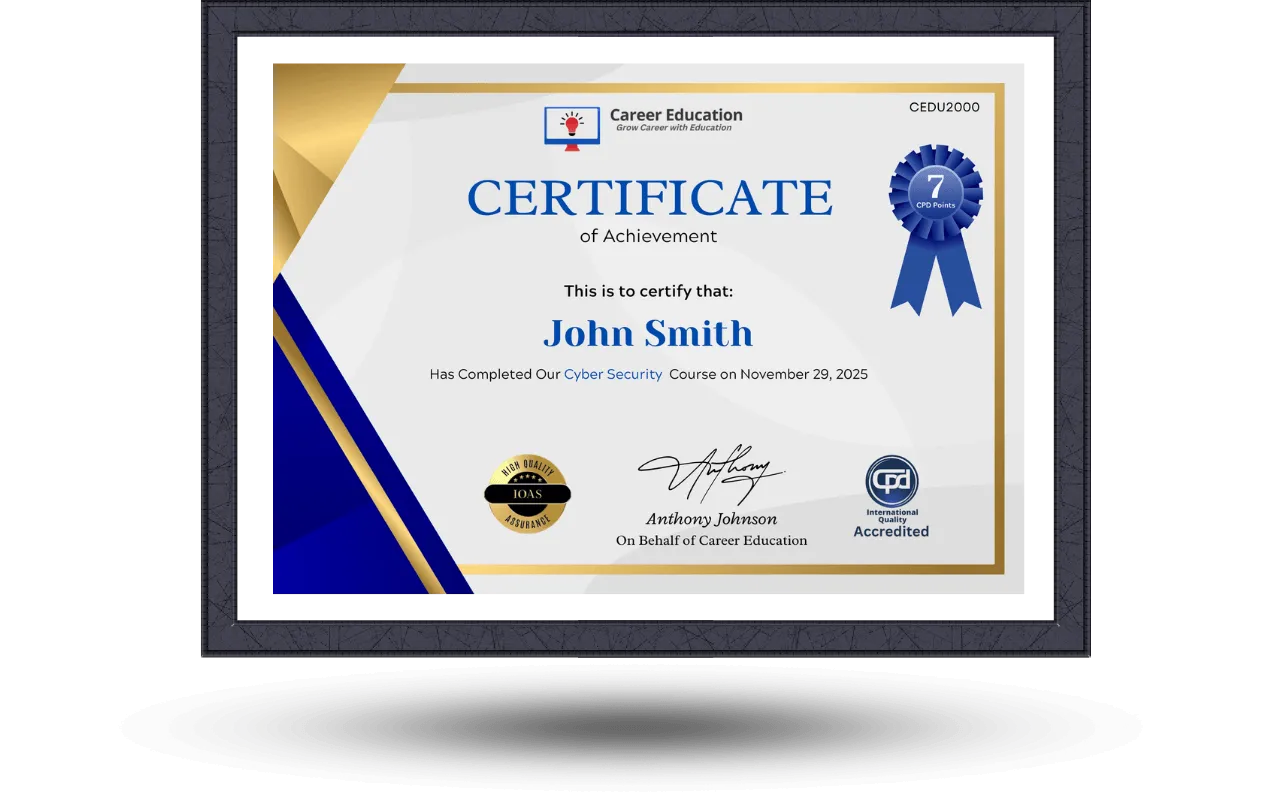
Upon completion of any course, all students are entitled to a CPD IQ Accredited e-certificate that will be issued by Career Education signifying the completion of your course.
After you complete the course and assignment, you will be eligible to order a free certificate accredited by CPD International Quality by completing the form below.
Hardcopy certificates and transcripts are also available for a small additional fee. More information is disclosed upon course completion.
Similar Courses


Frequently Asked Questions
The lifetime membership includes unlimited access to all courses, resources, and updates for a one-time fee.
You can purchase the membership directly from our website using a secure checkout process.
Yes, selected courses can be downloaded for offline access through our mobile app.
Yes, all future updates and new courses are included at no extra cost.
Yes, we offer a 30-day money-back guarantee if you are not satisfied with the membership.