
94%
OFF
OFF
Construction Material Handling Safety Essentials
- Lifetime Access
- All Levels
- PDF Certificate
£296
£19
14-Day Money-Back Guarantee
Learn With Confidence









Construction Material Handling Safety Essentials
Construction sites depend on the safe and efficient movement of materials. From timber, concrete, steel, pipes, and bricks to tools, equipment, and specialised components, materials must be transported, lifted, stored, positioned, and handled throughout the life of a project. When material handling is poorly planned or performed without appropriate precautions, it can contribute to strains, crush injuries, struck-by incidents, falls, damaged materials, equipment incidents, and costly project delays.
Construction Material Handling Safety Essentials is a practical, outcome-focused course designed to help construction professionals understand the principles of safe material handling and develop better practices for planning, organising, storing, moving, and handling construction materials.
The course takes a comprehensive approach to construction material handling. Instead of focusing only on lifting techniques, it considers the complete material-handling process—from planning and site organisation to storage, heavy-material handling, safety practices, and equipment selection.
Whether you are a construction worker, supervisor, site manager, contractor, project coordinator, or safety professional, Construction Material Handling Safety Essentials can help you develop stronger awareness of material-handling hazards and make more informed decisions on the job site.
Why Construction Material Handling Safety Essentials Matters
Material handling is one of the most common activities on construction sites.
Workers may need to:
-
Lift materials manually.
-
Carry materials across uneven surfaces.
-
Move materials using carts or trolleys.
-
Load and unload vehicles.
-
Stack and store materials.
-
Position heavy components.
-
Use lifting equipment.
-
Transport materials between work areas.
-
Handle awkward or specialised items.
Every stage can introduce different hazards.
Poorly organised materials can obstruct walkways. Incorrectly stacked materials can fall or shift. Heavy loads can exceed the safe capabilities of workers or equipment. Poor site layout can create unnecessary travel and handling. Inadequate planning can also increase congestion and the likelihood of collisions.
Construction Material Handling Safety Essentials helps learners understand how thoughtful planning and safe practices can reduce these risks.
What You Will Learn
Module 1 – Introduction to Material Handling in Construction
Lesson 1 – Introduction to Material Handling in Construction
The course begins with an introduction to material handling and its importance in construction.
You will explore:
-
The meaning of material handling.
-
Common construction materials.
-
Material-handling activities.
-
Manual and mechanical handling.
-
Common material-handling hazards.
-
Worker responsibilities.
-
Safe handling principles.
-
The relationship between planning and safety.
-
The impact of poor material handling on construction projects.
You will learn that material handling is not simply about moving an object from one location to another.
It involves determining how a material will be transported, where it will be stored, how it will be lifted, who will handle it, what equipment may be required, and what hazards may exist along the route.
You will also explore how efficient material handling can contribute to better site organisation and productivity.
Outcome: You will understand the fundamentals of construction material handling and recognise the common hazards associated with moving, lifting, storing, and positioning materials.
Module 2 – Planning and Organizing Material Handling
Good material handling starts before the physical work begins.
This module focuses on planning and organising material-handling activities.
You will learn about:
-
Assessing material-handling requirements.
-
Identifying material characteristics.
-
Evaluating weight and size.
-
Planning movement routes.
-
Selecting appropriate handling methods.
-
Identifying potential hazards.
-
Coordinating workers.
-
Planning delivery and unloading.
-
Reducing unnecessary movement.
-
Establishing safe work practices.
You will explore why planning is particularly important for heavy, awkward, fragile, or hazardous materials.
For example, moving a large construction component through a congested work area requires more preparation than moving a small hand tool.
Planning can help answer important questions:
-
Where will the material arrive?
-
Where will it be stored?
-
How will it be moved?
-
What equipment is needed?
-
Who will be responsible?
-
Are the routes clear?
-
Are there overhead or ground-level hazards?
-
Are workers adequately prepared?
You will also learn how effective coordination can reduce unnecessary handling and improve workflow.
Outcome: You will be able to recognise the key considerations involved in planning material-handling activities and organising safer, more efficient movement of materials.
Module 3 – Site Layout and Material Storage
The way materials are stored can have a major influence on construction-site safety.
This module examines how site layout and storage practices can support safer material handling.
You will explore:
-
Material storage areas.
-
Designated handling zones.
-
Access routes.
-
Walkways.
-
Traffic routes.
-
Stacking principles.
-
Storage stability.
-
Housekeeping.
-
Protection from environmental conditions.
-
Separation of materials.
-
Maintaining clear access.
-
Preventing falling or shifting materials.
You will learn why materials should be stored in appropriate locations rather than wherever space happens to be available.
Poor storage can create several problems. Materials may block emergency routes, interfere with pedestrian movement, become unstable, or require workers to carry loads unnecessarily long distances.
A well-planned site layout can help reduce unnecessary movement and improve access to materials.
You will also explore the importance of maintaining stable stacks and following workplace procedures for storing different types of construction materials.
Outcome: You will understand how site layout, storage arrangements, housekeeping, and material organisation can contribute to safer and more efficient construction operations.
Module 4 – Handling Heavy and Specialized Materials
Construction projects frequently involve materials that are too heavy, large, awkward, fragile, or specialised for simple manual handling.
This module focuses on the additional considerations associated with these materials.
You will learn about:
-
Heavy materials.
-
Awkward loads.
-
Long materials.
-
Large components.
-
Fragile materials.
-
Specialised construction materials.
-
Manual handling limitations.
-
Mechanical assistance.
-
Load stability.
-
Communication between workers.
-
Controlled movement.
-
Safe positioning.
You will explore why workers should not attempt to move loads beyond their capabilities simply to save time.
Heavy or awkward materials may require mechanical assistance, additional workers, specialised equipment, or a planned lifting method.
You will also learn why the shape and centre of gravity of a load can influence how it should be handled.
For example, long pipes, steel sections, sheets, and other large materials may require different handling considerations from compact loads.
Outcome: You will recognise the additional hazards associated with heavy and specialised materials and understand when appropriate handling methods or equipment may be necessary.
Module 5 – Safety Practices in Material Handling
This module focuses on practical safety principles that can be applied throughout material-handling activities.
You will explore:
-
Safe lifting principles.
-
Body positioning.
-
Manual handling awareness.
-
Avoiding unnecessary strain.
-
Team handling.
-
Communication.
-
Load control.
-
Personal protective equipment.
-
Housekeeping.
-
Hazard awareness.
-
Preventing struck-by incidents.
-
Preventing pinch and crush injuries.
-
Safe movement around other workers.
You will learn that safe material handling involves more than physical strength.
Workers need to consider the load, the environment, the movement route, the equipment, and the people nearby.
You will also explore the importance of communication during team handling and coordinated movement.
When multiple workers are involved, unclear communication can result in unexpected movement and increase the risk of injury.
PPE can also play an important role. Depending on the work activity and hazards involved, appropriate protection may include safety footwear, gloves, eye protection, head protection, high-visibility clothing, or other equipment required by the workplace.
Outcome: You will develop greater awareness of safe material-handling practices and learn how to reduce common risks associated with lifting, carrying, moving, and positioning construction materials.
Module 6 – Equipment for Material Handling
Mechanical equipment can make material movement more efficient, particularly when dealing with heavy or large loads.
This module introduces common equipment used for construction material handling and the safety considerations associated with their use.
You will explore:
-
Material-handling equipment.
-
Lifting equipment.
-
Forklifts.
-
Hoists.
-
Cranes.
-
Pallet equipment.
-
Carts and trolleys.
-
Equipment selection.
-
Load capacity.
-
Pre-use checks.
-
Operator responsibilities.
-
Communication and coordination.
-
Safe operating areas.
You will learn why equipment should be selected based on the material, load characteristics, site conditions, and intended task.
Using equipment that is unsuitable for a particular load can create serious hazards.
You will also explore the importance of inspections and following manufacturer instructions and workplace procedures.
Operators should understand equipment limitations and should not exceed rated capacities or use equipment for purposes for which it was not designed.
Outcome: You will understand the role of material-handling equipment and recognise important considerations for selecting, inspecting, and using equipment safely.
Practical Skills You Can Develop
Construction Material Handling Safety Essentials is designed to provide practical knowledge that can be applied to everyday construction activities.
After completing the course, you can develop the ability to:
Plan Material Movement
Identify key factors that should be considered before moving materials around a construction site.
Recognise Material-Handling Hazards
Identify potential risks involving heavy loads, unstable materials, workers, equipment, routes, and storage areas.
Improve Storage Practices
Understand how appropriate storage arrangements can reduce hazards and improve access.
Handle Heavy Materials More Safely
Recognise when loads may require additional workers, mechanical assistance, or specialised handling methods.
Apply Safer Manual Handling Principles
Develop greater awareness of lifting, carrying, positioning, communication, and body mechanics.
Select Appropriate Equipment
Understand why handling equipment should be appropriate for the load, task, and work environment.
Support Better Site Organisation
Recognise how material placement and site layout can influence productivity, accessibility, and safety.
Who Is This Course For?
Construction Material Handling Safety Essentials can benefit a wide range of construction professionals.
It is suitable for:
-
Construction workers.
-
Site supervisors.
-
Construction managers.
-
General contractors.
-
Subcontractors.
-
Project managers.
-
Site coordinators.
-
Safety professionals.
-
Warehouse and material-handling workers.
-
Maintenance personnel.
-
Labourers.
-
New construction employees.
-
Experienced workers seeking a safety refresher.
The course can also be useful for organisations that want to strengthen general material-handling awareness among construction teams.
Reduce Unnecessary Material Movement
Every unnecessary movement of a material can introduce another opportunity for an incident.
If materials are delivered to the wrong location, workers may need to move them multiple times. If storage areas are poorly positioned, employees may carry loads longer distances. If pathways are obstructed, workers may take unsafe routes.
Effective planning can reduce these unnecessary movements.
A well-organised material-handling process considers:
-
Where materials are needed.
-
When they are needed.
-
How they will arrive.
-
Where they will be stored.
-
How they will be moved.
-
What equipment will be used.
-
Who will perform the task.
This approach can support both safety and productivity.
Improve Construction Site Storage
Safe storage is a critical part of material handling.
Materials should be organised so they remain stable and accessible without creating unnecessary hazards.
Workers and supervisors should be aware of:
-
Stack stability.
-
Weight distribution.
-
Access requirements.
-
Walkway clearance.
-
Traffic routes.
-
Material condition.
-
Environmental exposure.
-
Potential falling-object hazards.
When storage is planned correctly, workers can locate materials more easily and reduce unnecessary handling.
Develop Better Awareness Around Heavy Loads
Heavy materials can present significant risks when handled incorrectly.
Before moving a heavy or awkward load, workers should consider whether:
-
The load can be safely handled manually.
-
The route is clear.
-
The material is stable.
-
Appropriate equipment is available.
-
Additional personnel are required.
-
The equipment has sufficient capacity.
-
Workers understand their roles.
-
Communication is clear.
These considerations encourage workers to plan before acting.
Support a Safer Material-Handling Culture
Material handling is a shared responsibility.
Workers, supervisors, equipment operators, contractors, and site managers all contribute to safe construction operations.
A strong material-handling culture encourages workers to:
-
Report hazards.
-
Keep storage areas organised.
-
Follow established procedures.
-
Use appropriate equipment.
-
Avoid unsafe shortcuts.
-
Communicate during team handling.
-
Inspect equipment.
-
Maintain clear pathways.
-
Use appropriate PPE.
-
Ask for assistance when needed.
The goal is not simply to complete a material-handling task as quickly as possible. It is to complete it efficiently while maintaining appropriate control of the hazards involved.
Why Choose Construction Material Handling Safety Essentials?
The course provides a structured approach to understanding material handling across the construction environment.
The curriculum covers:
-
Introduction to Material Handling in Construction.
-
Planning and Organizing Material Handling.
-
Site Layout and Material Storage.
-
Handling Heavy and Specialized Materials.
-
Safety Practices in Material Handling.
-
Equipment for Material Handling.
This progression helps learners move from basic concepts to practical planning, storage, heavy-material handling, safety practices, and equipment awareness.
Build Practical Construction Safety Knowledge
Construction environments are constantly changing.
Materials arrive at different times, work areas shift, equipment moves between locations, and multiple trades may operate within the same space.
Because of this, material-handling safety requires continuous awareness.
Construction Material Handling Safety Essentials helps learners understand how planning, organisation, hazard recognition, appropriate equipment, and safe practices can work together to create a more controlled material-handling process.
The course does not replace site-specific training, equipment-specific operator training, employer procedures, risk assessments, or applicable legal requirements. Instead, it provides a strong foundation of general material-handling safety knowledge.
Turn Safe Handling into a Daily Practice
Safe material handling should become part of everyday construction work.
Before moving a load, workers can develop the habit of asking:
What am I moving?
Understanding the material’s size, weight, shape, condition, and stability is essential.
How will I move it?
The handling method should be appropriate for the material and task.
Where will it go?
The destination should be prepared and accessible.
What hazards are along the route?
Workers should consider pedestrians, equipment, uneven surfaces, overhead hazards, obstructions, and other site conditions.
Do I need help or equipment?
Workers should recognise their limitations and use appropriate assistance when necessary.
These simple considerations can help promote safer decision-making.
Start Learning Today
Construction material handling is an essential part of almost every building and infrastructure project. When materials are moved and stored safely, workers can operate more efficiently while reducing unnecessary exposure to hazards.
Construction Material Handling Safety Essentials provides a comprehensive introduction to the principles that support safer material handling on construction sites.
From planning and organising material movement to site layout, storage, heavy-material handling, safety practices, and equipment selection, the course covers the knowledge learners need to approach material-handling tasks with greater awareness and preparation.
Whether you are new to construction or an experienced professional looking to strengthen your safety knowledge, this course can help you develop practical skills that support safer and more organised work practices.
Enrol in Construction Material Handling Safety Essentials today and build the knowledge to plan material movement, organise storage areas, recognise handling hazards, work more safely with heavy and specialised materials, apply practical safety measures, and understand the appropriate use of material-handling equipment.
Course Modules
Course Content
Module 1_ Introduction to Material Handling in Construction
-
Lesson 1_ Introduction to Material Handling in Construction
Module 2_ Planning and Organizing Material Handling
Module 3_ Site Layout and Material Storage
Module 4_ Handling Heavy and Specialized Materials
Module 5_ Safety Practices in Material Handling
Module 6_ Equipment for Material Handling
What our students say
Excellent
4.9 average
158 Reviews

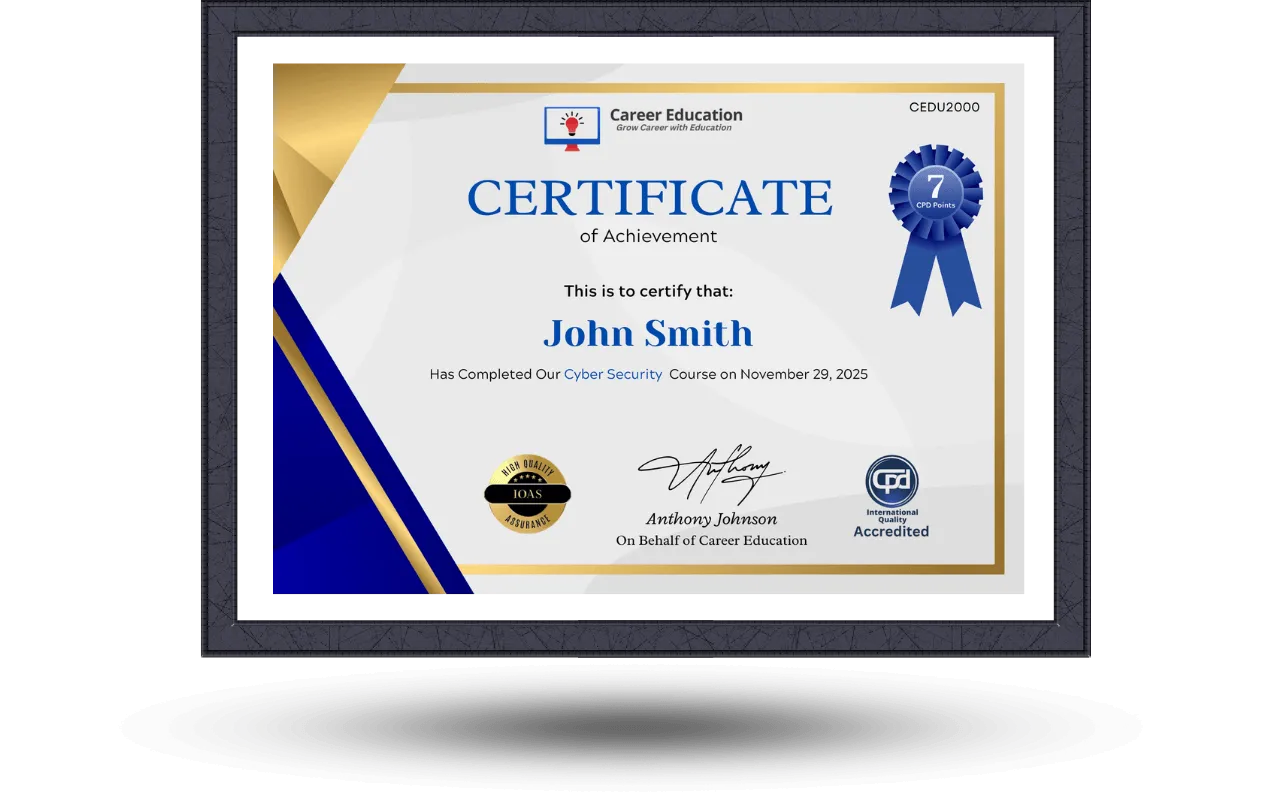
Earn an Accredited Certificate
Upon completion of any course, all students are entitled to a CPD IQ Accredited e-certificate that will be issued by Career Education signifying the completion of your course.
After you complete the course and assignment, you will be eligible to order a free certificate accredited by CPD International Quality by completing the form below.
Hardcopy certificates and transcripts are also available for a small additional fee. More information is disclosed upon course completion.
Similar Courses


Frequently Asked Questions
The lifetime membership includes unlimited access to all courses, resources, and updates for a one-time fee.
You can purchase the membership directly from our website using a secure checkout process.
Yes, selected courses can be downloaded for offline access through our mobile app.
Yes, all future updates and new courses are included at no extra cost.
Yes, we offer a 30-day money-back guarantee if you are not satisfied with the membership.