Skip to content

Understanding Global Relations

  • Lifetime Access
  • All Levels
  • PDF Certificate
£0.00
14-Day Money-Back Guarantee

Learn With Confidence
IOAS High Quality Assurance
AoHT Member
Disability Confident Committed
CPD Accredited Provider
CPD International Quality
14 Days Money Back Guarantee
Lifetime Access
Incensu Registered
SSL Secure

Overview

Overview

The world today is more interconnected than ever before. Political decisions, economic changes, security challenges, and international agreements in one country can influence communities and organisations across the globe. Developing a strong understanding of global affairs is essential for anyone who wants to navigate international challenges, work in global environments, or gain deeper insights into how countries interact.

Understanding Global Relations is designed to help learners explore the complex systems that shape relationships between nations, international organisations, economies, and societies. This learning experience provides a structured introduction to international relations, global security, political economies, international law, diplomacy, and regional issues.

Through this comprehensive programme, learners will develop the knowledge and analytical skills needed to understand global events, evaluate international challenges, and recognise the factors that influence cooperation and conflict between countries. Whether you are interested in politics, business, international development, public service, or global affairs, Understanding Global Relations provides valuable insights into the forces shaping the modern world.

Description

Understanding Global Relations provides learners with a broad and practical understanding of how international systems operate and how global relationships are formed, managed, and transformed. The programme explores the political, economic, legal, and diplomatic frameworks that influence interactions between countries and international institutions.

Learners will begin by developing a strong foundation in international relations, exploring key theories, concepts, and historical developments that explain how nations interact. The programme then examines international security challenges, including conflicts, cooperation, peacebuilding, and strategies used to maintain stability in an increasingly complex world.

The programme also explores international political economy, helping learners understand how global trade, financial systems, economic policies, and international markets influence relationships between nations. By examining economic cooperation and competition, learners will gain insight into the connection between politics and global economic decision-making.

A major focus of Understanding Global Relations is the role of international law and organisations in maintaining global order. Learners will explore how international agreements, legal frameworks, and global institutions support cooperation, resolve disputes, and address worldwide challenges.

Diplomacy and negotiation are also key areas covered within this programme. Learners will understand how governments, organisations, and representatives communicate, negotiate agreements, and manage international relationships. These skills are increasingly valuable in careers involving communication, policy development, business, and international cooperation.

The final module focuses on regional studies, allowing learners to explore how geographical, historical, cultural, and political factors influence relationships within different parts of the world. This provides a broader perspective on regional challenges, opportunities, and global connections.

By completing Understanding Global Relations, learners will gain the ability to analyse international issues, interpret global developments, and develop a more informed perspective on the challenges and opportunities facing the world today.

What You Will Learn

Module 1: Introduction to International Relations

The first module introduces the foundations of international relations and explores how countries interact within the global system. Learners will examine the key concepts, theories, and historical events that have shaped international relationships.

This module helps learners understand:

  • The meaning and importance of international relations
  • Major theories that explain global interactions
  • The role of states and non-state actors in world affairs
  • Historical developments that influenced modern global relations
  • The impact of globalisation on international connections

By completing this module, learners will develop a strong foundation for understanding the political and social forces that influence relationships between nations.

Module 2: International Security

Global security challenges affect countries, organisations, and individuals around the world. This module explores the different factors that influence international stability and examines how nations respond to security concerns.

Learners will explore:

  • Traditional and modern approaches to international security
  • Causes and impacts of international conflicts
  • Peacekeeping and conflict prevention strategies
  • The role of alliances and cooperation in global security
  • Emerging security challenges in the modern world

This module enables learners to better understand how governments and international organisations work together to address threats and promote stability.

Module 3: International Political Economy

Politics and economics are closely connected in the international environment. This module explores how economic systems, trade relationships, and financial decisions influence global relations.

Learners will gain knowledge of:

  • The relationship between politics and international economics
  • Global trade systems and economic cooperation
  • International financial institutions and their influence
  • Economic development and inequality challenges
  • The impact of global markets on international relationships

Through this module, learners will understand how economic factors shape diplomatic relationships, policy decisions, and global cooperation.

Module 4: International Law and Organizations

International law and organisations play an important role in managing global relationships and addressing international challenges. This module examines the frameworks that support cooperation between countries.

Learners will explore:

  • The principles of international law
  • The purpose and functions of international organisations
  • The role of global institutions in conflict resolution
  • International agreements and treaties
  • Cooperation on global issues

This knowledge helps learners understand how rules, agreements, and institutions influence international decision-making and global governance.

Module 5: Diplomacy and Negotiation

Effective communication and negotiation are essential elements of international relations. This module focuses on how countries and organisations build relationships, manage disagreements, and create agreements.

Learners will learn about:

  • The role of diplomacy in international affairs
  • Negotiation strategies and approaches
  • Communication between governments and organisations
  • Managing international disputes
  • Building cooperation through dialogue

By understanding diplomatic processes, learners can develop valuable skills applicable to international careers, leadership roles, business environments, and organisational management.

Module 6: Regional Studies

The final module explores the importance of regional perspectives in understanding global relations. Different regions face unique political, economic, social, and security challenges that influence international interactions.

Learners will examine:

  • The importance of regional analysis
  • Political and economic differences between regions
  • Cultural influences on international relationships
  • Regional cooperation and challenges
  • The connection between local issues and global developments

This module encourages learners to view global affairs from multiple perspectives and understand the diversity of international experiences.

Who Should Take This Programme?

Understanding Global Relations is suitable for anyone who wants to develop knowledge of international affairs and global interactions.

This programme is ideal for:

  • Individuals interested in international politics and world affairs
  • Students looking to expand their understanding of global systems
  • Professionals working in international environments
  • Business professionals involved in global markets
  • Aspiring diplomats and policy professionals
  • Researchers and analysts interested in international issues
  • Anyone seeking a broader understanding of current global challenges

No previous experience in international relations is required. The programme is designed to provide learners with essential concepts and practical knowledge from the fundamentals onwards.

Benefits of Understanding Global Relations

Studying Understanding Global Relations provides valuable skills and knowledge that can support personal, academic, and professional development.

Key benefits include:

Develop Global Awareness

Learners gain a deeper understanding of the political, economic, and social factors influencing world events. This knowledge helps individuals interpret international news and recognise the connections between global issues.

Improve Analytical Thinking Skills

The programme encourages learners to evaluate international challenges, compare different perspectives, and develop informed opinions about global developments.

Understand International Decision-Making

Learners gain insight into how governments, organisations, and institutions make decisions that affect international relationships.

Build Communication and Negotiation Knowledge

Understanding diplomacy and negotiation helps learners develop skills useful for managing discussions, resolving challenges, and building effective relationships.

Expand Career Opportunities

Knowledge of global relations can support careers in areas such as international organisations, government services, research, education, business, journalism, and international development.

Gain Confidence in Global Discussions

Learners completing Understanding Global Relations will have the knowledge needed to participate more confidently in conversations about international affairs, policies, and global challenges.

Career Opportunities

A strong understanding of global relations can support opportunities across many industries where international awareness and analytical skills are valued.

Potential career areas include:

  • International relations specialist
  • Policy analyst
  • Government and public service roles
  • International development professional
  • Research assistant
  • Global business consultant
  • Political researcher
  • Diplomatic support roles
  • Non-governmental organisation positions
  • International education and communication roles

The skills developed through Understanding Global Relations can also benefit professionals who already work in global industries and need stronger knowledge of international systems.

Conclusion

The modern world requires individuals who understand how countries, economies, organisations, and communities interact. Global challenges such as security concerns, economic changes, international agreements, and regional developments require informed perspectives and strong analytical abilities.

Understanding Global Relations provides learners with a comprehensive exploration of international systems, helping them understand the forces that shape global affairs. From international security and political economy to diplomacy, law, and regional studies, this programme equips learners with valuable knowledge for navigating an increasingly connected world.

Whether you want to develop your professional skills, explore international careers, or simply gain a deeper understanding of global events, Understanding Global Relations offers the knowledge and insights needed to better understand today’s international landscape.

Free
BUY NOW

14-Day Money-Back Guarantee

Course Modules

Course Content

Module 1_ Introduction to International Relations

  • Lesson 1_ Introduction to International Relations

Module 2_ International Security

Module 3_ International Political Economy

Module 4_ International Law and Organizations

Module 5_ Diplomacy and Negotiation

Module 6_ Regional Studies

What our students say

Excellent
4.9 average
158 Reviews

Taufiq Israil
Verified Customer

This course completely transformed how I approach design. The section on design systems was worth the price alone. I landed a Junior Designer role three weeks after finishing!

Andrew Osborne
Verified Customer

The courses provided a wide variety of complete program materials and exam mockups. Fantastic!

Gregory Holmes
Verified Customer

The range of courses offered is extensive and the quality of training is top notch, second to pretty perfect!

Zach Parks
Verified Customer

The course I completed was engaging, insightful, informative! The instructor kept me motivated throughout.

Earn an Accredited Certificate

Earn an Accredited Certificate

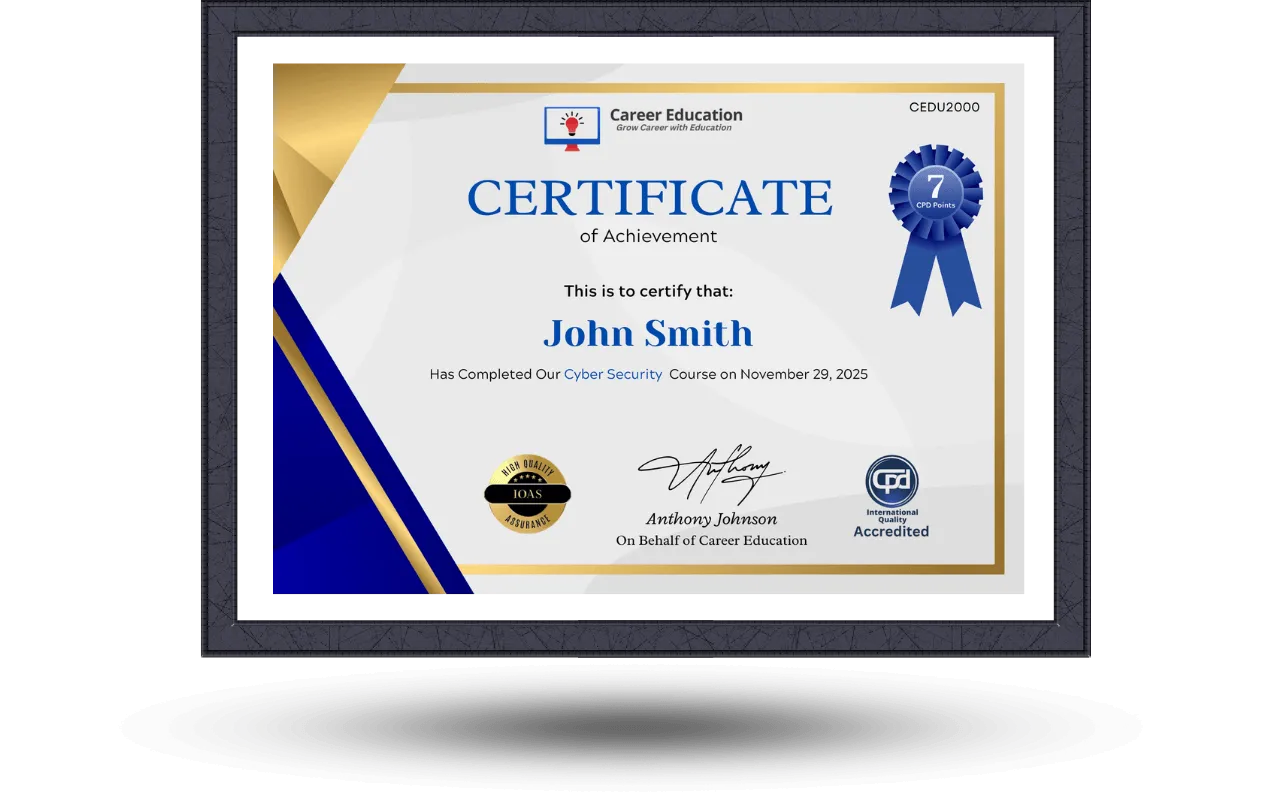
Upon completion of the course, an e-certificate will be downloadable from Khan Education signifying the completion of your course. But, the course is CPD Accredited and after you complete the assignment, you will be eligible to order a certificate accredited by CPD International Quality for £5.99 only. If you want a hardcopy certificate accredited by CPD IQ, you can get it for only £15.99.

Get your Certificate

Similar Courses

Frequently Asked Questions

The lifetime membership includes unlimited access to all courses, resources, and updates for a one-time fee.

You can purchase the membership directly from our website using a secure checkout process.

Yes, selected courses can be downloaded for offline access through our mobile app.

Yes, all future updates and new courses are included at no extra cost.

Yes, we offer a 30-day money-back guarantee if you are not satisfied with the membership.