
94%
OFF
OFF
Crystalline Silica Awareness and Prevention
- Lifetime Access
- All Levels
- PDF Certificate
£296
£19
14-Day Money-Back Guarantee
Learn With Confidence









Crystalline Silica Awareness and Prevention
Build the Knowledge to Recognise, Assess and Control Crystalline Silica Risks
Crystalline silica is a naturally occurring mineral found in many common construction and industrial materials, including stone, concrete, brick, mortar, tiles and some manufactured products. When these materials are cut, drilled, crushed, ground or otherwise disturbed, they can release very fine respirable crystalline silica particles into the air. Without appropriate controls, workers may inhale these particles and face serious occupational health risks.
The Crystalline Silica Awareness and Prevention course is designed to provide learners with practical knowledge of crystalline silica hazards, exposure routes, health effects, risk management, safe working practices and regulatory responsibilities. Whether you work in construction, manufacturing, engineering, maintenance or another environment where silica-containing materials may be present, understanding how to identify and control exposure is an important part of maintaining a safer workplace.
This outcome-focused course helps learners move beyond simply recognising the term “crystalline silica.” You will develop an understanding of where exposure can occur, how risks can be assessed, what preventive measures can be implemented and why effective procedures and regulatory compliance matter.
Why Crystalline Silica Awareness and Prevention Matters
Crystalline silica can be present in materials that workers encounter every day. The greatest concern arises when work activities generate respirable dust that can remain suspended in the air and potentially be inhaled.
Activities such as cutting, drilling, grinding, sanding and crushing silica-containing materials can create exposure risks. Workers may not always be able to see fine particles in the air, which makes awareness and appropriate controls particularly important.
The Crystalline Silica Awareness and Prevention course helps learners understand these risks and develop the knowledge required to contribute to safer working practices. Instead of relying solely on personal awareness, the course explores a structured approach to identifying hazards, assessing exposure and applying suitable controls.
By completing the course, learners can strengthen their understanding of occupational safety and become better prepared to recognise situations where crystalline silica exposure may need to be controlled.
What You Will Learn
The course curriculum covers seven important areas, taking you from the fundamentals of crystalline silica through to workplace controls and regulatory compliance.
Module 1: Introduction to Crystalline Silica
The first module establishes a strong foundation by introducing crystalline silica and explaining why it is an important occupational health and safety consideration.
You will learn what crystalline silica is, where it can be found and why certain workplace activities can create exposure concerns. Developing this foundation will help you recognise potential silica hazards in different work environments.
By the end of this module, you will be better equipped to identify situations where crystalline silica may be present and understand why awareness is an essential first step in prevention.
Module 2: Types of Crystalline Silica
Understanding the different types of crystalline silica provides useful context for recognising silica-containing materials and associated hazards.
This module examines the relevant forms of crystalline silica and helps learners distinguish crystalline silica from broader concepts surrounding silica and silica-containing materials.
You will develop a clearer understanding of where different forms may occur and why identifying the material involved is important when considering workplace exposure and control measures.
This knowledge can support more informed hazard recognition and help you understand why different work environments may require different approaches to risk management.
Module 3: Routes of Exposure to Crystalline Silica
Knowing that crystalline silica is present in a material is only part of effective hazard awareness. It is also important to understand how exposure can occur.
In this module, you will explore the routes through which workers may encounter crystalline silica, with particular attention to inhalation of respirable airborne dust.
You will examine workplace activities that can generate fine silica particles and learn why tasks that disturb silica-containing materials can create exposure risks. The module helps you recognise how work methods, dust generation and workplace conditions can influence exposure.
The outcome is practical awareness that can help you identify potentially hazardous tasks before work begins and understand why appropriate control measures should be considered.
Module 4: Health Effects of Crystalline Silica Exposure
Understanding the potential health effects associated with crystalline silica exposure reinforces the importance of prevention.
This module explores the occupational health consequences that can be associated with inhaling respirable crystalline silica. Learners will gain a clearer understanding of why repeated or significant exposure is a serious workplace concern and why prevention should be incorporated into normal working procedures.
Rather than treating dust as an unavoidable part of certain jobs, the course encourages a proactive approach to reducing exposure wherever reasonably practicable.
By understanding the potential consequences, learners can better appreciate the importance of following workplace controls, procedures and safety instructions.
Module 5: Risk Assessment and Management
Effective prevention begins with identifying hazards and evaluating the risks associated with them.
This module introduces the principles of risk assessment and management in relation to crystalline silica. You will learn how workplace activities can be reviewed to identify potential exposure hazards and how suitable control measures can be considered.
The module supports an organised approach to managing silica risks, including identifying hazardous tasks, considering who could be exposed, evaluating existing controls and determining where additional measures may be required.
You will develop knowledge that can help you contribute more effectively to workplace risk assessments and understand the importance of reviewing controls when processes, equipment or working conditions change.
Module 6: Work Practices and Procedures
Having suitable controls is important, but those controls must also be incorporated into everyday work practices.
This module focuses on practical procedures and safer approaches for reducing crystalline silica exposure. You will explore the importance of following established workplace procedures, using appropriate control measures and maintaining good housekeeping and working practices.
The module highlights how the way a task is performed can influence dust generation and exposure. It also reinforces the importance of communication, training and consistent application of workplace safety procedures.
By completing this module, learners will be better prepared to recognise the connection between safe work procedures and effective silica exposure prevention.
Module 7: Regulatory Compliance
Workplace safety does not exist in isolation. Employers and workers may have legal and regulatory responsibilities relating to hazardous substances and occupational exposure.
The final module introduces the importance of regulatory compliance when managing crystalline silica risks. You will learn why organisations need to understand the applicable workplace health and safety requirements and ensure that their procedures are aligned with relevant legislation, standards and guidance.
This module helps learners appreciate the role of documentation, training, risk assessment, control measures and workplace procedures in supporting compliance.
Because legal requirements can vary by country, industry and workplace, learners should always refer to the regulations and official guidance applicable to their specific location and role.
Practical Outcomes of the Course
The Crystalline Silica Awareness and Prevention course is designed around practical learning outcomes. After completing the training, learners should be able to:
-
Explain what crystalline silica is and where it may be encountered.
-
Recognise common workplace materials that may contain crystalline silica.
-
Identify work activities that can generate respirable silica dust.
-
Understand key routes of occupational exposure.
-
Explain why respirable crystalline silica presents an important workplace health concern.
-
Recognise the potential health effects associated with exposure.
-
Contribute to the identification and assessment of silica-related hazards.
-
Understand the principles of risk management and exposure prevention.
-
Recognise the importance of appropriate workplace controls and procedures.
-
Apply greater awareness to tasks involving silica-containing materials.
-
Understand the importance of following workplace safety procedures.
-
Appreciate the role of training, communication and supervision in prevention.
-
Understand why regulatory requirements must be considered when managing silica risks.
Develop a Stronger Workplace Safety Culture
A successful safety culture depends on people understanding not only what the hazards are, but also what they can do to prevent unnecessary exposure.
The Crystalline Silica Awareness and Prevention course can help organisations build stronger awareness among employees who may encounter silica-containing materials. When workers understand the reasons behind safety procedures, they are better positioned to recognise hazards and follow appropriate controls.
For employers, training can form part of a wider occupational health and safety programme. For employees and professionals, developing silica awareness can strengthen their understanding of workplace hazards and support safer decision-making.
The course can also help reinforce the idea that preventing exposure is a shared responsibility. Effective risk management involves appropriate planning, suitable controls, clear procedures, communication and consistent implementation.
Who Can Benefit From This Course?
The Crystalline Silica Awareness and Prevention course may be valuable for learners and professionals working in environments where silica-containing materials or silica-generating activities may be encountered.
It can be particularly relevant to people working in:
-
Construction and building
-
Civil engineering
-
Stone and countertop fabrication
-
Manufacturing
-
Concrete and masonry work
-
Demolition
-
Engineering and maintenance
-
Quarrying and mineral-related industries
-
Workplace health and safety
-
Site supervision and management
It may also be useful for employers, supervisors, team leaders and anyone who has responsibilities involving workplace risk awareness and safety procedures.
Support Safer Decisions at Work
Workplace hazards are easier to manage when people know what to look for. The Crystalline Silica Awareness and Prevention course provides a structured learning experience that connects hazard identification with exposure awareness, health considerations, risk assessment, safe work practices and compliance.
Instead of approaching silica safety as a single isolated topic, learners gain a broader understanding of how prevention fits into everyday workplace operations.
This knowledge can support better conversations about workplace risks, encourage greater attention to dust-generating activities and reinforce the importance of following established safety procedures.
Take the Next Step Towards Better Silica Awareness
Crystalline silica risks can arise in many different working environments, and effective prevention depends on informed decisions and appropriate controls. Developing a strong understanding of the hazard is an important step towards creating safer working conditions.
The Crystalline Silica Awareness and Prevention course gives you the opportunity to build essential knowledge across crystalline silica identification, exposure routes, health effects, risk assessment, workplace procedures and regulatory compliance.
Whether you want to strengthen your occupational safety knowledge, improve your understanding of silica-related workplace risks or support a stronger safety culture within your organisation, this course provides a practical foundation for continued learning and safer working practices.
Enrol in Crystalline Silica Awareness and Prevention today and develop the knowledge needed to recognise silica hazards, understand exposure risks and support effective prevention in the workplace.
Course Modules
Course Content
Module 1_ Introduction to Crystalline Silica
-
Lesson 1_ Introduction to Crystalline Silica
Module 2_ Types of Crystalline Silica
Module 3_ Routes of Exposure to Crystalline Silica
Module 4_ Health Effects of Crystalline Silica Exposure
Module 5_ Risk Assessment and Management
Module 6_ Work Practices and Procedures
Module 7_ Regulatory Compliance
What our students say
Excellent
4.9 average
158 Reviews

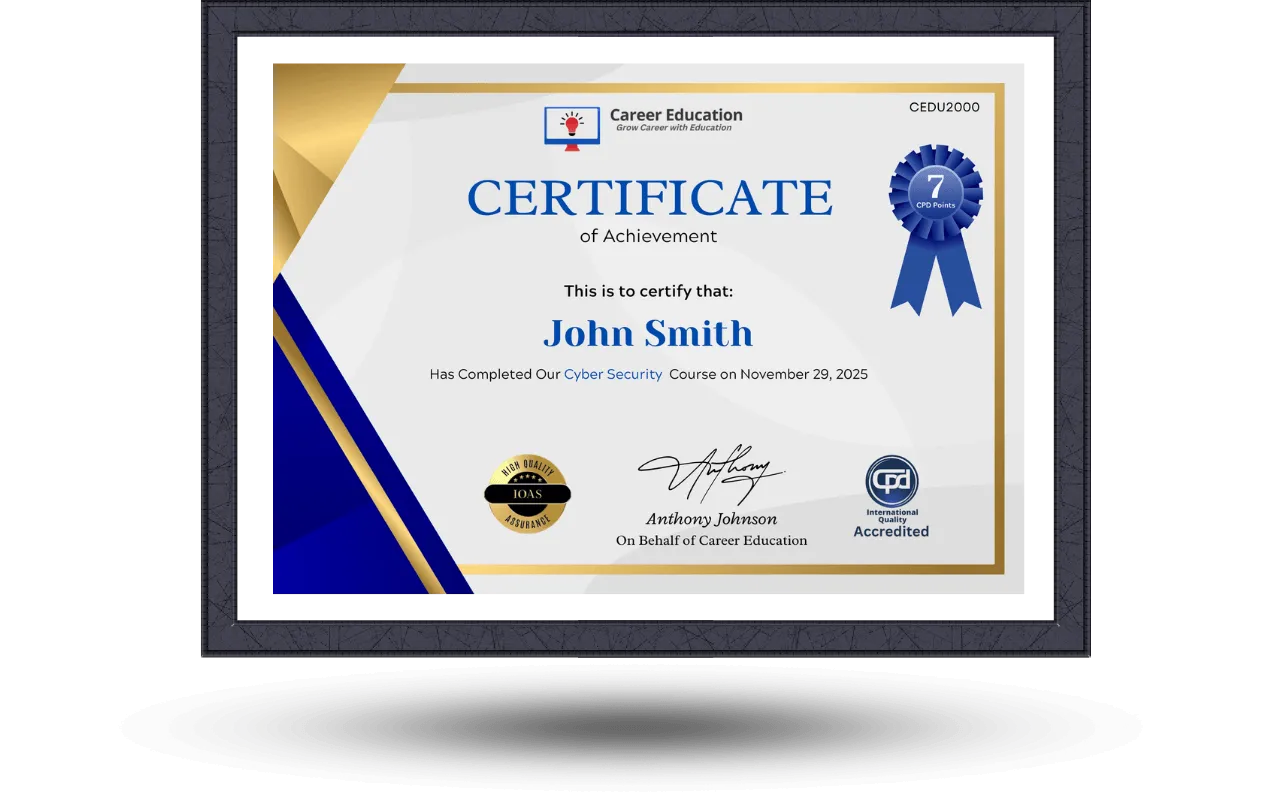
Earn an Accredited Certificate
Upon completion of any course, all students are entitled to a CPD IQ Accredited e-certificate that will be issued by Career Education signifying the completion of your course.
After you complete the course and assignment, you will be eligible to order a free certificate accredited by CPD International Quality by completing the form below.
Hardcopy certificates and transcripts are also available for a small additional fee. More information is disclosed upon course completion.




Frequently Asked Questions
The lifetime membership includes unlimited access to all courses, resources, and updates for a one-time fee.
You can purchase the membership directly from our website using a secure checkout process.
Yes, selected courses can be downloaded for offline access through our mobile app.
Yes, all future updates and new courses are included at no extra cost.
Yes, we offer a 30-day money-back guarantee if you are not satisfied with the membership.