OFF
Personal Finance for College Students
- Lifetime Access
- All Levels
- PDF Certificate
Learn With Confidence









Overview
Personal Finance for College Students: Build Smarter Money Habits for Your Future
College is an exciting stage of life filled with new opportunities, greater independence, and important decisions about the future. It is also a time when financial choices can have a lasting impact. Learning how to manage money effectively can help you make informed decisions about spending, borrowing, saving, investing, taxes, and earning an income.
Personal Finance for College Students is designed to help learners develop practical financial knowledge and skills they can apply throughout college and beyond. Instead of focusing only on financial theory, this course takes an outcome-focused approach to help you understand everyday money decisions and build a stronger foundation for long-term financial wellbeing.
Whether you are new to managing money independently, want to improve your financial habits, or are interested in learning how investing, credit, taxes, and entrepreneurship fit into your financial future, this course provides a structured introduction to the essential areas of personal finance.
Why Learn Personal Finance for College Students?
Managing finances can feel overwhelming when you are balancing education, living expenses, social activities, and plans for your future. Without a clear understanding of financial fundamentals, it can be easy to lose track of spending, rely too heavily on debt, misunderstand credit, or overlook opportunities to prepare for the future.
The Personal Finance for College Students course helps turn financial concepts into practical knowledge. You will explore how money works, how to make more thoughtful spending decisions, how credit can affect future opportunities, why investing matters, how taxes fit into financial planning, and how additional income streams can support your goals.
By completing the course, you can develop greater financial awareness and a more structured approach to making money-related decisions.
What Will You Learn?
Module 1: Introduction to Personal Finance
The first module establishes the foundation for understanding personal finance. You will explore key financial concepts and discover why effective money management is an important life skill.
You will learn about the different components of personal finance and how they connect with one another. From income and expenses to saving and financial goals, you will gain a clearer picture of how everyday decisions can influence your overall financial position.
This module is designed to help you become more confident when discussing and evaluating financial topics. Rather than viewing personal finance as something complicated or intimidating, you will begin to understand it as a collection of practical skills that can be developed over time.
By the end of this module, you can expect to have a stronger foundation for making informed financial decisions and thinking more intentionally about your short-term and long-term goals.
Module 2: Smart Spending and Debt Management
Knowing how much money you have is only part of financial management. Understanding how to use it wisely is equally important.
Module 2 focuses on smart spending and debt management, helping you examine the decisions that influence your day-to-day finances. You will explore ways to distinguish between essential and discretionary spending while developing a more thoughtful approach to managing available resources.
Debt is another major area of personal finance. This module introduces important concepts surrounding borrowing and debt management so you can better understand the potential responsibilities associated with taking on debt.
You will develop greater awareness of how spending choices and borrowing decisions can affect your financial goals. The knowledge gained in this module can help you approach financial commitments more carefully and avoid making decisions without considering their longer-term consequences.
The goal is not simply to spend less, but to understand the relationship between spending, financial priorities, and future plans.
Module 3: Building and Protecting Your Credit
Credit can play an important role in many areas of adult financial life. Understanding how credit works can help you make more informed decisions and recognize why responsible financial behavior matters.
In Module 3, you will explore the fundamentals of building and protecting credit. You will learn why credit history and credit-related decisions can matter when dealing with financial products and other major commitments.
The module also emphasizes responsible financial behavior and the importance of monitoring and protecting your financial information. Developing good credit habits is a long-term process, so understanding the principles early can give you a valuable foundation for the future.
By completing this module, you can gain a clearer understanding of credit and become better prepared to evaluate credit-related decisions with greater awareness.
Module 4: Investing for the Future
Saving money can help you prepare for future needs, while investing introduces another way of thinking about long-term financial growth. Module 4 provides an introduction to investing and explains why it can be an important component of long-term financial planning.
You will explore fundamental investment concepts and learn about the role of investing in building future financial resources. The module is designed to help you understand the basic principles behind investments rather than encouraging impulsive or uninformed decisions.
You will also develop a better understanding of why factors such as time, risk, diversification, and financial goals can matter when considering investments.
The objective is to give you a foundation that allows you to approach investing as an area that requires knowledge, research, and careful consideration. This understanding can help you become more financially aware as you move from college into the next stages of your life.
Module 5: Tax Essentials and Financial Planning
Taxes are an important part of financial life, yet they can often seem confusing when you first encounter them.
Module 5 introduces essential tax concepts and connects them with broader financial planning. You will develop a better understanding of why taxes matter and how they can affect income and financial decisions.
The module also looks at financial planning as a broader process. Rather than thinking about individual financial decisions in isolation, you will learn to consider how different areas of personal finance can work together.
You will explore the importance of setting financial objectives and considering future needs when making decisions today. This can help you develop a more organized approach to financial planning as your circumstances and responsibilities change.
By the end of this module, you can have a stronger foundation for understanding taxes and thinking strategically about your financial future.
Module 6: Entrepreneurship and Income Streams
A strong financial foundation is not only about managing expenses. Understanding how income can be generated and diversified can also be valuable.
Module 6 explores entrepreneurship and income streams, introducing learners to the idea of creating additional sources of income through entrepreneurial activities and other opportunities.
You will explore the fundamentals of entrepreneurship and consider how skills, ideas, and resources can potentially be developed into income-generating opportunities. The module encourages a practical and responsible approach to thinking about earning opportunities.
You will also gain greater awareness of why relying on a single source of income may not always be the only option to consider as your career develops. Building useful skills and understanding different approaches to earning can contribute to greater financial flexibility over time.
The purpose of this module is to broaden your perspective on income and encourage you to think creatively about how your knowledge and abilities could contribute to future financial goals.
Practical Outcomes of the Course
The Personal Finance for College Students course is designed around practical outcomes that extend beyond the classroom.
After completing the course, you can expect to be better prepared to:
-
Understand fundamental personal finance concepts.
-
Make more informed everyday spending decisions.
-
Recognize the potential impact of debt and borrowing.
-
Develop responsible credit habits.
-
Understand the basic principles of investing.
-
Consider risk and long-term goals when learning about investments.
-
Build greater awareness of taxes and their role in financial planning.
-
Set clearer financial priorities for the future.
-
Understand the fundamentals of entrepreneurship.
-
Explore different approaches to generating income.
-
Develop a more structured and informed approach to personal financial decisions.
These skills can become useful as you transition from college into employment, further education, independent living, and other stages of adulthood.
Build Financial Confidence Before You Need It
One of the biggest advantages of learning personal finance early is the opportunity to develop good habits before financial responsibilities become more complex.
As your circumstances change, you may encounter new financial decisions involving employment, housing, transportation, education, savings, investments, taxes, and other commitments. Having a foundation in personal finance can make these decisions easier to understand and evaluate.
Personal Finance for College Students gives you the opportunity to explore these topics in a structured learning environment. You can develop knowledge that supports more thoughtful decision-making rather than relying on guesswork or assumptions.
Financial education is not about predicting exactly what will happen in the future. It is about developing the knowledge and critical thinking skills needed to respond to different financial situations.
Turn Financial Knowledge Into a Lifelong Skill
Money management is a skill that can continue to develop throughout your life. The decisions you make during college may be relatively simple, but they can help establish habits that become increasingly valuable as your responsibilities grow.
This course brings together six important areas of financial education: personal finance fundamentals, smart spending and debt management, credit, investing, taxes and financial planning, and entrepreneurship.
Each module contributes to a broader understanding of how financial decisions connect. You will not simply learn individual concepts; you will begin to see how spending, debt, credit, investing, taxes, income, and planning can influence one another.
Who Can Benefit From This Course?
Personal Finance for College Students is suitable for learners who want to build their financial knowledge and become more confident when dealing with everyday money topics.
It can be particularly useful for:
-
College students seeking practical financial knowledge.
-
Learners preparing for greater financial independence.
-
Beginners who want an introduction to personal finance.
-
Students interested in understanding credit and debt.
-
Learners curious about investing and long-term financial planning.
-
Individuals interested in entrepreneurship and additional income opportunities.
-
Anyone who wants to develop stronger financial awareness for the future.
No matter where you are starting from, the course provides a structured pathway through essential personal finance topics.
Start Building a Stronger Financial Foundation
Financial decisions are part of everyday life, and the ability to understand those decisions can become one of your most valuable practical skills. By learning the fundamentals early, you can approach financial opportunities and responsibilities with greater knowledge and awareness.
Personal Finance for College Students provides a comprehensive introduction to the principles that can help you understand your money, make informed choices, and prepare for future financial responsibilities.
From understanding personal finance fundamentals and managing spending to exploring credit, investing, taxes, entrepreneurship, and income streams, this course gives you a broad foundation for developing lifelong financial skills.
Start learning Personal Finance for College Students today and take a meaningful step toward becoming more financially informed, prepared, and confident about the decisions that shape your future.
Course Modules
Course Content
Module 1_ Introduction to Personal Finance.
-
Lesson 1_ Introduction to Personal Finance.
Module 2_ Smart Spending and Debt Management.
Module 3_ Building and Protecting Your Credit.
Module 4_ Investing for the Future.
Module 5_ Tax Essentials and Financial Planning.
Module 6_ Entrepreneurship and Income Streams.
What our students say

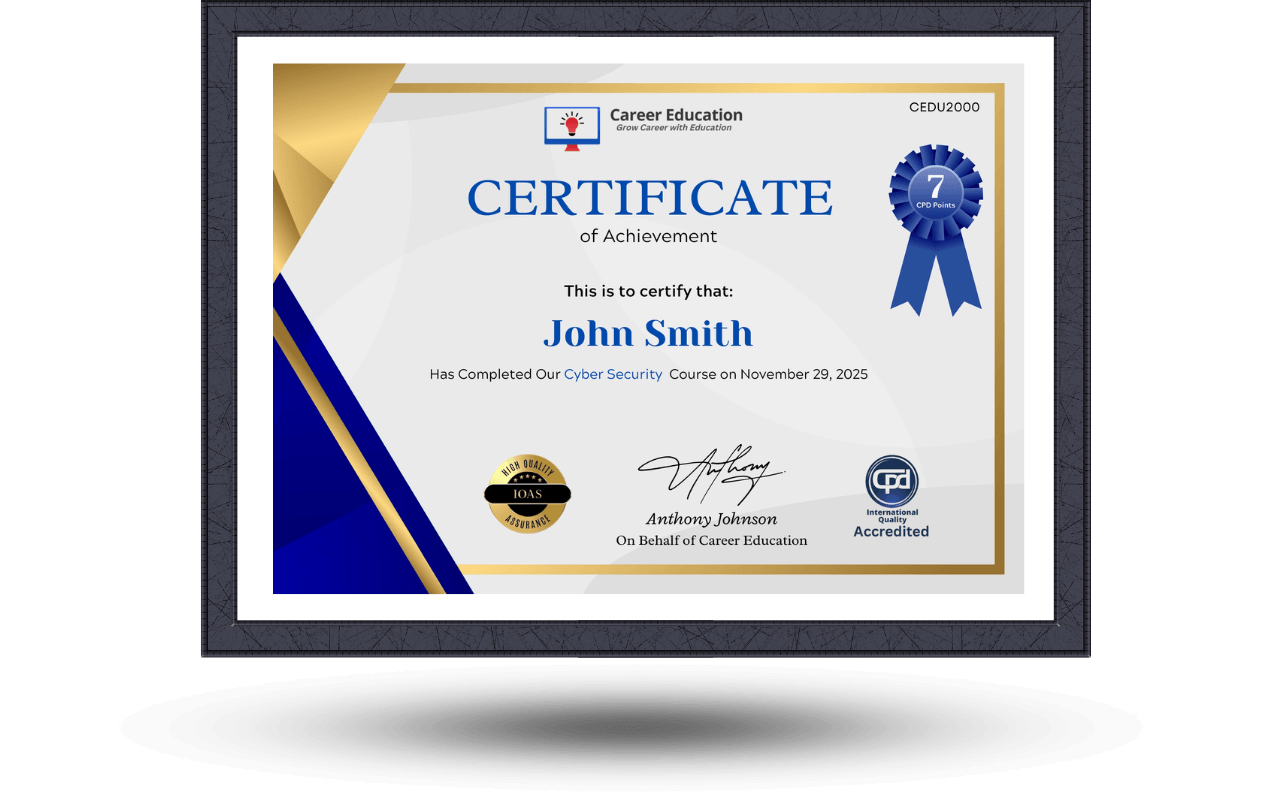
Earn an Accredited Certificate
Upon completion of the course, an e-certificate will be downloadable from Khan Education signifying the completion of your course. But, the course is CPD Accredited and after you complete the assignment, you will be eligible to order a certificate accredited by CPD International Quality for £5.99 only. If you want a hardcopy certificate accredited by CPD IQ, you can get it for only £15.99.
Get your CertificateSimilar Courses