
94%
OFF
OFF
Creative Thinking and Innovation Skills
- Lifetime Access
- All Levels
- PDF Certificate
£296
£19
14-Day Money-Back Guarantee
Learn With Confidence









Creative Thinking and Innovation Skills
Overview
Creative Thinking and Innovation Skills have become essential capabilities in today’s rapidly changing professional and personal environments. Organisations across industries are constantly seeking new ideas, improved processes, innovative solutions, and individuals who can approach challenges with curiosity and flexibility. Whether in business, education, technology, healthcare, entrepreneurship, or everyday decision-making, the ability to think creatively and transform ideas into practical solutions is a valuable advantage.
The Creative Thinking and Innovation Skills course is designed to help learners understand how creativity works, develop innovative approaches to problem-solving, and apply structured techniques for generating, evaluating, and implementing ideas. Creativity is no longer viewed as a skill limited to artists, designers, or inventors. It is a practical ability that can be developed by anyone who wants to improve their thinking, adapt to change, and create meaningful improvements in their work and life.
Many professionals face challenges such as finding fresh solutions to complex problems, overcoming traditional ways of thinking, encouraging innovation within teams, and making effective decisions in uncertain situations. Without strong creative thinking abilities, individuals and organisations may struggle to adapt, compete, and identify new opportunities. Developing innovation skills enables learners to explore different perspectives, challenge assumptions, and create approaches that deliver real value.
This course explores the foundations of creative thinking, the cognitive processes behind creativity, creative problem-solving methods, workplace innovation, design thinking principles, and practical creativity techniques. Learners will also discover how communication, decision-making, and overcoming mental barriers influence the ability to develop innovative ideas.
Through a combination of theory and practical application, Creative Thinking and Innovation Skills helps learners build confidence in their ability to think differently and approach challenges more effectively. The course provides valuable knowledge for anyone looking to improve personal effectiveness, enhance professional performance, support organisational growth, or develop innovative solutions in their chosen field.
By completing this course, learners can develop a stronger understanding of creativity, innovation processes, and human-centred approaches to creating solutions. They will gain practical strategies that can be applied in workplaces, projects, teams, and personal development activities.
As industries continue to evolve and new challenges emerge, creative thinkers are increasingly valued for their ability to generate ideas, solve problems, and contribute to positive change. This course provides the knowledge and tools needed to strengthen these abilities and prepare learners to approach the future with confidence and innovation.
Course Description
The Creative Thinking and Innovation Skills course provides a comprehensive exploration of how individuals and organisations can develop creativity, encourage innovation, and apply effective thinking strategies to solve problems and create opportunities. Designed for learners from a wide range of backgrounds, this course explains the principles behind creative thinking and demonstrates how innovative approaches can be used in professional environments and everyday situations.
Creativity plays a vital role in modern workplaces where organisations must respond to changing customer expectations, technological developments, market competition, and complex challenges. Employers increasingly value individuals who can contribute fresh ideas, identify improvements, and support innovation initiatives. Developing creative thinking abilities allows professionals to move beyond conventional approaches and discover more effective ways of working.
This course begins by introducing the foundations of creative thinking and exploring the relationship between creativity, imagination, curiosity, and innovation. Learners will discover how creative ideas are developed and how different thinking approaches can influence the quality of solutions. Understanding the creative process helps individuals recognise their own creative potential and build confidence in generating original ideas.
A key focus of the course is understanding the cognitive processes involved in creativity. Learners will explore how the brain processes information, makes connections, and develops new perspectives. This knowledge helps learners understand why certain environments encourage creativity while others may restrict innovative thinking. By recognising these influences, learners can create conditions that support better ideas and improved problem-solving.
The course also focuses on creative problem-solving methods that can be applied to real-world challenges. Learners will explore techniques for identifying problems, analysing situations, generating possible solutions, and selecting effective approaches. These skills are valuable across industries because professionals frequently need to respond to challenges with limited resources and changing circumstances.
Innovation within the workplace is another important area covered in this course. Learners will understand how organisations develop innovative cultures, encourage collaboration, and transform ideas into practical improvements. The course highlights the importance of teamwork, leadership support, and effective communication in building environments where creativity can thrive.
Learners will also explore design thinking and human-centred approaches, which focus on understanding people’s needs before creating solutions. These methods are widely used in business, technology, product development, and service improvement because they encourage empathy, experimentation, and continuous refinement.
Throughout the course, learners will develop practical knowledge of creative techniques and tools that can support idea generation and innovation. These methods can be applied to brainstorming sessions, strategic planning, project development, and personal decision-making. By practising different creativity techniques, learners can expand their ability to approach situations from multiple perspectives.
The course also examines creativity in communication, helping learners understand how innovative thinking improves collaboration, presentations, leadership, and relationship building. Effective communication is essential for turning creative ideas into shared understanding and gaining support from others.
In addition, learners will explore common barriers that prevent creativity, including fear of failure, limited thinking patterns, resistance to change, and organisational challenges. Understanding these barriers allows individuals to develop strategies for overcoming them and maintaining a more open and adaptable mindset.
Decision-making is another important element of creative thinking. The course explains how creativity can support better choices by encouraging exploration of alternatives, evaluating possibilities, and balancing innovation with practical considerations. Learners will discover how creative approaches can improve strategic thinking and professional judgement.
Finally, the course examines future trends in creativity and innovation, helping learners understand how changing technologies, new working methods, and evolving industries are influencing the way people think and create solutions.
By completing the Creative Thinking and Innovation Skills course, learners will develop valuable transferable skills that can enhance professional performance, support career development, and improve their ability to contribute innovative ideas. Whether learners are seeking personal growth, workplace advancement, entrepreneurial opportunities, or stronger problem-solving abilities, this course provides practical knowledge and strategies for developing a creative and innovative mindset.
The following modules provide a structured learning journey, guiding learners from the fundamentals of creativity through to advanced innovation approaches and future developments.
What You Will Learn in Creative Thinking and Innovation Skills
Module 1: Introduction to Creative Thinking
Creative thinking is the foundation of innovation, problem-solving, and continuous improvement. This module introduces learners to the principles of creativity and explores how creative thinking influences the way individuals identify opportunities, develop ideas, and respond to challenges. Creativity is not simply about artistic ability or producing completely new concepts; it is the ability to view situations from different perspectives, make meaningful connections, and develop valuable solutions.
This module helps learners understand the importance of developing a creative mindset in both personal and professional environments. In modern workplaces, individuals are often required to adapt quickly, overcome uncertainty, and contribute ideas that improve products, services, processes, and experiences. Understanding how creativity works allows learners to become more confident in their ability to generate original ideas and approach problems with curiosity.
Learners will explore different types of creativity, including individual creativity, collaborative creativity, and organisational creativity. The module examines the relationship between imagination, curiosity, knowledge, and innovation, showing how these elements combine to support creative outcomes. It also introduces key principles that encourage creative thinking, such as questioning assumptions, exploring alternatives, and remaining open to new possibilities.
The module highlights the difference between traditional thinking approaches and creative approaches. While conventional thinking often focuses on existing methods and established solutions, creative thinking encourages experimentation, exploration, and the consideration of new perspectives. Learners will understand how adopting flexible thinking patterns can lead to improved decision-making and more effective solutions.
This knowledge provides the foundation for later modules by helping learners recognise their creative potential and understand the role creativity plays in innovation, workplace improvement, and professional success.
After completing this module you will be able to:
-
Understand the meaning and importance of creative thinking
-
Explain how creativity contributes to innovation and problem-solving
-
Recognise different forms of creativity in personal and professional settings
-
Develop a mindset that supports curiosity and exploration
-
Identify the connection between creativity, imagination, and innovation
-
Understand the benefits of creative approaches in the workplace
-
Challenge traditional thinking patterns and explore new perspectives
-
Recognise how creative thinking skills can be developed over time
Module 2: Cognitive Processes and Creativity
Creativity begins with the way the mind processes information, forms connections, and generates new ideas. This module explores the cognitive processes behind creative thinking and helps learners understand how the brain supports imagination, innovation, and problem-solving.
Understanding the relationship between cognition and creativity enables learners to recognise how thoughts, experiences, knowledge, and environmental factors influence creative performance. Creativity often develops when individuals combine existing information in new ways, identify patterns, and make connections between seemingly unrelated concepts.
This module examines how perception, memory, attention, and mental flexibility contribute to creative thinking. Learners will explore how previous experiences influence ideas and how expanding knowledge can improve the ability to generate innovative solutions. The module also highlights the importance of curiosity and continuous learning in developing stronger creative abilities.
Learners will discover the stages of the creative process, including preparation, idea generation, reflection, and refinement. Understanding these stages helps individuals approach creativity in a structured way rather than relying only on spontaneous inspiration. This approach is particularly valuable in professional environments where innovation needs to be planned, developed, and applied effectively.
The module also explores the influence of mindset on creativity. Fixed thinking patterns can limit innovation, while flexible and growth-oriented approaches encourage experimentation and improvement. Learners will understand how overcoming mental limitations can increase confidence and improve creative performance.
By developing awareness of cognitive processes, learners can create better conditions for creativity and apply these insights to workplace challenges, personal projects, and collaborative activities.
After completing this module you will be able to:
-
Explain how cognitive processes influence creativity
-
Understand how the brain generates and develops ideas
-
Identify factors that encourage or restrict creative thinking
-
Recognise the importance of curiosity and continuous learning
-
Apply knowledge of creative thinking processes to practical situations
-
Understand the stages involved in developing creative ideas
-
Develop strategies for improving mental flexibility
-
Use awareness of cognitive patterns to support innovation
Module 3: Creative Problem Solving
Creative problem solving is a structured approach that combines analytical thinking with imagination to address challenges effectively. This module introduces learners to methods for identifying problems, exploring possibilities, and developing innovative solutions that create practical value.
Many workplace and personal challenges cannot be solved through traditional methods alone. Complex situations often require individuals to analyse problems from different viewpoints, understand underlying causes, and consider alternative solutions. Creative problem-solving skills enable learners to move beyond immediate answers and develop approaches that are more effective and sustainable.
This module explores the stages of creative problem solving, including identifying challenges, gathering information, generating ideas, evaluating options, and implementing solutions. Learners will understand the importance of clearly defining problems before attempting to solve them, as inaccurate problem identification can lead to ineffective outcomes.
The module introduces techniques that support idea generation, such as brainstorming, questioning methods, mind mapping, and exploring different perspectives. Learners will discover how these approaches encourage diverse ideas and help teams work collaboratively towards solutions.
A key focus of this module is balancing creativity with practicality. Innovative ideas must not only be original but also achievable, relevant, and valuable. Learners will explore methods for assessing ideas, considering potential risks, and selecting solutions that align with objectives.
The module also examines common mistakes in problem solving, such as focusing too quickly on one solution, ignoring alternative viewpoints, or failing to consider user needs. By understanding these challenges, learners can improve their ability to approach problems strategically.
This module builds upon the creative foundations introduced earlier by transforming creative thinking concepts into practical problem-solving skills that can be applied across industries and professional environments.
After completing this module you will be able to:
-
Understand the principles of creative problem solving
-
Identify problems accurately before developing solutions
-
Apply structured methods for generating ideas
-
Use brainstorming and creative techniques effectively
-
Evaluate different solutions based on practical requirements
-
Approach challenges from multiple perspectives
-
Avoid common problem-solving mistakes
-
Develop innovative solutions for workplace and personal challenges
Module 4: Innovation in the Workplace
Innovation in the workplace involves transforming creative ideas into practical improvements that create value for organisations, employees, and customers. This module explores how businesses develop innovative cultures, encourage collaboration, and implement new approaches to improve performance.
Learners will understand the role of creativity in organisational growth and how innovation can improve products, services, processes, and workplace experiences. The module also examines the importance of leadership support, teamwork, and communication in creating environments where new ideas can succeed.
Learners will explore real-world innovation practices and understand how organisations identify opportunities, manage change, and encourage employees to contribute creative solutions.
After completing this module you will be able to:
-
Understand the importance of innovation in modern workplaces
-
Identify factors that support an innovative culture
-
Recognise how creativity improves organisational performance
-
Apply innovation principles to workplace challenges
-
Understand the role of collaboration in successful innovation
-
Support continuous improvement initiatives
-
Identify barriers that can limit workplace innovation
Module 5: Design Thinking and Human-Centred Approaches
Design thinking is a problem-solving approach that focuses on understanding people’s needs and creating solutions based on real experiences. This module introduces learners to human-centred methods used by organisations to develop effective products, services, and improvements.
Learners will explore key stages of design thinking, including understanding users, defining challenges, generating ideas, testing solutions, and improving outcomes. The module highlights the importance of empathy, experimentation, and feedback when developing innovative solutions.
These approaches are widely used across business, technology, education, healthcare, and service industries to create meaningful improvements.
After completing this module you will be able to:
-
Understand the principles of design thinking
-
Apply human-centred approaches to problem solving
-
Identify user needs and expectations
-
Develop ideas through structured creative processes
-
Use feedback to improve solutions
-
Understand the importance of testing and refinement
-
Apply design thinking methods in professional settings
Module 6: Creative Techniques and Tools
Creative techniques provide practical methods for generating ideas, improving thinking processes, and encouraging innovation. This module introduces learners to tools that support individual and team creativity.
Learners will explore methods such as brainstorming, mind mapping, lateral thinking, and other idea-generation techniques. These tools help individuals overcome limited thinking patterns and discover new possibilities when approaching challenges.
The module focuses on applying creativity techniques in practical situations, including project development, planning, decision-making, and workplace improvement.
After completing this module you will be able to:
-
Use practical tools to improve creative thinking
-
Generate and develop new ideas effectively
-
Apply creativity techniques in professional situations
-
Encourage collaborative idea generation
-
Improve brainstorming and innovation sessions
-
Select suitable creative methods for different challenges
Module 7: Creativity in Communication
Creative communication helps individuals share ideas clearly, influence others, and collaborate effectively. This module explores how creativity improves presentations, teamwork, leadership, and professional relationships.
Learners will understand how storytelling, visual thinking, and innovative communication methods can make ideas more engaging and easier to understand. The module also highlights the importance of adapting communication styles for different audiences.
After completing this module you will be able to:
-
Understand the connection between creativity and communication
-
Present ideas more effectively
-
Use creative approaches to engage audiences
-
Improve collaboration through better communication
-
Adapt messages for different situations
-
Build confidence when sharing innovative ideas
Module 8: Overcoming Barriers to Creativity
Creative thinking can be limited by fear of failure, fixed assumptions, lack of confidence, or resistance to change. This module explores common barriers that prevent innovation and provides strategies for developing a more open and flexible mindset.
Learners will discover how to recognise limiting behaviours and create conditions that encourage experimentation, learning, and continuous improvement.
After completing this module you will be able to:
-
Identify common barriers to creativity
-
Develop strategies for overcoming creative limitations
-
Build confidence in generating ideas
-
Encourage a growth-oriented mindset
-
Respond positively to change and uncertainty
-
Create environments that support innovation
Module 9: Creativity and Decision-Making
Creative thinking plays an important role in effective decision-making by helping individuals explore alternatives, evaluate possibilities, and find better solutions. This module examines how creativity can improve judgement and strategic thinking.
Learners will explore ways to combine creative ideas with logical evaluation to make balanced decisions in professional and personal situations.
After completing this module you will be able to:
-
Understand how creativity supports decision-making
-
Explore different options before making decisions
-
Balance innovation with practical considerations
-
Improve strategic thinking skills
-
Evaluate ideas effectively
-
Make more informed choices
Module 10: Future Trends in Creativity
The future of creativity is shaped by changing technologies, evolving workplaces, and new approaches to innovation. This module explores emerging trends and how individuals can continue developing creative abilities in a changing world.
Learners will consider the importance of adaptability, lifelong learning, and innovation skills for future personal and professional success.
After completing this module you will be able to:
-
Understand future developments in creativity and innovation
-
Recognise emerging trends affecting creative work
-
Adapt creative skills to changing environments
-
Continue developing innovative thinking abilities
-
Understand the importance of lifelong learning
-
Prepare for future workplace challenges
Who Is This Course For?
The Creative Thinking and Innovation Skills course is suitable for anyone who wants to improve their ability to generate ideas, solve problems, and approach challenges more effectively.
Beginners:
Ideal for learners who want to develop creativity skills from the ground up and understand how innovative thinking can be applied in everyday situations.
Students:
Helps students improve critical thinking, project work, research approaches, and problem-solving abilities.
Professionals:
Useful for employees who want to contribute new ideas, improve workplace performance, and strengthen career skills.
Managers and Supervisors:
Supports leaders in developing innovative teams, encouraging collaboration, and managing change effectively.
Business Owners and Entrepreneurs:
Provides valuable techniques for identifying opportunities, improving processes, and developing creative business solutions.
Freelancers and Consultants:
Helps professionals offer more innovative approaches and deliver greater value to clients.
Educators:
Supports teachers and trainers in developing creative learning methods and encouraging innovation among learners.
Career Changers and Job Seekers:
Provides transferable skills that are valued across many industries and professional roles.
Lifelong Learners:
Suitable for anyone interested in personal development and improving their ability to think creatively.
Requirements
No previous experience in creativity, innovation, or design thinking is required to complete the Creative Thinking and Innovation Skills course.
Learners only need:
-
An interest in developing creative abilities
-
A computer, tablet, or smartphone
-
A reliable internet connection
-
Basic digital skills
-
A willingness to learn and explore new ideas
The course is designed to be accessible for learners from different backgrounds and provides step-by-step guidance throughout the learning journey.
Career Path
The Creative Thinking and Innovation Skills course develops transferable abilities that are valuable across many industries. Creative problem-solving, innovation, adaptability, and idea development are increasingly important skills for professionals who want to improve performance and contribute meaningful solutions.
Innovation Specialist
Innovation specialists help organisations identify opportunities, develop new ideas, and improve existing processes. They support innovation projects, research trends, and encourage creative approaches to workplace challenges.
Career applications include:
-
Developing improvement strategies
-
Supporting innovation programmes
-
Analysing opportunities for growth
-
Helping teams implement new ideas
Business Consultant
Business consultants use creative thinking and problem-solving skills to help organisations improve performance. They analyse challenges, recommend solutions, and support strategic decision-making.
Career applications include:
-
Solving business challenges
-
Developing creative strategies
-
Improving operational processes
-
Advising organisations on change
Project Manager
Project managers benefit from creativity when planning projects, managing challenges, and finding effective solutions. Innovation skills help them adapt to changing requirements and improve project outcomes.
Career applications include:
-
Managing creative projects
-
Solving unexpected problems
-
Encouraging teamwork
-
Improving project efficiency
Entrepreneur
Entrepreneurs rely on creative thinking to identify opportunities, develop products or services, and build successful ventures.
Career applications include:
-
Generating business ideas
-
Creating innovative solutions
-
Understanding customer needs
-
Adapting to market changes
Marketing and Communications Professional
Creative thinking supports professionals who develop campaigns, communicate ideas, and engage audiences effectively.
Career applications include:
-
Creating engaging content
-
Developing marketing strategies
-
Understanding customer behaviour
-
Improving brand communication
Team Leader or Manager
Managers with strong innovation skills can create workplaces where employees feel encouraged to share ideas and improve processes.
Career applications include:
-
Leading creative teams
-
Supporting workplace innovation
-
Encouraging collaboration
-
Managing change effectively
Freelancing and Consulting Opportunities
Creative thinking skills can support freelance careers in consulting, training, marketing, content development, strategy, and innovation support. Professionals can use these abilities to provide valuable solutions to clients and organisations.
Continuing Professional Development
Creativity and innovation skills support long-term career growth by helping individuals remain adaptable, confident, and prepared for changing workplace demands.
Frequently Asked Questions
1. What is Creative Thinking and Innovation Skills?
Creative Thinking and Innovation Skills is a course designed to help learners understand how creativity works and how innovative thinking can be applied to solve problems, generate ideas, and improve outcomes. The course explores creative processes, workplace innovation, design thinking, communication, decision-making, and practical creativity techniques.
Learners develop the ability to approach challenges from different perspectives, identify opportunities, and create effective solutions. These skills are valuable in professional environments where organisations need individuals who can adapt, collaborate, and contribute new ideas.
2. Who should take this course?
This course is suitable for beginners, students, professionals, managers, entrepreneurs, freelancers, educators, and anyone interested in improving their creative abilities.
It is particularly useful for individuals who want to develop stronger problem-solving skills, improve workplace performance, support innovation projects, or build confidence when generating ideas.
No specific professional background is required, making it suitable for learners from a wide range of industries and career stages.
3. Is previous experience required?
No previous experience in creativity, innovation, or design thinking is required. The course is designed to introduce concepts step by step, making it suitable for beginners.
Learners only need an interest in developing new skills, basic digital knowledge, and a willingness to explore different approaches to thinking and problem-solving.
4. What will I learn from this course?
Learners will explore creative thinking principles, cognitive processes behind creativity, problem-solving methods, workplace innovation, design thinking, creativity tools, communication strategies, and future trends.
The course focuses on practical skills that can be applied in professional and personal situations.
5. How long does the course take?
The completion time depends on the learner’s pace and study schedule. Since the course is designed for flexible learning, participants can progress through the modules according to their own availability.
Learners can review concepts, practise techniques, and apply creative methods at a comfortable pace.
6. Can beginners complete this course?
Yes. The Creative Thinking and Innovation Skills course is suitable for beginners. It starts with fundamental concepts and gradually introduces more advanced ideas, allowing learners to build confidence throughout the course.
7. How does this course help my career?
Creative thinking and innovation skills are valuable across many industries. They help professionals solve problems, contribute ideas, adapt to change, and improve workplace performance.
These abilities can support career progression in management, consulting, entrepreneurship, marketing, education, and many other fields.
8. Will I receive a certificate?
Certificate availability depends on the training provider’s certification policy. Learners should check the course provider’s information for specific details regarding completion certificates.
9. Can I study at my own pace?
Yes. The course is designed to support flexible learning, allowing learners to study when convenient and progress through the content according to their individual schedule.
10. Why should I choose this course?
The Creative Thinking and Innovation Skills course provides practical knowledge and techniques for developing stronger creativity, problem-solving abilities, and innovation skills.
By completing this course, learners can improve their confidence, expand their professional capabilities, and gain valuable skills that support personal development and career growth.
Start Developing Your Creative Potential Today
The ability to think creatively, solve problems effectively, and develop innovative solutions is valuable in today’s changing world. The Creative Thinking and Innovation Skills course provides practical strategies to help learners strengthen these abilities and apply them in real situations.
Whether you want to improve your professional performance, explore new opportunities, or develop a more innovative mindset, this course offers the knowledge and tools to support your goals.
Enrol today and begin building the creative thinking skills needed to approach challenges with confidence and create meaningful solutions for the future.
Course Modules
Course Content
Module 1_ Introduction to Creative Thinking
-
Lesson 1_ Introduction to Creative Thinking
Module 2_ Cognitive Processes and Creativity
Module 3_ Creative Problem Solving
Module 4_ Innovation in the Workplace
Module 5_ Design Thinking and Human-Centred Approaches
Module 6_ Creative Techniques and Tools
Module 7_ Creativity in Communication
Module 8_ Overcoming Barriers to Creativity
Module 9_ Creativity and Decision-Making
Module 10_ Future Trends in Creativity
What our students say
Excellent
4.9 average
158 Reviews

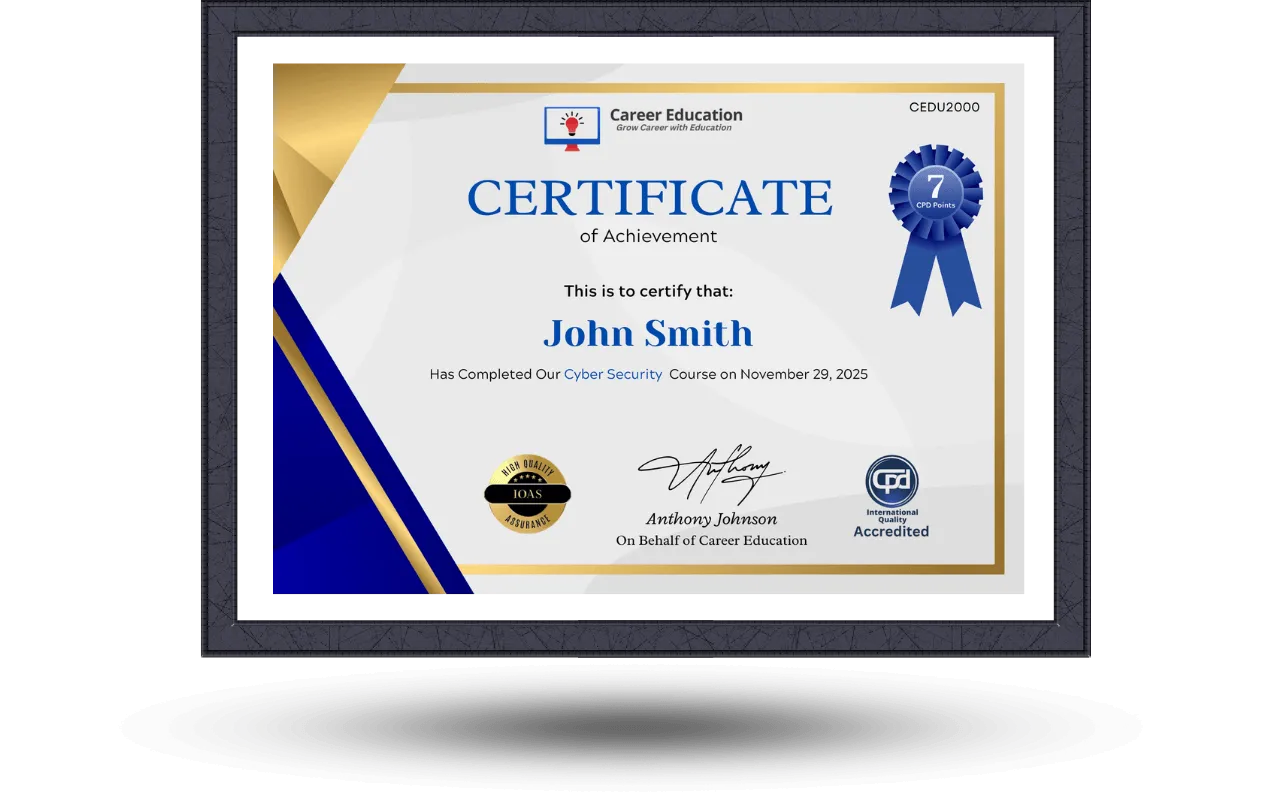
Earn an Accredited Certificate
Upon completion of any course, all students are entitled to a CPD IQ Accredited e-certificate that will be issued by Career Education signifying the completion of your course.
After you complete the course and assignment, you will be eligible to order a free certificate accredited by CPD International Quality by completing the form below.
Hardcopy certificates and transcripts are also available for a small additional fee. More information is disclosed upon course completion.
Similar Courses




Frequently Asked Questions
The lifetime membership includes unlimited access to all courses, resources, and updates for a one-time fee.
You can purchase the membership directly from our website using a secure checkout process.
Yes, selected courses can be downloaded for offline access through our mobile app.
Yes, all future updates and new courses are included at no extra cost.
Yes, we offer a 30-day money-back guarantee if you are not satisfied with the membership.