94%
OFF
OFF
Online Media Studies and Journalism Course
- Lifetime Access
- All Levels
- PDF Certificate
£296
£19
14-Day Money-Back Guarantee
Learn With Confidence




Online Media Studies and Journalism Course
In today’s fast-moving digital world, news, information, and public opinion can spread across websites, social media platforms, online publications, podcasts, and other media channels within seconds. This creates exciting opportunities for aspiring journalists and media professionals, while also increasing the need for people who understand how information is gathered, assessed, presented, and interpreted.
The Online Media Studies and Journalism Course is designed to help learners build a practical understanding of modern media and journalism. It explores the foundations of media studies, news gathering and reporting, journalistic ethics, reporting techniques, critical analysis, and professional responsibility. By developing these skills, learners can become more confident in researching information, assessing media content, communicating ideas clearly, and understanding the wider impact of journalism.
Whether you are considering a career in journalism, interested in digital media, looking to strengthen your communication skills, or simply want to understand how news and media work, this course provides a structured learning experience focused on useful knowledge and practical outcomes.
Why Study the Online Media Studies and Journalism Course?
Journalism is no longer limited to traditional newspapers, television, and radio. Digital transformation has created a media environment where information can be published and consumed almost instantly. Journalists and media professionals need to understand not only how to report a story but also how to identify reliable information, consider different perspectives, follow ethical principles, and communicate responsibly.
The Online Media Studies and Journalism Course introduces learners to these essential areas in a clear and accessible way. It can help you develop an informed approach to media content and understand the processes involved in producing responsible journalism.
By completing the course, you can work towards outcomes such as:
-
Understanding the fundamental principles of media studies and journalism
-
Developing knowledge of how news is gathered and reported
-
Recognising the importance of journalistic ethics and professional responsibility
-
Learning techniques and strategies used in media journalism
-
Developing stronger critical analysis and interpretation skills
-
Understanding how media content can influence audiences and public discussion
-
Becoming more confident when evaluating news and media sources
-
Building transferable research, communication, analytical, and writing skills
What Will You Learn?
The course consists of six modules that cover key areas of media studies and journalism. Each module contributes to a broader understanding of how journalism operates and how media professionals can approach their responsibilities effectively.
Module 1: Introduction to Media Studies Journalism
The first module provides a foundation in media studies and journalism. It introduces learners to the role of journalism within society and explores the broader media environment in which journalists operate.
You will develop an understanding of the purpose of journalism, different forms of media, and the ways in which information is communicated to audiences. This foundation can help you recognise how traditional and digital media differ while also understanding the continuing importance of accurate and responsible reporting.
The module establishes the knowledge needed for the rest of the course and helps learners develop a stronger awareness of the relationship between media, journalism, audiences, and society.
Module 2: News Gathering and Reporting in Media Studies Journalism
Effective journalism begins with gathering relevant and reliable information. The second module focuses on news gathering and reporting, helping learners understand the processes involved in developing information into a news story.
You will explore the importance of research, information collection, source evaluation, and accurate reporting. Understanding these principles can help you approach stories more systematically and recognise why journalists need to verify information before presenting it to an audience.
The module also helps develop awareness of how reporting decisions can affect the way a story is understood. By learning about news gathering and reporting, you can build a stronger foundation for producing clear, informative, and well-supported media content.
Module 3: Ethics and Responsibilities in Media Studies Journalism
Journalism carries significant responsibilities. The information presented by journalists can influence public understanding, opinions, and decisions, making ethical conduct an essential part of professional practice.
This module explores the ethical considerations that journalists and media professionals should take into account. You will develop an understanding of the importance of accuracy, fairness, accountability, integrity, and responsible communication.
The module can help you recognise ethical challenges that may arise during the reporting process and understand why professional standards matter. This knowledge is particularly valuable in an environment where misinformation and rapidly circulating online content can make it difficult for audiences to distinguish reliable reporting from misleading information.
Module 4: Techniques and Strategies for Media Studies Journalism
Strong journalism requires more than simply collecting information. Journalists need effective techniques for researching, organising, analysing, and communicating information to their intended audience.
The fourth module focuses on techniques and strategies relevant to media studies journalism. You will explore approaches that can help improve the quality and effectiveness of journalistic work.
By studying different techniques and strategies, you can become more confident in approaching journalistic tasks and communicating information in a structured way. These skills can also support broader professional development in areas involving research, content creation, communications, and digital media.
Module 5: Critical Analysis and Interpretation in Media Studies Journalism
Media audiences are exposed to a huge amount of information every day. Being able to analyse and interpret media content critically is therefore an increasingly valuable skill.
This module focuses on critical analysis and interpretation. You will develop an understanding of how to examine media content, consider different perspectives, identify important themes, and evaluate the way information is presented.
Critical thinking can help you move beyond simply accepting information at face value. It can support a more informed approach to evaluating sources, understanding media messages, and considering how context and presentation may influence audience interpretation.
These skills are useful not only for journalism but also for education, communications, research, content development, and everyday engagement with digital information.
Module 6: Ethics and Responsibility in Media Studies Journalism
The final module reinforces the importance of ethics and responsibility within journalism. It provides an opportunity to develop a deeper appreciation of the professional responsibilities associated with creating and distributing media content.
You will explore why responsible journalism requires careful consideration of accuracy, fairness, accountability, and the potential consequences of published information. The module encourages learners to understand journalism as a profession in which communication skills must be combined with sound judgement and professional awareness.
By completing this module, you can strengthen your understanding of responsible media practice and apply the principles explored throughout the course to your broader understanding of journalism.
Develop Practical Journalism and Media Skills
The Online Media Studies and Journalism Course is designed to help learners develop skills that extend beyond theoretical knowledge. Journalism involves research, communication, judgement, analysis, and responsibility, and these abilities can be valuable across a range of professional settings.
Through the course, you can develop your ability to:
Research information effectively: Understanding news gathering can help you approach information collection in a more organised and purposeful way.
Evaluate media content: Critical analysis skills can help you assess the reliability, perspective, and presentation of different forms of media.
Communicate information clearly: Journalism requires information to be presented in ways that audiences can understand, making communication an important transferable skill.
Recognise ethical considerations: Learning about journalistic ethics can help you make more informed decisions when dealing with information and media content.
Analyse different perspectives: Media stories can involve multiple viewpoints, and critical interpretation can help you consider information from a broader perspective.
Understand media responsibility: The course helps you appreciate the potential impact of journalism and the importance of responsible communication.
Who Can Benefit from This Course?
The Online Media Studies and Journalism Course can be suitable for a variety of learners with an interest in journalism and media.
It may be particularly useful for:
-
Beginners interested in exploring journalism
-
Aspiring journalists and reporters
-
Learners interested in digital and online media
-
Students looking to develop media-related knowledge
-
Content creators seeking stronger research and analysis skills
-
Professionals interested in communication and media
-
Individuals interested in understanding how news is produced
-
Anyone wanting to develop their critical approach to media content
You do not need to be an experienced journalist to benefit from studying the fundamentals. The course provides a structured introduction that can help learners build their knowledge progressively.
Build Confidence for Further Learning and Career Development
Studying journalism can provide a useful foundation for further learning in areas such as media, communications, digital publishing, content creation, public relations, broadcasting, and related fields.
The skills developed through the course can also have broader applications. Research, critical thinking, communication, information evaluation, and ethical awareness are valuable abilities in many modern workplaces.
For learners considering a future in media, the course can help provide a clearer understanding of what journalism involves and the responsibilities associated with producing information for public audiences. For those already interested in communications or digital content, it can provide additional knowledge that supports their professional development.
Learn About Journalism in a Digital Media Environment
The modern media landscape continues to evolve. Online platforms have changed how people discover, consume, and share news. At the same time, journalists must navigate challenges involving information quality, competing perspectives, audience expectations, and professional responsibility.
The Online Media Studies and Journalism Course helps learners understand these core concepts while developing skills that can be applied to the wider media environment.
Rather than focusing solely on the production of news, the course encourages learners to consider the complete process—from understanding media and gathering information to reporting, analysing content, and recognising professional responsibilities.
This broader perspective can help you become a more informed and capable participant in the media environment.
Develop a Stronger Understanding of Responsible Journalism
Responsible journalism depends on more than getting information published. It requires consideration of whether information is accurate, how it is presented, what sources support it, and what effect it may have on audiences.
The course places significant emphasis on ethics, responsibility, and critical thinking. These areas can help learners understand why professional judgement is an important part of journalism.
By combining knowledge of reporting with an understanding of ethical principles and critical analysis, you can develop a more balanced approach to media and journalism.
Start Your Learning Journey Today
The Online Media Studies and Journalism Course offers a structured introduction to essential concepts in media studies and journalism. Across six modules, you will explore the foundations of journalism, news gathering and reporting, ethical responsibilities, journalistic techniques, critical analysis, interpretation, and responsible media practice.
By the end of the course, you can have a stronger understanding of how journalism works, how media content can be evaluated, and why accuracy, ethics, and responsibility matter in professional communication.
If you want to expand your knowledge of journalism, develop transferable media skills, or prepare yourself for further learning in the field, the Online Media Studies and Journalism Course can provide a valuable starting point.
Enrol today and take the next step towards developing your knowledge, confidence, and practical understanding of modern media and journalism.
Course Modules
Course Content
Module 1_ Introduction to Media Studies Journalism
-
Lesson 1_ Introduction to Media Studies Journalism
Module 2_ News Gathering and Reporting in Media Studies Journalism
Module 3_ Ethics and Responsibilities in Media Studies Journalism
Module 4_ Techniques and Strategies for Media Studies Journalism
Module 5_ Critical Analysis and Interpretation in Media Studies Journalism
Module 6_ Ethics and Responsibility in Media Studies Journalism
What our students say
Excellent
4.9 average
158 Reviews

Earn an Accredited Certificate
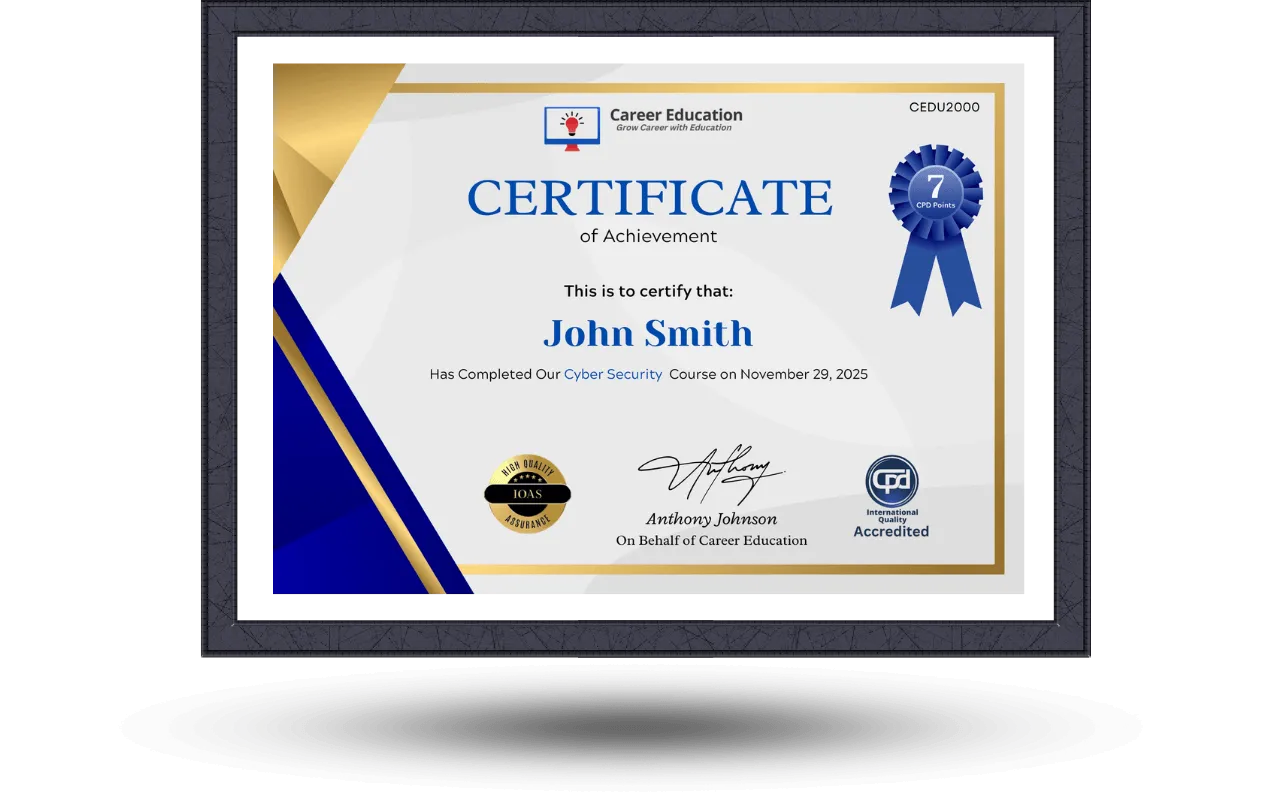
Upon completion of any course, all students are entitled to a CPD IQ Accredited e-certificate that will be issued by Career Education signifying the completion of your course.
After you complete the course and assignment, you will be eligible to order a free certificate accredited by CPD International Quality by completing the form below.
Hardcopy certificates and transcripts are also available for a small additional fee. More information is disclosed upon course completion.
Similar Courses




Frequently Asked Questions
The lifetime membership includes unlimited access to all courses, resources, and updates for a one-time fee.
You can purchase the membership directly from our website using a secure checkout process.
Yes, selected courses can be downloaded for offline access through our mobile app.
Yes, all future updates and new courses are included at no extra cost.
Yes, we offer a 30-day money-back guarantee if you are not satisfied with the membership.