
94%
OFF
OFF
Course Development Fundamentals
- Lifetime Access
- All Levels
- PDF Certificate
£296
£19
14-Day Money-Back Guarantee
Learn With Confidence









Course Development Fundamentals
Creating an effective course is about much more than putting information into lessons. A successful course needs clear learning goals, engaging content, appropriate technology, meaningful learner support, quality assurance, and a well-planned launch strategy. Course Development Fundamentals is designed to help you understand the essential principles and practical processes involved in developing courses that are structured, engaging, learner-focused, and ready for delivery.
Whether you are interested in developing online courses, workplace training, educational programmes, professional development courses, or independent learning resources, this course can help you build the foundational knowledge needed to approach course development with greater confidence and purpose.
Why Study Course Development Fundamentals?
A well-developed course can make complex information easier to understand, improve learner engagement, and provide a more consistent learning experience. However, course development involves many decisions, from identifying what learners should achieve to selecting suitable learning activities and evaluating whether the course meets its intended objectives.
Course Development Fundamentals provides a structured introduction to these important areas. Rather than focusing only on creating content, the course takes an outcome-focused approach that considers the complete learner journey.
By completing the course, you can develop a stronger understanding of how to:
-
Plan and structure a course around clear objectives
-
Identify meaningful learner outcomes
-
Use feedback to improve learning experiences
-
Integrate technology appropriately into learning
-
Encourage learner engagement and participation
-
Provide effective learning support
-
Apply quality assurance principles
-
Recognise ethical considerations in course development
-
Prepare a course for a successful launch
These skills can be valuable for educators, trainers, instructional designers, workplace learning professionals, subject-matter experts, business owners, and anyone interested in creating structured learning experiences.
What Will You Learn?
Module 1: The Basics of Course Development
The first module introduces the fundamental principles behind effective course development. Before creating lessons, activities, assessments, or resources, it is important to understand who the course is for, what learners need, and what the course is intended to achieve.
You will explore the core stages involved in developing a course and gain insight into how effective planning can influence the overall learning experience. This foundation can help you approach course creation systematically rather than developing content without a clear direction.
You will learn about the importance of course structure, learner needs, content organisation, and planning. Understanding these fundamentals can help you create courses that have a logical flow and make it easier for learners to progress through the material.
By the end of this module, you can have a clearer framework for moving from an initial course idea towards a structured learning experience.
Module 2: Learner Outcomes and Feedback
A course should have a clear purpose. Learners need to understand what they are expected to gain, while course developers need a way to determine whether those expectations are being met.
This module focuses on learner outcomes and feedback. You will explore how clearly defined outcomes can provide direction for course content, activities, and assessments. When outcomes are established early, it becomes easier to ensure that each part of the course contributes to the intended learning experience.
You will also examine the role of feedback in learning and course improvement. Constructive feedback can help learners understand their progress while also providing course developers with useful information about what is working and what may need adjustment.
Through this module, you can develop a more outcome-focused approach to course development. You will understand why learner outcomes should be connected to course activities and how feedback can support continuous improvement.
The result is a stronger foundation for creating learning experiences that are purposeful rather than simply content-heavy.
Module 3: Technology Integration and Learner Engagement
Technology has transformed the way courses can be delivered. Online platforms, multimedia resources, interactive activities, digital assessments, and communication tools can all contribute to the learning experience when they are used appropriately.
This module explores technology integration and learner engagement. You will consider how technology can support learning rather than simply being added for the sake of using digital tools.
You will develop an understanding of how different technologies can contribute to course delivery and learner participation. You will also explore ways to make learning more engaging by considering interaction, variety, accessibility, and learner involvement.
Effective engagement is not only about entertainment. Learners are more likely to benefit when activities and resources are relevant to the learning objectives and encourage them to think, practise, apply, or reflect on what they are learning.
By studying this area, you can become more confident in making decisions about technology and engagement when developing courses. You can learn to consider whether a digital tool genuinely improves the learner experience and supports the intended outcomes.
Module 4: Learning Support and Quality Assurance
Even a well-planned course needs appropriate support and quality controls. Learners may encounter questions, challenges, technical difficulties, or areas where they need additional guidance. Effective learning support can help create a more positive and accessible learning environment.
This module examines learning support and quality assurance. You will explore the importance of supporting learners throughout their learning journey and maintaining standards across course content and delivery.
Quality assurance is particularly important because course developers need to check whether learning materials are accurate, consistent, relevant, accessible, and aligned with the course objectives. Reviewing a course before launch can identify issues that might otherwise affect the learner experience.
You will gain insight into approaches that can help you review and improve course materials. This can support a more consistent development process and help you identify opportunities for refinement.
By the end of this module, you can better understand how learner support and quality assurance contribute to the overall credibility and effectiveness of a course.
Module 5: Ethical Considerations and Launch Strategies
Course development also involves responsibilities. Developers need to consider ethical issues such as fairness, accessibility, responsible use of information, learner privacy, intellectual property, and the overall impact of learning materials.
This module introduces ethical considerations that can arise during course development. Understanding these issues can help you make more responsible decisions and create learning experiences that respect learners and their needs.
The module also explores launch strategies. Developing a course is only one part of the process. Once the course is ready, it needs to be prepared for delivery and introduced to its intended audience.
You will consider important aspects of launching a course, including preparation, communication, learner readiness, and strategies for introducing the course effectively. A structured launch can help ensure that the effort invested in course development translates into a positive learner experience.
Who Is This Course For?
Course Development Fundamentals can be suitable for a wide range of learners and professionals, including:
-
Aspiring course developers
-
Teachers and educators
-
Trainers and workplace learning professionals
-
Instructional design beginners
-
Subject-matter experts
-
Coaches and consultants
-
Business owners developing training programmes
-
Professionals responsible for staff development
-
Individuals interested in online education
-
Anyone looking to understand the fundamentals of course creation
You do not necessarily need extensive previous experience in instructional design or course development to benefit from the course. It provides a foundation that can help beginners understand the major components involved in creating effective learning experiences.
Develop Practical Course Development Skills
One of the key benefits of Course Development Fundamentals is its focus on practical outcomes. Instead of viewing course development as simply a process of writing lessons, you can begin to understand how planning, outcomes, technology, engagement, support, quality, ethics, and launch preparation work together.
This broader perspective can help you make better decisions throughout the development process.
For example, instead of asking only, “What information should I include?”, you can begin asking:
-
What should learners achieve?
-
How will the content help them reach those outcomes?
-
Which learning activities are most appropriate?
-
How can technology improve the learning experience?
-
How will learners receive support?
-
How can the course be reviewed for quality?
-
What ethical considerations should be addressed?
-
How can the course be prepared for launch?
These questions encourage a more learner-centred and strategic approach to course development.
Improve the Learning Experience
Effective courses are designed with learners in mind. Different learners may have different levels of experience, learning needs, expectations, and preferences. Course developers therefore need to think carefully about how information is presented and how learners interact with the material.
The principles covered in Course Development Fundamentals can help you develop a stronger awareness of the learner journey. From the initial introduction through learning activities, feedback, support, and completion, each stage can influence the overall experience.
This understanding can help you move beyond simply delivering information and towards creating structured opportunities for learners to understand, practise, apply, and develop knowledge.
Build Confidence in Course Planning
Starting a course from scratch can feel challenging, particularly when you are unsure where to begin. A structured development framework can make the process more manageable.
This course can help you understand the major stages involved in course development so that you can approach future projects with greater clarity. Whether you are creating a short training programme or developing a more comprehensive educational course, the fundamentals remain valuable.
You can use the knowledge gained from the course to think more systematically about planning, content, learning outcomes, technology, engagement, support, quality, and launch preparation.
Support Continuous Improvement
Course development does not necessarily end when a course is published. Learner feedback, performance information, reviews, and changing requirements can all provide opportunities for improvement.
Understanding the role of feedback and quality assurance can help you adopt a continuous improvement mindset. Instead of treating a course as a finished product that never changes, you can view it as a learning experience that can be reviewed and refined over time.
This approach can help you identify areas for improvement, respond to learner needs, and keep your course more relevant and effective.
A Foundation for Future Development
Course Development Fundamentals provides a starting point for anyone who wants to understand how effective courses are designed and prepared for delivery. The knowledge gained can support further learning in areas such as instructional design, educational technology, training development, learning management systems, assessment design, and digital education.
Whether your goal is to develop courses professionally, create training for an organisation, share your expertise through education, or simply understand the course development process, the principles covered can provide a useful foundation.
Start Building Better Courses
A successful course begins with thoughtful development. Clear outcomes, purposeful content, meaningful engagement, appropriate technology, learner support, quality assurance, ethical awareness, and effective launch planning all contribute to the learning experience.
Course Development Fundamentals brings these essential areas together in a structured five-module learning journey. By completing the course, you can develop a clearer understanding of the course development process and gain the confidence to approach course creation with greater structure and purpose.
If you are ready to strengthen your understanding of course development and learn how to create more focused, engaging, and learner-centred educational experiences, Course Development Fundamentals can provide the essential foundation to get started.
Enrol today and begin developing the knowledge and skills needed to plan, structure, support, review, and launch effective courses.
Course Modules
Course Content
Module 1_ The Basics of Course Development
-
Lesson 1_ The Basics of Course Development
Module 2_ Learner Outcomes and Feedback.
Module 3_ Technology Integration and Learner Engagement.
Module 4_ Learning Support and Quality Assurance.
Module 5_ Ethical Considerations and Launch Strategies.
What our students say
Excellent
4.9 average
158 Reviews

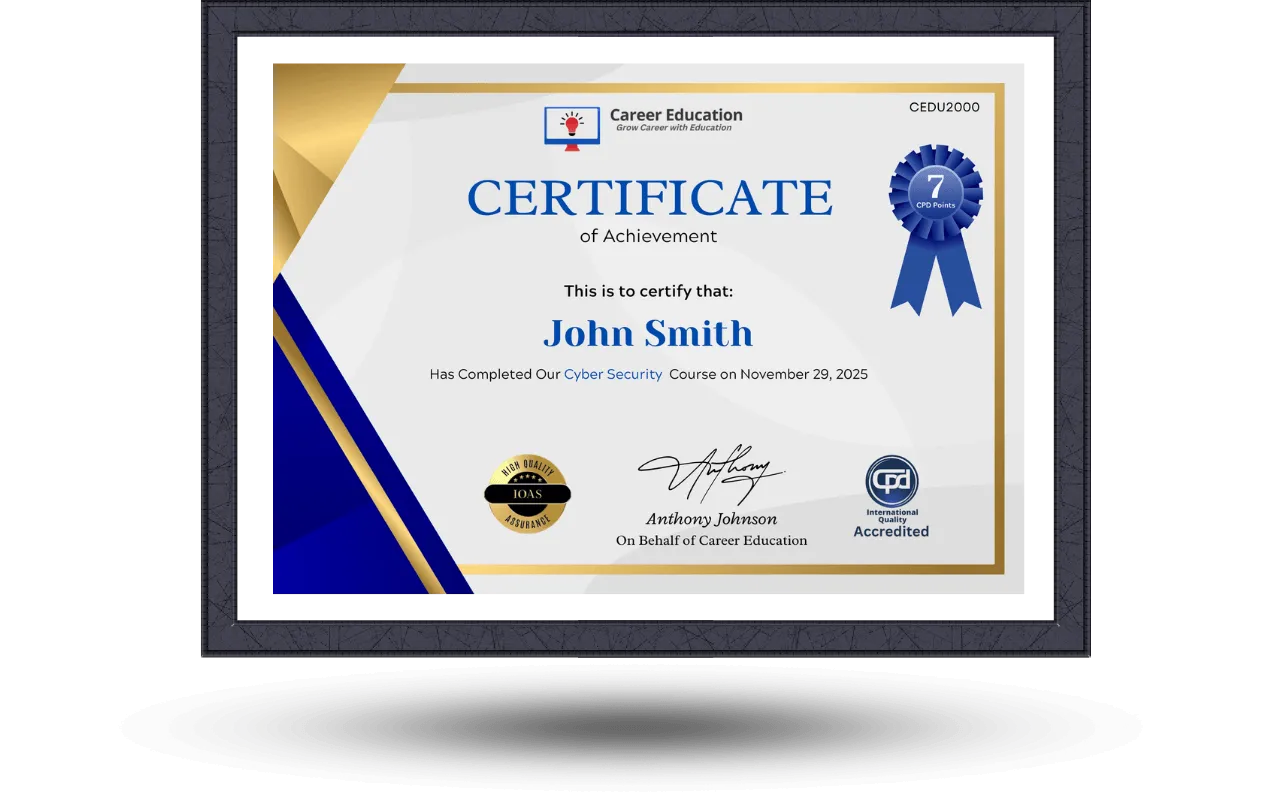
Earn an Accredited Certificate
Upon completion of any course, all students are entitled to a CPD IQ Accredited e-certificate that will be issued by Career Education signifying the completion of your course.
After you complete the course and assignment, you will be eligible to order a free certificate accredited by CPD International Quality by completing the form below.
Hardcopy certificates and transcripts are also available for a small additional fee. More information is disclosed upon course completion.
Similar Courses




Frequently Asked Questions
The lifetime membership includes unlimited access to all courses, resources, and updates for a one-time fee.
You can purchase the membership directly from our website using a secure checkout process.
Yes, selected courses can be downloaded for offline access through our mobile app.
Yes, all future updates and new courses are included at no extra cost.
Yes, we offer a 30-day money-back guarantee if you are not satisfied with the membership.