94%
OFF
OFF
Medieval Europe: Castles, Monarchs, and the Age of Crusades
- Lifetime Access
- All Levels
- PDF Certificate
£296
£19
14-Day Money-Back Guarantee
Learn With Confidence



Course Overview
Medieval Europe: Castles, Monarchs, and the Age of Crusades is an engaging and comprehensive history course designed to introduce learners to one of the most fascinating periods in European history. Spanning centuries of political change, social transformation, religious influence, and military conflict, the medieval era shaped many aspects of modern European culture, government, architecture, and society.
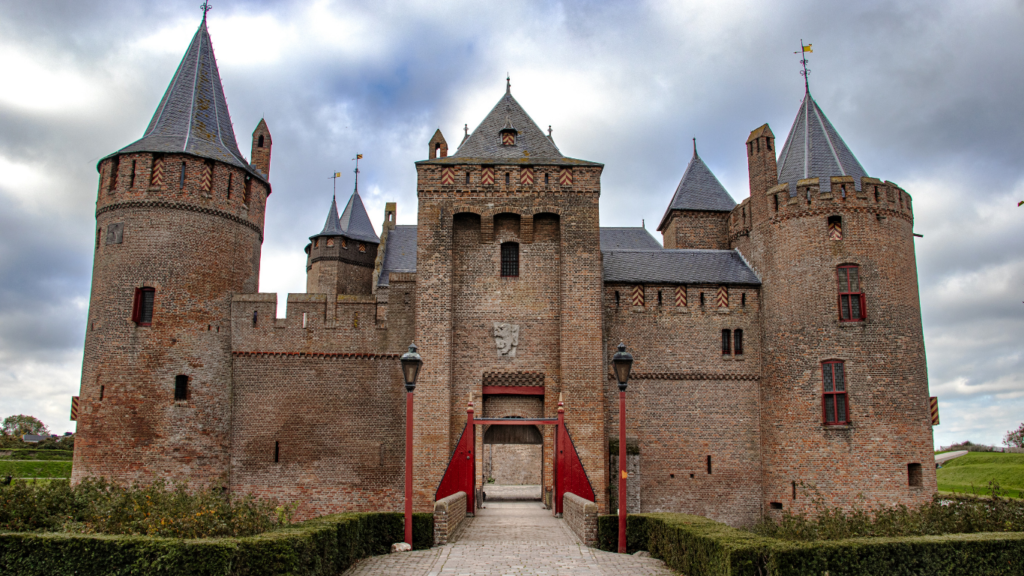
This course explores the world of medieval Europe through the rise of kingdoms, the development of feudal society, the construction of powerful castles, the influence of the medieval Church, and the major events that defined the period, including the Norman Conquest and the Crusades.
Through Medieval Europe: Castles, Monarchs, and the Age of Crusades, learners will gain a deeper understanding of how people lived, worked, worshipped, fought, and governed during the Middle Ages. From powerful monarchs and noble families to knights, merchants, farmers, and religious communities, this course examines the experiences of different groups that shaped medieval society.
Whether you are a history enthusiast, a student, a traveller interested in historical sites, or simply curious about the medieval world, this course provides a structured journey through the key events, people, and ideas that defined medieval Europe.
By completing this course, learners will develop a strong foundation in medieval history and gain the ability to analyse the political, cultural, and social developments that influenced Europe for generations.
Why Learn Medieval Europe: Castles, Monarchs, and the Age of Crusades?
The Middle Ages remain one of the most studied and fascinating periods in history. Often associated with castles, knights, kings, and battles, medieval Europe was far more complex than popular stories suggest. It was a period of innovation, cultural development, political transformation, and social change.
Medieval Europe: Castles, Monarchs, and the Age of Crusades allows learners to explore the realities behind medieval life and understand how historical events shaped the modern world.
This course will help you:
- Understand the origins and development of medieval European society.
- Explore how the feudal system influenced everyday life.
- Discover the purpose and design of medieval castles.
- Learn about monarchs, kingdoms, and political power.
- Understand the role of religion in medieval communities.
- Examine the causes and impact of the Crusades.
- Explore medieval warfare and military strategies.
- Discover how ordinary people lived during the Middle Ages.
- Recognise the lasting influence of medieval history today.
By studying medieval Europe, learners can gain valuable historical knowledge while developing critical thinking skills and a deeper appreciation for the events that shaped European civilisation.
Who Is This Course For?
Medieval Europe: Castles, Monarchs, and the Age of Crusades is suitable for anyone interested in exploring European history and understanding the medieval period.
This course is ideal for:
- History enthusiasts who want to expand their knowledge.
- Students studying history or related subjects.
- Travellers interested in castles, historic landmarks, and heritage sites.
- Readers and researchers interested in medieval culture.
- Anyone curious about monarchs, knights, religion, and medieval society.
No previous historical knowledge is required. The course is designed for beginners and anyone looking for an accessible introduction to medieval Europe.
What Will You Learn?
By completing Medieval Europe: Castles, Monarchs, and the Age of Crusades, learners will develop a detailed understanding of medieval society and its historical importance.
You will learn how to:
- Describe the key developments of the Early Middle Ages.
- Explain how feudalism shaped medieval communities.
- Understand the construction and defensive purpose of castles.
- Explore the influence of the medieval Church.
- Analyse the impact of the Norman Conquest.
- Understand the causes and consequences of the Crusades.
- Examine the role of kings and kingdoms.
- Explore daily life across medieval society.
- Understand medieval warfare and conflict.
- Recognise the lasting legacy of the Middle Ages.
This course provides learners with a complete overview of medieval Europe and the historical forces that transformed the continent.
Course Curriculum
Module 1: The Early Middle Ages
The first module introduces the foundations of medieval Europe and explores the changes that followed the decline of the Roman Empire. Learners will discover how new kingdoms emerged and how European society began to transform.
Topics covered include:
- The transition from the Roman world to medieval Europe.
- The rise of early European kingdoms.
- The influence of Germanic tribes.
- Political and social changes after Rome.
- The development of early medieval communities.
By understanding the Early Middle Ages, learners will gain insight into the origins of medieval society and the events that shaped the centuries that followed.
Module 2: Life in the Feudal System
Feudalism was one of the defining structures of medieval European society. This module explores how land, loyalty, and social responsibilities shaped relationships between rulers, nobles, knights, and peasants.
Learners will explore:
- The structure of the feudal system.
- The relationship between monarchs and nobles.
- The role of knights and warriors.
- The lives of peasants and agricultural workers.
- Social responsibilities and obligations.
This module helps learners understand how power and resources were organised during the medieval period.
Module 3: Castles and Fortifications
Castles are among the most recognisable symbols of medieval Europe. This module examines why castles were built, how they functioned, and what they represented.
Learners will discover:
- The purpose of medieval castles.
- Castle design and defensive features.
- Life inside medieval fortifications.
- The role of castles in politics and warfare.
- Famous castle developments across Europe.
By studying castles, learners will understand how architecture reflected medieval power, security, and social organisation.
Module 4: The Medieval Church and Monasticism
Religion played a central role in medieval European life. This module explores the influence of the Church and the importance of monasteries in society.
Learners will examine:
- The power and influence of the medieval Church.
- The role of monasteries.
- Religious communities and daily practices.
- Education and knowledge preservation.
- The relationship between religion and politics.
This module demonstrates how religious institutions shaped culture, learning, and everyday life during the Middle Ages.
Module 5: The Norman Conquest and Its Impact
The Norman Conquest was a major event that changed the political and cultural landscape of Europe, particularly England. This module explores its causes and long-term consequences.
Learners will learn about:
- The events leading to the Norman Conquest.
- The role of William the Conqueror.
- Changes to government and society.
- The development of Norman architecture.
- The impact on language and culture.
By studying this event, learners will understand how conquest and leadership changes influenced medieval Europe.
Module 6: The Age of Crusades
The Crusades were among the most significant events of medieval history. This module explores the religious, political, and cultural factors behind these military campaigns.
Learners will explore:
- The origins and motivations of the Crusades.
- The role of religion and politics.
- Major Crusade campaigns.
- The experiences of different groups involved.
- The wider impact of the Crusades.
This module provides a balanced understanding of the Crusades and their lasting influence on European and global history.
Module 7: Kings and Kingdoms
Medieval monarchs played a central role in shaping European politics and society. This module explores the development of kingdoms and the challenges faced by rulers.
Learners will examine:
- The role of medieval kings.
- The growth of royal authority.
- Relationships between monarchs and nobles.
- Political conflicts and succession.
- The development of European kingdoms.
This module helps learners understand how leadership and power influenced medieval history.
Module 8: Daily Life in Medieval Europe
Beyond kings and battles, medieval Europe was home to millions of ordinary people. This module explores everyday experiences across different social groups.
Learners will discover:
- Medieval homes and communities.
- Food, clothing, and traditions.
- Work and occupations.
- Trade and marketplaces.
- The experiences of different social classes.
This module provides a realistic picture of what daily life was like during the Middle Ages.
Module 9: War and Conflict in the Middle Ages
Conflict was a major feature of medieval history. This module explores warfare, military organisation, and the strategies used during medieval battles.
Learners will learn about:
- Medieval armies and soldiers.
- Knights and military traditions.
- Siege warfare.
- Weapons and defensive strategies.
- The impact of conflict on society.
Understanding medieval warfare helps learners explore how battles influenced political and social developments.
Module 10: The Legacy of the Middle Ages
The final module explores how medieval Europe influenced the modern world. Learners will examine the lasting impact of medieval developments on culture, politics, architecture, and society.
Topics include:
- Medieval contributions to European identity.
- The influence of castles and architecture.
- The development of governments and institutions.
- Medieval traditions that continue today.
- The importance of studying medieval history.
This module helps learners understand why the Middle Ages remain an important and influential period in world history.
Career and Personal Benefits
Completing Medieval Europe: Castles, Monarchs, and the Age of Crusades can provide valuable knowledge and skills for personal development, education, and professional interests.
This course can benefit learners interested in:
- History and heritage studies.
- Tourism and cultural industries.
- Education and teaching.
- Research and writing.
- Museum and historical interpretation roles.
- Personal enrichment and lifelong learning.
Learners will also develop skills in historical analysis, critical thinking, and understanding complex social changes.
Course Requirements
No previous qualifications are required to enrol in Medieval Europe: Castles, Monarchs, and the Age of Crusades.
Learners only need:
- An interest in history and medieval culture.
- A willingness to explore historical events.
- Access to a computer, tablet, or mobile device.
This beginner-friendly course is designed to make medieval history accessible and engaging for everyone.
Begin Your Journey Through Medieval Europe
The Middle Ages were a period of remarkable transformation, filled with powerful kingdoms, magnificent castles, religious influence, cultural development, and historic conflicts. Understanding this era provides valuable insight into the foundations of modern Europe.
Medieval Europe: Castles, Monarchs, and the Age of Crusades offers a complete exploration of medieval history, helping learners discover the people, events, and ideas that shaped centuries of European development.
Enrol today and explore the fascinating world of medieval Europe, from the rise of monarchs and the construction of castles to the Crusades and the enduring legacy of the Middle Ages.
Course Modules
Course Content
Module 1_ The Early Middle Ages
-
Lesson 1_ The Early Middle Ages
Module 2_ Life in the Feudal System
Module 3_ Castles and Fortifications
Module 4_ The Medieval Church and Monasticism
Module 5_ The Norman Conquest and Its Impact
Module 6_ The Age of Crusades
Module 7_ Kings and Kingdoms
Module 8_ Daily Life in Medieval Europe
Module 9_ War and Conflict in the Middle Ages
Module 10_ The Legacy of the Middle Ages
What our students say
Excellent
4.9 average
158 Reviews

Earn an Accredited Certificate
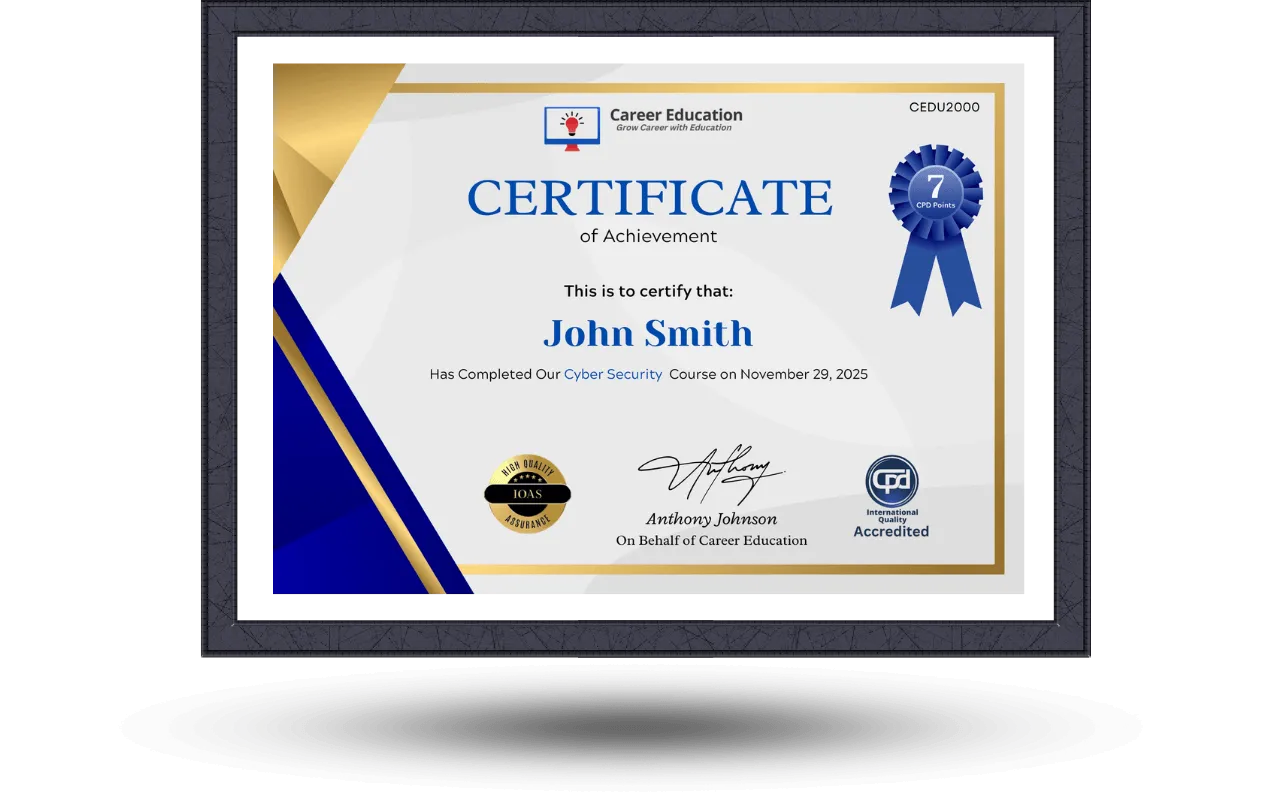
Upon completion of any course, all students are entitled to a CPD IQ Accredited e-certificate that will be issued by Career Education signifying the completion of your course.
After you complete the course and assignment, you will be eligible to order a free certificate accredited by CPD International Quality by completing the form below.
Hardcopy certificates and transcripts are also available for a small additional fee. More information is disclosed upon course completion.
Similar Courses




Frequently Asked Questions
The lifetime membership includes unlimited access to all courses, resources, and updates for a one-time fee.
You can purchase the membership directly from our website using a secure checkout process.
Yes, selected courses can be downloaded for offline access through our mobile app.
Yes, all future updates and new courses are included at no extra cost.
Yes, we offer a 30-day money-back guarantee if you are not satisfied with the membership.