
94%
OFF
OFF
Building Strong Rapport with Interviewers
- Lifetime Access
- All Levels
- PDF Certificate
£296
£19
14-Day Money-Back Guarantee
Learn With Confidence

Building Strong Rapport with Interviewers
Job interviews are about more than answering questions correctly. Employers are also looking at how you communicate, how comfortably you interact with others, how well you listen, and whether you can build a positive professional connection. Building Strong Rapport with Interviewers is designed to help learners develop the communication and interpersonal skills needed to create a confident, respectful, and memorable interview experience.
A strong professional rapport can help conversations feel more natural and productive. When you know how to establish common ground, communicate clearly, use appropriate nonverbal signals, and manage your mindset, you can approach interviews with greater confidence and professionalism.
This course provides practical guidance for understanding rapport and applying it effectively during interviews. Instead of focusing solely on rehearsed answers, learners will explore how verbal and nonverbal communication work together to create positive interactions. You will also discover how preparation, emotional awareness, active listening, and genuine connection can strengthen your overall interview performance.
Whether you are preparing for your first interview, returning to the job market, changing careers, or simply looking to improve your professional communication skills, Building Strong Rapport with Interviewers can help you approach conversations more effectively.
Why Building Rapport Matters During an Interview
An interview is a two-way professional conversation. While your qualifications and experience are important, the way you communicate can influence how an interviewer experiences that conversation.
Building rapport does not mean trying to impress an interviewer through artificial charm or saying what you think they want to hear. Instead, it involves developing a genuine professional connection based on respectful communication, attentive listening, confidence, and shared understanding.
When you develop effective rapport-building skills, you can become better prepared to:
-
Create a positive first impression
-
Communicate with greater confidence
-
Listen more attentively to interview questions
-
Respond naturally instead of relying entirely on memorised answers
-
Use appropriate body language
-
Establish professional common ground
-
Demonstrate interpersonal awareness
-
Maintain a calm and focused approach
-
Make interviews feel more like productive conversations
-
Present yourself as a thoughtful and professional candidate
The goal is not to control the outcome of an interview. Rather, the course helps you communicate your strengths more clearly while creating a respectful and professional interaction.
What You Will Learn
Building Strong Rapport with Interviewers takes learners through five focused modules covering the essential elements of effective interview rapport.
You will learn how rapport works, why it matters, how to prepare mentally and emotionally, and how to use verbal and nonverbal communication effectively. You will also explore ways to identify genuine common ground and create stronger professional connections.
By completing the course, you can develop a more structured approach to interpersonal communication during interviews and feel better equipped to handle different interview situations.
Module 1: Understanding Rapport and Its Importance
The first module introduces the concept of rapport and explains why it can play an important role in professional communication.
You will explore what rapport means in an interview context and how positive professional relationships can support more productive conversations. The module helps you understand that rapport is not about being overly familiar or trying to become friends with the interviewer. Instead, it is about creating an atmosphere of mutual respect, attentiveness, and clear communication.
You will examine the factors that contribute to effective rapport, including trust, active listening, empathy, respect, authenticity, and engagement.
This foundation can help you recognise opportunities to strengthen your communication throughout an interview.
By the end of this module, you can be better prepared to:
-
Explain what professional rapport means
-
Understand why rapport matters during interviews
-
Recognise behaviours that support positive interactions
-
Identify potential barriers to effective communication
-
Approach interviewer interactions with greater awareness
-
Understand the role of authenticity in professional communication
Module 2: Preparing Mentally and Emotionally
Your mindset can influence how you communicate. Feeling nervous before an interview is common, but preparation can help you approach the situation with greater composure and focus.
This module explores the importance of mental and emotional preparation before an interview. You will learn how preparation can help you feel more organised and ready to participate in a professional conversation.
Rather than attempting to eliminate every feeling of nervousness, the focus is on developing practical ways to remain focused and communicate effectively despite normal interview pressure.
You will explore techniques for preparing your mindset, managing distractions, developing a confident approach, and staying present during conversations.
The module can help you:
-
Prepare mentally before an interview
-
Develop a more positive and realistic mindset
-
Improve your focus and attentiveness
-
Approach challenging questions more calmly
-
Become more aware of your communication habits
-
Prepare for different interview scenarios
-
Build greater confidence in professional conversations
Mental preparation can make it easier to concentrate on the interviewer, listen carefully, and respond thoughtfully rather than becoming overwhelmed by the pressure of the situation.
Module 3: Nonverbal Communication
Communication extends beyond the words you speak. Facial expressions, posture, gestures, eye contact, and other nonverbal signals can influence how a conversation feels.
In this module, you will explore the role of nonverbal communication in interview situations. You will learn how to become more aware of the signals you may be sending and how nonverbal communication can complement your spoken responses.
The objective is not to follow a rigid set of body-language rules. Instead, the module encourages awareness, professionalism, and consistency between what you say and how you communicate it.
You will explore areas such as:
-
Professional posture
-
Appropriate eye contact
-
Facial expressions
-
Gestures
-
Listening signals
-
Personal space
-
Attentive behaviour
-
Overall professional presence
Understanding nonverbal communication can help you become a more attentive and engaging participant in an interview.
By applying these principles appropriately, you can support clearer communication and demonstrate that you are engaged in the conversation.
Module 4: Verbal Communication Techniques
The words you choose and the way you deliver them can have a significant impact on professional conversations.
This module focuses on verbal communication techniques that can help you communicate your ideas clearly and confidently. You will explore ways to structure responses, listen carefully, ask appropriate questions, and maintain a professional conversational style.
Effective verbal communication is particularly valuable when responding to unexpected questions. Instead of relying entirely on memorised responses, you can learn to listen to what the interviewer is actually asking and provide relevant, well-structured answers.
You will develop awareness of:
-
Clear and concise communication
-
Active listening
-
Appropriate questioning
-
Conversational flow
-
Professional vocabulary
-
Tone and pace
-
Thoughtful responses
-
Clarifying questions
-
Avoiding unnecessary communication barriers
These skills can help you make your answers easier to understand while allowing the conversation to develop naturally.
You can also learn how effective listening contributes to rapport. When candidates listen carefully rather than simply waiting for their turn to speak, they can respond more appropriately and demonstrate genuine engagement.
Module 5: Building Common Ground
Finding appropriate common ground can help create a more natural professional conversation. However, effective common ground should be genuine and relevant rather than forced.
The final module explores how to identify shared interests, experiences, professional priorities, or other appropriate points of connection during an interview.
You will learn how to use information available through the interview conversation to identify opportunities for meaningful professional connection. This might involve discussing relevant industry experiences, shared professional interests, company values, career goals, or aspects of the role that genuinely interest you.
The module focuses on maintaining professional boundaries while creating opportunities for stronger communication.
You will learn how to:
-
Identify appropriate areas of common ground
-
Use shared professional interests constructively
-
Connect your experience to the organisation or role
-
Ask relevant and engaging questions
-
Demonstrate genuine interest
-
Keep conversations professional and purposeful
-
Strengthen the overall quality of interviewer interactions
Building common ground can help you move beyond a purely question-and-answer format and participate in a more engaging professional discussion.
Develop Practical Interview Communication Skills
One of the key benefits of Building Strong Rapport with Interviewers is its practical focus. The course is designed around skills that can be applied before, during, and after an interview.
You can use the knowledge gained to prepare more effectively, communicate with greater awareness, and approach interviewer interactions with a stronger understanding of professional rapport.
The course can help you develop transferable communication abilities that extend beyond job interviews. Skills such as active listening, emotional awareness, clear communication, professional body language, and finding common ground can also be valuable in networking, meetings, presentations, workplace discussions, and other professional situations.
Who Can Benefit from This Course?
Building Strong Rapport with Interviewers can be useful for anyone who wants to strengthen their professional interview communication.
It may be particularly suitable for:
-
Job seekers preparing for interviews
-
Students and recent graduates
-
People entering the workplace
-
Professionals seeking new opportunities
-
Career changers
-
Individuals returning to employment
-
Candidates who want to improve their communication skills
-
Anyone who feels uncertain about interview conversations
-
Learners interested in professional interpersonal skills
You do not need to be naturally outgoing to benefit from the course. Rapport is not simply about personality. It can be developed through awareness, preparation, listening, and effective communication.
Outcome-Focused Learning
By the end of Building Strong Rapport with Interviewers, you can expect to have a clearer understanding of how professional rapport develops and how communication behaviours can influence interview interactions.
You will be better equipped to:
-
Prepare yourself mentally before interviews
-
Create positive professional first impressions
-
Communicate with greater clarity
-
Use nonverbal communication more consciously
-
Listen actively to interviewers
-
Respond more naturally to questions
-
Establish appropriate professional common ground
-
Demonstrate genuine interest in conversations
-
Maintain professional communication throughout an interview
-
Approach interviews with greater confidence and preparation
These outcomes can help you present your skills and experience more effectively while contributing to a more professional and engaging interview conversation.
Turn Interview Conversations into Opportunities to Connect
A strong interview performance is not only about having the right qualifications. It is also about communicating your value effectively.
Building Strong Rapport with Interviewers gives you a structured opportunity to develop the interpersonal and communication skills that can make professional conversations more productive. From understanding the fundamentals of rapport to preparing your mindset, improving nonverbal communication, strengthening verbal techniques, and discovering appropriate common ground, each module contributes to a more complete approach to interview communication.
Instead of approaching interviews as stressful question-and-answer sessions, you can learn to view them as professional conversations where you have an opportunity to listen, communicate, demonstrate your abilities, and build a positive connection.
Investing time in your communication skills can support your broader professional development and help you approach future interviews with greater awareness and preparation.
Start learning Building Strong Rapport with Interviewers today and develop practical skills for communicating with confidence, professionalism, and authenticity throughout your next interview.
Course Modules
Course Content
Module 1_ Understanding Rapport and Its Importance
-
Lesson 1_ Understanding Rapport and Its Importance
Module 2_ Preparing Mentally and Emotionally
Module 3_ Nonverbal Communication
Module 4_ Verbal Communication Techniques
Module 5_ Building Common Ground
What our students say
Excellent
4.9 average
158 Reviews

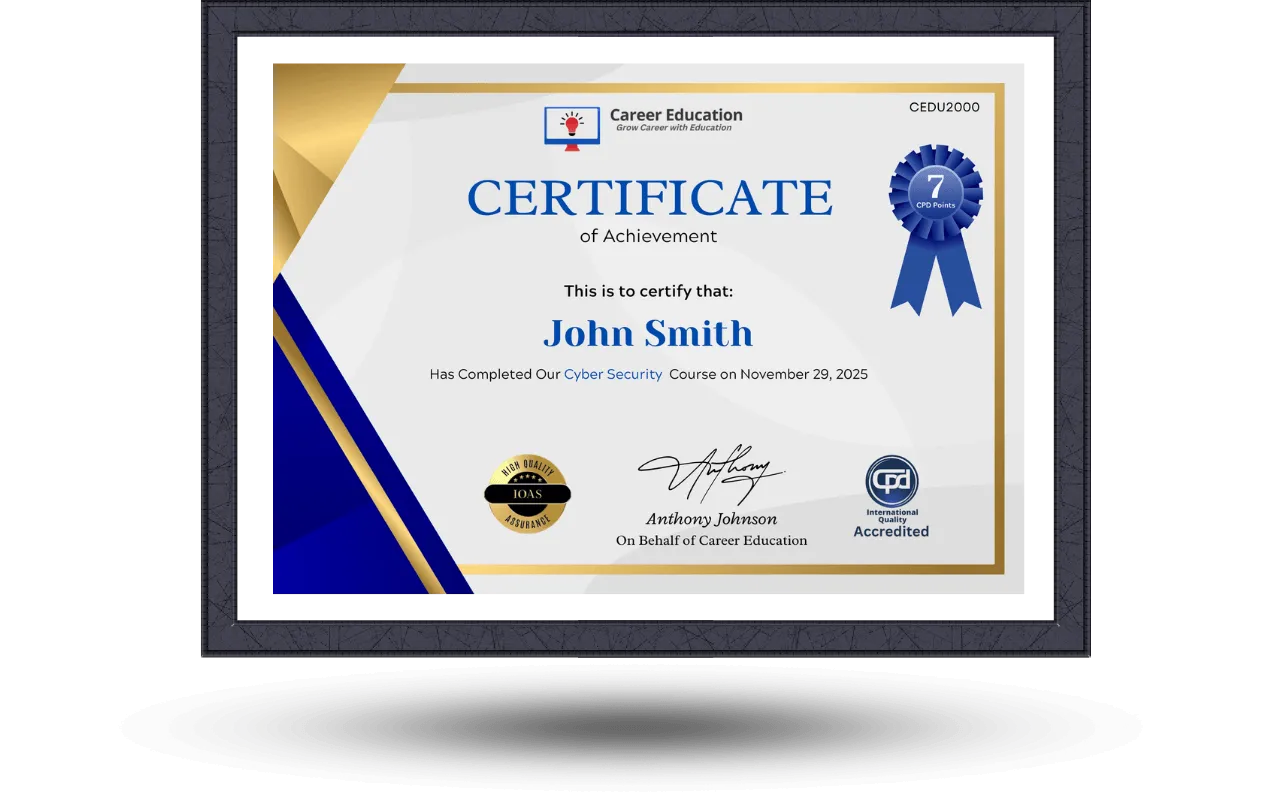
Earn an Accredited Certificate
Upon completion of any course, all students are entitled to a CPD IQ Accredited e-certificate that will be issued by Career Education signifying the completion of your course.
After you complete the course and assignment, you will be eligible to order a free certificate accredited by CPD International Quality by completing the form below.
Hardcopy certificates and transcripts are also available for a small additional fee. More information is disclosed upon course completion.
Similar Courses




Frequently Asked Questions
The lifetime membership includes unlimited access to all courses, resources, and updates for a one-time fee.
You can purchase the membership directly from our website using a secure checkout process.
Yes, selected courses can be downloaded for offline access through our mobile app.
Yes, all future updates and new courses are included at no extra cost.
Yes, we offer a 30-day money-back guarantee if you are not satisfied with the membership.