OFF
Confined Space Entry Team Training for Construction
- Lifetime Access
- All Levels
- PDF Certificate
Learn With Confidence








Overview
Confined Space Entry Team Training for Construction
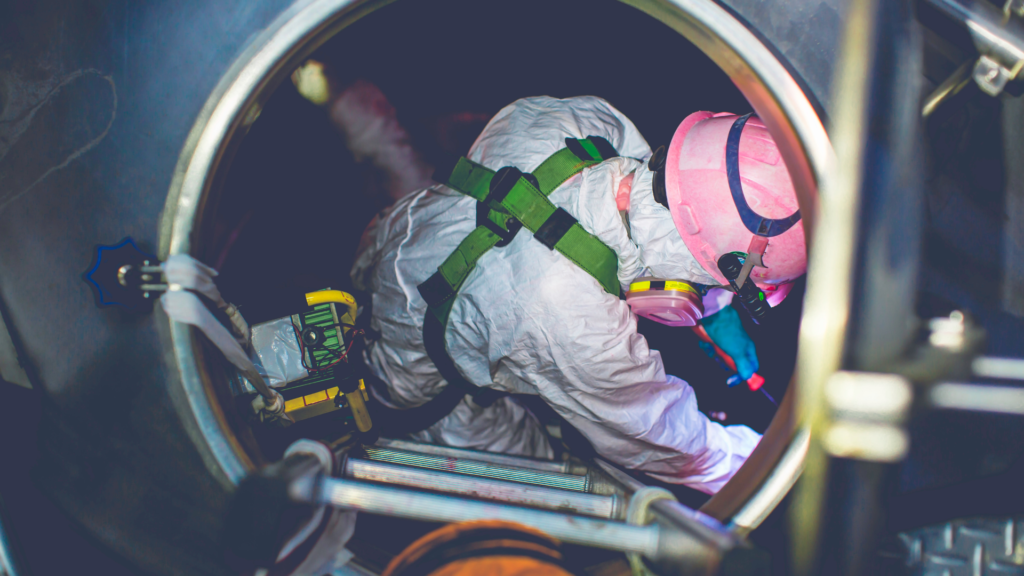
Construction work often involves environments that are difficult to access, poorly ventilated, or potentially hazardous. Tanks, pits, silos, manholes, trenches, tunnels, shafts, ducts, and other restricted areas can expose workers to serious risks when entry is not carefully planned and controlled. Confined Space Entry Team Training for Construction is designed to help construction personnel develop the knowledge and practical awareness needed to approach confined space work systematically, identify hazards, follow appropriate entry procedures, and respond effectively to emergencies.
This course focuses on the responsibilities and practices involved in construction-related confined space activities. Rather than treating confined space entry as a routine task, the training encourages learners to understand the potential hazards before work begins, assess risks, use suitable equipment, monitor atmospheric conditions, follow permit requirements, and understand the importance of coordinated emergency response.
Whether you are involved in construction site management, supervision, safety coordination, entry operations, or support activities, this training can help strengthen your understanding of confined space safety and contribute to a more controlled working environment.
Why Confined Space Safety Matters in Construction
Confined spaces can present hazards that are not always obvious from outside the work area. Limited access and egress can make evacuation difficult, while atmospheric conditions may change unexpectedly. Construction activities can introduce additional risks through welding, cutting, coatings, chemicals, machinery, excavation, temporary ventilation, or changes to the surrounding work environment.
Effective confined space safety therefore requires more than simply wearing PPE. Workers and supervisors need to understand how to recognize potential hazards, evaluate whether entry is appropriate, establish controls, communicate responsibilities, and maintain appropriate monitoring throughout the task.
Confined Space Entry Team Training for Construction provides a structured learning pathway covering these essential areas. By completing the course, learners can develop greater awareness of how confined space activities should be approached and how different members of an entry team contribute to safer operations.
What You Will Learn
The course curriculum is organized into seven modules covering key aspects of confined space entry in construction environments.
Module 1: Introduction to Confined Spaces and Construction Activities
The course begins by establishing a strong foundation in confined space awareness. Learners explore what constitutes a confined space and why construction activities can create or change confined space hazards.
You will develop an understanding of:
-
The characteristics of confined spaces
-
Common examples of confined spaces in construction
-
Why access and egress can present additional challenges
-
How construction activities may affect confined space conditions
-
The importance of planning before entry
-
General roles and responsibilities within an entry team
-
The importance of communication and coordination
This introductory knowledge helps learners recognize why confined space work requires dedicated planning rather than being treated like ordinary construction activities.
Module 2: Hazard Identification and Risk Assessment
Identifying hazards before entry is a fundamental part of confined space safety. This module focuses on recognizing potential dangers and understanding how risk assessment supports safer decision-making.
Learners explore how to consider hazards associated with the physical environment, atmospheric conditions, equipment, work activities, and surrounding operations.
The module helps you understand how to:
-
Identify potential confined space hazards
-
Consider changes in conditions during construction work
-
Assess risks before entry
-
Determine appropriate control measures
-
Consider hazards created by simultaneous activities
-
Support safer work planning
-
Recognize when conditions may require work to stop or be reassessed
A structured approach to hazard identification can help teams avoid preventable mistakes and make better-informed decisions before workers enter a restricted environment.
Module 3: Equipment and PPE for Confined Space Entry
Appropriate equipment can play an important role in controlling confined space risks. However, equipment must be selected, inspected, maintained, and used appropriately for the work environment.
This module introduces learners to equipment and personal protective equipment relevant to confined space entry.
You will learn about considerations surrounding:
-
Personal protective equipment
-
Entry and retrieval equipment
-
Communication equipment
-
Atmospheric monitoring equipment
-
Lighting and access equipment
-
Protective clothing and respiratory protection considerations
-
Equipment inspection and readiness
-
The importance of selecting equipment according to identified hazards
The goal is to help learners understand that PPE and other equipment form part of a broader safety system. Equipment should support established controls rather than replace proper risk assessment and planning.
Module 4: Entry Procedures and Permits
Confined space entry should follow a clearly defined process. This module examines the importance of entry procedures and permit systems in controlling access to hazardous or potentially hazardous spaces.
Learners will explore the purpose of entry permits and the information that may need to be established before authorized entry takes place.
You will gain knowledge of:
-
Pre-entry planning
-
Entry authorization
-
Permit requirements
-
Defined roles and responsibilities
-
Communication between team members
-
Pre-entry checks
-
Maintaining control of the entry process
-
Conditions that may require an entry to be suspended or stopped
Understanding the relationship between permits, risk assessments, monitoring, and communication can help teams establish a more organized approach to confined space work.
Module 5: Ventilation and Atmospheric Monitoring
Atmospheric hazards are among the most important considerations when working in confined spaces. Conditions can change because of construction processes, nearby activities, chemicals, gases, or insufficient ventilation.
This module introduces learners to the principles of ventilation and atmospheric monitoring.
You will explore:
-
Why atmospheric conditions need to be assessed
-
The purpose of atmospheric monitoring
-
Factors that can affect air quality
-
The role of ventilation in controlling atmospheric hazards
-
The importance of suitable monitoring equipment
-
The need for continued awareness of changing conditions
-
Actions that may be necessary when atmospheric conditions become unsafe
The module emphasizes that atmospheric safety is an ongoing consideration. A confined space that appears safe initially may not remain safe throughout an entire work activity.
Module 6: Rescue and Emergency Response
Emergency planning is a critical element of confined space work. Because confined spaces can make access and evacuation challenging, teams need to understand how emergency arrangements should be established before work begins.
This module focuses on rescue planning and emergency response principles.
Learners will develop awareness of:
-
The importance of a planned emergency response
-
Roles within a confined space emergency
-
Communication during emergencies
-
Rescue equipment and preparedness
-
The importance of having appropriate rescue arrangements in place
-
The limitations of improvised rescue attempts
-
Coordinating emergency response with responsible personnel and services
The emphasis is on preparation. A rescue response should not be developed for the first time when an emergency occurs. Proper planning helps teams understand what actions are expected and who is responsible for coordinating the response.
Module 7: Confined Space Entry Techniques
The final module brings together the concepts covered throughout the course and focuses on safe approaches to confined space entry activities.
Learners will develop a stronger understanding of how entry techniques should align with the identified hazards, work conditions, equipment, monitoring requirements, and established procedures.
This module reinforces the importance of:
-
Following planned entry procedures
-
Maintaining communication
-
Using appropriate equipment
-
Monitoring changing conditions
-
Remaining alert to emerging hazards
-
Working within defined responsibilities
-
Following established emergency arrangements
-
Stopping or reassessing work when conditions are no longer acceptable
By connecting these principles, learners can develop a more complete understanding of how confined space entry should be managed as a coordinated team activity.
Who Can Benefit from This Course?
Confined Space Entry Team Training for Construction can be valuable for individuals whose responsibilities involve construction environments where confined space activities may occur.
It may be particularly relevant to:
-
Construction workers
-
Site supervisors
-
Construction managers
-
Safety personnel
-
Site coordinators
-
Project managers
-
Maintenance personnel working on construction sites
-
Entry team members
-
Personnel supporting confined space operations
-
Individuals seeking to strengthen their construction safety knowledge
The course can also serve as useful professional development for people who want to build their understanding of confined space safety principles and improve their ability to participate effectively in workplace safety procedures.
Build Stronger Confined Space Awareness
One of the key outcomes of Confined Space Entry Team Training for Construction is improved awareness. Learners can become better equipped to recognize that confined space hazards may arise from multiple sources and that conditions can change during construction activities.
Instead of focusing on a single hazard, the course encourages a broader perspective that considers the space, surrounding environment, planned work, equipment, atmospheric conditions, communication, and emergency arrangements together.
This holistic approach can help learners contribute more effectively to workplace discussions about confined space planning and safety.
Support Better Risk-Based Decision-Making
Construction environments can change rapidly. New equipment may be introduced, work activities can shift, and conditions inside or around a confined space may develop differently from what was initially expected.
Through the course, learners develop knowledge that can support more thoughtful risk-based decision-making. Understanding how hazards are identified and assessed can help individuals recognize when established controls need to be reviewed or when work should be paused until conditions are reassessed.
The objective is not simply to complete a confined space entry but to understand the conditions under which entry can be appropriately planned and controlled.
Improve Team Coordination and Communication
Confined space entry is rarely an activity that should be approached in isolation. Effective communication between workers, supervisors, attendants, safety personnel, and other responsible individuals can be essential.
This course highlights the importance of clearly defined responsibilities and communication throughout the entry process. Learners can gain a better understanding of how coordinated teams contribute to safer operations, particularly when conditions change or an emergency response is required.
Develop Practical Safety Knowledge
By covering hazards, PPE, permits, atmospheric monitoring, ventilation, emergency response, and entry techniques, the course provides a broad foundation in confined space safety.
Learners can finish the training with a clearer understanding of:
-
How confined spaces relate to construction activities
-
Why pre-entry planning matters
-
How hazards should be identified and assessed
-
Why suitable equipment and PPE are important
-
How permit procedures support controlled entry
-
Why atmospheric monitoring is essential
-
The role of ventilation
-
Why emergency and rescue planning must be considered in advance
-
How effective communication supports team safety
-
Why changing conditions require ongoing attention
Strengthen Your Construction Safety Knowledge
Confined space work can involve complex risks, and effective preparation is an important part of managing those risks. Confined Space Entry Team Training for Construction provides learners with a structured way to explore the essential principles involved in confined space entry and construction safety.
From understanding confined spaces and identifying hazards to exploring entry permits, atmospheric monitoring, emergency response, and entry techniques, each module contributes to a broader understanding of safe work practices.
If you want to strengthen your knowledge of confined space operations and become better prepared to participate in construction safety processes, this course offers a focused learning experience covering the key areas you need to understand.
Enrol in Confined Space Entry Team Training for Construction today and develop the knowledge and awareness needed to approach confined space activities with greater preparation, responsibility, and confidence.
Course Modules
Course Content
Module 1_ Introduction to Confined Spaces and Construction Activities
-
Lesson 1_ Introduction to Confined Spaces and Construction Activities
Module 2_ Hazard Identification and Risk Assessment
Module 3_ Equipment and PPE for Confined Space Entry
Module 4_ Entry Procedures and Permits
Module 5_ Ventilation and Atmospheric Monitoring
Module 6_ Rescue and Emergency Response
Module 7_ Confined Space Entry Techniques
What our students say

Earn an Accredited Certificate
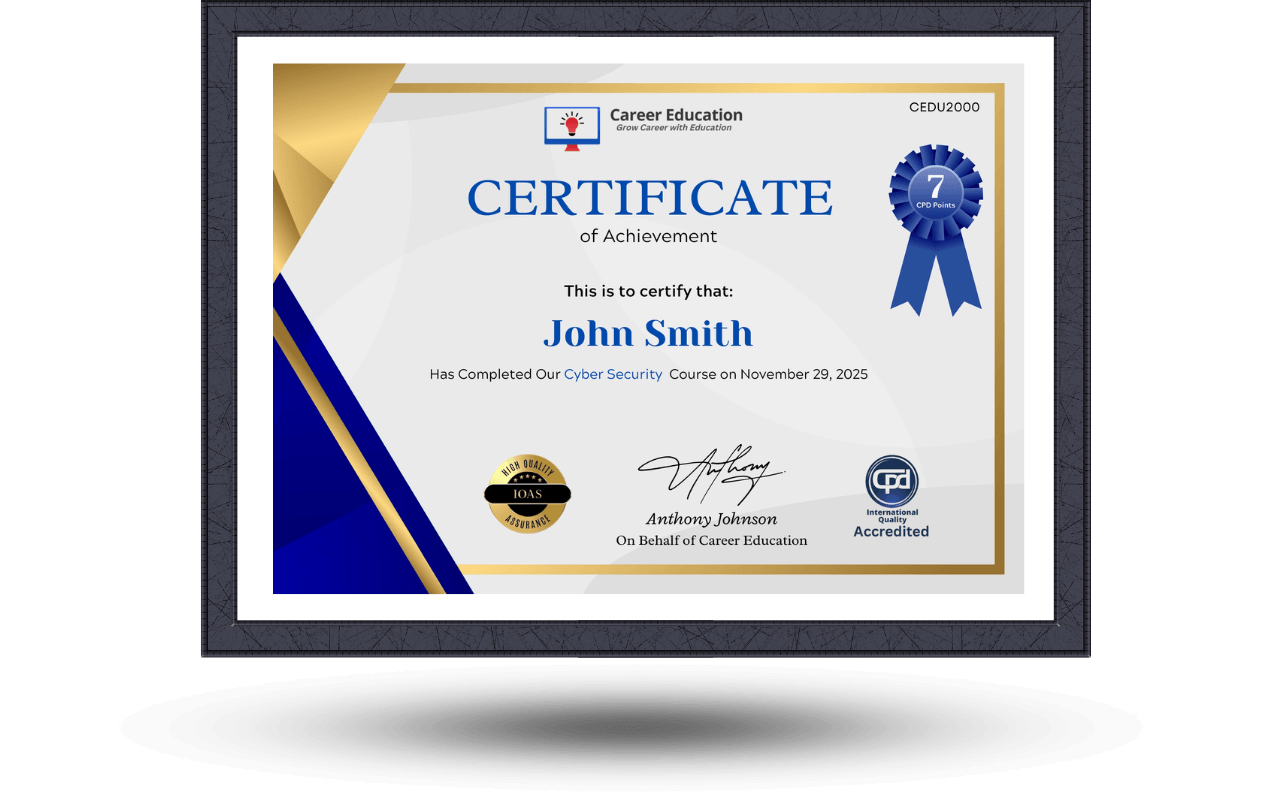
Upon completion of the course, an e-certificate will be downloadable from Khan Education signifying the completion of your course. But, the course is CPD Accredited and after you complete the assignment, you will be eligible to order a certificate accredited by CPD International Quality for £5.99 only. If you want a hardcopy certificate accredited by CPD IQ, you can get it for only £15.99.
Get your CertificateSimilar Courses