


Data analysis in computer science is the process of using computer systems, software, algorithms and statistical methods to examine raw data and turn it into useful information. In simple words, it means using computers to collect, clean, process, model and visualise data so that people or systems can make better decisions.
The idea is simple, but the applications can be very powerful. A computer can analyse thousands, millions or even billions of records much faster than a human can. It can find patterns in customer behaviour, detect fraud, recommend videos, predict machine failure, analyse medical test results, classify images or study website traffic.
So, when people ask what is data analysis in computer, the easiest answer is this: it is the use of computer software and techniques to understand data and extract meaningful insights from it.
In computer science, data analysis is closely connected to databases, programming, algorithms, statistics, machine learning, artificial intelligence, software engineering, data mining and data visualisation. It is used in almost every modern technology field, from business apps and search engines to healthcare systems and scientific research.
The main goal is to turn large or complex datasets into insights that humans may not easily notice on their own.
What Is Data Analysis in Computer?
Data analysis in computer means using computer-based tools to study data and find useful patterns, trends or relationships. The data may come from websites, mobile apps, databases, machines, laboratory instruments, business systems, sensors, social media, customer records or scientific experiments.
A simple example is a supermarket using computer software to analyse sales records. The system may show which products sell best, which days are busiest, which customers buy certain items together and when stock needs to be reordered.
Another example is a streaming platform analysing viewing behaviour. The system may study what people watch, how long they watch, what they skip and what similar users enjoy. This helps recommend films or shows.
In both examples, data analysis is done through computer systems. The computer stores the data, processes it, applies rules or algorithms and presents the result through reports, dashboards or automated decisions.
What Is Data Analysis in Computer Science?
Data analysis in computer science is the study and application of computational methods for handling and understanding data. It includes collecting data, storing it efficiently, cleaning it, transforming it, analysing it and presenting the results.
Computer science adds a technical layer to data analysis. Instead of only calculating averages in a spreadsheet, computer science may involve algorithms, programming, databases, cloud computing, machine learning and large-scale processing.
For example, a computer scientist may design an algorithm that detects unusual bank transactions. Another may build software that analyses medical images. Another may create a system that processes millions of website events per day.
In computer science, data analysis is not only about reading data. It is about building systems that can process data efficiently and intelligently.
What Is Data Analytics in Computer Science?
Data analytics in computer science is the wider use of computational tools, algorithms and models to turn data into insights and actions. It often includes descriptive, diagnostic, predictive and prescriptive analytics.
A simple way to understand the difference is:
| Term | Simple meaning |
| Data analysis | Studying data to find patterns and answers |
| Data analytics | Using data, tools and models to support decisions and actions |
| Computer science | The technical field that builds systems, software and algorithms |
For example, data analysis may show that customers are leaving a website at checkout. Data analytics may use that finding to predict which users are likely to leave and recommend changes to improve conversion.
IBM describes diagnostic analytics as analysing historical datasets to uncover root causes, patterns and relationships, while prescriptive analytics uses patterns and predictions to determine possible courses of action. This matches the way analytics moves from understanding data to supporting decisions.
Why Data Analysis Matters in Computer Science
Data analysis matters in computer science because modern computer systems generate and process huge amounts of information. Without analysis, that information remains raw and difficult to use.
Every time people use apps, websites, payment systems, sensors, search engines or online services, data is created. Computer science provides the methods to store, organise and analyse that data.
Data analysis helps computer systems:
- identify trends
- detect errors or fraud
- recommend products or content
- improve software performance
- understand user behaviour
- support artificial intelligence
- automate decisions
- predict future events
For example, an eCommerce website may use data analysis to understand why customers abandon their baskets. A banking system may use it to detect suspicious transactions. A healthcare system may use it to analyse patient records and improve treatment planning.
The value is practical. Data analysis helps technology systems become smarter, faster and more useful.
Key Components of Data Analysis in Computer Science
Data analysis in computer science usually includes data collection, data cleaning, transformation, modelling, visualisation and interpretation. These steps may happen in different ways depending on the project, but the overall process is similar.
Data Collection
Data collection means gathering information from different sources. In computer science, data may come from databases, software logs, sensors, websites, mobile apps, APIs, surveys, machines, images, videos or scientific instruments.
For example, a website may collect data on page visits, clicks, searches, purchases and user sessions. A mobile app may collect data on user activity, location permissions, screen time or feature usage. A hospital system may collect appointment records, patient test results and treatment data.
The quality of the analysis depends on the quality of the data collected. If the data is incomplete, biased or irrelevant, the final result may be misleading.
Data Cleaning
Data cleaning means fixing errors and inconsistencies before analysis. Raw data often contains mistakes, missing values, duplicates, incorrect formats or irrelevant entries.
For example, a customer database may include the same person twice. Dates may be written in different formats. A product category may be misspelled. Some rows may have missing values.
If these problems are not fixed, the analysis may be wrong.
Data cleaning may involve:
- removing duplicate records
- fixing incorrect values
- handling missing data
- standardising formats
- removing irrelevant fields
- checking outliers
- combining related data
In computer science, data cleaning may be done with Excel, SQL, Python, R, data pipelines or specialist software. Python’s pandas library is widely used for this type of work because it is designed for practical data analysis and manipulation.
Data Transformation
Data transformation means changing data into a format that is easier to analyse. This may include converting file types, changing date formats, grouping categories, creating new columns or combining datasets.
For example, a raw sales file may contain date, product, price and quantity. The analyst may create a new column for total revenue by multiplying price by quantity. They may also group products by category or convert daily data into monthly summaries.
Transformation helps make the data useful for analysis, modelling and reporting.
Modelling and Analysis
Modelling means applying statistical methods, algorithms or machine learning techniques to understand data or make predictions.
For example, a model may predict customer churn, estimate house prices, detect spam emails or classify images. In computer science, modelling can range from simple statistical analysis to advanced machine learning.
Common techniques include:
| Technique | What it does |
| Regression analysis | Studies relationships between variables |
| Classification | Places data into categories |
| Clustering | Groups similar items together |
| Time-series analysis | Studies patterns over time |
| Data mining | Finds hidden patterns in large datasets |
| Machine learning | Builds systems that learn from data |
The purpose is not only to calculate numbers. It is to understand what the data suggests and how that insight can be used.
Data Visualisation
Data visualisation means presenting data through charts, graphs, dashboards or other visual formats. This helps people understand findings quickly.
For example, a line chart may show website traffic over time. A bar chart may compare product sales. A dashboard may show revenue, customer growth, conversion rate and support tickets in one place.
Tools such as Power BI, Tableau and Excel are commonly used for visualisation. Microsoft describes Power BI as a platform that helps users connect to and visualise data, while Tableau is widely used for visual analytics and dashboards.
Good visualisation is not about making charts look decorative. It is about making insights easier to understand.
Types of Data Analysis in Computer Science
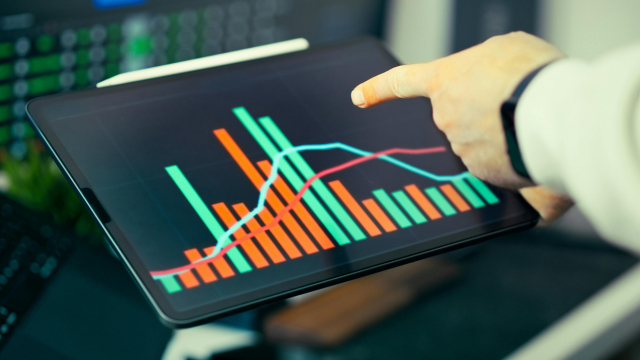
There are several types of data analysis used in computer science. The most common are descriptive, diagnostic, predictive and prescriptive analysis.
Descriptive Analysis
Descriptive analysis explains what happened. It summarises past data.
For example:
- How many users visited the website last month?
- Which product sold the most?
- How many app crashes happened this week?
- What was the average response time?
Descriptive analysis is usually the starting point. It gives a clear picture of past performance.
Diagnostic Analysis
Diagnostic analysis explains why something happened. It looks for causes and relationships.
For example, if website traffic increased but sales dropped, diagnostic analysis may check page speed, checkout errors, product availability or pricing.
In computer systems, diagnostic analysis can also help identify software problems. If an app crashes more often after an update, analysts may examine logs to find the cause.
Predictive Analysis
Predictive analysis uses past data to estimate what may happen in the future.
For example:
- Which customers may cancel their subscription?
- How many orders are expected next month?
- Which machines may fail soon?
- Which users are likely to click an advert?
Predictive analysis often uses statistics and machine learning. It does not guarantee the future, but it helps organisations prepare.
Prescriptive Analysis
Prescriptive analysis recommends what action should be taken.
For example, if predictive analysis suggests demand will increase, prescriptive analysis may recommend increasing stock. If a model predicts a customer may leave, the system may recommend sending a retention offer.
This is the most action-focused type of analytics. It connects data insights to decisions.
What Is Data Analysis in Computer Software?

Data analysis in computer software means using software applications to process, examine and visualise data. This can include spreadsheet software, database software, programming environments, statistical packages and business intelligence tools.
Common software includes:
| Software/tool | Main use |
| Excel | Spreadsheets, formulas, charts and PivotTables |
| SQL databases | Storing and querying structured data |
| Python | Cleaning, automation and advanced analysis |
| R | Statistical analysis and visualisation |
| Power BI | Dashboards and business intelligence |
| Tableau | Interactive visualisation |
| SPSS/Stata | Statistical and research analysis |
| Jupyter Notebook | Coding, analysis and documentation |
The software used depends on the task. A small business may use Excel. A data scientist may use Python. A large company may use SQL databases and Power BI dashboards.
What Is Data Analysis Computer Application?
A data analysis computer application is any software system used to collect, process, analyse or present data. It can be a general tool like Excel or a specialised application built for a particular industry.
Examples include:
- finance reporting systems
- hospital data systems
- customer analytics platforms
- laboratory analysis software
- HR analytics tools
- marketing dashboards
- scientific research tools
For example, in pharmacy or laboratory work, chromatographic data analysis software may be used to analyse results from instruments. In business, Power BI may be used to analyse sales and customer data. In scientific computing, Python or R may be used to analyse experimental results.
The purpose is always similar: use computer software to make data understandable and useful.
Big Data Analytics in Computer Science
Big data analytics in computer science means analysing extremely large, fast-moving or complex datasets that normal tools may struggle to handle. These datasets may come from websites, mobile apps, social media, financial transactions, sensors, smart devices, video platforms or business systems.
IBM describes big data analytics as the systematic processing and analysis of large and complex datasets to extract valuable insights, while Google Cloud explains that big data is often too huge and complex for traditional data-management systems to store, process and analyse easily.
A simple example is an online shopping platform. It may collect millions of records every day, including product views, clicks, searches, purchases, abandoned baskets, reviews and delivery data. Big data analytics can help the platform understand which products are trending, which customers are likely to buy again and which users may leave without completing checkout.
Big data analytics often uses advanced tools and techniques such as distributed computing, cloud platforms, machine learning, data mining and large-scale databases. The goal is not only to store large data, but to find useful meaning inside it.
Types of Data Analysis in Computer Science
Data analysis in computer science can take different forms depending on the question being asked. The four common types are descriptive, diagnostic, predictive and prescriptive analysis.
| Type | Main question | Example |
| Descriptive analysis | What happened? | App downloads increased by 20% |
| Diagnostic analysis | Why did it happen? | Downloads increased after a new advert campaign |
| Predictive analysis | What may happen next? | User sign-ups may rise again next month |
| Prescriptive analysis | What should we do? | Increase server capacity before the next campaign |
In computer science, these types may be supported by algorithms, databases, statistical methods and machine learning models. For example, predictive analysis may use past website behaviour to predict which users are likely to buy. Prescriptive analysis may recommend which product to show next.
This is where computer science makes data analysis more powerful. It allows analysis to happen at scale and sometimes in real time.
What Is a Data Analyst in Computer Science?
A data analyst in computer science works with data using technical tools, programming, databases and analytical methods. Their role is to collect, clean, analyse and explain data so that organisations can make better decisions.
A data analyst may write SQL queries, clean data using Python, create dashboards in Power BI or Tableau, and explain findings to managers. Coursera’s 2026 career guide describes a data analyst as someone who gathers, cleans and studies datasets to help solve problems.
In computer science, the role may be more technical than a basic reporting job. A data analyst may work with databases, APIs, software logs, user behaviour data, cloud systems or automated reporting tools.
Typical tasks include:
- collecting data from systems or databases
- cleaning and preparing datasets
- writing SQL queries
- analysing trends and patterns
- creating charts and dashboards
- explaining findings to non-technical teams
- supporting product, business or software decisions
The role is useful because many organisations collect more data than they can understand. A data analyst helps turn that data into clear insight.
Data Analytics in Computer Applications
Data analytics in computer applications means using software systems to analyse and improve how applications work. This can apply to mobile apps, websites, business platforms, learning systems, finance software, healthcare systems and many other applications.
For example, an eLearning platform may analyse learner activity to understand which lessons are completed, where learners drop out and which course features are most useful. A mobile banking app may analyse login patterns, failed transactions and customer support issues. A delivery app may analyse routes, driver performance and delivery times.
This kind of analysis helps software teams answer practical questions:
| Question | Why it matters |
| Which features are used most? | Helps improve product design |
| Where do users drop off? | Helps fix friction points |
| Which errors happen often? | Helps improve software reliability |
| Which users are inactive? | Helps improve retention |
| Which process takes too long? | Helps improve speed and efficiency |
Data analysis is now part of how many applications improve over time. The software collects data, the team studies it, and the product becomes better.
Chromatographic Data Analysis in Computer Applications
Chromatographic data analysis is a more specialised example of computer-based data analysis. Chromatography is used in fields such as chemistry, pharmacy, biochemistry and quality control to separate and study substances in a sample.
In computer applications, chromatographic data analysis usually means using software to collect, process and interpret data from chromatography instruments. For example, High Performance Liquid Chromatography, often called HPLC, can produce chromatograms that show peaks representing different compounds. Software helps detect peaks, measure peak areas, compare retention times and support quality-control decisions.
This is important in pharmacy because medicines must be tested carefully for identity, purity, strength and consistency. Chromatography software can help analysts process laboratory results, organise chromatographic data and compare batches. Specialist chromatography software is used for tasks such as method development, data processing and chromatographic database management.
However, the software does not replace scientific judgement. A trained analyst still needs to understand the method, sample, instrument conditions and regulatory requirements.
Topological Data Analysis in Computer Vision
Topological data analysis, often shortened to TDA, is a more advanced mathematical approach used to study the shape and structure of data. In computer vision, it can help analyse images, shapes, point clouds and patterns that may not be easy to understand with ordinary methods.
One important technique in TDA is persistent homology. It studies how topological features, such as connected components, holes or voids, appear and disappear across different scales. Research on topological data analysis in computer vision describes persistent homology as a central TDA method for tracking changes in the topology of data and summarising robust topological features through persistence diagrams.
In simpler words, TDA can help computers understand the shape of data. This may be useful in areas such as image analysis, object recognition, medical imaging, 3D shape analysis and pattern recognition.
This is not a beginner-level data analysis method. It belongs more to advanced computer science, mathematics and machine learning research. But it shows how broad data analysis can become when applied to complex computational problems.
Common Techniques Used in Computer-Based Data Analysis
Computer-based data analysis can use many techniques. Some are simple and used every day. Others are advanced and used in research, data science or artificial intelligence.
Common techniques include:
| Technique | What it does |
| Sorting and filtering | Organises data for easier review |
| Aggregation | Summarises totals, averages and counts |
| Regression analysis | Studies relationships between variables |
| Classification | Places data into categories |
| Clustering | Groups similar data points together |
| Data mining | Finds hidden patterns in large datasets |
| Time-series analysis | Studies changes over time |
| Machine learning | Builds models that learn from data |
| Natural language processing | Analyses text and language data |
| Image analysis | Studies visual data such as photos or scans |
For example, clustering may group customers with similar buying habits. Classification may identify whether an email is spam or not. Time-series analysis may forecast future sales. Natural language processing may analyse customer reviews.
These techniques help computers work with data in ways that would be too slow or difficult manually.
How to Do Data Analysis in Computer
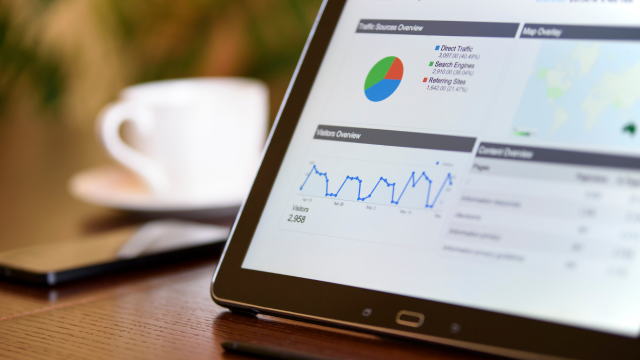
To do data analysis on a computer, you need a clear process. The software may change, but the workflow usually remains similar.
First, define the question. You need to know what you are trying to find out. For example, “Why did website sign-ups fall last month?” is better than “analyse website data.”
Second, collect the data. This may come from Excel files, databases, APIs, web analytics tools, sensors or software logs.
Third, clean the data. Remove duplicates, fix errors, handle missing values and make sure formats are consistent.
Fourth, analyse the data. Use formulas, SQL queries, Python scripts, statistical tools or machine learning models depending on the task.
Fifth, visualise the results. Use charts, dashboards or reports to make the findings understandable.
Finally, interpret the findings. Explain what the results mean and what action may be needed.
A simple workflow looks like this:
| Step | Example |
| Define question | Why did users stop using the app? |
| Collect data | App logs, user sessions, feedback |
| Clean data | Remove duplicates and invalid records |
| Analyse data | Compare active and inactive users |
| Visualise data | Create retention charts |
| Interpret results | Identify where users lose interest |
| Recommend action | Improve onboarding or notifications |
This process is used in many computer science and business settings.
Data Analysis Tools in Computer Science
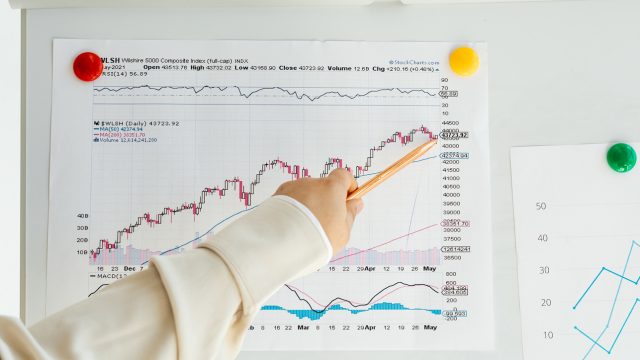
Different tools are used depending on the size and type of data. Some tools are beginner-friendly. Others are designed for advanced analytics or programming.
| Tool | Common use |
| Excel | Basic spreadsheet analysis |
| SQL | Querying databases |
| Python | Data cleaning, automation and modelling |
| R | Statistics and research analysis |
| Power BI | Business dashboards |
| Tableau | Data visualisation |
| SPSS/Stata | Statistical analysis |
| Jupyter Notebook | Coding and documenting analysis |
| Apache Spark | Big data processing |
| MATLAB | Engineering and scientific analysis |
For beginners, Excel and SQL are usually good starting points. Python becomes useful when the data is larger, the task is repetitive, or the analysis needs automation. Power BI and Tableau are useful when the goal is to create dashboards for business users.
Data Analysis in Computer Science Careers
Data analysis is important in many computer science careers. It can support roles in data analytics, software engineering, artificial intelligence, cybersecurity, database administration, cloud computing, research and product development.
For example, a software engineer may analyse system logs to improve performance. A cybersecurity analyst may analyse network activity to detect suspicious behaviour. A product analyst may study user behaviour to improve an app. A machine learning engineer may analyse training data before building a model.
Career paths connected to computer-based data analysis include:
| Career path | How data analysis is used |
| Data analyst | Reports, dashboards and business insights |
| Data scientist | Modelling, prediction and machine learning |
| Business intelligence analyst | Dashboards and performance reporting |
| Software engineer | Application logs and performance data |
| Cybersecurity analyst | Threat detection and network patterns |
| Database analyst | Data quality and database reporting |
| Machine learning engineer | Training data and model evaluation |
This is why data analysis is a useful skill even for people who do not want to become data analysts. It supports many technical careers.
Skills Needed for Data Analysis in Computer Science
To work with data analysis in computer science, you need both technical and thinking skills.
The most useful skills include:
| Skill | Why it matters |
| Excel or spreadsheets | Helps with basic analysis |
| SQL | Helps retrieve data from databases |
| Python or R | Helps automate and analyse data |
| Statistics | Helps interpret patterns correctly |
| Data visualisation | Helps communicate findings |
| Database knowledge | Helps understand where data is stored |
| Critical thinking | Helps avoid weak conclusions |
| Communication | Helps explain insights clearly |
A beginner does not need to master everything at once. Start with spreadsheets and basic data concepts. Then learn SQL. After that, learn Python, statistics and dashboards.
The key is to build practical projects. For example, analyse a public dataset, create a dashboard, write SQL queries or clean messy data with Python.
Challenges in Computer-Based Data Analysis
Data analysis in computer science can be powerful, but it also has challenges.
One challenge is data quality. If the data is incomplete, biased or incorrect, the analysis may be misleading.
Another challenge is scale. Large datasets may require stronger tools, cloud systems or distributed processing.
Privacy is also important. Computer systems often handle sensitive data such as customer records, health information or financial transactions. Analysts must follow data protection rules and ethical standards.
Another challenge is interpretation. A model may find a pattern, but humans still need to understand whether the pattern makes sense. Correlation does not always mean causation. A result may be statistically interesting but practically useless.
Good data analysis requires both technical skill and judgement.
Final Thoughts
Data analysis in computer science is the use of computer systems, software, algorithms and statistical methods to turn raw data into useful insight. It involves collecting data, cleaning it, transforming it, analysing it, visualising results and interpreting what the findings mean.
It is used in business software, mobile apps, healthcare systems, pharmacy, finance, marketing, computer vision, artificial intelligence, big data and many other fields. Some applications are simple, such as analysing sales in Excel. Others are advanced, such as using machine learning to predict user behaviour or topological data analysis to study complex shapes in computer vision.
The core purpose is always the same: to help people or systems understand data and make better decisions.
For beginners, the best route is to start with Excel, SQL, basic statistics and data visualisation. Then move into Python, databases, Power BI, machine learning or specialised fields depending on your goals.
Once you understand how computers collect, process and interpret data, you can see why data analysis has become one of the most important skills in modern computer science.