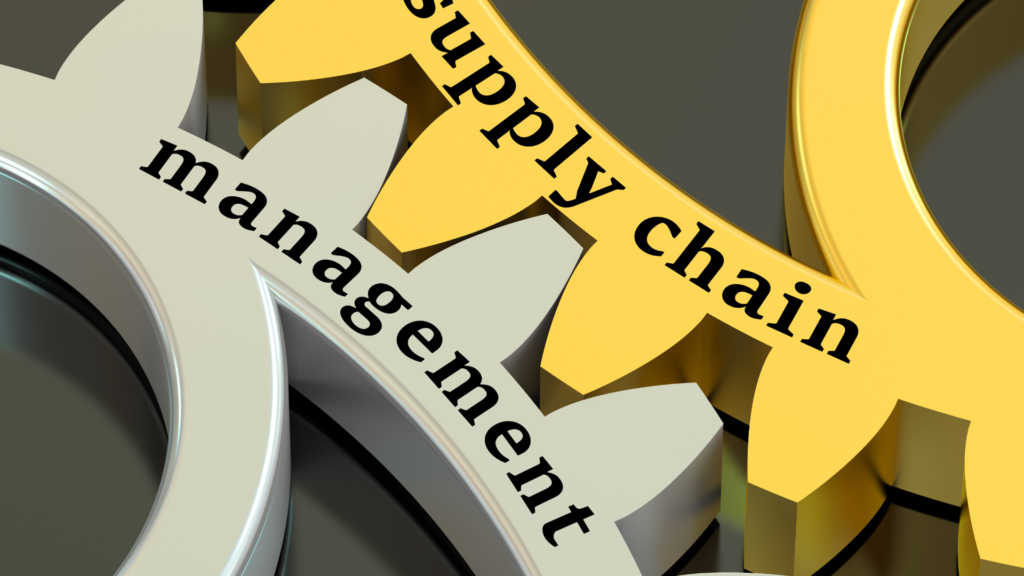
94%
OFF
OFF
Supply Chain Management Skills
- Lifetime Access
- All Levels
- PDF Certificate
£296
£19
14-Day Money-Back Guarantee
Learn With Confidence






Supply Chain Management Skills
In today’s competitive business environment, organisations need more than quality products and strong sales to succeed. They need efficient, resilient, and well-managed supply chains that can move products, information, and resources effectively from suppliers to customers. The Supply Chain Management Skills course is designed to help learners develop practical knowledge and strategic capabilities for managing modern supply chain operations.
Whether you are looking to start a career in supply chain management, strengthen your existing professional skills, or understand how global supply networks operate, this course provides a structured introduction to the essential principles, processes, and challenges involved. From supply chain planning and supplier selection to risk management and analytics, you will explore the areas that influence efficiency, cost, performance, and business continuity.
Why Develop Supply Chain Management Skills?
Supply chains are at the heart of almost every industry. Retailers depend on reliable suppliers and distribution networks, manufacturers need materials and components at the right time, and service businesses rely on efficient purchasing and resource management. When supply chains are poorly managed, businesses can experience delays, unnecessary costs, shortages, excess inventory, and customer dissatisfaction.
Developing strong Supply Chain Management Skills can help you understand how different parts of a supply network work together and how better decisions can contribute to organisational performance.
This course focuses on outcomes that can support your professional development, including the ability to:
-
Understand the key principles and functions of supply chain management.
-
Recognise how global supply chain operations affect business performance.
-
Understand supply chain design, planning, and operational decision-making.
-
Apply concepts associated with lean and agile supply management.
-
Understand purchasing processes and supplier selection.
-
Build stronger awareness of supplier relationships and integration.
-
Identify and assess common supply chain risks.
-
Understand how analytics can support supply chain decisions.
-
Recognise emerging challenges that may influence future supply chains.
-
Develop a broader strategic perspective of modern supply chain operations.
What Will You Learn?
The Supply Chain Management Skills course covers ten focused modules, giving you a comprehensive overview of the discipline and its changing role within modern organisations.
Module 1 – Introduction to Supply Chain Management
Begin by establishing a strong foundation in supply chain management. You will explore the fundamental concepts behind supply chains and understand how procurement, production, transportation, inventory, distribution, suppliers, and customers can form part of an interconnected system.
This foundation can help you understand why effective coordination is important and how decisions in one area of a supply chain can influence performance elsewhere. By developing this core knowledge, you can approach more advanced supply chain topics with greater confidence.
Module 2 – Global Supply Chain Operations
Modern organisations frequently operate across national borders, making global supply chain knowledge increasingly valuable. This module explores global supply chain operations and the complexities associated with managing activities across different locations and markets.
You will develop an understanding of how international operations can influence sourcing, transportation, suppliers, logistics, and overall supply chain performance. The knowledge gained can help you appreciate the wider considerations involved in managing supply networks in an interconnected global economy.
Module 3 – Supply Chain Design and Planning
Effective supply chains require careful design and planning. This module focuses on how supply chains can be structured and planned to support organisational objectives.
You will explore the importance of planning decisions and consider how supply chain design can influence efficiency, responsiveness, costs, and customer service. Developing this knowledge can help you understand how organisations make decisions about their supply networks and how planning contributes to smoother operations.
Module 4 – Lean Supply Management
Efficiency is a major consideration for organisations seeking to improve supply chain performance. Lean supply management focuses on reducing unnecessary activities and making better use of available resources.
Through this module, you will explore the principles of lean supply management and understand how organisations can identify opportunities to improve processes and minimise waste. These concepts can help you develop a more efficiency-focused approach when evaluating supply chain activities.
Module 5 – Agile Supply Management
Supply chains need to respond to changing customer expectations, market conditions, disruptions, and operational requirements. Agile supply management focuses on responsiveness and the ability to adapt.
This module introduces the principles of agile supply management and helps you understand why flexibility can be important in modern supply chain environments. You will develop a stronger appreciation of how organisations can respond to changing circumstances while continuing to support business and customer requirements.
Module 6 – Purchasing and Supplier Selection
Suppliers play a critical role in supply chain performance. Choosing appropriate suppliers and managing purchasing activities effectively can influence costs, quality, reliability, and continuity.
This module examines purchasing and supplier selection, helping you understand the considerations involved when organisations evaluate potential suppliers. You will gain knowledge that can support more informed thinking about supplier-related decisions and purchasing processes.
Module 7 – Relationship and Integration
A successful supply chain depends on cooperation between different organisations, departments, and stakeholders. Strong relationships and effective integration can improve communication, coordination, and overall performance.
In this module, you will explore the importance of relationships and integration within supply chains. You will develop an understanding of how collaboration between supply chain participants can contribute to more coordinated and effective operations.
Module 8 – Managing Supply Chain Risks
Supply chains can be affected by numerous risks, including supplier problems, operational disruptions, transportation challenges, changing markets, and unexpected events. Effective risk management is therefore an important part of modern supply chain practice.
This module introduces supply chain risk management and helps you understand how risks can be identified and considered. By developing your awareness of supply chain vulnerabilities, you can better appreciate the importance of preparation, resilience, and contingency thinking.
Module 9 – Building Supply Chain Analytics
Data is increasingly important to supply chain decision-making. Organisations can use information and analytics to understand performance, identify patterns, monitor operations, and support better decisions.
This module introduces the role of supply chain analytics and explores how analytical thinking can contribute to supply chain management. You will gain a clearer understanding of why data-driven decision-making is becoming increasingly important for modern supply chain professionals.
Module 10 – The Future Challenges
The supply chain landscape continues to evolve. Businesses must respond to changing technologies, customer expectations, global conditions, operational pressures, and other emerging challenges.
The final module considers future challenges facing supply chain management and encourages you to think about how the profession may develop. This forward-looking perspective can help you recognise the importance of adaptability and continuous learning in a changing business environment.
Build Practical Knowledge for Modern Supply Chains
The Supply Chain Management Skills course is designed around the knowledge that professionals need to understand the complete supply chain rather than focusing on only one operational area.
You will explore how different activities connect together, from purchasing and supplier relationships through to planning, risk management, and analytics. This broader perspective can help you understand the consequences of supply chain decisions and appreciate how individual functions contribute to wider organisational objectives.
Rather than treating supply chain activities as isolated processes, the course encourages you to consider the supply chain as an interconnected system. This can be particularly valuable when working with colleagues, suppliers, customers, logistics providers, purchasing teams, and other stakeholders.
Develop Skills That Support Career Progression
Strong Supply Chain Management Skills can be relevant across a wide range of roles and industries. Businesses of all sizes need people who understand how goods, services, resources, and information move through their operations.
The knowledge covered in this course can be useful for individuals interested in areas such as:
-
Supply chain management
-
Procurement and purchasing
-
Logistics
-
Operations management
-
Supplier management
-
Inventory and distribution
-
Business management
-
Supply chain planning
-
Risk management
-
Supply chain analytics
For existing professionals, the course can also provide an opportunity to broaden their understanding beyond their current responsibilities. Learning how different supply chain functions interact can support more informed communication and decision-making.
Improve Your Professional Confidence
Entering a new area of business can be challenging when you do not understand its terminology, processes, and priorities. The Supply Chain Management Skills course provides a structured learning journey that moves from foundational concepts to more specialised areas.
You can build your understanding progressively, starting with the fundamentals before exploring global operations, planning, lean and agile approaches, purchasing, relationships, risk, analytics, and future challenges.
By the end of the course, you can have a stronger overall understanding of the factors that contribute to effective supply chain management and the challenges organisations need to consider.
Understand Efficiency, Resilience, and Adaptability
Three important themes running throughout modern supply chain management are efficiency, resilience, and adaptability.
Lean supply management introduces the importance of reducing waste and improving efficiency. Agile supply management highlights the need to respond to change. Risk management demonstrates why organisations must prepare for potential disruption. Analytics shows how information can support better decisions.
Together, these areas provide a valuable framework for understanding how modern supply chains can be managed in an increasingly complex business environment.
Who Can Benefit From This Course?
The Supply Chain Management Skills course can be suitable for learners who want to develop their understanding of supply chain operations and related business functions.
It may be particularly useful for:
-
Beginners considering a career in supply chain management.
-
Professionals seeking to expand their business and operational knowledge.
-
Employees working in purchasing, procurement, logistics, or operations.
-
Managers who want a broader understanding of supply chain activities.
-
Individuals interested in global supply chain operations.
-
Learners looking to strengthen their professional development.
-
Anyone seeking structured knowledge of modern supply chain principles.
You do not need to limit your learning to one specific industry. Supply chain principles can be relevant wherever organisations source, produce, store, move, or deliver products, services, and resources.
Take the Next Step in Your Supply Chain Learning
Businesses increasingly need supply chains that are efficient, responsive, data-informed, and capable of managing uncertainty. Developing the right knowledge can help you understand the decisions behind these outcomes and recognise how supply chain functions contribute to wider business success.
The Supply Chain Management Skills course gives you the opportunity to explore the discipline from multiple perspectives. You will move from the fundamentals of supply chain management through global operations, planning, lean and agile supply management, purchasing, supplier relationships, risk management, analytics, and future challenges.
By completing the course, you can develop a stronger foundation for understanding supply chain operations and build knowledge that may support further learning or professional development.
If you are ready to broaden your understanding of supply chains and develop practical knowledge across key areas of the discipline, the Supply Chain Management Skills course provides a comprehensive starting point for your learning journey. Enrol today and take a confident step toward developing the knowledge and capabilities needed to understand and navigate modern supply chain environments.
Course Modules
Course Content
Supply Chain Management_ Module 1 – Introduction to Supply Chain Management
-
Supply Chain Management_ Lesson 1 – Introduction to Supply Chain Management
Supply Chain Management_ Module 10 – The Future Challenges
Supply Chain Management_ Module 2 – Global Supply Chain Operations
Supply Chain Management_ Module 3 – Supply Chain Design and Planning
Supply Chain Management_ Module 4 – Lean Supply Management
Supply Chain Management_ Module 5 – Agile Supply Management
Supply Chain Management_ Module 6 – Purchasing and Supplier Selection
Supply Chain Management_ Module 7 – Relationship and Integration
Supply Chain Management_ Module 8 – Managing Supply Chain Risks
Supply Chain Management_ Module 9 – Building Supply Chain Analytics
What our students say
Excellent
4.9 average
158 Reviews

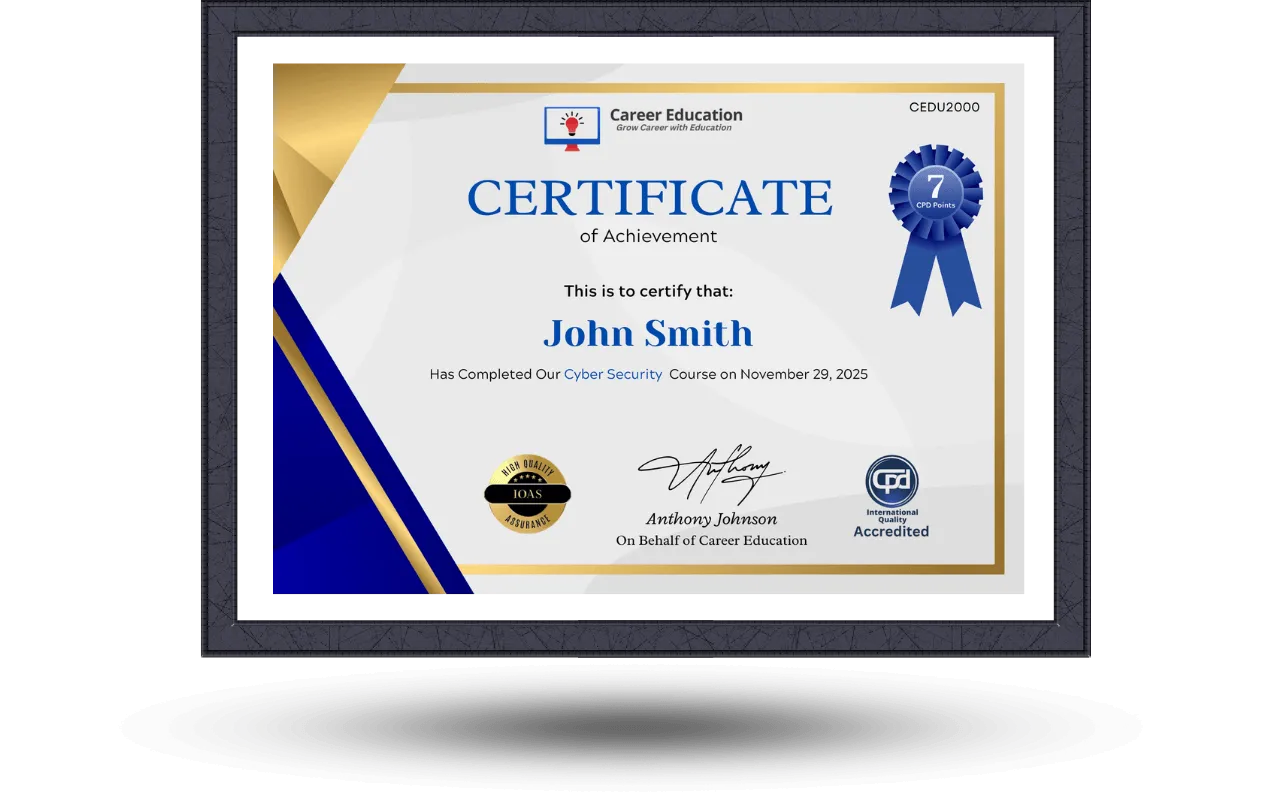
Earn an Accredited Certificate
Upon completion of any course, all students are entitled to a CPD IQ Accredited e-certificate that will be issued by Career Education signifying the completion of your course.
After you complete the course and assignment, you will be eligible to order a free certificate accredited by CPD International Quality by completing the form below.
Hardcopy certificates and transcripts are also available for a small additional fee. More information is disclosed upon course completion.
Similar Courses



Frequently Asked Questions
The lifetime membership includes unlimited access to all courses, resources, and updates for a one-time fee.
You can purchase the membership directly from our website using a secure checkout process.
Yes, selected courses can be downloaded for offline access through our mobile app.
Yes, all future updates and new courses are included at no extra cost.
Yes, we offer a 30-day money-back guarantee if you are not satisfied with the membership.