
94%
OFF
OFF
Spill Prevention, Control and Response
- Lifetime Access
- All Levels
- PDF Certificate
£296
£19
14-Day Money-Back Guarantee
Learn With Confidence






Spill Prevention, Control and Response
Managing oil and hazardous substances safely is an important responsibility for organisations that store, handle or use these materials. A poorly managed spill can result in environmental damage, workplace hazards, regulatory consequences, operational disruption and significant cleanup costs. Effective preparation is therefore essential for preventing spills and responding appropriately when incidents occur.
Spill Prevention, Control and Response is a practical, outcome-focused course designed to help learners understand the fundamental principles of spill prevention, control and response planning. The course introduces SPCC regulations, explores oil and hazardous substances, explains how an SPCC plan can be developed and examines practical measures for prevention, control and secondary containment.
Whether you work in environmental management, facilities, operations, construction, manufacturing, maintenance or workplace safety, this course can help you develop greater awareness of responsible spill management practices.
Why Spill Prevention, Control and Response Matters
Oil and hazardous substances can pose serious risks when they are released without adequate controls. Even a relatively small spill can contaminate surfaces, soil or water and create additional risks depending on the substance involved and the surrounding environment.
Organisations that store or handle oil may need appropriate plans and procedures to prevent discharges and reduce their potential impact. Effective spill management therefore involves more than reacting to an incident after it occurs. It requires planning, prevention measures, containment systems, employee awareness and appropriate response procedures.
Spill Prevention, Control and Response takes a proactive approach to these responsibilities. You will learn how prevention measures, spill controls and secondary containment can work together to reduce the likelihood and consequences of releases.
The course also introduces the concept of an SPCC plan and explains why appropriate planning is an important part of environmental risk management.
What You Will Learn
By completing Spill Prevention, Control and Response, you will develop knowledge that can help you:
-
Understand the purpose of SPCC regulations and planning.
-
Recognise the risks associated with oil and hazardous substances.
-
Understand the importance of spill prevention.
-
Identify factors that can contribute to spills and releases.
-
Understand the key elements of an SPCC plan.
-
Explore practical spill prevention measures.
-
Understand basic spill control principles.
-
Recognise the role of containment in spill management.
-
Understand secondary containment requirements and their purpose.
-
Support better workplace spill preparedness.
-
Contribute to environmental protection efforts.
-
Improve awareness of appropriate response procedures.
-
Support safer handling and storage practices.
-
Develop a more proactive approach to spill risk management.
Course Curriculum
Module 1: Introduction to SPCC Regulations
Lesson 1: Introduction to SPCC Regulations
The first module introduces the fundamentals of SPCC regulations and explains their importance in preventing and controlling oil discharges.
You will explore the purpose of spill prevention planning and why organisations that store or handle oil need to understand their environmental responsibilities.
The module introduces the concept of an SPCC plan and the role it can play in identifying potential spill sources, establishing prevention measures and preparing for appropriate response.
You will also develop greater awareness of the importance of compliance and why organisations should understand the requirements applicable to their specific facilities and operations.
The goal is to provide a strong foundation for understanding the regulatory and planning principles explored throughout the course.
Module 2: Understanding Oil and Hazardous Substances
Effective spill prevention begins with understanding the substances being stored, handled or used.
This module explores the characteristics and risks associated with oil and hazardous substances. You will consider how different substances can create different environmental and operational risks when released.
You will learn why factors such as storage methods, quantities, locations, handling procedures and environmental conditions should be considered when assessing spill risks.
The module also highlights the importance of understanding the materials present at a facility before developing appropriate prevention and response measures.
By completing this module, you will have a stronger foundation for recognising potential spill hazards and understanding why different materials may require different controls.
Module 3: Developing an SPCC Plan
An effective SPCC plan provides a structured approach to managing spill risks. This module focuses on the principles involved in developing an SPCC plan.
You will explore how facilities can identify oil storage and handling areas, assess potential sources of releases and establish appropriate prevention and control measures.
You will also consider the importance of documenting relevant information and maintaining a plan that reflects actual facility conditions and operations.
The module encourages a systematic approach to spill planning. Rather than responding only after an incident occurs, organisations can use planning to identify potential weaknesses and establish appropriate controls in advance.
You will gain a clearer understanding of the role of planning, documentation and ongoing review in effective spill prevention.
Module 4: Spill Prevention Measures
Preventing a spill is generally preferable to dealing with the consequences of one. This module focuses on practical measures that can reduce the likelihood of oil and hazardous substance releases.
You will explore preventive approaches involving storage, handling, equipment condition, inspections and operational practices.
The module highlights the importance of identifying potential failure points and addressing them before they result in a release.
You will also consider how employee awareness and appropriate procedures can support prevention. Workers who understand the risks associated with materials and equipment are better positioned to recognise unsafe conditions and take appropriate action.
By completing this module, you will have greater awareness of how proactive prevention measures can reduce environmental and operational risks.
Module 5: Spill Control Measures
Even with effective prevention measures, incidents can still occur. This module focuses on the principles of spill control and response.
You will explore how organisations can prepare to control a release and limit its spread. The module examines the importance of having appropriate response procedures, equipment and responsibilities established before an incident occurs.
You will also consider why early action can be important in limiting the potential consequences of a spill.
The course encourages a structured response approach that considers the nature of the substance, the surrounding environment, worker safety and appropriate reporting or escalation procedures.
By completing this module, you will develop a stronger understanding of the role of spill control measures in reducing the potential impact of an incident.
Module 6: Secondary Containment Requirements
Secondary containment is an important part of spill prevention and control because it can help contain released materials and reduce the likelihood of environmental contamination.
This module examines the purpose and principles of secondary containment. You will explore how containment systems can be used around storage areas and other locations where releases may occur.
You will consider factors that influence containment requirements, including the type and quantity of materials, storage arrangements and applicable regulatory requirements.
The module also highlights the importance of maintaining containment systems in suitable condition. A containment system that is damaged, compromised or improperly maintained may not provide the expected level of protection.
By completing this module, you will better understand how secondary containment supports broader spill prevention and environmental protection strategies.
Practical Outcomes You Can Apply
Spill Prevention, Control and Response is designed to give you practical knowledge that can be applied in relevant workplace environments.
You will develop greater awareness of potential spill sources and the importance of proactive prevention. This can help you recognise opportunities to improve storage, handling and operational practices.
You will also gain a clearer understanding of how an SPCC plan can bring different prevention and control measures together. Rather than treating spill management as an isolated activity, you will understand it as part of a broader environmental risk management process.
The course can also help you communicate more effectively with colleagues and responsible personnel about spill risks, containment requirements and response preparedness.
Improve Environmental Risk Awareness
Environmental protection is an important consideration for organisations that store or use oil and hazardous substances.
A release can potentially affect soil, drainage systems, waterways and surrounding areas. The consequences may extend beyond the immediate location of the spill.
Through this course, you will develop a stronger understanding of how prevention and containment measures can help reduce these risks.
You will learn why identifying potential release points and establishing appropriate controls before an incident occurs is an important part of responsible facility management.
Strengthen Spill Preparedness
Effective response begins before the spill happens.
Organisations should understand what materials are present, where they are stored, what risks they create and what procedures should be followed if a release occurs.
Spill Prevention, Control and Response helps you understand these planning principles. You will explore the importance of appropriate response procedures, responsibilities and control measures.
This knowledge can help you contribute to better preparedness and support a more coordinated response when incidents occur.
Support Better Storage and Handling Practices
How materials are stored and handled can significantly influence spill risk.
Poor storage arrangements, damaged equipment, inadequate inspections or inappropriate handling can increase the possibility of accidental releases.
The course helps you understand why storage and handling practices should be considered as part of an overall spill prevention strategy.
By recognising potential weaknesses and supporting appropriate preventive measures, you can contribute to safer and more environmentally responsible operations.
Understand the Role of Secondary Containment
Secondary containment can provide an additional layer of protection when primary storage or handling systems fail.
Understanding its purpose is therefore important for professionals involved in environmental management, facilities, operations or safety.
The course introduces the key considerations surrounding containment and explains why containment systems must be appropriate for the materials and conditions involved.
You will also develop awareness of the importance of inspection and maintenance to ensure that containment measures remain effective.
Who Is This Course For?
Spill Prevention, Control and Response may be suitable for:
-
Environmental health and safety professionals.
-
Facilities managers.
-
Operations managers.
-
Maintenance personnel.
-
Construction professionals.
-
Manufacturing workers and supervisors.
-
Warehouse and storage personnel.
-
Environmental management professionals.
-
Site supervisors.
-
Compliance and risk-management personnel.
-
Business owners responsible for oil storage.
-
Employees involved in handling oil or hazardous substances.
It can also benefit professionals who want to develop a stronger understanding of spill prevention planning and environmental risk management.
Develop a Proactive Approach to Spill Management
Effective spill management begins with prevention. Organisations that understand their risks and establish appropriate controls are better positioned to reduce the likelihood and consequences of releases.
Spill Prevention, Control and Response encourages a proactive mindset by helping learners understand how planning, prevention, containment and response work together.
You will explore why spill preparedness should be integrated into everyday operations rather than treated as an emergency-only responsibility.
This approach can support stronger environmental awareness and help organisations prepare for potential incidents more effectively.
Strengthen Your Environmental and Safety Knowledge
Managing oil and hazardous substances responsibly requires knowledge, preparation and attention to detail. From understanding applicable SPCC requirements to developing prevention measures and maintaining containment systems, each element contributes to effective spill management.
This course provides a structured introduction to these important areas and helps learners understand how they connect.
You will gain knowledge that can support workplace discussions, planning activities, inspections and environmental management practices. You will also develop greater awareness of why regulatory compliance and facility-specific requirements must be considered when implementing spill prevention measures.
Take the Next Step Towards Better Spill Preparedness
A strong spill management programme can help organisations protect employees, property, operations and the environment.
Spill Prevention, Control and Response gives you the opportunity to develop a practical understanding of SPCC planning, oil and hazardous substances, spill prevention, spill control and secondary containment.
By completing the course, you can strengthen your awareness of spill risks and become better prepared to contribute to prevention and response activities within appropriate workplace settings.
Whether you work in environmental management, operations, construction, manufacturing, maintenance or safety, the knowledge gained can support more responsible and proactive spill management.
Start learning Spill Prevention, Control and Response today and build the knowledge needed to understand spill risks, strengthen prevention practices, support effective containment and contribute to better environmental protection.
Course Modules
Course Content
Module 1_ Introduction to SPCC Regulations
-
Lesson 1_ Introduction to SPCC Regulations
Module 2_ Understanding Oil and Hazardous Substances
Module 3_ Developing an SPCC Plan
Module 4_ Spill Prevention Measures
Module 5_ Spill Control Measures
Module 6_ Secondary Containment Requirements
What our students say
Excellent
4.9 average
158 Reviews

Earn an Accredited Certificate
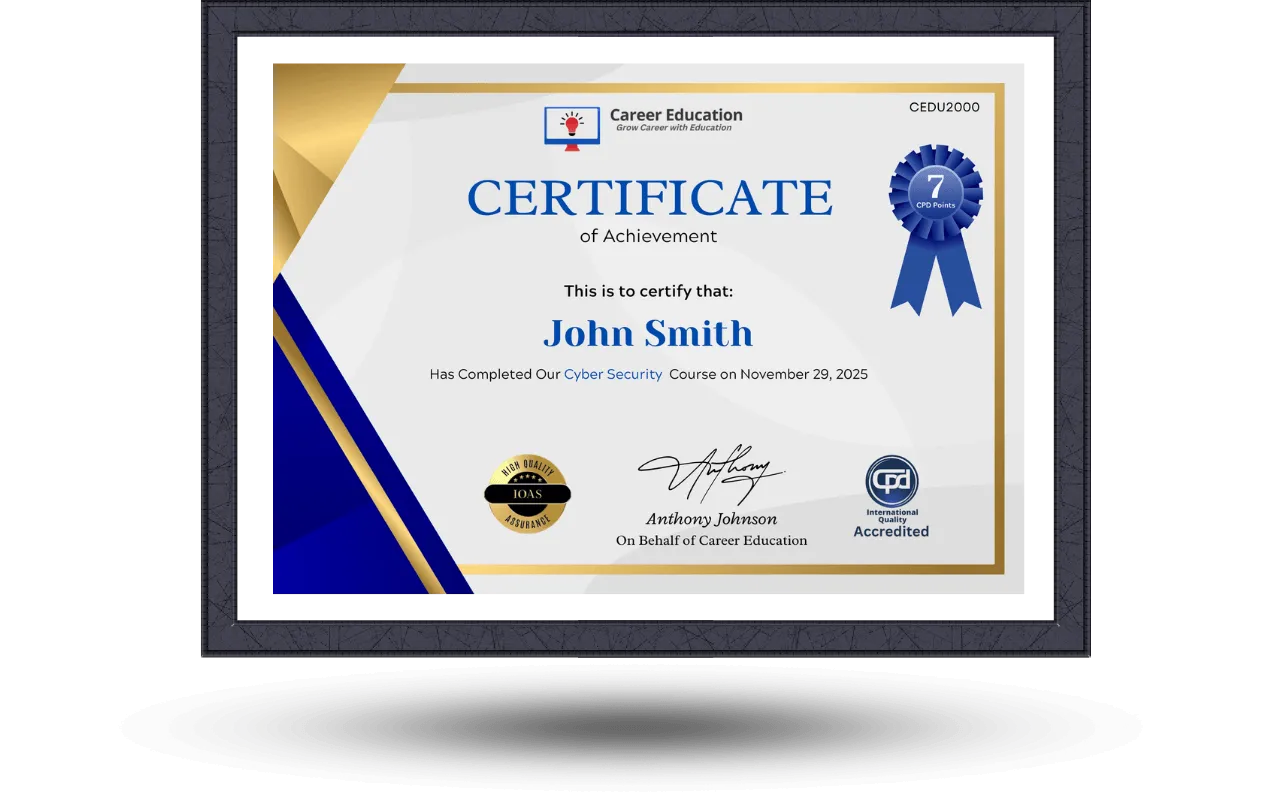
Upon completion of any course, all students are entitled to a CPD IQ Accredited e-certificate that will be issued by Career Education signifying the completion of your course.
After you complete the course and assignment, you will be eligible to order a free certificate accredited by CPD International Quality by completing the form below.
Hardcopy certificates and transcripts are also available for a small additional fee. More information is disclosed upon course completion.
Similar Courses



Frequently Asked Questions
The lifetime membership includes unlimited access to all courses, resources, and updates for a one-time fee.
You can purchase the membership directly from our website using a secure checkout process.
Yes, selected courses can be downloaded for offline access through our mobile app.
Yes, all future updates and new courses are included at no extra cost.
Yes, we offer a 30-day money-back guarantee if you are not satisfied with the membership.