
94%
OFF
OFF
Resource Budgeting and Allocation
- Lifetime Access
- All Levels
- PDF Certificate
£296
£19
14-Day Money-Back Guarantee
Learn With Confidence








Resource Budgeting and Allocation
Effective resource management is essential for turning plans, campaigns, and organisational goals into measurable results. Without a clear understanding of how resources should be assessed, budgeted, and allocated, even well-designed initiatives can face overspending, staffing challenges, operational inefficiencies, and missed objectives. The Resource Budgeting and Allocation course is designed to help learners develop practical skills for planning and managing financial and operational resources with greater confidence.
This outcome-focused course provides a structured introduction to campaign budgeting, objective setting, resource assessment, personnel costs, marketing expenditure, and operational expenses. It is suitable for learners who want to understand how effective budgeting supports better decision-making and improves the overall use of available resources.
Why Resource Budgeting and Allocation Matters
Every campaign or project operates within limitations. There may be a fixed financial budget, a limited number of employees, restricted working hours, or specific operational costs that need to be controlled. Successful organisations therefore need people who can make informed decisions about where resources should be used and how spending should be monitored.
Resource Budgeting and Allocation provides learners with the knowledge to connect objectives with available resources. Rather than simply creating a list of expenses, effective budgeting involves understanding priorities, estimating costs, assigning resources appropriately, and reviewing whether spending is contributing to the intended outcomes.
By developing these skills, learners can become better prepared to support campaigns, projects, marketing activities, and day-to-day operations.
What You Will Learn
The course takes learners through the essential stages of resource budgeting and allocation. Each module focuses on a practical area of financial and resource planning.
Module 1: Introduction to Campaign Budgeting
The course begins by introducing the principles of campaign budgeting. Learners will explore why budgets are important and how they support planning, financial control, and decision-making.
You will develop an understanding of how campaign activities translate into financial requirements and why realistic budgeting is essential for successful delivery. This foundation can help you approach future budgeting tasks with a clearer understanding of costs, priorities, and resource limitations.
Module 2: Setting Campaign Objectives and Goals
A budget should support clearly defined objectives. In this module, you will explore how campaign goals can influence resource requirements and spending priorities.
You will learn how to establish meaningful objectives and consider how resources can be aligned with the outcomes a campaign is expected to achieve. This can help you avoid allocating money simply because funds are available and instead focus spending on activities that contribute to defined goals.
By the end of this module, you will have a stronger understanding of the relationship between objectives, priorities, and budget decisions.
Module 3: Assessing Resources and Costs
Before developing a budget, it is important to understand what resources are required and how much they may cost. This module focuses on assessing available resources and identifying potential expenditure.
You will explore how to consider personnel, marketing, operational, and other campaign-related requirements. You will also develop a more systematic approach to identifying costs before they become unexpected financial pressures.
This knowledge can help you prepare more realistic budgets and make better-informed resource decisions.
Module 4: Developing a Campaign Budget Plan
Once objectives, resources, and costs have been considered, the next step is creating a structured budget plan.
This module focuses on bringing the earlier concepts together. You will explore how to organise expected expenditure, establish spending priorities, and create a budget that reflects campaign requirements.
A well-developed budget can provide a framework for controlling expenditure throughout a campaign. You will therefore gain an understanding of how planning can support financial visibility and help decision-makers respond to changing circumstances.
Module 5: Budgeting for Personnel and Staffing
People are often one of the most important resources within a campaign or project. Staffing requirements can also represent a significant proportion of overall expenditure.
This module explores how personnel and staffing requirements can be incorporated into a budget. You will consider the financial implications of staffing needs and how resources can be allocated according to campaign requirements.
The knowledge gained can help you better understand the importance of accounting for personnel costs when creating comprehensive resource plans.
Module 6: Allocating Funds for Marketing and Advertising
Marketing and advertising can play an important role in campaign performance, but these activities need to be supported by appropriate financial planning.
In this module, you will explore how funds can be allocated to marketing and advertising activities. You will consider how campaign priorities can influence spending decisions and why resources should be directed towards activities that support defined objectives.
This can help you approach marketing expenditure more strategically rather than treating advertising costs as isolated expenses.
Module 7: Managing Operational Expenses
Campaigns also involve operational expenses that can affect the overall budget. These costs need to be identified, planned for, and monitored alongside other expenditure.
The final module focuses on managing operational expenses and maintaining better control over the resources required to keep campaign activities running effectively.
You will develop a broader understanding of how operational spending fits into the overall budget and why monitoring expenses is important for maintaining financial discipline.
Develop Practical Budgeting Skills
One of the key benefits of Resource Budgeting and Allocation is its practical, outcome-focused approach. The course is designed to help learners understand how budgeting concepts can be applied to realistic campaign and organisational situations.
Rather than focusing only on theoretical definitions, the curriculum follows the logical process of budgeting: establish objectives, assess requirements, estimate costs, develop a plan, allocate resources, and manage expenditure.
This approach can help you build a more organised way of thinking about financial and resource decisions.
Improve Resource Planning and Decision-Making
Effective resource allocation requires more than knowing how much money is available. Decision-makers must understand priorities and determine where resources can create the greatest value.
Through this course, you can develop a stronger foundation for evaluating resource requirements and connecting spending decisions with campaign objectives. These skills may support more confident participation in budgeting discussions and planning activities.
You can also gain greater awareness of how personnel, marketing, and operational expenses interact within a broader budget.
Support Better Financial Control
Poor budget management can make it difficult to understand where money is being spent or whether expenditure remains aligned with campaign objectives. A structured approach to budgeting provides greater visibility over planned costs and resource requirements.
Resource Budgeting and Allocation introduces learners to the principles needed to establish this structure. By understanding how to identify costs and organise expenditure, you can become better prepared to support financial monitoring and responsible resource use.
Who Is This Course For?
This course can be valuable for a wide range of learners interested in budgeting, campaign planning, resource management, and business operations.
It may be particularly useful for:
-
Aspiring project and campaign coordinators
-
Marketing and advertising professionals
-
Business and management learners
-
Entrepreneurs and small business owners
-
Administrative and operational staff
-
Team leaders and supervisors
-
Professionals involved in campaign planning
-
Individuals seeking to strengthen their budgeting knowledge
-
Learners interested in resource management and financial planning
Whether you are developing your professional skills or looking to strengthen your understanding of campaign budgeting, the course provides a structured learning pathway.
What Outcomes Can You Expect?
By completing Resource Budgeting and Allocation, you can develop the ability to:
-
Understand the fundamentals of campaign budgeting
-
Connect campaign objectives with resource requirements
-
Assess resources and identify relevant costs
-
Develop a structured campaign budget plan
-
Consider personnel and staffing costs during budget preparation
-
Understand how to allocate funds for marketing and advertising
-
Recognise and manage operational expenses
-
Make more informed resource allocation decisions
-
Approach campaign expenditure in a structured way
-
Support better financial planning and resource control
These outcomes can provide a useful foundation for applying budgeting principles across different campaign, project, and organisational environments.
Build Confidence in Resource Management
Resource decisions can directly influence whether a campaign has the capacity to achieve its objectives. Having a clear understanding of budgeting principles can therefore make it easier to participate in planning conversations, evaluate expenditure requirements, and communicate resource needs.
The Resource Budgeting and Allocation course gives learners an opportunity to build this knowledge in a logical and accessible format. From introducing campaign budgeting to exploring personnel, marketing, and operational expenses, the curriculum covers the key areas involved in creating and managing a campaign budget.
Strengthen Your Professional Skill Set
Budgeting and resource allocation skills can complement many other professional abilities. Marketing professionals may need to understand advertising budgets, project teams may need to consider staffing costs, and business professionals may need to evaluate operational expenditure.
Developing an understanding of resource budgeting can therefore broaden your professional skill set and help you contribute more effectively to planning and management activities.
You do not need to view budgeting as simply a financial task. It is also a planning and decision-making process that helps organisations determine how limited resources can be used to support important objectives.
Start Learning Resource Budgeting and Allocation
Effective campaigns depend on more than good ideas. They require realistic objectives, appropriate resources, careful cost assessment, and structured financial planning. When resources are allocated without a clear strategy, organisations can struggle to maintain control over expenditure and deliver planned outcomes.
The Resource Budgeting and Allocation course provides a practical foundation for understanding how budgets can be developed around campaign goals and resource requirements. You will explore campaign budgeting, objectives, cost assessment, budget planning, staffing, marketing and advertising expenditure, and operational expenses.
If you want to strengthen your understanding of budgeting and resource planning, this course can help you develop the knowledge and confidence needed to approach these responsibilities more systematically.
Enrol in the Resource Budgeting and Allocation course today and develop practical knowledge for planning, allocating, and managing resources with greater clarity and purpose.
Course Modules
Course Content
Module 1_ Introduction to Campaign Budgeting.
-
Lesson 1_ Introduction to Campaign Budgeting.
Module 2_ Setting Campaign Objectives and Goals.
Module 3_ Assessing Resources and Costs.
Module 4_ Developing a Campaign Budget Plan.
Module 5_ Budgeting for Personnel and Staffing.
Module 6_ Allocating Funds for Marketing and Advertising.
Module 7_ Managing Operational Expenses.
What our students say
Excellent
4.9 average
158 Reviews

Earn an Accredited Certificate
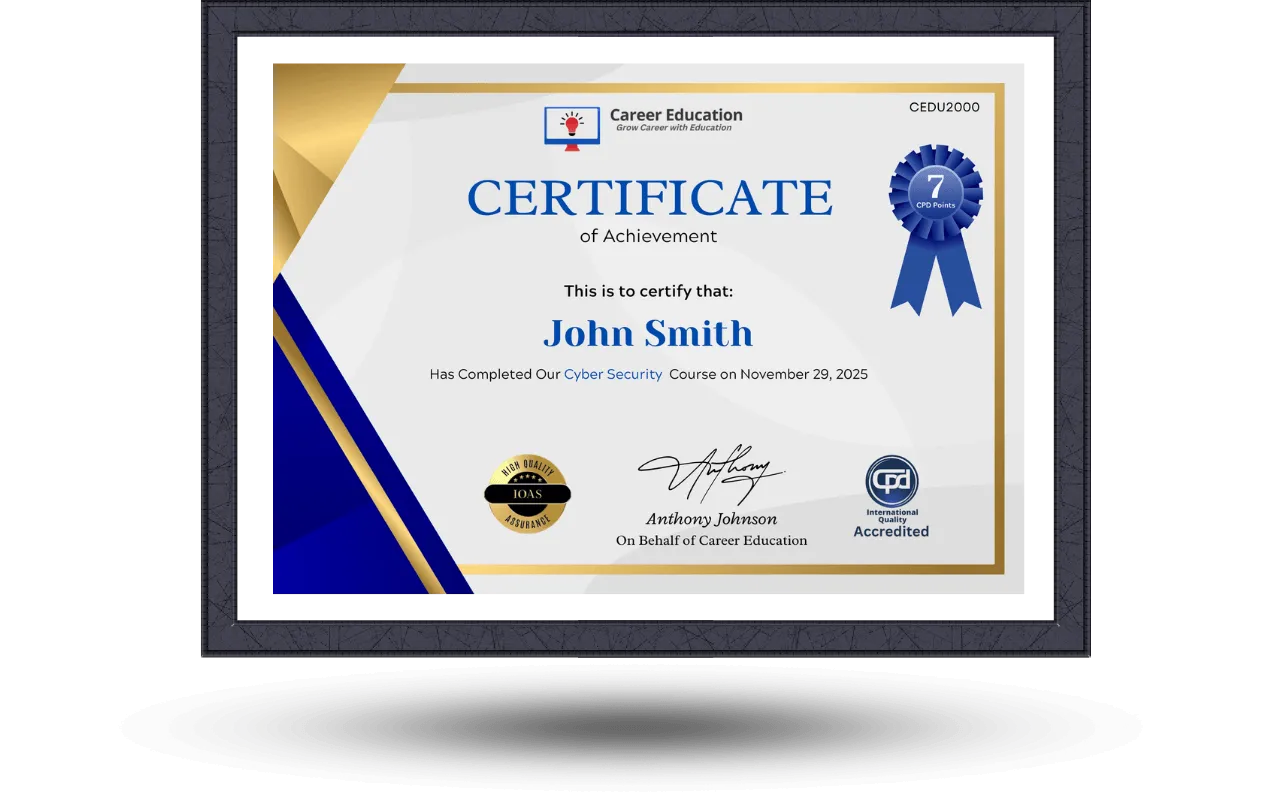
Upon completion of any course, all students are entitled to a CPD IQ Accredited e-certificate that will be issued by Career Education signifying the completion of your course.
After you complete the course and assignment, you will be eligible to order a free certificate accredited by CPD International Quality by completing the form below.
Hardcopy certificates and transcripts are also available for a small additional fee. More information is disclosed upon course completion.
Similar Courses


Frequently Asked Questions
The lifetime membership includes unlimited access to all courses, resources, and updates for a one-time fee.
You can purchase the membership directly from our website using a secure checkout process.
Yes, selected courses can be downloaded for offline access through our mobile app.
Yes, all future updates and new courses are included at no extra cost.
Yes, we offer a 30-day money-back guarantee if you are not satisfied with the membership.