
94%
OFF
OFF
Managing Difficult Workplace Conversations
- Lifetime Access
- All Levels
- PDF Certificate
£296
£19
14-Day Money-Back Guarantee
Learn With Confidence




Managing Difficult Workplace Conversations
Develop the Confidence and Communication Skills to Handle Challenging Workplace Situations
Difficult conversations are an unavoidable part of professional life. Whether you are addressing poor performance, resolving disagreements, managing misunderstandings, giving constructive feedback, or supporting colleagues through emotionally challenging situations, knowing how to communicate effectively can make a significant difference.
The Managing Difficult Workplace Conversations course is designed to help learners develop the practical communication skills, emotional awareness, and conflict-resolution techniques needed to approach challenging workplace discussions with greater confidence and professionalism. Rather than avoiding difficult conversations or allowing workplace issues to escalate, this course focuses on constructive approaches that encourage understanding, accountability, collaboration, and positive outcomes.
Effective workplace communication is not simply about choosing the right words. It involves understanding emotions, listening carefully, managing conflict, recognising different perspectives, and creating an environment where people can discuss concerns respectfully. This course explores these essential skills and shows learners how they can be applied in realistic workplace situations.
Why Managing Difficult Workplace Conversations Matters
Workplace conversations can become difficult for many reasons. Employees may have different opinions, communication styles, expectations, personalities, or working methods. A minor misunderstanding can sometimes develop into a larger conflict when it is not addressed appropriately.
Avoiding challenging discussions may provide temporary relief, but unresolved issues can affect communication, morale, teamwork, productivity, and professional relationships. On the other hand, approaching a difficult conversation without preparation can make the situation worse.
The Managing Difficult Workplace Conversations course helps learners understand how to approach these situations thoughtfully. You will explore how to prepare for challenging discussions, communicate concerns clearly, listen to others, manage emotions, and work towards practical solutions.
The goal is not to eliminate disagreement from the workplace. Instead, the course focuses on developing the skills required to manage disagreement constructively.
What You Will Learn
Throughout the Managing Difficult Workplace Conversations course, you will explore five key areas that contribute to effective workplace communication and conflict management.
Module 1: Difficult Workplace Conversations
The first module introduces the nature of difficult workplace conversations and why they can be challenging to manage.
You will develop an understanding of common situations that may require a difficult conversation, including workplace disagreements, misunderstandings, performance concerns, behavioural issues, and communication problems. You will also explore why people sometimes avoid challenging conversations and how avoidance can allow problems to become more difficult to resolve.
This module helps you develop a more structured approach to difficult discussions. You will learn the importance of preparation, clarity, appropriate timing, and maintaining a professional attitude.
By completing this module, you can become better prepared to:
-
Recognise situations that require a difficult conversation
-
Understand why workplace conversations can become challenging
-
Prepare appropriately before addressing a sensitive issue
-
Communicate concerns in a clear and professional way
-
Approach difficult discussions with greater confidence
-
Focus on solutions rather than unnecessary blame
These skills can help you handle workplace concerns earlier and more constructively.
Module 2: Empathy and Managing Emotions
Emotions can strongly influence workplace conversations. When people feel criticised, misunderstood, frustrated, or defensive, productive communication can become more difficult.
The second module focuses on empathy and emotional management. You will explore how understanding another person’s perspective can improve communication and reduce unnecessary tension.
Empathy does not mean agreeing with everything another person says. Instead, it involves making an effort to understand their perspective, concerns, and feelings while maintaining appropriate professional boundaries.
You will also explore the importance of managing your own emotional responses during challenging discussions. Remaining calm and professional can help prevent conversations from becoming unnecessarily confrontational.
By developing these skills, you can learn to:
-
Recognise emotional responses during difficult conversations
-
Listen with greater attention and understanding
-
Demonstrate empathy while maintaining professionalism
-
Manage your own reactions during challenging discussions
-
Respond thoughtfully rather than reacting impulsively
-
Create a more respectful communication environment
These abilities can be particularly valuable when conversations involve disagreement, criticism, or emotionally sensitive workplace issues.
Module 3: Constructive Communication and Conflict Resolution
Effective communication is at the heart of successful conflict resolution. The third module focuses on strategies for communicating clearly while working towards practical solutions.
You will explore how constructive communication can help prevent misunderstandings and support better workplace relationships. Instead of focusing solely on who is right or wrong, you will learn to consider the underlying issue and identify ways forward.
Conflict resolution requires active listening, clear communication, patience, and a willingness to understand different perspectives. You will explore how these elements can be combined to create more productive conversations.
This module can help you develop the ability to:
-
Communicate concerns constructively
-
Listen actively to different viewpoints
-
Identify the underlying causes of workplace conflict
-
Reduce misunderstandings through clearer communication
-
Encourage collaborative problem-solving
-
Work towards mutually acceptable solutions
-
Maintain professionalism during disagreements
These skills can support stronger working relationships and help teams address problems before they negatively affect productivity.
Module 4: Mediation and Communication Strategies
Some workplace disagreements require a more structured approach. The fourth module introduces mediation and communication strategies that can help people work through disagreements in a constructive manner.
Mediation can provide an opportunity for individuals to explain their perspectives, understand the concerns of others, and explore possible solutions. Effective communication is essential throughout this process.
You will examine strategies that can support more balanced and productive discussions. You will also consider how communication techniques can encourage cooperation while keeping conversations focused on resolving the issue.
By completing this module, you can develop skills to:
-
Understand the role of mediation in workplace disagreements
-
Facilitate more constructive discussions
-
Encourage people to communicate their concerns appropriately
-
Identify areas of agreement and disagreement
-
Keep difficult conversations focused on solutions
-
Support respectful communication between conflicting parties
-
Use appropriate communication strategies in challenging situations
These skills can be valuable for managers, team leaders, supervisors, HR professionals, and anyone who may need to help colleagues navigate workplace disagreements.
Module 5: Productive Work Environment and Team Building
Difficult conversations should not only be viewed as individual incidents. The way workplace communication is managed can influence the wider working environment.
The final module focuses on creating a productive work environment and strengthening teamwork. You will explore how effective communication, mutual respect, collaboration, and constructive conflict management can contribute to healthier professional relationships.
A strong team is not necessarily one where everyone always agrees. Instead, effective teams are able to discuss differences, address problems, learn from disagreements, and continue working towards shared objectives.
This module can help you understand how to:
-
Encourage positive workplace communication
-
Support stronger professional relationships
-
Build trust within teams
-
Promote collaboration and mutual respect
-
Address disagreements constructively
-
Contribute to a more positive working environment
-
Support team productivity and cooperation
These principles can help transform difficult conversations from obstacles into opportunities for better understanding and improved teamwork.
Practical Outcomes of the Course
The Managing Difficult Workplace Conversations course is designed around practical workplace outcomes. By completing the course, you can develop a stronger understanding of how to approach challenging discussions professionally and constructively.
You can learn how to prepare before starting a difficult conversation, communicate your concerns clearly, listen to different perspectives, recognise emotional responses, and work towards realistic solutions.
You can also develop greater awareness of how your communication style may influence workplace interactions. This can help you make more thoughtful decisions about how to approach different people and situations.
The knowledge gained from this course can support you in:
-
Handling challenging workplace discussions more confidently
-
Improving interpersonal communication
-
Managing workplace disagreements constructively
-
Developing stronger listening and empathy skills
-
Supporting conflict-resolution processes
-
Encouraging respectful professional relationships
-
Contributing to a collaborative workplace culture
-
Strengthening teamwork and communication
-
Addressing concerns before they escalate
-
Promoting more productive workplace interactions
Who Can Benefit from Managing Difficult Workplace Conversations?
The Managing Difficult Workplace Conversations course can be valuable for a wide range of learners who want to improve their workplace communication and conflict-management abilities.
It may be particularly useful for:
-
Managers and supervisors
-
Team leaders
-
HR professionals
-
Business owners
-
Department heads
-
Employees working in team-based environments
-
Aspiring managers
-
Professionals responsible for workplace communication
-
Individuals who want to strengthen their interpersonal skills
You do not need to be responsible for managing a large team to benefit from these skills. Difficult conversations can happen between colleagues at every level of an organisation, making effective communication a valuable professional capability.
Build Better Workplace Communication
Strong communication can have a direct impact on workplace relationships and team performance. When employees feel able to raise concerns respectfully, listen to different perspectives, and work through disagreements constructively, organisations can create a more collaborative environment.
The Managing Difficult Workplace Conversations course provides a structured opportunity to develop these essential skills. Rather than treating difficult conversations as something to avoid, you will learn approaches that can help make them more manageable and productive.
You will explore the importance of empathy, emotional awareness, constructive communication, conflict resolution, mediation, and team building. Together, these areas provide a practical foundation for handling challenging workplace interactions.
Turn Challenging Conversations into Constructive Opportunities
Every workplace experiences disagreements and difficult discussions. What makes the difference is how those situations are handled.
A well-managed conversation can clarify expectations, address concerns, repair misunderstandings, strengthen relationships, and support better teamwork. Poorly managed communication, however, can create confusion, frustration, and ongoing conflict.
The Managing Difficult Workplace Conversations course is designed to help you develop the knowledge and communication strategies needed to approach these situations more effectively.
By learning how to communicate with empathy, manage emotions, resolve conflict, support mediation, and encourage teamwork, you can become better equipped to contribute to a respectful and productive professional environment.
Whether you are already managing workplace issues or simply want to strengthen your professional communication skills, this course can help you build practical capabilities that are useful across a wide range of roles and industries.
Enrol in the Managing Difficult Workplace Conversations course today and develop the confidence, empathy, communication skills, and conflict-resolution strategies needed to handle challenging workplace discussions more constructively and contribute to stronger, more productive teams.
Course Modules
Course Content
Module 1_ Difficult Workplace Conversations.
-
Lesson 1_ Difficult Workplace Conversations.
Module 2_ Empathy and Managing Emotions.
Module 3_ Constructive Communication and Conflict Resolution.
Module 4_ Mediation and Communication Strategies.
Module 5_ Productive Work Environment and Team Building.
What our students say
Excellent
4.9 average
158 Reviews

Earn an Accredited Certificate
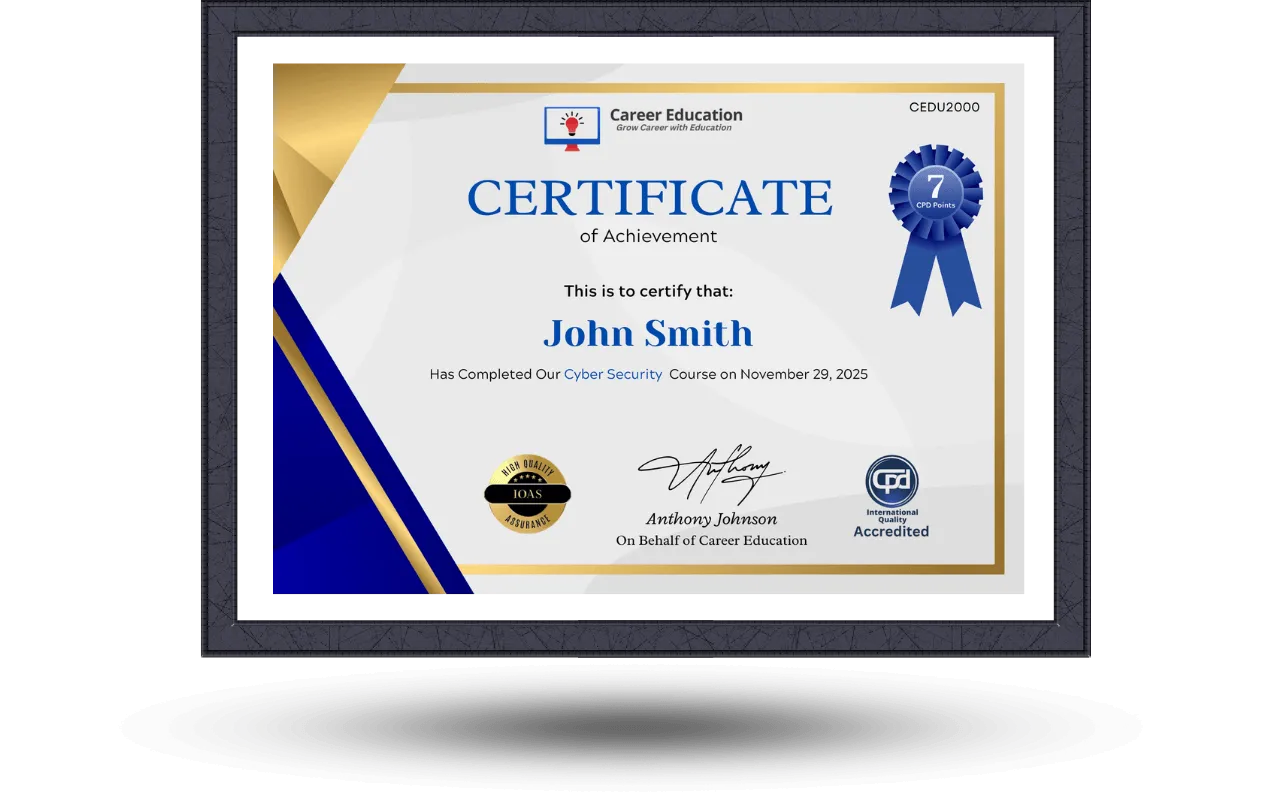
Upon completion of any course, all students are entitled to a CPD IQ Accredited e-certificate that will be issued by Career Education signifying the completion of your course.
After you complete the course and assignment, you will be eligible to order a free certificate accredited by CPD International Quality by completing the form below.
Hardcopy certificates and transcripts are also available for a small additional fee. More information is disclosed upon course completion.
Similar Courses


Frequently Asked Questions
The lifetime membership includes unlimited access to all courses, resources, and updates for a one-time fee.
You can purchase the membership directly from our website using a secure checkout process.
Yes, selected courses can be downloaded for offline access through our mobile app.
Yes, all future updates and new courses are included at no extra cost.
Yes, we offer a 30-day money-back guarantee if you are not satisfied with the membership.