OFF
Renewable Energy Analysis Specialist
- Lifetime Access
- All Levels
- PDF Certificate
Learn With Confidence









Overview
# Renewable Energy Analysis Specialist
The global energy landscape is changing rapidly, creating growing demand for professionals who understand renewable energy technologies, their applications and the factors that influence their performance. **Renewable Energy Analysis Specialist** is a focused course designed to help learners develop a strong foundation in renewable energy and explore the key technologies shaping the transition towards cleaner and more sustainable energy systems.
From solar and wind power to hydropower, biomass and geothermal energy, the course introduces a range of renewable energy sources and provides learners with the knowledge needed to understand how each technology works, where it can be used and what factors can influence its effectiveness.
Whether you are interested in sustainability, energy management, environmental studies, engineering, business or emerging green technologies, **Renewable Energy Analysis Specialist** can help you develop valuable knowledge for understanding one of the most important areas of the modern energy sector.
## Build a Strong Foundation in Renewable Energy
Understanding renewable energy starts with recognising why alternative energy sources have become increasingly important. Energy demand, environmental concerns, resource availability, technological development and changing energy systems have all contributed to increased interest in renewable sources.
Module 1, **Introduction to Renewable Energy**, provides the foundation for the course. You will explore the basic principles of renewable energy and develop an understanding of the different sources that can contribute to modern energy systems.
The module introduces the broader renewable energy landscape before progressing into specific technologies. This gives you the context needed to compare different renewable energy sources and understand their potential applications.
By completing this module, you can develop the ability to:
* Explain the fundamental concept of renewable energy.
* Identify major renewable energy sources.
* Understand the role of renewable energy in modern energy systems.
* Distinguish between different renewable technologies.
* Recognise key factors influencing renewable energy development.
* Build a foundation for analysing individual renewable energy technologies.
This introductory knowledge provides a useful starting point for exploring more specialised renewable energy systems.
## Explore Solar Power
Solar energy is one of the most widely recognised forms of renewable energy. The availability of sunlight makes solar power relevant to a wide variety of applications, from small-scale installations to large energy projects.
Module 2, **Solar Power**, explores the fundamentals of solar energy and its role within renewable energy systems. You will develop an understanding of how solar power can be used to generate energy and the factors that influence its potential.
For anyone interested in renewable energy analysis, understanding solar power is particularly valuable. Solar projects can involve considerations such as location, sunlight availability, technology selection, energy requirements and system performance.
Through this module, you can strengthen your understanding of:
* The fundamentals of solar power.
* How solar energy can be converted into usable energy.
* Different applications of solar technology.
* Factors that influence solar energy performance.
* The potential role of solar power in sustainable energy systems.
* Key considerations when assessing solar energy opportunities.
This knowledge can help you approach solar energy from an analytical perspective and better understand its advantages and limitations.
## Understand Wind Power
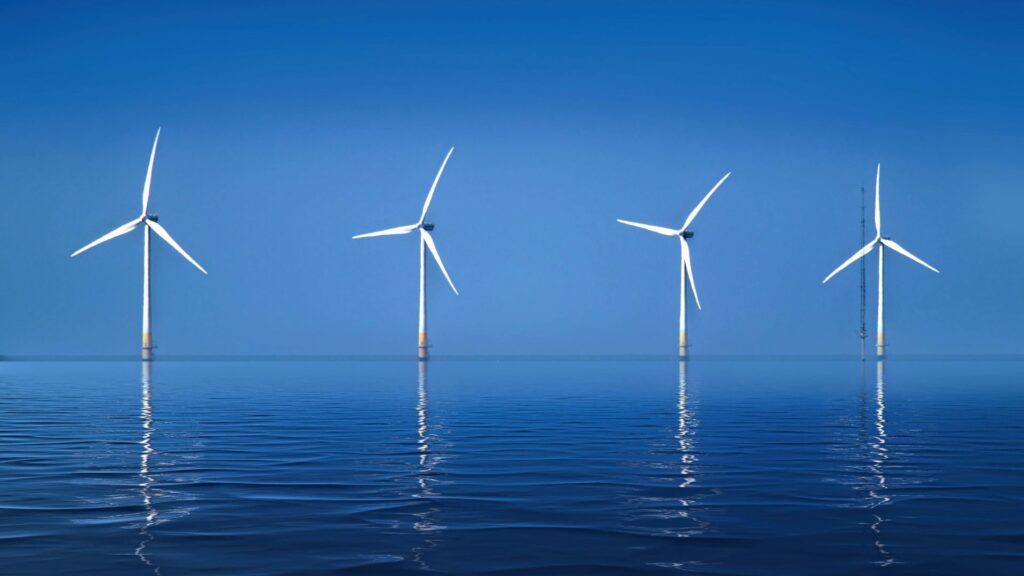
Wind is another important renewable energy resource, with wind farms operating in many parts of the world. Understanding how wind energy works requires consideration of natural resources, technology, location and system performance.
Module 3, **Wind Power**, introduces the principles behind wind energy and provides a foundation for understanding how wind can be used as a renewable energy resource.
You will explore the factors that influence wind power and develop knowledge that can support the assessment of wind energy systems.
By studying this module, you can work towards being able to:
* Explain the basic principles of wind power.
* Understand how wind energy can be converted into electricity.
* Identify factors affecting wind energy potential.
* Recognise important considerations when evaluating wind projects.
* Understand the role of wind power within renewable energy systems.
* Compare wind energy with other renewable energy technologies.
This understanding can be useful for learners interested in sustainable energy planning, environmental management and the wider renewable energy sector.
## Examine Hydropower
Water has been used as an energy resource for centuries, and modern hydropower remains an important component of renewable energy generation.
Module 4, **Hydropower**, introduces the fundamentals of generating energy from moving or falling water. You will explore the role of hydropower within renewable energy systems and develop a broader understanding of the factors that can influence its application.
Hydropower is particularly interesting from an analytical perspective because its potential can depend on geographical conditions, water availability, infrastructure and environmental considerations.
This module can help you understand:
* The basic principles of hydropower.
* How moving water can be used to generate energy.
* Different applications of hydropower.
* Factors influencing hydropower potential.
* The importance of geographical and environmental considerations.
* The role of hydropower within broader renewable energy systems.
Understanding these factors can help you evaluate hydropower as part of a wider renewable energy portfolio.
## Discover Biomass Energy
Renewable energy does not come exclusively from sunlight, wind or water. Organic materials can also be used as energy resources, making biomass an important area of renewable energy study.
Module 5, **Biomass Energy**, introduces the concept of using biological materials as an energy source. You will explore the role of biomass within renewable energy systems and develop an understanding of how organic resources can contribute to energy production.
The module can help you consider biomass from both an energy and sustainability perspective. Understanding resource availability, applications and environmental considerations is important when evaluating the potential of biomass energy.
You can develop knowledge of:
* The fundamental principles of biomass energy.
* Different types of biomass resources.
* How biomass can contribute to energy production.
* Factors influencing biomass energy applications.
* Sustainability considerations associated with biomass.
* The role of biomass within a diverse renewable energy mix.
This knowledge can broaden your understanding of renewable energy beyond the most commonly discussed technologies.
## Explore Geothermal Energy
Heat from within the Earth provides another source of renewable energy. Geothermal energy can be used in suitable locations for applications including heating and energy generation.
Module 6, **Geothermal Energy**, introduces the principles of geothermal energy and its place within the renewable energy sector. You will explore how naturally occurring heat can be utilised and the factors that influence the potential of geothermal resources.
Understanding geothermal energy allows you to develop a more comprehensive perspective on renewable energy technologies and appreciate why different energy sources may be more suitable in different geographical and environmental conditions.
Through this module, you can develop the ability to:
* Explain the basic principles of geothermal energy.
* Understand how geothermal resources can be utilised.
* Identify factors influencing geothermal energy potential.
* Recognise possible applications of geothermal technology.
* Consider geographical factors when evaluating geothermal resources.
* Compare geothermal energy with other renewable technologies.
## Develop a Broader Renewable Energy Perspective
One of the key benefits of **Renewable Energy Analysis Specialist** is that it introduces several major renewable energy technologies within one structured learning experience.
Rather than focusing exclusively on one energy source, you will explore solar, wind, hydropower, biomass and geothermal energy. This broad perspective can help you understand that renewable energy systems are diverse and that each technology has different characteristics, applications and considerations.
This wider knowledge can support more informed discussions about renewable energy planning and development. It can also help you recognise that the most appropriate energy solution may depend on factors such as geography, resource availability, technology, infrastructure, environmental conditions and energy requirements.
## Develop Outcome-Focused Renewable Energy Knowledge
The course is designed around practical learning outcomes. By working through the curriculum, you can develop a stronger understanding of renewable energy technologies and improve your ability to discuss their applications and potential.
On completion, you can work towards:
* Understanding the fundamentals of renewable energy.
* Identifying major renewable energy technologies.
* Exploring the principles behind solar power.
* Understanding wind energy systems.
* Examining hydropower and its applications.
* Exploring biomass as an energy resource.
* Understanding the fundamentals of geothermal energy.
* Comparing different renewable energy sources.
* Recognising factors that can influence renewable energy potential.
* Developing a broader understanding of sustainable energy systems.
These outcomes can provide a useful foundation for further learning and professional development within the renewable energy and sustainability sectors.
## Who Is This Course For?
**Renewable Energy Analysis Specialist** is suitable for learners who want to develop their knowledge of renewable energy and understand the technologies contributing to the transition towards sustainable energy systems.
It may be particularly useful for:
* Renewable energy enthusiasts.
* Sustainability professionals.
* Environmental professionals.
* Energy sector employees.
* Engineering and technology learners.
* Students studying environmental or energy-related subjects.
* Business professionals interested in sustainable energy.
* Individuals considering a career in the renewable energy sector.
* Professionals seeking to broaden their understanding of clean energy technologies.
* Anyone interested in the future of sustainable energy.
The course can also provide a valuable foundation for learners who intend to pursue more specialised study in renewable energy, sustainability, environmental management or energy technologies.
## Strengthen Your Understanding of Sustainable Energy
Renewable energy is an increasingly important part of conversations surrounding the future of energy. Solar, wind, hydropower, biomass and geothermal technologies each offer different opportunities and challenges.
Developing knowledge across these areas can help you understand the wider renewable energy landscape and participate more confidently in discussions about sustainable energy development.
**Renewable Energy Analysis Specialist** gives you the opportunity to explore these technologies in a structured sequence. You begin with the fundamentals of renewable energy before progressing through five major renewable energy sources.
This approach helps you build knowledge progressively while developing a broader understanding of how different renewable technologies fit within modern energy systems.
## Course Curriculum at a Glance
**Module 1 – Introduction to Renewable Energy**
Build a strong foundation in renewable energy concepts, sources and their role in modern energy systems.
**Module 2 – Solar Power**
Explore solar energy fundamentals, applications and factors affecting solar power potential.
**Module 3 – Wind Power**
Understand the principles of wind energy and the factors influencing wind power development and performance.
**Module 4 – Hydropower**
Examine how moving and falling water can be used as an energy resource and explore key considerations surrounding hydropower.
**Module 5 – Biomass Energy**
Discover how biological materials can contribute to energy production and explore important sustainability considerations.
**Module 6 – Geothermal Energy**
Learn about geothermal resources, their applications and the factors that influence their potential.
## Why Choose Renewable Energy Analysis Specialist?
The renewable energy sector requires people who understand not only individual technologies but also the broader context in which those technologies operate. **Renewable Energy Analysis Specialist** provides a valuable introduction to several major renewable energy sources, helping learners develop a more rounded perspective.
The course can help you:
**Understand the renewable energy landscape**
Develop foundational knowledge of renewable energy and the different technologies contributing to sustainable energy systems.
**Explore multiple technologies**
Move beyond a single energy source and examine solar, wind, hydropower, biomass and geothermal energy.
**Develop analytical awareness**
Recognise the factors that can influence the suitability, performance and potential of different renewable energy technologies.
**Support professional development**
Build knowledge that can complement existing experience in sustainability, environmental management, engineering, business or energy-related roles.
**Prepare for further learning**
Create a solid foundation for more advanced study in renewable energy and related disciplines.
## Start Your Renewable Energy Learning Journey
The transition towards sustainable energy systems is creating increasing interest in renewable technologies and the professionals who understand them. Developing knowledge of renewable energy can help you better understand the opportunities, challenges and technologies shaping the future of energy.
**Renewable Energy Analysis Specialist** offers a structured introduction to the major renewable energy sources, from solar and wind to hydropower, biomass and geothermal energy. Through the six-module curriculum, you can develop a broad foundation that supports further study, professional development and informed engagement with renewable energy topics.
Whether you are exploring a potential career path, expanding your existing professional knowledge or simply want to understand how renewable energy technologies work, this course provides a practical starting point.
**Enrol in Renewable Energy Analysis Specialist today and develop the knowledge needed to understand major renewable energy technologies, assess their key characteristics and build a stronger foundation for your future in the growing clean energy sector.**
Course Modules
Course Content
Module 1_ Introduction to Renewable Energy.
-
Lesson 1_ Introduction to Renewable Energy.
Module 2_ Solar Power.
Module 3_ Wind Power.
Module 4_ Hydropower.
Module 5_ Biomass Energy.
Module 6_ Geothermal Energy.
What our students say


Earn an Accredited Certificate
Upon completion of the course, an e-certificate will be downloadable from Khan Education signifying the completion of your course. But, the course is CPD Accredited and after you complete the assignment, you will be eligible to order a certificate accredited by CPD International Quality for £5.99 only. If you want a hardcopy certificate accredited by CPD IQ, you can get it for only £15.99.
Get your CertificateSimilar Courses