
94%
OFF
OFF
Professional Minute Taking and Meeting Minutes Course
- Lifetime Access
- All Levels
- PDF Certificate
£296
£19
14-Day Money-Back Guarantee
Learn With Confidence

Accurate meeting minutes are essential for effective communication, accountability and professional organisation. Whether you work in an office, manage projects, support senior executives or coordinate teams, the ability to record meeting discussions clearly and professionally can make a significant difference to workplace performance. This Professional Minute Taking and Meeting Minutes Course is designed to help you develop the practical skills needed to prepare, record, organise and distribute effective meeting minutes.
Throughout this course, you will learn how to prepare for different types of meetings, identify important discussion points, record decisions and capture actions accurately. You will develop an understanding of meeting structures, agendas, participant responsibilities and the role of a minute taker. You will also explore how to distinguish essential information from unnecessary conversation, helping you produce concise and useful records.
The course focuses on practical workplace outcomes. You will learn how to create professional meeting documents, organise information logically, identify action owners and record deadlines. You will also understand how to maintain accuracy, confidentiality and consistency when handling meeting records.
By developing these skills, you can contribute to more organised meetings, stronger communication and better follow-up across teams and departments. The knowledge gained can support administrative responsibilities, executive assistance, project coordination, office management and other roles where accurate documentation is important.
What You Will Learn
By completing this course, you will develop the ability to:
-
Understand the purpose and importance of professional meeting minutes.
-
Prepare effectively before meetings begin.
-
Review meeting agendas and identify key information to record.
-
Understand the responsibilities of a professional minute taker.
-
Capture discussions, decisions and agreed actions accurately.
-
Separate important information from informal conversation.
-
Structure minutes using clear headings and consistent formatting.
-
Record action points, responsible individuals and deadlines.
-
Produce concise and readable meeting documents.
-
Review and edit minutes for clarity, accuracy and completeness.
-
Distribute meeting records professionally.
-
Handle confidential meeting information responsibly.
-
Improve workplace communication through effective documentation.
Understanding Professional Meeting Minutes
Meeting minutes are formal or informal written records of what takes place during a meeting. They help participants understand what was discussed, what decisions were made and what actions need to happen next. They also provide a useful reference for individuals who were unable to attend.
In this section, you will explore the different purposes of meeting minutes and how they support workplace organisation. You will learn the difference between a detailed transcript and a professional summary. Rather than recording every spoken word, effective minute taking focuses on capturing relevant information in a structured and objective format.
You will also examine different types of meetings, including team meetings, management meetings, project discussions, committee meetings and planning sessions. Understanding the purpose of each meeting will help you decide which information needs to be recorded and how detailed the minutes should be.
Preparing for a Meeting
Effective minute taking starts before the meeting begins. Preparation helps you understand the subject, anticipate important discussion areas and organise your notes.
You will learn how to review meeting agendas, identify the topics scheduled for discussion and prepare a suitable document or note-taking system. You will also explore how to check the meeting date, time, location, attendee list and relevant background materials.
The course will help you understand how to prepare questions when agenda items are unclear and how to confirm the preferred format for the final minutes. You will also consider the practical requirements of recording minutes during in-person, online and hybrid meetings.
By improving your preparation process, you can reduce confusion and focus more effectively on the discussion.
Developing Effective Note-Taking Skills
A professional minute taker must listen carefully, identify relevant information and record it quickly. This requires concentration, organisation and the ability to recognise important details.
You will explore techniques for capturing key points without attempting to write down every sentence. These include using abbreviations, structured notes, headings and action-point formats. You will learn how to identify decisions, disagreements, recommendations, responsibilities and deadlines.
The course will also help you understand how to remain objective. Meeting minutes should reflect what was discussed and agreed rather than the personal opinions of the person taking the notes.
These techniques can help you work more confidently in fast-moving meetings and produce more useful records.
Recording Decisions and Action Points
One of the most valuable functions of meeting minutes is documenting what happens after a discussion. A meeting may generate several tasks, recommendations or decisions, and these need to be recorded clearly.
You will learn how to identify formal decisions and distinguish them from suggestions or general discussion. You will also explore how to record action points by identifying the task, responsible person and agreed deadline.
This section focuses on creating records that support accountability. Clear action points help participants understand their responsibilities and make it easier to review progress at future meetings.
Structuring and Formatting Meeting Minutes
Well-organised minutes are easier to read, understand and use. You will learn how to structure a professional document using appropriate headings and consistent formatting.
Topics include meeting details, attendee information, apologies, agenda items, discussion summaries, decisions, action points and next meeting arrangements. You will explore how to use clear language, concise paragraphs and logical ordering to improve readability.
You will also consider how different organisations may use different templates and documentation standards. This knowledge will help you adapt your work to the expectations of different workplaces.
Editing, Reviewing and Distributing Minutes
Before meeting minutes are shared, they should be checked carefully. Errors, unclear statements or missing action points can create confusion and affect workplace decisions.
You will learn how to review your notes against the meeting agenda, check names and dates, confirm action owners and improve sentence clarity. You will also explore how to remove unnecessary repetition while preserving important information.
The course introduces professional distribution practices, including sending minutes to relevant participants, following organisational procedures and keeping appropriate records. You will understand why confidentiality matters and why sensitive information should only be shared with authorised individuals.
Who Is This For?
This course is suitable for anyone who wants to develop professional minute-taking and workplace documentation skills.
It may be particularly useful for:
-
Administrative assistants who prepare and manage meeting records.
-
Executive assistants who support managers and senior professionals.
-
Office administrators who coordinate meetings and documentation.
-
Project coordinators who record decisions and project actions.
-
Team leaders who organise meetings and monitor follow-up tasks.
-
Personal assistants who support busy professionals.
-
Receptionists and office support staff with administrative responsibilities.
-
Committee members who need to record formal discussions.
-
Business owners who want to improve internal meeting processes.
-
Individuals seeking administrative or office-based career opportunities.
It is also suitable for beginners who want to understand how professional meeting minutes are prepared and used in modern workplaces.
Requirements / Prerequisites
No formal qualifications or previous minute-taking experience are required to study this course. A basic understanding of written English and general computer use will be helpful.
To benefit from the learning experience, you should have:
-
An interest in administration, organisation or office support.
-
A willingness to develop listening and note-taking skills.
-
Basic written communication abilities.
-
Access to a computer or suitable device for reviewing course materials.
-
An interest in professional documentation and workplace communication.
You can begin with foundational knowledge and gradually develop the skills needed to prepare more structured meeting records.
Skills You Will Develop
By studying this course, you can strengthen several transferable workplace skills, including:
-
Professional writing and summarising.
-
Active listening and concentration.
-
Information organisation.
-
Document preparation and formatting.
-
Time management.
-
Attention to detail.
-
Confidentiality awareness.
-
Workplace communication.
-
Task and action tracking.
-
Administrative coordination.
These skills can be valuable across a wide range of business environments.
Career Path
Professional minute-taking skills can support career development in administration, office management, executive support and project coordination. The course can help you build relevant knowledge for roles such as:
Administrative Assistant: Prepare documents, organise information, support meetings and maintain office records.
Minute Taker: Record discussions, decisions and actions during meetings, producing clear and accurate written records.
Executive Assistant: Support senior professionals by coordinating schedules, preparing meeting materials and managing follow-up documentation.
Office Administrator: Help maintain organised administrative processes, correspondence and business records.
Project Coordinator: Record project discussions, monitor action points and help teams maintain progress towards agreed objectives.
Team Administrator: Support team communication, coordinate meetings and maintain records of activities and decisions.
Actual job responsibilities and salary levels vary according to employer, location, experience and additional qualifications. Some positions may require further administrative experience or specialist training.
Putting Your Skills into Practice
The knowledge gained from this course can be applied whenever a meeting requires an accurate written record. You may use your skills to prepare a team meeting summary, document a project decision, record committee actions or support a manager with meeting administration.
The ability to create clear minutes can help reduce misunderstandings, improve accountability and make workplace discussions more productive. It can also help organisations maintain a useful record of decisions and agreed responsibilities.
Conclusion
Professional minute taking is a practical skill that supports communication, organisation and accountability in the workplace. By learning how to prepare for meetings, capture important information, record decisions and produce well-structured documents, you can become more confident in handling administrative responsibilities.
This course provides a foundation for developing accurate, concise and professional meeting documentation skills. Whether you are beginning an administrative career or looking to improve your existing workplace abilities, the knowledge gained can help you contribute more effectively to meetings and organisational processes.
Course Modules
Course Content
Professional Meeting Minutes: Mastering Minute Taking Skills
-
Module 1 – Introduction to Professional Minute Taking
00:00 -
Module 2 – Preparing Effectively for Meetings
00:00 -
Module 3 – Understanding Meeting Protocols and Procedures
00:00 -
Module 4 – Developing Active Listening and Note-Taking Skills
00:00 -
Module 5 – Structuring Clear and Professional Meeting Minutes
00:00 -
Module 6 – Writing Accurate and Effective Meeting Minutes
00:00 -
Module 7 – Distributing, Organising and Storing Meeting Minutes
00:00 -
Module 8 – Managing Minutes for Different Types of Meetings
00:00 -
Module 9 – Overcoming Common Minute-Taking Challenges
00:00
What our students say
Excellent
4.9 average
168 Reviews

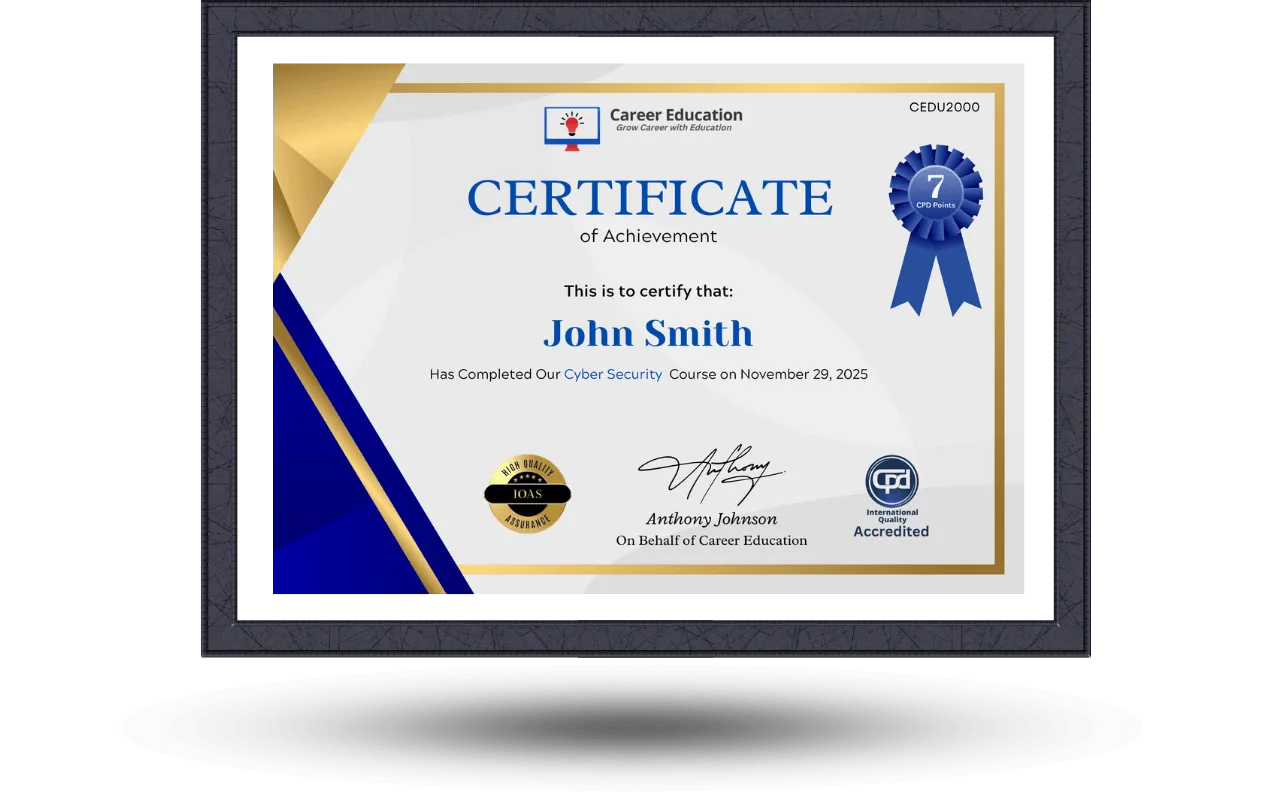
Earn an Accredited Certificate
Upon completion of any course, all students are entitled to a CPD IQ Accredited e-certificate that will be issued by Career Education signifying the completion of your course.
After you complete the course and assignment, you will be eligible to order a free certificate accredited by CPD International Quality by completing the form below.
Hardcopy certificates and transcripts are also available for a small additional fee. More information is disclosed upon course completion.
Similar Courses



Frequently Asked Questions
The lifetime membership includes unlimited access to all courses, resources, and updates for a one-time fee.
You can purchase the membership directly from our website using a secure checkout process.
Yes, selected courses can be downloaded for offline access through our mobile app.
Yes, all future updates and new courses are included at no extra cost.
Yes, we offer a 30-day money-back guarantee if you are not satisfied with the membership.