
94%
OFF
OFF
Process Safety Management Fundamentals (US)
- Lifetime Access
- All Levels
- PDF Certificate
£296
£19
14-Day Money-Back Guarantee
Learn With Confidence








# Process Safety Management Fundamentals (US)
## Build the Knowledge and Practical Skills to Support Safer Process Operations
In industries where hazardous chemicals, flammable materials, high pressures, extreme temperatures, and complex processing systems are part of everyday operations, effective safety management is essential. A single failure in process design, equipment integrity, operating procedures, or hazard controls can have serious consequences for workers, facilities, communities, and the environment.
**Process Safety Management Fundamentals (US)** is designed to provide a practical introduction to the core principles, practices, and concepts used to manage process safety in US workplace environments. The course helps learners understand how organisations can identify process hazards, evaluate risks, establish effective operating controls, maintain critical equipment, and strengthen systems designed to prevent serious incidents.
Rather than focusing only on theoretical concepts, this course takes an outcome-focused approach. You will develop a clearer understanding of how process safety principles can be applied to everyday workplace activities and how different elements of a process safety management system work together.
Whether you are beginning your career in process operations or safety, working in an industrial environment, supporting maintenance activities, or looking to strengthen your existing knowledge, **Process Safety Management Fundamentals (US)** provides a valuable foundation for understanding process safety responsibilities and risk control.
## Why Process Safety Management Matters
Process safety is fundamentally about preventing catastrophic incidents by controlling hazards associated with processes that involve hazardous substances and energy.
Traditional workplace safety often focuses on preventing individual injuries through practices such as personal protective equipment, safe lifting, housekeeping, and hazard awareness. Process safety takes a broader systems-based approach. It considers how equipment, processes, chemicals, procedures, human actions, maintenance activities, and organisational controls interact.
A strong process safety approach can help organisations:
* Identify hazards before they result in incidents
* Understand and evaluate process-related risks
* Establish appropriate safeguards and controls
* Maintain critical process equipment
* Develop reliable operating procedures
* Control hazardous work activities
* Reduce the likelihood of fires, explosions, toxic releases, and other major incidents
* Support a stronger safety culture
* Improve consistency in process operations
Through **Process Safety Management Fundamentals (US)**, you will explore these principles step by step and develop knowledge that can support safer decision-making in process-related workplaces.
## What You Will Learn
This course introduces important areas of process safety management, beginning with the fundamentals and progressing through hazard identification, risk assessment, process safety information, operating procedures, safe work practices, and mechanical integrity.
By completing the course, you will be better prepared to recognise the role of process safety within an organisation and understand how different preventive and protective measures contribute to risk reduction.
You will learn how to:
* Explain the fundamental purpose of Process Safety Management
* Recognise common process safety hazards
* Understand the relationship between hazards, risks, controls, and consequences
* Explore methods used to identify and analyse process hazards
* Understand the importance of accurate process safety information
* Recognise the role of operating procedures in safe process operations
* Understand safe work practices for hazardous activities
* Appreciate the importance of mechanical integrity programmes
* Identify how equipment condition can influence process safety
* Understand how process safety elements work together to prevent major incidents
## Course Curriculum
### Module 1: Introduction to Process Safety Management (PSM)
The course begins by establishing a solid foundation in Process Safety Management. You will explore what process safety means, why it matters, and how an effective management approach can help prevent serious process-related incidents.
#### Lesson 1: Introduction to Process Safety Management (PSM)
This lesson introduces the fundamental concepts behind PSM and explains its importance in industries where hazardous processes and materials are present.
You will develop an understanding of the difference between personal safety and process safety and explore why organisations need structured systems for controlling major hazards.
You will also learn about the interconnected nature of process safety. Effective prevention is rarely dependent on one individual action. Instead, it relies on multiple layers of protection, including sound information, competent personnel, appropriate procedures, reliable equipment, hazard analysis, and effective management practices.
By the end of this module, you will have a clearer understanding of the purpose and value of a process safety management system.
### Module 2: Hazard Identification
Identifying hazards is one of the most important steps in preventing process incidents. If hazards are not recognised, they cannot be properly evaluated or controlled.
In this module, you will explore the principles of hazard identification and learn why organisations need to systematically examine processes, materials, equipment, operating conditions, and potential deviations.
You will develop an awareness of different types of process hazards and the circumstances that can increase the likelihood or severity of an incident.
The module will help you understand how proactive hazard identification can support better decisions before an unwanted event occurs.
You will learn to think beyond obvious hazards and consider how changes in operating conditions, equipment failure, human error, maintenance activities, and process deviations may contribute to risk.
### Module 3: Risk Assessment and Management
Identifying a hazard is only the beginning. Organisations must also understand the potential risk associated with that hazard and determine how the risk can be controlled.
This module introduces the principles of risk assessment and risk management within a process safety context.
You will explore how hazards can lead to unwanted events and how organisations can assess potential consequences and likelihood. You will also develop an understanding of the importance of selecting appropriate controls and maintaining effective safeguards.
The module focuses on the practical relationship between:
**Hazard → Risk → Consequence → Control**
You will gain a stronger understanding of why risk management should be a continuous process rather than a one-time activity.
The knowledge gained in this module can help you contribute more effectively to discussions about process hazards, safeguards, operational risks, and opportunities for improvement.
### Module 4: Process Safety Information (PSI)
Reliable information is essential for effective process safety management. Employees cannot safely operate, maintain, inspect, or modify a process without access to appropriate information about the process and its hazards.
This module introduces the concept of Process Safety Information and explains why accurate, accessible information is so important.
You will explore the types of information that may be relevant to process safety, including information about hazardous materials, process conditions, equipment, and process technology.
You will also understand how process safety information supports other elements of a safety management system.
For example, accurate information can contribute to better hazard analysis, more effective operating procedures, appropriate maintenance activities, and safer decision-making when processes or equipment are changed.
By completing this module, you will understand why incomplete, outdated, or inaccurate process information can create significant safety challenges.
### Module 5: Operating Procedures
Safe operations depend heavily on clear and effective procedures. Employees need to understand how processes should be started, operated, monitored, adjusted, shut down, and managed under abnormal conditions.
This module examines the role of operating procedures in process safety.
You will explore how procedures provide structured guidance for carrying out process activities consistently and safely. You will also consider why procedures should reflect actual workplace conditions and be kept current when processes, equipment, or operating requirements change.
The module will help you understand the importance of:
* Clear operating instructions
* Consistent operating practices
* Normal and abnormal operating conditions
* Safe start-up and shutdown activities
* Emergency operating considerations
* Communication of procedural requirements
* Reviewing and maintaining procedures
The goal is to help you appreciate operating procedures not simply as documents, but as practical tools for controlling process risk.
### Module 6: Safe Work Practices
Certain workplace activities can introduce additional hazards into an otherwise controlled process. Maintenance, hot work, equipment opening, energy isolation, and other non-routine activities require careful planning and appropriate controls.
In this module, you will explore the importance of safe work practices in process environments.
You will develop an understanding of how organisations can establish controls for hazardous work and why communication, authorisation, preparation, and coordination are important before work begins.
You will also consider how safe work practices can help prevent incidents arising from interactions between operations, maintenance, contractors, and other personnel.
The module reinforces the principle that safe work requires more than individual caution. It requires effective systems that define responsibilities, identify hazards, establish controls, and ensure that workers understand the conditions under which work is permitted.
### Module 7: Mechanical Integrity
Reliable equipment is a fundamental component of process safety. Even well-designed processes can become hazardous when critical equipment deteriorates, fails, or is not properly inspected and maintained.
The final module introduces mechanical integrity and its role in maintaining the reliability of process equipment.
You will explore why equipment such as vessels, piping systems, pressure-relief devices, storage tanks, pumps, safety systems, and other critical components must be properly maintained and monitored.
You will gain an understanding of the importance of:
* Equipment inspection
* Preventive maintenance
* Testing and monitoring
* Identifying deterioration
* Addressing equipment deficiencies
* Maintaining critical safety systems
* Supporting reliable process operation
The module helps you understand how mechanical integrity contributes to preventing loss of containment and other potentially serious process safety events.
## Who Should Take This Course?
**Process Safety Management Fundamentals (US)** is suitable for a broad range of professionals and learners who want to develop their understanding of process safety principles.
It can be particularly useful for:
* Process safety professionals
* Health and safety personnel
* Environmental, health and safety professionals
* Plant and process operators
* Maintenance personnel
* Engineering professionals
* Supervisors and managers
* Manufacturing personnel
* Chemical industry workers
* Oil and gas industry personnel
* Industrial facility employees
* Contractors working in process environments
* Individuals beginning a career in industrial safety
* Professionals seeking to refresh their process safety knowledge
No matter your current level of experience, the course provides a structured introduction to essential process safety concepts.
## Practical Outcomes You Can Take Into the Workplace
The real value of **Process Safety Management Fundamentals (US)** lies in its practical application.
After completing the course, you should be able to approach process safety situations with greater awareness and a more structured mindset. You will understand why hazards need to be identified systematically, why risks need to be evaluated, why procedures must reflect actual operations, and why equipment reliability is essential to safe processes.
You will also be better positioned to recognise weaknesses in process safety controls and understand when additional review, communication, or corrective action may be necessary.
The course can help you build a foundation for participating more confidently in workplace safety discussions and contributing to an organisational culture that prioritises prevention.
## Develop a Stronger Process Safety Mindset
Effective process safety is not simply about following rules. It is about understanding how systems can fail and taking proactive steps to prevent those failures from developing into major incidents.
**Process Safety Management Fundamentals (US)** encourages you to think systematically about workplace hazards. Instead of considering individual safety activities in isolation, you will see how hazard identification, risk management, process information, procedures, safe work practices, and mechanical integrity support one another.
This systems-based perspective can help you recognise that process safety is a shared responsibility involving people, processes, equipment, procedures, and management systems.
## Why Choose Process Safety Management Fundamentals (US)?
This course offers a focused introduction to essential process safety principles without overwhelming learners with unnecessary complexity.
You will benefit from:
**A structured learning experience:** The curriculum progresses logically from fundamental PSM concepts to practical areas of hazard and risk control.
**Outcome-focused learning:** The course concentrates on knowledge you can apply to understanding and supporting safer process operations.
**US-focused context:** The course title and content are designed around fundamental process safety concepts relevant to US workplace environments.
**Broad workplace relevance:** The principles introduced can be valuable across many process-based and industrial settings.
**A practical foundation:** The course can serve as a starting point for learners who want to build further knowledge in process safety, occupational safety, engineering, operations, or industrial risk management.
## Take the Next Step in Your Process Safety Knowledge
Major process incidents can have consequences that extend far beyond a single piece of equipment or individual task. Preventing them requires organisations and employees to understand hazards, evaluate risks, maintain reliable safeguards, follow effective procedures, and continually strengthen process safety controls.
**Process Safety Management Fundamentals (US)** gives you a clear foundation for understanding these critical principles.
From **hazard identification and risk assessment** to **Process Safety Information, operating procedures, safe work practices, and mechanical integrity**, the course covers essential areas that support effective process safety management.
Whether you are entering the field, expanding your professional knowledge, or looking for a structured way to refresh your understanding, this course can help you develop the awareness needed to contribute to safer and more reliable process operations.
**Enrol in Process Safety Management Fundamentals (US) and build a stronger foundation in the principles that help organisations identify hazards, control risk, protect people, and support safer process operations.**
Course Modules
Course Content
Module 1_ Introduction to Process Safety Management (PSM)
-
Lesson 1_ Introduction to Process Safety Management (PSM)
Module 2_ Hazard Identification
Module 3_ Risk Assessment and Management
Module 4_ Process Safety Information (PSI)
Module 5_ Operating Procedures
Module 6_ Safe Work Practices
Module 7_ Mechanical Integrity
What our students say
Excellent
4.9 average
158 Reviews

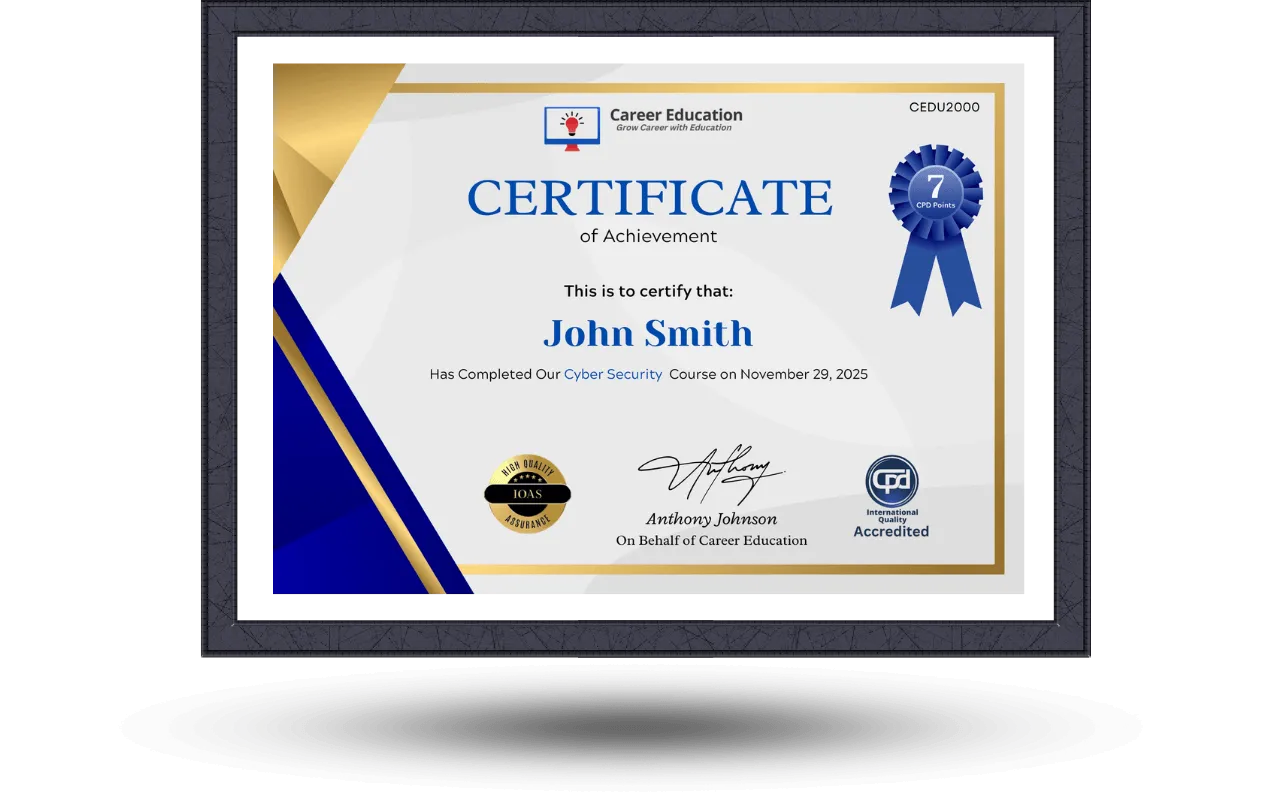
Earn an Accredited Certificate
Upon completion of any course, all students are entitled to a CPD IQ Accredited e-certificate that will be issued by Career Education signifying the completion of your course.
After you complete the course and assignment, you will be eligible to order a free certificate accredited by CPD International Quality by completing the form below.
Hardcopy certificates and transcripts are also available for a small additional fee. More information is disclosed upon course completion.
Similar Courses




Frequently Asked Questions
The lifetime membership includes unlimited access to all courses, resources, and updates for a one-time fee.
You can purchase the membership directly from our website using a secure checkout process.
Yes, selected courses can be downloaded for offline access through our mobile app.
Yes, all future updates and new courses are included at no extra cost.
Yes, we offer a 30-day money-back guarantee if you are not satisfied with the membership.