
94%
OFF
OFF
Preventing Laboratory Contamination
- Lifetime Access
- All Levels
- PDF Certificate
£296
£19
14-Day Money-Back Guarantee
Learn With Confidence







Preventing Laboratory Contamination
Laboratory contamination can compromise experiments, affect sample integrity, create inaccurate results and increase health and safety risks. Whether working in research, healthcare, pharmaceuticals, biotechnology, education or industrial testing, maintaining a controlled and clean laboratory environment is essential for reliable work.
Preventing Laboratory Contamination is designed to help laboratory personnel understand the causes of contamination and apply practical measures to reduce contamination risks. The course focuses on prevention, good laboratory practices, appropriate use of personal protective equipment, equipment management, environmental monitoring and chemical and biological safety.
Rather than treating contamination as an issue that should only be addressed after a problem occurs, this course takes a proactive approach. Learners will develop the knowledge and practical awareness needed to identify contamination risks before they affect samples, processes, equipment or people.
From laboratory layout and workflow to PPE, instrumentation and environmental controls, every aspect of laboratory activity can influence contamination. Small mistakes—such as poor hand hygiene, incorrect equipment handling, inadequate cleaning or inappropriate movement between work areas—can have significant consequences.
By completing Preventing Laboratory Contamination, learners can develop stronger contamination-control habits and contribute to a safer, more reliable and more professional laboratory environment.
Why Take Preventing Laboratory Contamination?
Laboratory contamination can occur through many routes. Personnel, equipment, surfaces, air, materials, chemicals, biological agents and poor working practices can all contribute to contamination.
Effective prevention therefore requires more than simply cleaning surfaces.
It requires an understanding of how contamination occurs, where risks exist and how everyday laboratory practices can reduce those risks.
This course helps learners understand how to:
-
Identify common sources and routes of laboratory contamination.
-
Recognise conditions that may increase contamination risks.
-
Understand how laboratory design and workflow influence contamination control.
-
Use personal protective equipment appropriately.
-
Handle laboratory equipment and instruments responsibly.
-
Apply Good Laboratory Practices.
-
Support effective environmental monitoring.
-
Understand chemical and biological safety principles.
-
Reduce cross-contamination through appropriate working practices.
-
Protect sample integrity and laboratory operations.
-
Contribute to a stronger laboratory safety and quality culture.
The course is focused on practical outcomes, helping participants transform contamination-control principles into everyday laboratory behaviours.
What You Will Learn
By completing Preventing Laboratory Contamination, learners will gain a clearer understanding of contamination risks and the practical controls used to minimise them.
Participants will explore how laboratory design, personnel behaviour, equipment, environmental conditions and working procedures can influence contamination.
They will also develop greater awareness of the importance of consistent procedures. Effective contamination prevention depends on small actions being performed correctly and consistently—from preparing work areas and using PPE to handling equipment and monitoring environmental conditions.
The course is suitable for learners who want to strengthen their understanding of contamination control and develop safer, more disciplined laboratory working practices.
Module 1: Introduction to Laboratory Contamination
The course begins by establishing a foundation in laboratory contamination.
Learners explore what laboratory contamination is, how it can occur and why contamination control is important in laboratory environments.
Contamination can affect samples, cultures, reagents, equipment, experiments and results. In some environments, contamination can also create health and safety concerns.
This module introduces common contamination sources and routes, including personnel, surfaces, equipment, materials and environmental conditions.
Participants will consider how seemingly routine behaviours can introduce unwanted substances or microorganisms into controlled laboratory environments.
The module also highlights the importance of prevention. Once contamination has affected a sample or process, correcting the problem may be difficult or impossible. Preventative controls are therefore an essential part of laboratory operations.
By completing this module, learners will understand the fundamental principles behind laboratory contamination prevention.
Module 2: Laboratory Design and Layout
Laboratory design can have a significant influence on contamination control.
The layout of work areas, equipment, storage spaces and movement routes can affect how easily contaminants are transferred from one area to another.
This module explores the relationship between laboratory design, workflow and contamination prevention.
Learners will consider the importance of:
-
Logical laboratory layouts.
-
Appropriate separation of activities.
-
Controlled movement between work areas.
-
Clean and organised workspaces.
-
Suitable storage arrangements.
-
Effective workflow planning.
-
Minimising unnecessary movement.
-
Maintaining appropriate boundaries between different laboratory activities.
Participants will develop greater awareness of how physical arrangements can either support or undermine contamination-control practices.
The module encourages learners to think about contamination prevention before work begins. A well-considered laboratory environment can make correct procedures easier to follow and reduce opportunities for accidental cross-contamination.
Module 3: Personal Protective Equipment (PPE)
Laboratory personnel can be both exposed to hazards and potential sources of contamination. Appropriate personal protective equipment provides an important layer of protection when used correctly.
This module examines the role of PPE in contamination prevention and laboratory safety.
Learners explore appropriate use of laboratory PPE, such as gloves, laboratory coats, protective eyewear and other equipment required for particular tasks or environments.
The course emphasises that PPE must be selected according to the hazards and activities involved. Wearing PPE incorrectly can create additional risks, particularly when contaminated gloves, clothing or equipment are transferred between areas.
Participants will learn the importance of:
-
Selecting appropriate PPE.
-
Putting on and removing PPE correctly.
-
Changing contaminated or damaged PPE when necessary.
-
Avoiding unnecessary contact with clean surfaces.
-
Maintaining appropriate personal hygiene.
-
Following laboratory-specific PPE requirements.
-
Disposing of or managing used PPE according to established procedures.
The outcome is greater awareness of how personal protective practices contribute to contamination control.
Module 4: Equipment and Instrumentation
Laboratory equipment and instrumentation can become sources of contamination if they are not properly managed.
This module explores how equipment should be handled, cleaned, maintained and used in accordance with established laboratory procedures.
Learners will consider how contamination can occur through shared equipment, inappropriate handling, inadequate cleaning, poor maintenance or incorrect storage.
Participants will develop awareness of practices such as:
-
Inspecting equipment before use.
-
Keeping equipment clean and appropriately maintained.
-
Following established cleaning procedures.
-
Using instruments according to their intended purpose.
-
Preventing unnecessary contact between clean and contaminated materials.
-
Reporting equipment problems.
-
Maintaining appropriate records where required.
The module also reinforces the importance of following manufacturer instructions and laboratory procedures for specific instruments.
By understanding the relationship between equipment management and contamination control, learners can reduce avoidable contamination risks and support more reliable laboratory operations.
Module 5: Good Laboratory Practices (GLP)
Good Laboratory Practices provide a framework for consistent, organised and responsible laboratory work.
This module introduces learners to the importance of disciplined laboratory practices in preventing contamination and supporting reliable results.
Participants explore practical behaviours that contribute to good laboratory practice, including maintaining clean workspaces, following established procedures, handling materials correctly and maintaining appropriate documentation.
The module reinforces the importance of consistency.
Examples of good laboratory practices include:
-
Keeping work areas organised.
-
Following approved procedures.
-
Using appropriate techniques when handling samples and materials.
-
Avoiding unnecessary contamination sources.
-
Maintaining good personal hygiene.
-
Properly labelling materials.
-
Storing materials appropriately.
-
Cleaning work areas according to established procedures.
-
Reporting deviations and problems promptly.
-
Maintaining accurate and appropriate records.
By applying GLP principles consistently, learners can help reduce contamination opportunities while supporting quality, traceability and professional laboratory standards.
Module 6: Environmental Monitoring
The laboratory environment itself can influence contamination risk.
Air, surfaces, temperature, humidity, personnel movement and other environmental factors may affect laboratory conditions depending on the type of work being performed.
This module introduces the principles of environmental monitoring and its role in contamination control.
Learners will explore why monitoring laboratory conditions can help identify changes or potential problems before they have a greater impact.
Participants will consider the importance of:
-
Monitoring relevant environmental conditions.
-
Following established monitoring procedures.
-
Using appropriate sampling or monitoring methods where required.
-
Recording monitoring information accurately.
-
Recognising unusual results or trends.
-
Reporting concerns promptly.
-
Taking appropriate corrective or preventive action according to established procedures.
Environmental monitoring should be appropriate to the laboratory’s activities and risk profile. The objective is to provide useful information that supports contamination control and helps maintain suitable working conditions.
Learners will gain a stronger appreciation of monitoring as a proactive tool rather than simply a compliance activity.
Module 7: Chemical and Biological Safety
Laboratories may involve chemicals, microorganisms, biological materials or other potentially hazardous substances. Safe handling is essential not only for protecting personnel but also for maintaining controlled laboratory conditions.
This module brings together chemical and biological safety principles relevant to contamination prevention.
Learners will explore the importance of understanding hazards before working with materials and following appropriate laboratory procedures.
Key areas include:
-
Appropriate handling of hazardous materials.
-
Correct use of PPE.
-
Safe storage practices.
-
Appropriate labelling.
-
Preventing accidental releases.
-
Maintaining clean and controlled work areas.
-
Following waste-management procedures.
-
Responding appropriately to spills or incidents.
-
Following established emergency procedures.
-
Understanding the importance of training and supervision.
The module reinforces the principle that chemical and biological safety should be integrated into everyday laboratory activities.
By applying appropriate controls and following established procedures, learners can reduce exposure risks and help prevent unwanted contamination.
Practical Benefits of the Course
Preventing Laboratory Contamination is designed to deliver practical workplace outcomes rather than simply theoretical knowledge.
After completing the course, learners should be better able to:
Recognise Contamination Risks
Identify common contamination sources and understand how they can affect laboratory activities.
Improve Laboratory Hygiene
Apply consistent personal and workspace hygiene practices that support contamination control.
Use PPE Responsibly
Understand how appropriate PPE selection, use and disposal can contribute to safer laboratory operations.
Support Effective Workflow
Recognise how laboratory layout, movement and organisation can influence contamination risks.
Manage Equipment Properly
Use, clean, maintain and handle laboratory equipment in ways that minimise contamination opportunities.
Apply Good Laboratory Practices
Develop consistent working habits that support sample integrity, quality and reliable laboratory processes.
Monitor Environmental Conditions
Understand the purpose of environmental monitoring and the importance of recognising and reporting potential problems.
Strengthen Chemical and Biological Safety
Apply fundamental safety principles when working with potentially hazardous chemical or biological materials.
Who Is This Course For?
Preventing Laboratory Contamination is suitable for anyone who works in or supports laboratory environments and wants to strengthen their contamination-control knowledge.
It may be particularly useful for:
-
Laboratory technicians.
-
Laboratory assistants.
-
Research personnel.
-
Scientific staff.
-
Quality control professionals.
-
Quality assurance teams.
-
Pharmaceutical and biotechnology employees.
-
Healthcare laboratory personnel.
-
Academic and educational laboratory staff.
-
Manufacturing laboratory workers.
-
Laboratory supervisors and managers.
-
New laboratory employees.
-
Professionals seeking to refresh their laboratory safety knowledge.
The course can support both new and experienced laboratory personnel by reinforcing practical principles that can be applied across different laboratory environments.
Develop Better Laboratory Working Practices
Preventing contamination is not the responsibility of one person or one department. It depends on consistent behaviour throughout the laboratory.
A clean workspace can be compromised by poor handling. Carefully maintained equipment can become a contamination source if used incorrectly. Appropriate PPE can lose its protective value if it is transferred between areas without proper controls.
This is why contamination prevention requires a complete approach.
Preventing Laboratory Contamination helps learners understand how different elements of laboratory operations work together. Laboratory design, PPE, equipment management, Good Laboratory Practices, environmental monitoring and chemical and biological safety all contribute to a controlled working environment.
The course encourages participants to become more proactive and observant. Instead of waiting for contamination to affect results or operations, learners can develop habits that identify and address potential risks earlier.
Support Quality, Safety and Reliability
Reliable laboratory work depends on maintaining appropriate conditions and following established procedures.
When contamination is controlled effectively, laboratories can better protect sample integrity, support consistent processes and reduce avoidable disruptions. Strong contamination-control practices can also contribute to a more organised and safety-conscious workplace.
By completing Preventing Laboratory Contamination, learners can strengthen their understanding of contamination pathways and develop practical approaches for reducing risk.
The course provides a structured learning experience that combines contamination awareness with laboratory design, PPE, equipment management, GLP, environmental monitoring and chemical and biological safety.
Take a Proactive Approach to Contamination Prevention
Laboratory contamination can have significant consequences, but many contamination risks can be reduced through effective procedures, appropriate controls and consistent workplace behaviour.
Preventing Laboratory Contamination gives learners the knowledge and practical awareness needed to identify contamination risks, apply appropriate preventive measures and contribute to safer, more controlled laboratory operations.
From maintaining appropriate personal practices to managing equipment and monitoring environmental conditions, every action can contribute to contamination control.
Build stronger laboratory habits, improve contamination awareness and develop practical skills for supporting a cleaner, safer and more reliable laboratory environment with Preventing Laboratory Contamination.
Course Modules
Course Content
Module 1_ Introduction to Laboratory Contamination
-
Lesson 1_ Introduction to Laboratory Contamination
Module 2_ Laboratory Design and Layout
Module 3_ Personal Protective Equipment (PPE)
Module 4_ Equipment and Instrumentation
Module 5_ Good Laboratory Practices (GLP)
Module 6_ Environmental Monitoring
Module 7_ Chemical and Biological Safety
What our students say
Excellent
4.9 average
158 Reviews

Earn an Accredited Certificate
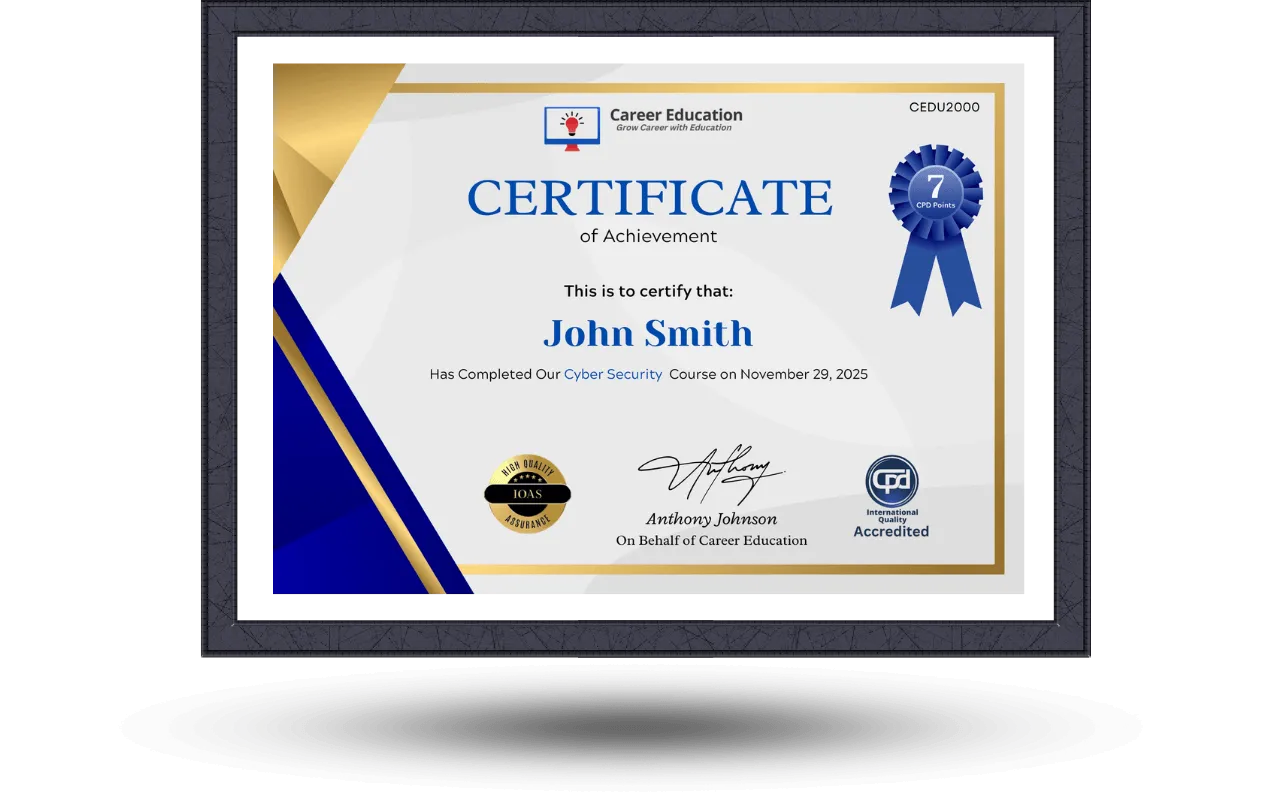
Upon completion of any course, all students are entitled to a CPD IQ Accredited e-certificate that will be issued by Career Education signifying the completion of your course.
After you complete the course and assignment, you will be eligible to order a free certificate accredited by CPD International Quality by completing the form below.
Hardcopy certificates and transcripts are also available for a small additional fee. More information is disclosed upon course completion.
Similar Courses



Frequently Asked Questions
The lifetime membership includes unlimited access to all courses, resources, and updates for a one-time fee.
You can purchase the membership directly from our website using a secure checkout process.
Yes, selected courses can be downloaded for offline access through our mobile app.
Yes, all future updates and new courses are included at no extra cost.
Yes, we offer a 30-day money-back guarantee if you are not satisfied with the membership.