
OFF
Mercury Exposure Safety and Prevention (US)
- Lifetime Access
- All Levels
- PDF Certificate
Learn With Confidence









Overview
Mercury Exposure Safety and Prevention (US)
Mercury is a naturally occurring element that can be present in certain industrial processes, products, environmental settings, and contaminated materials. Although mercury has useful properties and has been used in a variety of applications, exposure can present significant health and environmental concerns. Understanding how mercury moves through the environment, how exposure can occur, and how risks can be identified is an important part of workplace and environmental safety.
Mercury Exposure Safety and Prevention (US) is a practical, outcome-focused course designed to provide learners with a foundational understanding of mercury exposure, its environmental pathways, potential health effects, applicable regulations and guidelines, monitoring approaches, contamination scenarios, and populations that may be particularly vulnerable.
The course is designed to help learners understand mercury-related risks rather than simply memorise technical information. You will explore how mercury can move through environmental pathways, how exposure can affect people, why monitoring and assessment are important, and how regulatory frameworks can support exposure prevention and risk management.
Whether you work in environmental health and safety, industrial operations, laboratory environments, waste management, healthcare, environmental services, or another setting where mercury may be relevant, Mercury Exposure Safety and Prevention (US) can help you build greater awareness of this important safety topic.
Why Mercury Exposure Safety and Prevention Matters
Mercury exposure can occur through different pathways depending on the form of mercury, the environment, and the activities taking place.
Potential sources and situations may include:
-
Industrial processes.
-
Contaminated sites.
-
Certain manufacturing activities.
-
Improperly managed mercury-containing materials.
-
Environmental contamination.
-
Waste handling.
-
Laboratory settings.
-
Legacy products and equipment.
-
Contaminated food sources.
Understanding exposure requires more than identifying mercury as a hazardous substance. It also involves understanding how mercury behaves, how people may encounter it, and how exposure risks can be assessed.
Mercury Exposure Safety and Prevention (US) introduces learners to these concepts through seven structured modules.
You will explore:
-
Mercury exposure fundamentals.
-
Environmental pathways.
-
Potential health effects.
-
US regulations and guidelines.
-
Monitoring and assessment.
-
Mercury contamination case studies.
-
Vulnerable populations.
What You Will Learn
Module 1 – Introduction to Mercury Exposure
Lesson 1 – Introduction to Mercury Exposure
The course begins with the fundamentals of mercury and mercury exposure.
You will explore:
-
What mercury is.
-
Common forms of mercury.
-
Sources of mercury.
-
Potential exposure routes.
-
Occupational exposure.
-
Environmental exposure.
-
Basic exposure prevention concepts.
-
Why mercury requires careful management.
-
The relationship between exposure and risk.
You will develop an understanding of why the form and characteristics of mercury matter when evaluating potential exposure.
Different forms of mercury can behave differently in the environment and may present different exposure concerns. Understanding these distinctions provides an important foundation for the rest of the course.
You will also explore how exposure risk can depend on factors such as concentration, duration, route of exposure, workplace conditions, and individual circumstances.
Outcome: You will understand the basic characteristics of mercury and recognise the fundamental concepts involved in mercury exposure and prevention.
Module 2 – Environmental Pathways of Mercury
Mercury can move through air, water, soil, sediment, organisms, and food chains.
This module examines how mercury can travel through environmental pathways and how these pathways can influence exposure.
You will learn about:
-
Mercury in the atmosphere.
-
Airborne transport.
-
Soil contamination.
-
Water contamination.
-
Sediment.
-
Bioaccumulation.
-
Biomagnification.
-
Food-chain pathways.
-
Environmental persistence.
-
Human exposure through environmental pathways.
You will explore why environmental mercury contamination can be complex.
For example, mercury released into one part of the environment may be transported or transformed and eventually enter another environmental compartment.
The movement of mercury through ecosystems can also result in accumulation in certain organisms, potentially increasing exposure risks for people and wildlife.
Understanding these pathways can help professionals identify where exposure may occur and why environmental monitoring can be important.
Outcome: You will understand the major environmental pathways through which mercury can move and recognise how environmental contamination can contribute to human exposure.
Module 3 – Health Effects of Mercury Exposure
Understanding the potential health effects of mercury exposure is essential for effective prevention.
This module examines the potential effects associated with mercury exposure and the factors that can influence health risk.
You will explore:
-
Potential routes of human exposure.
-
Acute and chronic exposure concepts.
-
Neurological effects.
-
Developmental considerations.
-
Kidney-related effects.
-
Respiratory concerns associated with certain exposures.
-
Dose and duration.
-
Individual susceptibility.
-
Exposure prevention.
You will learn that the health effects of mercury can vary depending on factors such as the chemical form, amount of exposure, duration, route, and characteristics of the individual.
The module also introduces the importance of recognising that exposure assessment and health evaluation may require qualified professionals and appropriate technical resources.
Outcome: You will develop a foundational understanding of the potential health effects associated with mercury exposure and recognise factors that influence exposure-related risk.
Module 4 – Regulations and Guidelines
Mercury management is influenced by a range of regulatory requirements and health and environmental guidelines in the United States.
This module introduces learners to the regulatory environment surrounding mercury.
You will explore:
-
The purpose of environmental regulations.
-
Workplace safety requirements.
-
Exposure limits and guidelines.
-
Hazard communication.
-
Environmental controls.
-
Waste management considerations.
-
Regulatory responsibilities.
-
Recordkeeping and documentation.
-
The importance of jurisdiction-specific requirements.
-
Compliance awareness.
You will learn why regulatory requirements should be treated as an important part of an overall mercury safety programme.
Different regulatory requirements may apply depending on the workplace, activity, mercury source, industry, and environmental setting.
The course therefore focuses on regulatory awareness and encourages learners and organisations to consult current applicable requirements and qualified compliance professionals when making operational decisions.
Outcome: You will understand the role of US regulations and guidelines in mercury exposure management and recognise the importance of maintaining current compliance knowledge.
Module 5 – Monitoring and Assessment Methods
Identifying mercury exposure requires appropriate monitoring and assessment.
This module introduces the principles behind evaluating mercury-related risks.
You will explore:
-
Exposure assessment.
-
Environmental sampling.
-
Workplace monitoring.
-
Air monitoring.
-
Surface assessment.
-
Biological monitoring concepts.
-
Sampling strategies.
-
Risk evaluation.
-
Interpreting monitoring information.
-
Documentation.
-
Corrective action.
You will learn why monitoring should be based on the characteristics of the environment and the potential exposure pathway.
For example, assessing airborne mercury may require different methods from evaluating contamination in soil or water.
You will also explore the importance of using appropriate equipment, sampling procedures, quality controls, and qualified personnel when conducting technical assessments.
Monitoring results can provide valuable information for determining whether additional controls or corrective actions may be necessary.
Outcome: You will understand the fundamental principles of mercury exposure monitoring and assessment and recognise how monitoring information can support risk management.
Module 6 – Case Studies of Mercury Contamination
Real-world contamination scenarios can help learners understand how mercury risks can develop and why effective prevention matters.
This module examines case-study concepts involving mercury contamination.
You will explore:
-
Sources of contamination.
-
Environmental release scenarios.
-
Occupational exposure situations.
-
Community exposure concerns.
-
Contamination pathways.
-
Risk assessment.
-
Response measures.
-
Lessons learned.
-
Prevention strategies.
-
Importance of proper management.
Case studies can demonstrate how seemingly isolated events can create wider safety and environmental concerns.
For example, poor handling of mercury-containing materials may result in contamination of work areas, while environmental releases can affect surrounding ecosystems and communities.
You will consider how prevention, early recognition, appropriate response, and effective communication can reduce potential impacts.
The focus is not simply on what went wrong but on identifying lessons that can improve future risk management.
Outcome: You will learn how mercury contamination scenarios can develop and identify practical lessons that can support stronger prevention, assessment, and response strategies.
Module 7 – Vulnerable Populations
Not everyone responds to environmental hazards in exactly the same way.
Certain populations may have increased vulnerability to mercury exposure because of developmental, occupational, environmental, or other factors.
This module examines populations that may require particular consideration.
You will explore:
-
Children.
-
Developing foetuses.
-
Pregnant individuals.
-
Certain occupational groups.
-
Communities near contaminated environments.
-
People with specific exposure patterns.
-
Dietary exposure considerations.
-
Risk communication.
-
Protective strategies.
You will learn why exposure prevention should consider not only the average worker or community member but also individuals who may face increased susceptibility or exposure.
The module also highlights the importance of communicating mercury-related risks clearly and responsibly.
Outcome: You will understand why certain populations may be more vulnerable to mercury exposure and recognise the importance of targeted prevention and risk communication.
Practical Skills You Can Develop
Mercury Exposure Safety and Prevention (US) is designed to help learners develop practical knowledge that can support safer decision-making.
After completing the course, you can develop the ability to:
Recognise Mercury Exposure Risks
Identify common sources, exposure routes, and situations where mercury may present a potential hazard.
Understand Environmental Pathways
Explain how mercury can move through air, water, soil, sediment, ecosystems, and food chains.
Recognise Potential Health Concerns
Understand the broad categories of health effects associated with mercury exposure and the factors that influence risk.
Understand Regulatory Principles
Develop awareness of the role of US regulations and guidelines in managing mercury-related workplace and environmental risks.
Understand Monitoring Concepts
Recognise the purpose of workplace and environmental monitoring and the importance of appropriate assessment methods.
Learn from Contamination Events
Use case studies to identify lessons that can support prevention and improved risk management.
Recognise Vulnerable Populations
Understand why certain groups may require additional consideration when evaluating mercury exposure risks.
Who Is This Course For?
Mercury Exposure Safety and Prevention (US) can benefit professionals and learners working in environments where mercury exposure or contamination may be relevant.
It may be suitable for:
-
Environmental health and safety professionals.
-
Workplace safety personnel.
-
Industrial workers.
-
Laboratory personnel.
-
Environmental professionals.
-
Waste management workers.
-
Manufacturing employees.
-
Safety coordinators.
-
Compliance professionals.
-
Facility managers.
-
Occupational health professionals.
-
Environmental health students.
-
Professionals seeking mercury safety awareness.
The course can also provide useful foundational knowledge for individuals who want to better understand mercury-related workplace and environmental concerns.
Build Greater Mercury Safety Awareness
Mercury safety begins with awareness.
When workers and organisations understand where mercury may be present, how exposure can occur, and why certain populations may face greater risk, they can make more informed decisions about prevention and control.
Mercury Exposure Safety and Prevention (US) helps learners develop this awareness through a structured progression from basic concepts to environmental pathways, health effects, regulatory considerations, monitoring, contamination scenarios, and vulnerable populations.
Understand the Connection Between Environment and Health
One of the most important concepts in mercury safety is the connection between environmental contamination and human exposure.
Mercury does not necessarily remain where it was originally released.
It can move through environmental systems and, depending on its form and circumstances, enter food chains or create exposure opportunities for workers and communities.
Understanding this connection helps learners appreciate why mercury management requires both workplace and environmental perspectives.
Support Better Risk Assessment
Effective prevention depends on understanding risk.
A useful assessment may require consideration of:
-
The type of mercury involved.
-
The potential source.
-
The exposure route.
-
The concentration.
-
The duration of exposure.
-
The environment.
-
The people potentially exposed.
-
Existing controls.
-
Monitoring information.
The course provides foundational knowledge that can help learners understand these factors and recognise when specialised assessment may be necessary.
Make Informed Safety Decisions
Mercury-related safety decisions should be based on reliable information rather than assumptions.
By understanding exposure pathways, health concerns, regulatory principles, and monitoring concepts, learners can become better prepared to recognise situations that may require additional evaluation or professional intervention.
The course does not replace occupational health advice, environmental assessment, regulatory consultation, medical evaluation, or specialised hazardous-material training where those services are required.
Instead, it provides a foundation for understanding the subject and recognising when further expertise may be necessary.
Why Choose Mercury Exposure Safety and Prevention (US)?
The course provides a comprehensive introduction to the major areas associated with mercury exposure and prevention.
The curriculum covers:
-
Introduction to Mercury Exposure.
-
Environmental Pathways of Mercury.
-
Health Effects of Mercury Exposure.
-
Regulations and Guidelines.
-
Monitoring and Assessment Methods.
-
Case Studies of Mercury Contamination.
-
Vulnerable Populations.
This structure allows learners to progress from understanding mercury exposure fundamentals to exploring environmental movement, health considerations, regulations, monitoring, real-world contamination scenarios, and populations requiring additional consideration.
Strengthen Your Environmental and Workplace Safety Knowledge
Mercury exposure is a topic that crosses several areas of professional responsibility.
Environmental professionals may need to understand contamination pathways. Workplace safety professionals may need to consider occupational exposure. Industrial organisations may need to manage mercury-containing materials. Communities may need reliable information about potential environmental risks.
Developing a broad understanding of these issues can help professionals communicate more effectively and recognise potential risks earlier.
Start Learning Today
Mercury exposure can involve complex interactions between workplace conditions, environmental pathways, health risks, regulations, and individual vulnerability.
Mercury Exposure Safety and Prevention (US) provides a structured foundation for understanding these issues.
From learning about mercury exposure and environmental pathways to exploring potential health effects, US regulations and guidelines, monitoring approaches, contamination case studies, and vulnerable populations, the course helps learners develop a more complete understanding of mercury-related safety.
Whether you are a safety professional, environmental worker, industrial employee, laboratory professional, compliance specialist, or learner seeking foundational knowledge, this course can help you build greater awareness of mercury exposure risks and prevention principles.
Enrol in Mercury Exposure Safety and Prevention (US) today and develop the knowledge to recognise mercury exposure risks, understand environmental pathways, appreciate potential health concerns, understand regulatory considerations, recognise monitoring principles, learn from contamination scenarios, and support safer approaches to mercury risk management.
Course Modules
Course Content
Module 1_ Introduction to Mercury Exposure
-
Lesson 1_ Introduction to Mercury Exposure
Module 2_ Environmental Pathways of Mercury
Module 3_ Health Effects of Mercury Exposure
Module 4_ Regulations and Guidelines
Module 5_ Monitoring and Assessment Methods
Module 6_ Case Studies of Mercury Contamination
Module 7_ Vulnerable Populations
What our students say

Earn an Accredited Certificate
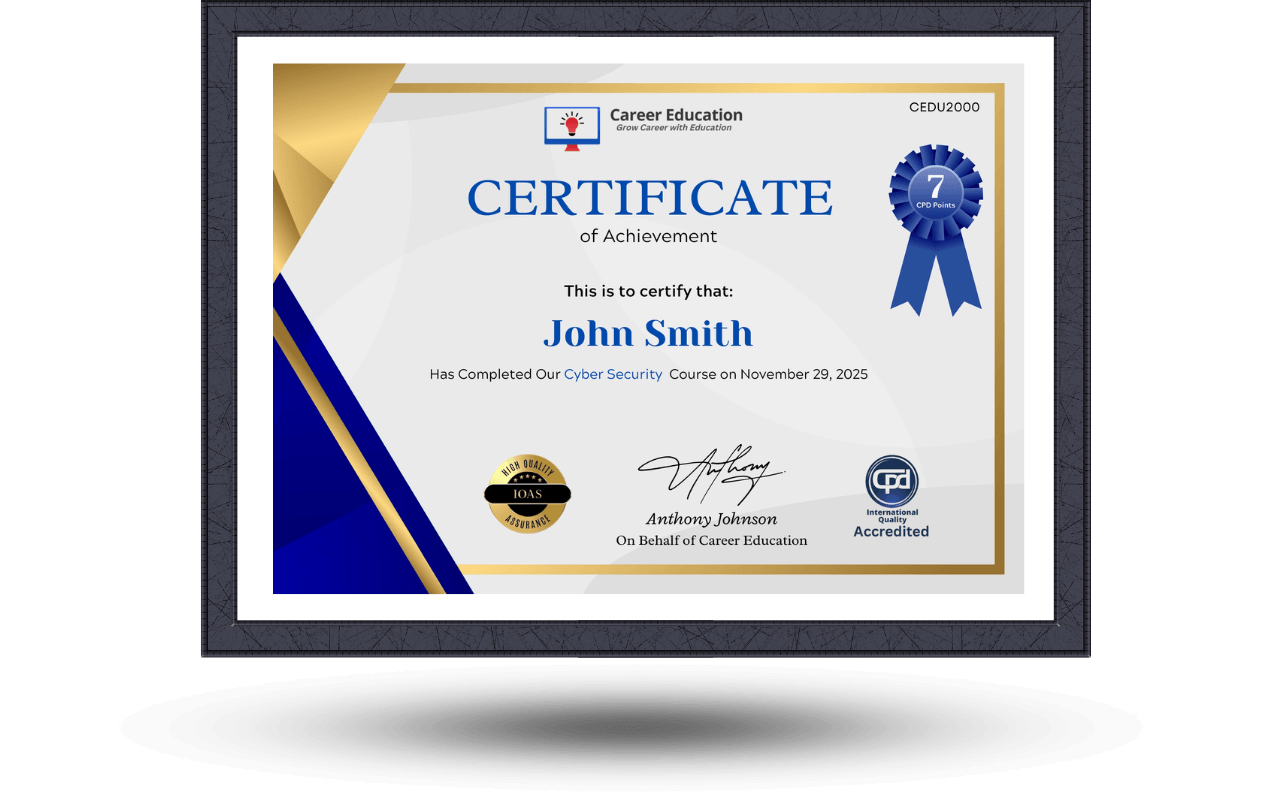
Upon completion of the course, an e-certificate will be downloadable from Khan Education signifying the completion of your course. But, the course is CPD Accredited and after you complete the assignment, you will be eligible to order a certificate accredited by CPD International Quality for £5.99 only. If you want a hardcopy certificate accredited by CPD IQ, you can get it for only £15.99.
Get your CertificateSimilar Courses