
94%
OFF
OFF
Mindful Living for Inner Peace and Balance
- Lifetime Access
- All Levels
- PDF Certificate
£296
£19
14-Day Money-Back Guarantee
Learn With Confidence









Mindful Living for Inner Peace and Balance
Overview
In today’s fast-paced world, many people struggle with stress, constant distractions, emotional overwhelm, and difficulty finding moments of calm. The demands of work, personal responsibilities, and digital connectivity can make it challenging to stay present and maintain a sense of inner stability. Mindful Living for Inner Peace and Balance is designed to help learners develop practical mindfulness skills that support greater awareness, emotional resilience, relaxation, and a deeper connection with everyday experiences.
This course provides a structured approach to understanding mindfulness and applying it as a way of life. Through guided practices, reflective techniques, and practical exercises, learners will discover how to slow down, become more aware of their thoughts and emotions, and create a healthier relationship with themselves and the world around them.
Mindful Living for Inner Peace and Balance focuses on developing sustainable habits that promote mental clarity, emotional balance, and overall wellbeing. Whether you are new to mindfulness or looking to strengthen an existing practice, this course offers accessible tools to help you cultivate a calmer, more intentional, and fulfilling lifestyle.
By completing this course, learners will gain the confidence to incorporate mindfulness into everyday situations, manage stress more effectively, improve self-awareness, and develop techniques that encourage lasting inner peace.
Course Description
Mindful Living for Inner Peace and Balance introduces learners to the principles and practices of mindfulness, helping them build a stronger connection between their thoughts, emotions, body, and daily experiences. The course explores how mindful awareness can transform the way we respond to challenges, improve focus, and support a greater sense of harmony in life.
Mindfulness is more than a meditation technique; it is a way of approaching life with curiosity, acceptance, and awareness. This course guides learners through essential mindfulness practices that can be integrated into everyday routines, allowing them to experience greater calm and clarity even during demanding situations.
Throughout the course, learners will explore the foundations of mindful living, including present-moment awareness, conscious breathing, body awareness, and emotional regulation. They will learn how to observe thoughts without becoming overwhelmed by them and develop strategies to respond to experiences with greater patience and understanding.
The course also highlights practical ways to bring mindfulness into ordinary activities such as eating, walking, working, communicating, and managing daily responsibilities. By developing a consistent mindfulness practice, learners can improve their ability to remain focused, reduce stress, and create a more balanced approach to life.
Mindful Living for Inner Peace and Balance is suitable for anyone seeking practical methods to enhance wellbeing, build resilience, and develop a deeper understanding of themselves.
What You Will Learn
By completing Mindful Living for Inner Peace and Balance, learners will be able to:
-
Understand the principles and benefits of mindful living.
-
Develop awareness of thoughts, emotions, and physical sensations.
-
Practise mindfulness techniques that encourage relaxation and focus.
-
Use mindful breathing practices to create moments of calm.
-
Improve emotional regulation and reduce reactive responses.
-
Build a stronger connection between mind and body.
-
Apply mindfulness techniques to everyday activities.
-
Develop healthier responses to stress and challenges.
-
Create a personal mindfulness routine for long-term wellbeing.
-
Cultivate greater inner peace, balance, and self-awareness.
Course Curriculum
Module 1: Introduction to Mindful Living
The first module introduces the concept of mindful living and explores how mindfulness can support greater awareness, balance, and personal wellbeing. Learners will discover what mindfulness means and how it differs from simply being relaxed or distracted.
This module explores the importance of living in the present moment and understanding how everyday habits influence our thoughts, emotions, and experiences. Learners will examine the connection between awareness and wellbeing while exploring how mindful living can improve relationships, productivity, and overall quality of life.
Through this introduction, learners will begin developing a mindset that encourages curiosity, acceptance, and compassion towards themselves and their experiences.
Key topics include:
-
Understanding mindful living and its purpose
-
The benefits of present-moment awareness
-
Developing a mindful approach to everyday life
-
Recognising automatic habits and reactions
-
Creating the foundation for a personal mindfulness practice
Module 2: Foundations of Mindfulness
This module explores the essential principles that form the foundation of mindfulness practice. Learners will gain a deeper understanding of awareness, attention, acceptance, and non-judgment.
Mindfulness requires developing the ability to observe experiences as they happen without immediately reacting or trying to change them. This module helps learners understand how to cultivate a balanced awareness of thoughts, emotions, and surroundings.
Learners will explore different mindfulness approaches and learn practical techniques that can be used to strengthen concentration and awareness. The module provides the essential skills needed to establish a consistent mindfulness routine.
Key topics include:
-
Core principles of mindfulness
-
Developing focused attention
-
Practising acceptance and awareness
-
Understanding the role of compassion in mindfulness
-
Building a sustainable mindfulness habit
Module 3: Mindfulness of Breath
Breathing is one of the most accessible tools for developing mindfulness. In this module, learners will explore mindful breathing techniques that encourage relaxation, focus, and emotional balance.
The breath provides a natural anchor that helps bring attention back to the present moment. Learners will discover how conscious breathing can support stress management, improve concentration, and create a sense of calm during challenging situations.
This module provides practical exercises that can be used anywhere, whether at home, at work, or during moments of pressure.
Key topics include:
-
Understanding the connection between breath and awareness
-
Practising mindful breathing exercises
-
Using breathing techniques for relaxation
-
Improving focus through breath awareness
-
Creating moments of calm throughout the day
Module 4: Cultivating Body Awareness
This module focuses on developing a stronger connection with the body through mindful awareness. Many people experience stress and tension without recognising how it affects their physical wellbeing. Body awareness helps learners notice physical sensations, release tension, and become more connected with their bodies.
Learners will explore body scan practices and other techniques that encourage relaxation and self-awareness. By paying attention to physical experiences, learners can develop a deeper understanding of how emotions and stress appear within the body.
Key topics include:
-
Understanding the mind-body connection
-
Developing awareness of physical sensations
-
Practising body scan meditation
-
Recognising signs of stress and tension
-
Supporting relaxation through body awareness
Module 5: Mindfulness in Daily Activities
Mindfulness is not limited to meditation sessions; it can be practised throughout everyday life. This module explores how learners can bring mindful awareness into ordinary activities and create more meaningful daily experiences.
Learners will discover how simple actions such as eating, walking, listening, communicating, and completing tasks can become opportunities for mindfulness. By approaching daily activities with greater awareness, learners can reduce distractions and experience more satisfaction in everyday moments.
Key topics include:
-
Applying mindfulness outside formal practice
-
Practising mindful communication
-
Developing awareness during routine activities
-
Improving focus and presence
-
Creating a more intentional lifestyle
Module 6: Navigating Thoughts and Emotions
The final module focuses on developing a healthier relationship with thoughts and emotions. Learners will explore how mindfulness can help them observe thoughts without becoming controlled by them.
Rather than avoiding difficult emotions, mindfulness encourages individuals to recognise emotions with acceptance and understanding. This module provides techniques for managing emotional challenges, reducing stress responses, and developing greater emotional resilience.
Learners will discover how mindful awareness can support self-compassion, patience, and a more balanced response to life’s challenges.
Key topics include:
-
Understanding thoughts and emotional patterns
-
Practising mindful observation of thoughts
-
Managing difficult emotions with awareness
-
Developing emotional resilience
-
Creating a balanced mindset through mindfulness
Who Is This Course For?
Mindful Living for Inner Peace and Balance is suitable for anyone who wants to develop greater awareness, reduce stress, and create a more balanced approach to life.
This course is ideal for:
-
Individuals seeking practical mindfulness techniques for everyday life.
-
Professionals looking to manage workplace stress and improve focus.
-
Students wanting to enhance concentration and emotional wellbeing.
-
Anyone interested in meditation, personal development, and self-awareness.
-
Individuals who want to build healthier responses to thoughts and emotions.
-
Beginners looking for an accessible introduction to mindfulness.
-
Experienced practitioners who want to strengthen their mindful living approach.
No previous mindfulness experience is required. The course is designed to support learners at all stages of their mindfulness journey.
Requirements
There are no specific qualifications or previous experience required to enrol in Mindful Living for Inner Peace and Balance.
Learners simply need:
-
An interest in mindfulness and personal wellbeing.
-
A willingness to practise awareness techniques.
-
A quiet space for reflection and mindfulness exercises.
-
Commitment to developing a regular mindfulness habit.
The course can be completed at your own pace, allowing you to practise and apply mindfulness techniques according to your personal goals and lifestyle.
Career Path and Personal Development Opportunities
While mindfulness is often associated with personal wellbeing, its skills are also valuable in many professional and personal environments. Completing Mindful Living for Inner Peace and Balance can support individuals who work in roles involving communication, leadership, education, healthcare, coaching, wellbeing, and support services.
Mindfulness skills can help develop qualities such as:
-
Improved emotional intelligence
-
Better communication skills
-
Greater concentration and focus
-
Enhanced stress management abilities
-
Increased self-awareness
-
Stronger resilience during challenges
For professionals, mindfulness knowledge can complement existing skills and support a more compassionate and balanced approach when working with others.
For personal development, the course provides lifelong techniques that can help learners maintain greater calm, awareness, and emotional balance.
Frequently Asked Questions
What is Mindful Living for Inner Peace and Balance?
Mindful Living for Inner Peace and Balance is a course designed to teach practical mindfulness techniques that help learners develop awareness, manage stress, improve emotional wellbeing, and create a calmer approach to everyday life.
Do I need previous mindfulness or meditation experience?
No. This course is suitable for beginners and does not require any previous knowledge of mindfulness or meditation practices.
How will this course help improve my daily life?
The course teaches practical techniques that can help you become more present, manage emotions, improve focus, reduce stress, and develop healthier responses to daily challenges.
Can I practise mindfulness while working or studying?
Yes. The course focuses on applying mindfulness to everyday activities, making it easier to integrate practices into work, study, and personal routines.
Will I receive a certificate after completing the course?
Yes, learners who successfully complete the course may receive a certificate of completion to recognise their achievement and mindfulness training.
Is this course suitable for personal wellbeing?
Yes. Mindful Living for Inner Peace and Balance is designed to support personal growth, emotional balance, relaxation, and long-term wellbeing through practical mindfulness approaches.
Start Your Journey Towards Greater Peace and Balance
Develop the skills to live with greater awareness, calm, and intention. Mindful Living for Inner Peace and Balance provides practical tools to help you understand yourself better, manage everyday challenges, and create a more balanced lifestyle.
Begin your mindfulness journey today and discover how small moments of awareness can create meaningful changes in your overall wellbeing.
Course Modules
Course Content
Module 1_ Introduction to Mindful Living
-
Lesson 1_ Introduction to Mindful Living
Module 2_ Foundations of Mindfulness
Module 3_ Mindfulness of Breath
Module 4_ Cultivating Body Awareness
Module 5_ Mindfulness in Daily Activities
Module 6_ Navigating Thoughts and Emotions
What our students say
Excellent
4.9 average
158 Reviews

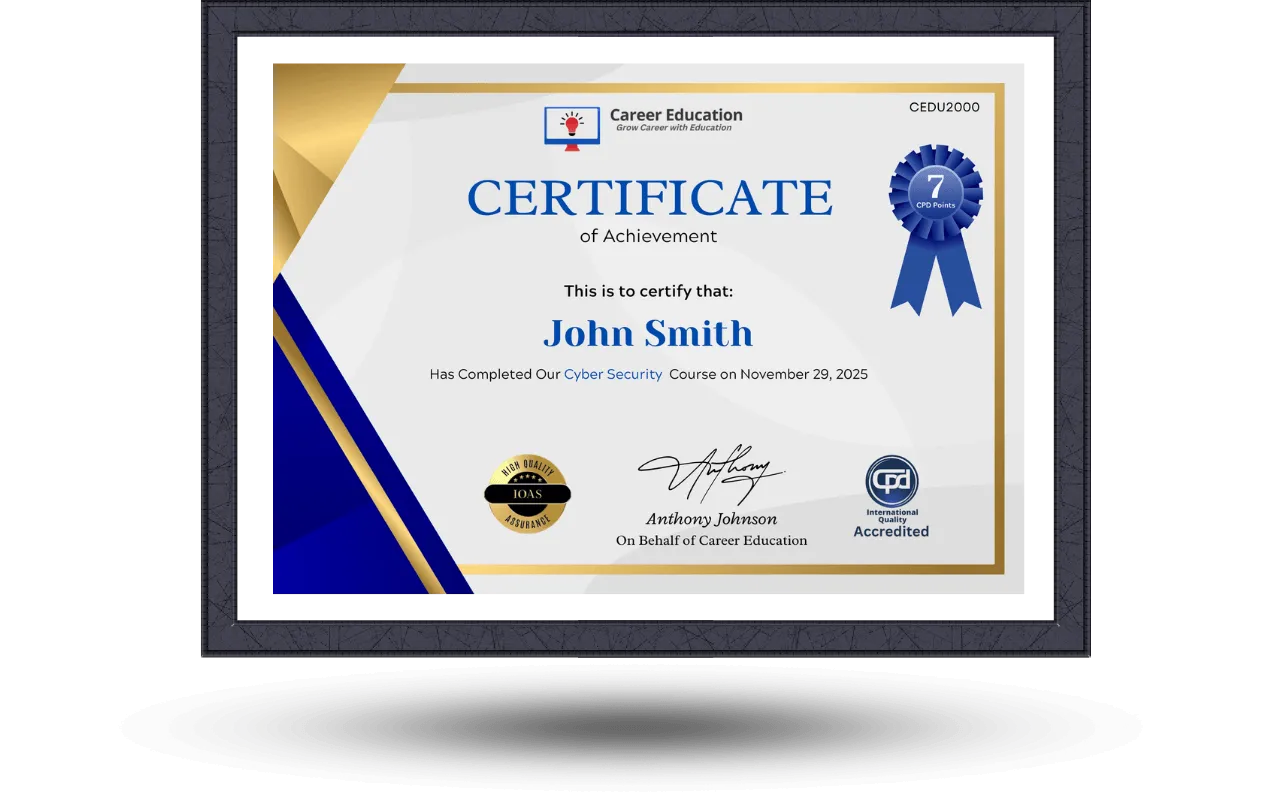
Earn an Accredited Certificate
Upon completion of any course, all students are entitled to a CPD IQ Accredited e-certificate that will be issued by Career Education signifying the completion of your course.
After you complete the course and assignment, you will be eligible to order a free certificate accredited by CPD International Quality by completing the form below.
Hardcopy certificates and transcripts are also available for a small additional fee. More information is disclosed upon course completion.
Similar Courses




Frequently Asked Questions
The lifetime membership includes unlimited access to all courses, resources, and updates for a one-time fee.
You can purchase the membership directly from our website using a secure checkout process.
Yes, selected courses can be downloaded for offline access through our mobile app.
Yes, all future updates and new courses are included at no extra cost.
Yes, we offer a 30-day money-back guarantee if you are not satisfied with the membership.