
OFF
Mental Health Awareness and Wellbeing Training
- Lifetime Access
- All Levels
- PDF Certificate
Learn With Confidence








Overview
Mental Health Awareness and Wellbeing Training
Overview
Mental health plays a vital role in overall wellbeing, personal development, workplace performance, and quality of life. The Mental Health Awareness and Wellbeing Training course is designed to help learners develop a deeper understanding of mental health, recognise common mental health challenges, identify warning signs, and explore effective approaches to promoting emotional wellbeing.
This comprehensive Mental Health Awareness and Wellbeing Training programme provides essential knowledge about mental health conditions, contributing factors, risk factors, protective factors, and the importance of early recognition and support. Whether you are looking to improve your personal understanding, support others more effectively, or enhance your professional skills, this course offers valuable insights and practical knowledge that can be applied in everyday situations.
By completing this course, learners will gain the confidence to discuss mental health openly, reduce stigma, recognise potential concerns, and understand the importance of seeking appropriate support when needed. The course provides a foundation for creating healthier environments where individuals feel supported, understood, and empowered to prioritise their wellbeing.
Course Description
The Mental Health Awareness and Wellbeing Training course introduces learners to the fundamental concepts of mental health and wellbeing while exploring the complexities of mental health conditions and their impact on individuals and communities. Mental health affects how people think, feel, behave, manage stress, build relationships, and respond to life experiences. Understanding these areas is essential for promoting positive mental health outcomes.
Throughout this course, learners will explore different aspects of mental health awareness, including common mental health disorders, signs and symptoms, factors influencing mental wellbeing, and approaches to assessment and diagnosis. The training encourages a compassionate and informed approach to supporting individuals who may be experiencing mental health difficulties.
The Mental Health Awareness and Wellbeing Training course is suitable for anyone who wants to expand their knowledge of mental health, including professionals, caregivers, educators, managers, employees, volunteers, and individuals interested in personal wellbeing. It provides practical awareness that can help learners contribute to supportive environments at home, in the workplace, and within wider communities.
This course does not replace professional mental health training or clinical qualifications, but it provides essential awareness and understanding that can help learners recognise concerns and respond appropriately.
Learning Outcomes
By completing the Mental Health Awareness and Wellbeing Training, learners will be able to:
-
Understand the importance of mental health awareness and wellbeing.
-
Explore the meaning of mental health and how it affects daily life.
-
Identify common mental health disorders and their characteristics.
-
Recognise signs and symptoms that may indicate mental health challenges.
-
Understand the factors that influence mental health and emotional wellbeing.
-
Identify risk factors that may contribute to mental health difficulties.
-
Explore protective factors that support positive mental health.
-
Understand the basics of mental health assessment and diagnosis.
-
Develop greater confidence when supporting individuals experiencing mental health concerns.
-
Promote a more informed and compassionate approach to mental health.
Course Curriculum
Module 1: Introduction to Mental Health Awareness
The first module introduces the foundations of mental health awareness and explores why understanding mental wellbeing is important in modern society. Learners will examine the meaning of mental health and how it influences thoughts, emotions, behaviours, relationships, and overall quality of life.
This module explores the difference between positive mental health and mental health challenges, helping learners understand that mental health exists on a spectrum and can change throughout a person’s life. Learners will discover how attitudes, beliefs, and social perceptions can influence conversations about mental health.
Key topics covered include:
-
Understanding mental health and wellbeing.
-
The importance of mental health awareness.
-
The connection between mental and physical health.
-
Mental health across different stages of life.
-
Challenging stigma and misconceptions.
-
The importance of empathy, understanding, and support.
By completing this module, learners will develop a strong foundation in mental health awareness and understand why promoting wellbeing is essential for individuals and communities.
Module 2: Common Mental Health Disorders
This module explores some of the most common mental health disorders and provides learners with an understanding of how these conditions can affect individuals. Recognising different types of mental health challenges is an important step towards providing appropriate support and encouraging early intervention.
Learners will explore conditions such as anxiety disorders, depression, stress-related difficulties, mood disorders, and other common mental health concerns. The module focuses on awareness rather than diagnosis, helping learners understand the experiences of individuals living with these challenges.
Key topics covered include:
-
Overview of common mental health disorders.
-
Understanding anxiety and anxiety-related conditions.
-
Exploring depression and its impact on daily life.
-
Understanding stress and emotional difficulties.
-
Awareness of mood-related disorders.
-
The importance of early support and intervention.
Through this module, learners will gain greater awareness of mental health conditions and develop a more understanding and supportive approach when interacting with individuals who may be experiencing difficulties.
Module 3: Signs and Symptoms of Mental Health Disorders
Early recognition of mental health concerns can play an important role in providing timely support. This module focuses on helping learners identify possible signs and symptoms associated with mental health challenges.
Learners will explore how mental health difficulties may appear through changes in emotions, behaviours, physical health, communication patterns, and daily routines. The module highlights the importance of approaching these signs with sensitivity and avoiding assumptions or judgement.
Key topics covered include:
-
Emotional signs of mental health difficulties.
-
Behavioural changes and warning indicators.
-
Physical symptoms associated with mental health challenges.
-
Changes in communication and social interaction.
-
Recognising when someone may need additional support.
-
Responding appropriately to mental health concerns.
After completing this module, learners will feel more confident in recognising potential signs of mental health difficulties and understanding when professional support may be beneficial.
Module 4: Factors Influencing Mental Health
Mental health is influenced by a wide range of personal, social, environmental, and biological factors. This module examines the different elements that can affect emotional wellbeing throughout life.
Learners will explore how lifestyle choices, relationships, experiences, environments, and personal circumstances can contribute to mental health outcomes. Understanding these influences helps learners develop a broader perspective on why individuals may experience mental health challenges.
Key topics covered include:
-
Biological influences on mental health.
-
The impact of life experiences and personal circumstances.
-
Social relationships and support networks.
-
Workplace and environmental influences.
-
Lifestyle factors affecting wellbeing.
-
The relationship between stress and mental health.
This module enables learners to understand that mental health is complex and influenced by multiple factors rather than a single cause.
Module 5: Risk Factors and Protective Factors
This module focuses on understanding the factors that may increase the likelihood of mental health difficulties and the factors that help protect and strengthen wellbeing.
Learners will explore how certain experiences, circumstances, and behaviours may contribute to increased vulnerability, while also examining the importance of resilience, healthy relationships, coping strategies, and supportive environments.
Key topics covered include:
-
Understanding mental health risk factors.
-
Social, emotional, and environmental risks.
-
The role of stress and challenging life events.
-
Building resilience and emotional strength.
-
Protective factors that support wellbeing.
-
Creating supportive environments.
By understanding both risk factors and protective factors, learners will gain practical knowledge that can help encourage positive mental health and wellbeing strategies.
Module 6: Mental Health Assessment and Diagnosis
The final module introduces learners to the principles of mental health assessment and diagnosis. Learners will explore how professionals identify and understand mental health conditions while recognising the importance of accurate assessment and personalised support.
This module explains the role of healthcare professionals and the importance of gathering information about symptoms, experiences, behaviours, and personal circumstances. Learners will also explore why self-diagnosis can be challenging and why professional guidance is important.
Key topics covered include:
-
The purpose of mental health assessment.
-
Understanding the assessment process.
-
The role of mental health professionals.
-
Overview of diagnostic approaches.
-
The importance of accurate identification.
-
Supporting individuals after assessment.
Upon completion of this module, learners will have a clearer understanding of how mental health concerns are assessed and why professional support plays an important role in effective care.
Who Is This Course For?
The Mental Health Awareness and Wellbeing Training course is ideal for:
-
Individuals who want to improve their understanding of mental health.
-
Employees who want to create more supportive workplaces.
-
Managers and team leaders supporting staff wellbeing.
-
Teachers and education professionals.
-
Healthcare and social care workers.
-
Caregivers and support workers.
-
Volunteers working with communities.
-
Anyone interested in improving mental health awareness.
This course is suitable for beginners and does not require previous experience in mental health. It provides valuable foundational knowledge for anyone who wants to become more informed and confident when discussing mental wellbeing.
Requirements
There are no specific entry requirements for the Mental Health Awareness and Wellbeing Training course. Learners only need an interest in understanding mental health and a willingness to develop their knowledge.
The course is suitable for learners from different backgrounds and professional areas. Access to a computer, tablet, or smartphone with an internet connection is recommended for completing online learning activities.
Career Path
Completing the Mental Health Awareness and Wellbeing Training course can support personal and professional development by improving understanding of mental health concepts and wellbeing practices.
The knowledge gained from this course can be valuable for roles and areas including:
-
Healthcare support.
-
Social care services.
-
Education and childcare.
-
Workplace wellbeing support.
-
Human resources.
-
Community support roles.
-
Volunteering and advocacy.
While this course does not qualify learners as mental health professionals, it provides an essential awareness foundation that can strengthen communication skills, improve confidence, and support further learning in mental health-related fields.
Frequently Asked Questions (FAQs)
1. What is the Mental Health Awareness and Wellbeing Training course?
The Mental Health Awareness and Wellbeing Training course is designed to provide learners with essential knowledge about mental health, common mental health disorders, signs and symptoms, influencing factors, and wellbeing support strategies.
2. Who can enrol on this course?
This course is suitable for anyone interested in improving their understanding of mental health. It is ideal for professionals, caregivers, educators, employees, volunteers, and individuals who want to support better mental wellbeing.
3. Do I need previous experience to complete this course?
No. The Mental Health Awareness and Wellbeing Training course is beginner-friendly and does not require previous mental health knowledge or professional experience.
4. Will I receive a certificate after completing the course?
Yes, learners who successfully complete the course may receive a certificate of completion to demonstrate their commitment to developing knowledge and awareness in mental health and wellbeing.
5. Can this course help me support others?
Yes. The course helps learners recognise potential mental health concerns, understand common challenges, and develop a more informed and supportive approach when helping others.
6. Is this course a professional mental health qualification?
No. The Mental Health Awareness and Wellbeing Training course provides awareness-level knowledge and is not a replacement for professional clinical training or mental health qualifications. It is designed to build understanding and confidence around mental health topics.
Course Modules
Course Content
Module 1_ Introduction to Mental Health Awareness
-
Lesson 1_ Introduction to Mental Health Awareness
Module 2_ Common Mental Health Disorders
Module 3_ Signs and Symptoms of Mental Health Disorders
Module 4_ Factors Influencing Mental Health
Module 5_ Risk Factors and Protective Factors
Module 6_ Mental Health Assessment and Diagnosis
What our students say

Earn an Accredited Certificate
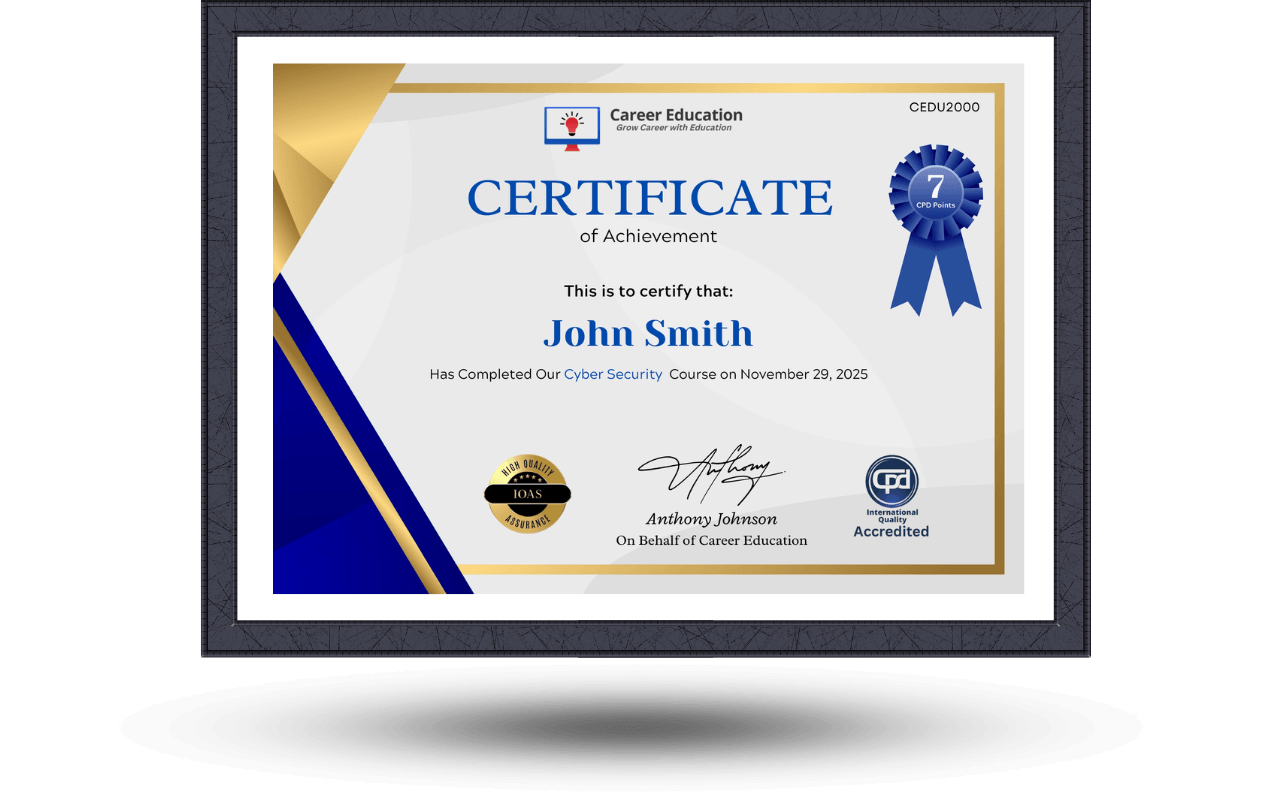
Upon completion of the course, an e-certificate will be downloadable from Khan Education signifying the completion of your course. But, the course is CPD Accredited and after you complete the assignment, you will be eligible to order a certificate accredited by CPD International Quality for £5.99 only. If you want a hardcopy certificate accredited by CPD IQ, you can get it for only £15.99.
Get your CertificateSimilar Courses