94%
OFF
OFF
Lifeguarding Skills and Training
- Lifetime Access
- All Levels
- PDF Certificate
£296
£19
14-Day Money-Back Guarantee
Learn With Confidence









Lifeguarding Skills and Training
Protecting lives in and around the water requires more than confidence in the pool. It requires awareness, preparation, physical readiness, practical lifesaving knowledge, and the ability to respond appropriately when an emergency occurs. Lifeguarding Skills and Training is designed to help learners develop a strong foundation in the knowledge and skills needed to understand lifeguarding responsibilities, promote water safety, prevent incidents, and respond effectively to aquatic emergencies.
Whether you are considering a career in lifeguarding, already work in an aquatic environment, or want to strengthen your understanding of lifesaving responsibilities, this course provides a structured learning experience covering key areas of professional lifeguarding.
Why Choose Lifeguarding Skills and Training?
Aquatic environments can be enjoyable places for recreation, exercise, and community activities, but they also require effective safety management. Lifeguards have an important role in identifying hazards, supporting safe behaviour, monitoring aquatic environments, and taking appropriate action when an incident occurs.
Lifeguarding Skills and Training focuses on practical outcomes rather than simply introducing theoretical information. Throughout the course, learners explore how to recognise potential risks, understand drowning prevention, develop physical preparedness, learn lifesaving techniques, respond to incidents, and appreciate the professional and legal responsibilities associated with lifeguarding.
By completing the course, learners can develop greater confidence in understanding the different responsibilities involved in maintaining safety around water.
What Will You Learn?
The course covers eight key modules, providing a broad introduction to the principles and responsibilities of lifeguarding.
Module 1: Introduction to Lifeguarding
The course begins by establishing a foundation in lifeguarding and the role of the lifeguard within an aquatic environment.
Learners explore the purpose of lifeguarding, the responsibilities associated with supervising people around water, and the importance of maintaining a professional approach. Understanding the role of a lifeguard is essential because effective safety supervision involves much more than reacting when something goes wrong.
This module helps learners understand the importance of vigilance, communication, responsibility, teamwork, and professional conduct.
By the end of this module, you should have a clearer understanding of what lifeguarding involves and why prevention is such an important part of the role.
Module 2: Water Safety and Drowning Prevention
Prevention is one of the most important aspects of lifeguarding. Recognising hazards and encouraging safe behaviour can help reduce the likelihood of serious incidents occurring.
This module explores water safety and drowning prevention, helping learners understand potential risks associated with aquatic environments. It focuses on the importance of observation, awareness, appropriate safety practices, and early recognition of situations that could develop into emergencies.
You will gain knowledge that can help you understand how safer aquatic environments can be supported through proactive supervision and effective risk awareness.
The outcome is a stronger understanding of how lifeguards can contribute to preventing incidents rather than simply responding to them.
Module 3: Physical Fitness and Endurance
Lifeguarding can require physical preparedness, particularly when responding to emergencies in aquatic environments. Maintaining suitable fitness and endurance can therefore be an important part of professional readiness.
This module introduces the role of physical fitness and endurance in lifeguarding. Learners explore why physical preparedness matters and how endurance can support the demands associated with aquatic safety responsibilities.
The focus is on understanding the relationship between physical capability and effective emergency response, while recognising that lifeguarding also requires sound judgement, communication, observation, and teamwork.
By completing this module, learners can better appreciate the importance of preparing physically for the responsibilities associated with lifeguarding.
Module 4: Lifesaving Skills and Techniques
A lifeguard needs to understand appropriate lifesaving skills and techniques and know how these skills contribute to emergency response.
This module introduces key principles associated with lifesaving in aquatic environments. Learners explore techniques used in lifeguarding and develop an understanding of how appropriate actions can support people in difficulty.
The module helps connect knowledge with practical decision-making. Learners can develop a greater appreciation of the importance of remaining calm, assessing situations, following appropriate procedures, and using suitable lifesaving approaches.
This knowledge can provide a valuable foundation for further practical lifeguarding training and competency development.
Module 5: Emergency Response and Incident Management
Emergencies require an organised and appropriate response. A lifeguard needs to understand how to react to incidents while maintaining awareness of the wider situation.
This module focuses on emergency response and incident management. Learners explore the importance of recognising emergencies, following established procedures, communicating effectively, and coordinating an appropriate response.
Incident management can involve several responsibilities, from initial recognition and response through to communication and post-incident considerations. Understanding these stages can help learners appreciate why preparation and clear procedures are essential.
By the end of this module, you should have a stronger understanding of the principles involved in managing aquatic incidents in a structured and professional manner.
Module 6: Legal and Professional Responsibilities
Lifeguarding involves significant professional responsibilities. Understanding the legal and professional framework surrounding the role is essential for anyone working in an aquatic environment.
This module explores the importance of professional conduct, responsibility, accountability, and compliance with relevant rules and procedures. Learners develop an understanding of why lifeguards must work within their level of competence and follow the policies and procedures established by their organisation or facility.
The module also highlights the importance of maintaining appropriate professional standards and understanding the responsibilities associated with protecting members of the public.
This knowledge can help learners approach lifeguarding with a greater awareness of the standards expected within professional aquatic environments.
Module 7: Weather, Environmental, and Cultural Considerations
Aquatic safety does not take place in exactly the same conditions every day. Environmental factors can influence risks, visibility, water conditions, and the way safety is managed.
This module explores weather and environmental considerations relevant to lifeguarding. Learners also consider cultural factors that may influence aquatic environments and interactions with members of the public.
Understanding these factors encourages a broader approach to safety. Effective lifeguarding involves adapting awareness and decision-making to the circumstances rather than relying on a single approach in every situation.
By completing this module, learners can develop a better appreciation of how environmental and cultural considerations can influence aquatic safety and professional practice.
Module 8: Aquatic Facility and Equipment
A safe aquatic facility depends on appropriate equipment, effective procedures, and responsible management. Lifeguards should understand the environment in which they work and recognise the importance of maintaining awareness of available safety resources.
The final module focuses on aquatic facilities and equipment. Learners explore the role of facilities, safety equipment, and appropriate resources in supporting effective lifeguarding.
Understanding equipment and the aquatic environment can help learners recognise potential issues, appreciate the importance of readiness, and understand how resources contribute to emergency preparedness.
This final module brings together many of the themes covered throughout the course, reinforcing the importance of preparation, awareness, and responsible safety management.
Develop Practical Lifeguarding Knowledge
One of the key benefits of Lifeguarding Skills and Training is the broad range of subjects covered. Rather than focusing on one aspect of aquatic safety, the course introduces learners to the different areas that contribute to effective lifeguarding.
You will explore:
-
The role and responsibilities of a lifeguard
-
Water safety principles
-
Drowning prevention
-
Physical fitness and endurance
-
Lifesaving skills and techniques
-
Emergency response
-
Incident management
-
Legal and professional responsibilities
-
Weather and environmental considerations
-
Cultural considerations in aquatic environments
-
Aquatic facilities
-
Safety equipment and preparedness
This comprehensive approach helps learners develop a more complete understanding of what effective lifeguarding involves.
Build Confidence Through Knowledge
Confidence is important when working in safety-focused environments, but genuine confidence should be supported by appropriate knowledge and preparation. Lifeguarding Skills and Training helps learners build that foundation by introducing key principles across the lifeguarding role.
You can develop a clearer understanding of how prevention, observation, preparation, communication, and emergency response work together.
The course can also help learners identify areas where further practical training may be beneficial. Lifeguarding is a practical responsibility, and appropriate practical qualifications, assessments, and supervised training may be required for specific roles.
Who Is This Course For?
Lifeguarding Skills and Training can be useful for a range of learners interested in aquatic safety and professional development.
It may be suitable for:
-
Individuals considering a career in lifeguarding
-
People interested in aquatic safety
-
Existing aquatic facility staff seeking to broaden their knowledge
-
Learners preparing for further lifeguarding education
-
Recreation and leisure professionals
-
Individuals interested in water safety and emergency preparedness
-
Anyone looking to develop foundational knowledge of lifeguarding responsibilities
The course can provide a useful learning foundation whether you are beginning to explore the field or looking to expand your existing understanding.
Career and Professional Development Benefits
Lifeguarding is a responsibility that can involve working in swimming pools, leisure centres, aquatic facilities, beaches, and other environments where water safety is important.
Developing knowledge in this area can support learners who are exploring opportunities within leisure, recreation, aquatic safety, and related sectors.
The transferable skills associated with lifeguarding can also be valuable. Awareness, communication, responsibility, teamwork, observation, decision-making, and emergency preparedness are relevant qualities across many professional environments.
However, learners should check the specific qualification, certification, practical assessment, age, fitness, first aid, and other requirements applicable to any lifeguarding position they wish to pursue.
A Structured Learning Experience
The eight-module structure makes it easier to work through the key components of lifeguarding in a logical progression.
You begin with an introduction to the role before moving into water safety and prevention. The course then explores physical preparedness and lifesaving skills before progressing to emergency response and incident management.
The later modules broaden your understanding by covering professional responsibilities, environmental and cultural considerations, and aquatic facilities and equipment.
This progression helps connect individual topics and demonstrate how they contribute to effective aquatic safety.
Take the Next Step Towards Lifeguarding Knowledge
Being prepared around water requires awareness, responsibility, and a commitment to safety. Lifeguarding Skills and Training provides learners with an opportunity to explore the principles behind effective lifeguarding and develop a stronger understanding of the responsibilities involved.
From water safety and drowning prevention to emergency response, professional responsibilities, environmental considerations, and aquatic equipment, the course covers essential areas that can help you build a solid foundation of lifeguarding knowledge.
If you are interested in developing your understanding of aquatic safety or preparing for further professional training, Lifeguarding Skills and Training can be a valuable step in your learning journey.
Start developing your knowledge today and build a stronger foundation for understanding the responsibilities, skills, and safety principles associated with lifeguarding.
Course Modules
Course Content
Copy of Module 1_ Introduction to Lifeguarding
-
Copy of Lesson 1_ Introduction to Lifeguarding
Copy of Module 2_ Water Safety and Drowning Prevention
Copy of Module 3_ Physical Fitness and Endurance
Copy of Module 4_ Lifesaving Skills and Techniques
Copy of Module 5_ Emergency Response and Incident Management
Copy of Module 6_ Legal and Professional Responsibilities
Copy of Module 7_ Weather, Environmental, and Cultural Considerations
Copy of Module 8_ Aquatic Facility and Equipment
What our students say
Excellent
4.9 average
158 Reviews

Earn an Accredited Certificate
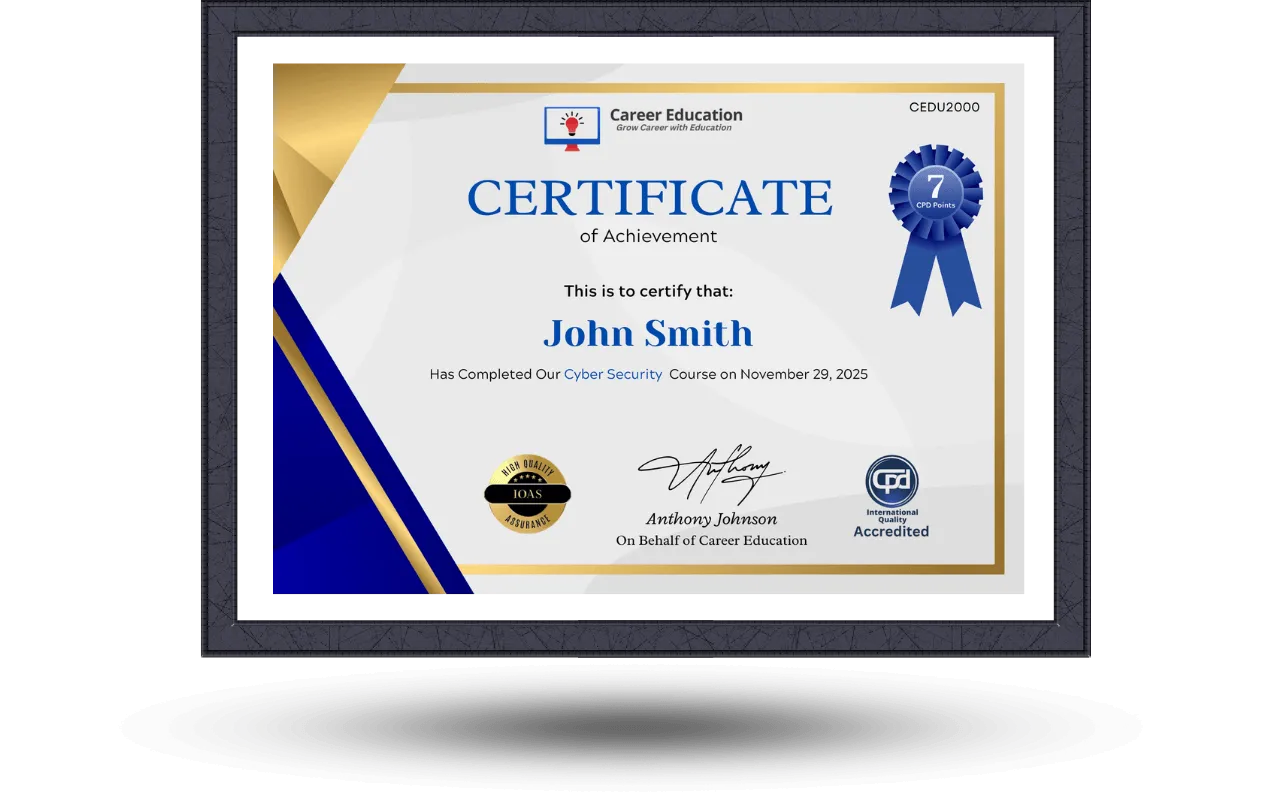
Upon completion of any course, all students are entitled to a CPD IQ Accredited e-certificate that will be issued by Career Education signifying the completion of your course.
After you complete the course and assignment, you will be eligible to order a free certificate accredited by CPD International Quality by completing the form below.
Hardcopy certificates and transcripts are also available for a small additional fee. More information is disclosed upon course completion.
Similar Courses


Frequently Asked Questions
The lifetime membership includes unlimited access to all courses, resources, and updates for a one-time fee.
You can purchase the membership directly from our website using a secure checkout process.
Yes, selected courses can be downloaded for offline access through our mobile app.
Yes, all future updates and new courses are included at no extra cost.
Yes, we offer a 30-day money-back guarantee if you are not satisfied with the membership.