OFF
Learning Disabilities Care and Support Training
- Lifetime Access
- All Levels
- PDF Certificate
Learn With Confidence






Overview
Learning Disabilities Care and Support Training
Overview
Learning Disabilities Care and Support Training is a comprehensive course designed to help learners develop the knowledge, understanding, and practical skills required to support individuals with learning disabilities in educational, healthcare, social care, and community environments. This course provides valuable insights into the challenges faced by people with learning disabilities while focusing on person-centred approaches, effective communication, inclusive support strategies, and ways to promote independence and wellbeing.
Learning disabilities can affect how individuals process information, learn new skills, communicate, and manage everyday activities. With the right understanding and support, people with learning disabilities can achieve greater confidence, participate actively in society, and improve their quality of life. This training equips learners with the awareness and practical tools needed to create supportive environments where individuals feel respected, valued, and empowered.
Whether you are working in care services, education, healthcare, social support, or simply want to improve your understanding of learning disabilities, this course will provide essential knowledge to help you make a positive difference.
Course Description
The Learning Disabilities Care and Support Training course explores the foundations of learning disabilities, assessment methods, neurodevelopmental conditions, educational approaches, emotional wellbeing, and community-based support systems. Learners will gain a deeper understanding of how learning disabilities impact individuals and how effective support can encourage personal growth, independence, and inclusion.
This course focuses on practical outcomes by helping learners understand how to recognise different types of learning disabilities, respond to individual needs, and provide appropriate support. You will learn about the importance of early identification, personalised care planning, communication techniques, and collaboration with families and professionals.
Through this training, learners will develop the confidence to:
-
Understand the causes, characteristics, and impact of learning disabilities.
-
Recognise different types of learning disabilities and associated challenges.
-
Understand assessment and diagnosis processes.
-
Explore neurodevelopmental disorders and their relationship with learning difficulties.
-
Apply inclusive educational strategies and support techniques.
-
Promote emotional wellbeing and social inclusion.
-
Work effectively with families, carers, and community support networks.
-
Encourage independence and improve quality of life for individuals with learning disabilities.
The Learning Disabilities Care and Support Training course is designed to support anyone who wants to develop a compassionate and informed approach when working with individuals who require additional learning and developmental support.
Course Curriculum
Module 1: Introduction to Learning Disabilities
The first module provides a strong foundation in understanding learning disabilities and their impact on individuals throughout different stages of life. Learners will explore what learning disabilities are, common characteristics, and how they can influence communication, education, social interaction, and daily living skills.
This module introduces the importance of recognising each person as an individual, understanding their strengths, and avoiding assumptions based on their disability. Learners will explore different types of learning disabilities and understand how support needs can vary significantly from person to person.
By completing this module, learners will be able to:
-
Define learning disabilities and understand their key characteristics.
-
Identify common types of learning disabilities.
-
Understand how learning disabilities affect daily life and development.
-
Recognise the importance of inclusive and person-centred support.
-
Develop greater awareness of the experiences of individuals with learning disabilities.
This knowledge forms the foundation for providing respectful, effective, and meaningful support.
Module 2: Assessment and Diagnosis of Learning Disabilities
Accurate assessment and diagnosis play an important role in identifying learning needs and developing suitable support plans. This module explores the processes involved in assessing learning disabilities and the importance of early recognition.
Learners will examine different assessment approaches used by professionals and understand how evaluations consider cognitive abilities, communication skills, adaptive behaviours, educational progress, and individual circumstances.
The module also highlights the importance of working collaboratively with healthcare professionals, educators, families, and support workers to ensure individuals receive appropriate assistance.
By completing this module, learners will understand:
-
How learning disabilities are assessed and diagnosed.
-
The role of healthcare and educational professionals in assessment.
-
The importance of early identification and intervention.
-
How assessment results influence support strategies.
-
The need for personalised approaches based on individual needs.
This knowledge helps learners contribute to better outcomes for individuals by ensuring support is based on accurate understanding rather than assumptions.
Module 3: Understanding Neurodevelopmental Disorders
Learning disabilities can sometimes occur alongside neurodevelopmental disorders that influence learning, behaviour, communication, and social interaction. This module introduces learners to common neurodevelopmental conditions and explores their relationship with learning disabilities.
Learners will gain insight into conditions that may affect development and understand why individuals may experience different challenges in educational and social environments.
The module focuses on recognising individual differences and adapting support approaches according to personal strengths, preferences, and requirements.
Through this module, learners will learn how to:
-
Understand the connection between neurodevelopmental disorders and learning challenges.
-
Recognise common characteristics associated with developmental conditions.
-
Identify how different conditions may influence communication and behaviour.
-
Apply supportive strategies that encourage inclusion and participation.
-
Promote acceptance and understanding of neurodiversity.
This understanding enables learners to provide more effective and compassionate care for individuals with diverse developmental needs.
Module 4: Educational Strategies and Accommodations
Education plays a vital role in helping individuals with learning disabilities develop skills, confidence, and independence. This module explores effective educational strategies and reasonable accommodations that can improve learning experiences.
Learners will discover how personalised teaching approaches, accessible resources, and supportive environments can help individuals overcome barriers to learning.
The module focuses on creating inclusive learning opportunities where everyone has the chance to succeed.
By completing this module, learners will be able to:
-
Understand inclusive education principles.
-
Identify barriers that may affect learning.
-
Explore strategies that support different learning styles.
-
Recognise the importance of personalised learning plans.
-
Apply practical accommodations to improve participation and engagement.
These skills are valuable for teachers, support workers, carers, and anyone involved in helping individuals achieve their educational goals.
Module 5: Social and Emotional Aspects of Learning Disabilities
Learning disabilities can affect more than academic development. They can also influence confidence, relationships, emotional wellbeing, and social participation. This module explores the social and emotional experiences of individuals with learning disabilities.
Learners will understand the importance of building positive relationships, encouraging self-esteem, and supporting emotional resilience. The module highlights how stigma, exclusion, and misunderstanding can create additional challenges and explains how supportive environments can help individuals thrive.
This module enables learners to:
-
Understand the emotional impact of learning disabilities.
-
Recognise challenges related to confidence and social interaction.
-
Support positive communication and relationship-building.
-
Encourage independence and self-advocacy.
-
Promote inclusion and reduce barriers caused by stigma.
By developing these skills, learners can contribute to environments where individuals with learning disabilities feel accepted, respected, and empowered.
Module 6: Family and Community Support
Families and communities play an essential role in supporting individuals with learning disabilities. This final module explores the importance of collaboration, advocacy, and community involvement.
Learners will examine how families, carers, professionals, and community organisations can work together to provide consistent and effective support. The module also highlights the importance of empowering individuals to participate in decision-making about their own lives.
Through this module, learners will understand:
-
The role of families in supporting individuals with learning disabilities.
-
How to build effective partnerships with carers and professionals.
-
The importance of community inclusion and accessibility.
-
Ways to promote independence and participation.
-
How support networks improve long-term outcomes.
This module provides learners with practical knowledge to help create stronger support systems for individuals and their families.
Who Is This Course For?
The Learning Disabilities Care and Support Training course is suitable for anyone interested in developing skills to support individuals with learning disabilities. It is particularly valuable for:
-
Care workers and support workers.
-
Healthcare professionals.
-
Teachers and education staff.
-
Social care professionals.
-
Community workers.
-
Family members and carers.
-
Volunteers working with vulnerable individuals.
-
Anyone interested in disability awareness and inclusive support.
No previous professional experience is required, making this course accessible for beginners as well as experienced professionals who want to expand their knowledge.
Course Requirements
There are no specific entry requirements for the Learning Disabilities Care and Support Training course. A willingness to learn, develop understanding, and support individuals with compassion is the most important requirement.
Learners will benefit from having:
-
An interest in disability support and care.
-
Basic communication skills.
-
A commitment to promoting inclusion and equality.
-
Access to a computer or device for online learning.
The course is suitable for both personal development and professional growth.
Career Path
Completing the Learning Disabilities Care and Support Training course can help learners develop valuable skills for roles in healthcare, education, and social care settings.
This training can support career development opportunities such as:
-
Learning disability support worker.
-
Healthcare assistant.
-
Social care worker.
-
Teaching assistant.
-
Community support worker.
-
Disability services assistant.
-
Care coordinator.
-
Family support worker.
The knowledge gained from this course can also enhance existing professional roles by improving confidence, communication skills, and the ability to provide person-centred support.
As awareness of inclusive care continues to grow, professionals with strong understanding of learning disabilities are increasingly valued across many sectors. The Learning Disabilities Care and Support Training course provides learners with practical knowledge to contribute positively to the lives of individuals with learning disabilities and support a more inclusive society.
Frequently Asked Questions
1. What will I learn from the Learning Disabilities Care and Support Training course?
This course teaches learners about learning disabilities, assessment approaches, neurodevelopmental disorders, educational strategies, emotional support, and family and community involvement.
2. Who can enrol in this course?
Anyone interested in supporting individuals with learning disabilities can enrol. The course is suitable for beginners, carers, educators, healthcare workers, and support professionals.
3. Do I need previous experience in care work?
No. The course is designed for both beginners and experienced professionals who want to improve their understanding and skills.
4. Can this course help with career development?
Yes. The skills gained through the Learning Disabilities Care and Support Training course can support career opportunities in healthcare, education, social care, and community support roles.
5. Will I receive a certificate after completing the course?
Yes, learners who successfully complete the course can receive a certificate of completion to demonstrate their knowledge and commitment to learning disabilities support.
6. How will this course improve my ability to support others?
The course provides practical strategies for communication, inclusion, emotional support, and person-centred care, helping learners provide more effective assistance to individuals with learning disabilities.
The Learning Disabilities Care and Support Training course empowers learners with the knowledge and confidence needed to make a meaningful impact. By understanding learning disabilities and adopting supportive, inclusive approaches, learners can help individuals achieve greater independence, confidence, and wellbeing.
Course Modules
Course Content
Module 1_ Introduction to Learning Disabilities
-
Lesson 1_ Introduction to Learning Disabilities
Module 2_ Assessment and Diagnosis of Learning Disabilities
Module 3_ Understanding Neurodevelopmental Disorders
Module 4_ Educational Strategies and Accommodations
Module 5_ Social and Emotional Aspects of Learning Disabilities
Module 6_ Family and Community Support
What our students say

Earn an Accredited Certificate
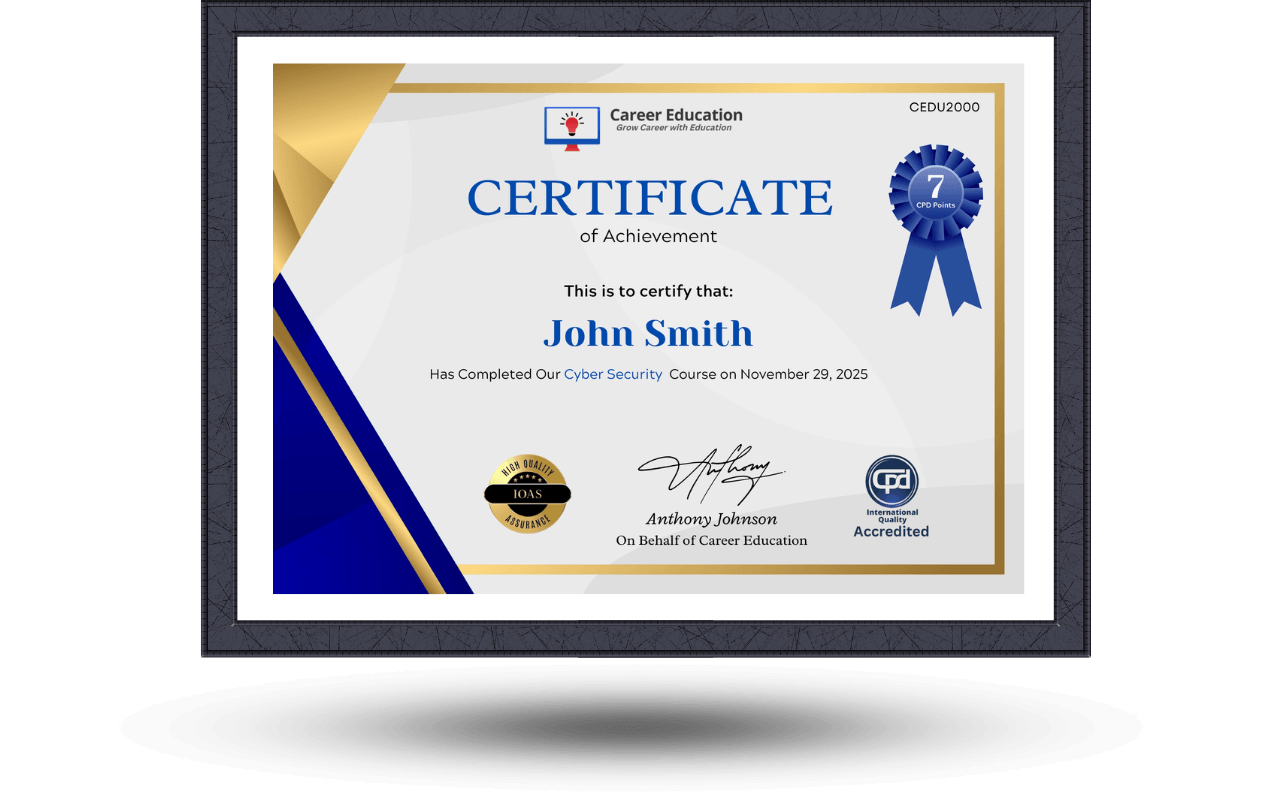
Upon completion of the course, an e-certificate will be downloadable from Khan Education signifying the completion of your course. But, the course is CPD Accredited and after you complete the assignment, you will be eligible to order a certificate accredited by CPD International Quality for £5.99 only. If you want a hardcopy certificate accredited by CPD IQ, you can get it for only £15.99.
Get your CertificateSimilar Courses