
94%
OFF
OFF
Postgraduate Certificate in Education (PGCE)
- Lifetime Access
- All Levels
- PDF Certificate
£296
£19
14-Day Money-Back Guarantee
Learn With Confidence





Postgraduate Certificate in Education (PGCE)
If you are looking to build a rewarding career in education, the Postgraduate Certificate in Education (PGCE) can help you develop the knowledge, practical understanding, and professional skills needed to approach teaching with confidence. Teaching involves much more than delivering lessons. Effective educators need to understand how students learn, plan purposeful learning experiences, manage classrooms, assess progress, support diverse needs, safeguard children and young people, and continuously reflect on their professional practice.
This Postgraduate Certificate in Education (PGCE) course is designed around key areas of teaching and education within the UK context. It provides a structured learning journey covering education systems, pedagogy, lesson planning, assessment, subject-specific teaching, inclusion, safeguarding, behaviour management, professional development, and practical teaching.
Whether you are exploring a future in teaching, developing your existing education knowledge, or seeking to understand the responsibilities of teachers in greater depth, this course can provide a valuable foundation for your professional development.
What Is a Postgraduate Certificate in Education (PGCE)?
A Postgraduate Certificate in Education (PGCE) is a postgraduate-level teaching qualification associated with teacher education in the UK. It traditionally combines academic study with practical teaching experience and is commonly pursued by graduates who want to develop a career in teaching.
Teaching requires a broad range of capabilities. Educators must be able to translate subject knowledge into accessible learning, respond to different learning needs, establish positive classroom environments, monitor student progress, and work professionally with colleagues, families, and other education professionals.
This course explores these areas through ten focused modules. You will examine both the theoretical and practical dimensions of teaching, helping you understand how educational principles can be applied to real classroom situations.
Why Study a Postgraduate Certificate in Education (PGCE)?
A career in education can be both challenging and highly rewarding. Teachers have an important role in supporting learners’ academic development, confidence, wellbeing, and future opportunities.
Studying a Postgraduate Certificate in Education (PGCE) can help you develop a stronger understanding of what effective teaching involves. Rather than focusing solely on delivering information, you will explore how to create learning environments where students can participate, progress, and receive appropriate support.
The course can help you develop knowledge in areas such as:
-
UK education structures and expectations
-
Learning theories and educational pedagogy
-
Lesson planning and classroom organisation
-
Assessment and constructive feedback
-
Subject-specific teaching approaches
-
Inclusive education and special educational needs
-
Safeguarding and child protection
-
Behaviour management and pastoral support
-
Reflective practice and professional development
-
Practical teaching and school placement considerations
These areas can contribute to a well-rounded understanding of teaching and the professional responsibilities associated with education.
What You Will Learn
Module 1: Introduction to the UK Education System
Begin by developing an understanding of the UK education system and the context in which teachers work. This module introduces key features of education in the UK and helps establish a foundation for understanding the roles, responsibilities, and expectations associated with teaching.
Understanding the wider education environment can help aspiring educators appreciate how schools operate and how teachers contribute to educational outcomes.
Module 2: Pedagogy and Learning Theories
Effective teaching begins with understanding how people learn. This module explores pedagogy and important learning theories that can inform classroom practice.
You will examine different perspectives on learning and consider how educational theories can influence teaching strategies. This knowledge can help you think critically about why particular approaches may work for different learners and situations.
The outcome is a stronger theoretical foundation for making informed decisions about teaching and learning.
Module 3: Lesson Planning and Classroom Management
Well-designed lessons give learners a clear structure and purpose. This module focuses on lesson planning and classroom management, two essential areas of effective teaching.
You will explore how lessons can be organised around learning objectives, activities, resources, and expected outcomes. You will also consider classroom management techniques that can help establish orderly, supportive, and productive learning environments.
By developing these skills, you can become better prepared to structure lessons and respond appropriately to common classroom challenges.
Module 4: Assessment and Feedback
Assessment allows educators to understand how learners are progressing and identify areas where additional support may be required.
This module explores assessment and feedback, helping you understand their role within the learning process. You will consider how teachers can gather information about student understanding and use feedback to support improvement.
Effective feedback should provide learners with useful information about their progress and help them identify opportunities for further development.
Module 5: Subject-Specific Pedagogy
Different subjects can require different approaches to teaching. This module examines subject-specific pedagogy and the importance of adapting teaching strategies to the content being taught.
You will explore how educators can make subject knowledge accessible and meaningful while considering learners’ existing knowledge and abilities.
This can help you develop a more flexible approach to teaching, allowing you to consider not only what students need to learn but also how particular concepts can best be communicated.
Module 6: Inclusive Education and SEN
Every classroom can include learners with different abilities, experiences, backgrounds, and support requirements. Inclusive education aims to ensure that learners have appropriate opportunities to participate and progress.
This module focuses on inclusion and Special Educational Needs (SEN). You will explore the importance of recognising individual needs and adapting educational approaches where appropriate.
The knowledge gained can help you understand how teachers can contribute to supportive learning environments where differences are recognised and learners receive appropriate assistance.
Module 7: Safeguarding and Child Protection
Safeguarding is a fundamental responsibility within education. Teachers and other education professionals need to understand their responsibilities for protecting children and young people from harm.
This module introduces safeguarding and child protection within the educational context. You will develop awareness of why safeguarding procedures matter and the importance of responding appropriately to concerns.
Understanding safeguarding responsibilities is an essential part of professional conduct within schools and other educational environments.
Module 8: Behaviour and Pastoral Care
Supporting students involves more than academic teaching. Behaviour and pastoral care can play an important role in creating positive educational experiences.
This module explores behaviour management and pastoral care, helping you understand how educators can support positive classroom environments and respond constructively to learner needs.
You will consider the broader responsibilities teachers may have when supporting students’ development, engagement, and wellbeing within the school environment.
Module 9: Professional Development and Reflective Practice
Great educators continue learning throughout their careers. Reflective practice allows teachers to examine their experiences, identify strengths and challenges, and consider how their practice can improve.
This module focuses on professional development and reflection. You will explore why continuous learning matters and how reflective approaches can contribute to professional growth.
Developing this mindset can help you become more adaptable and purposeful in your approach to teaching.
Module 10: School Placements and Practical Teaching
Teaching knowledge becomes particularly valuable when it can be connected to practical classroom experience. This final module focuses on school placements and practical teaching.
You will explore the role of practical experience in teacher development and consider how theoretical knowledge can be applied in school environments.
The module helps bring together the concepts covered throughout the course, giving you an opportunity to consider how pedagogy, planning, assessment, inclusion, safeguarding, behaviour management, and reflection connect within real teaching practice.
Develop Practical Teaching Skills
One of the major benefits of studying the Postgraduate Certificate in Education (PGCE) is the opportunity to develop a broad range of skills relevant to teaching.
You can build your understanding of how to:
-
Structure effective learning experiences
-
Develop purposeful lesson plans
-
Apply appropriate teaching and learning theories
-
Consider different learner needs
-
Create supportive classroom environments
-
Use assessment to monitor learning
-
Provide constructive feedback
-
Apply subject-specific teaching approaches
-
Understand safeguarding responsibilities
-
Support positive behaviour
-
Contribute to pastoral care
-
Reflect on professional practice
-
Identify opportunities for continuous development
These skills can support your progression toward greater confidence and professionalism in education-related environments.
Build Confidence in the Classroom
Classroom confidence develops through knowledge, preparation, experience, and reflection. The Postgraduate Certificate in Education (PGCE) curriculum addresses several areas that can help aspiring educators prepare for the realities of teaching.
Understanding classroom management can help you establish expectations. Knowledge of pedagogy can help you make more informed teaching decisions. Assessment skills can help you monitor learning, while knowledge of inclusion can help you consider the diverse needs of students.
Together, these areas create a more complete picture of what effective teaching involves.
Understand Inclusive Teaching
Modern classrooms can include learners with a wide variety of educational needs and experiences. An effective teacher needs to recognise that a single approach may not work equally well for every student.
Through the inclusion and SEN module, you can develop a greater awareness of individual learning requirements and the importance of adapting educational practice appropriately.
This understanding can help you approach teaching with greater consideration for accessibility, participation, and learner support.
Strengthen Your Professional Approach
Teaching is a professional responsibility that requires ongoing development. Educators need to keep their knowledge current, reflect on their experiences, and remain open to improving their practice.
The professional development and reflective practice module encourages this approach. Rather than viewing teacher development as something that ends after initial training, you can develop an appreciation for continuous learning as an important part of an education career.
Who Can Benefit From This Course?
The Postgraduate Certificate in Education (PGCE) course may be suitable for learners interested in developing knowledge and skills related to teaching and education.
It can be particularly relevant to:
-
Aspiring teachers
-
Graduates exploring education careers
-
Teaching assistants seeking broader educational knowledge
-
Education professionals interested in professional development
-
Individuals interested in pedagogy and learning
-
Professionals considering a transition into education
-
Those seeking a structured introduction to UK teaching practice
Learners should review the specific entry requirements, recognition, accreditation, and professional eligibility requirements of any institution or teaching role they intend to pursue, as these can vary.
Career-Relevant Knowledge
Completing a course focused on the Postgraduate Certificate in Education (PGCE) curriculum can help you develop knowledge relevant to a variety of education-focused responsibilities.
Depending on your existing qualifications, experience, and any additional requirements for your chosen role, your learning may support interests in areas such as:
-
Teaching
-
Education support
-
Classroom assistance
-
Learning and development
-
Educational administration
-
Pastoral support
-
Student support
-
Training and development
The course should be viewed as part of your wider professional development, alongside any formal qualifications, practical requirements, checks, registration, or teacher-training requirements applicable to your intended career pathway.
Why Choose This Course?
The course offers a comprehensive exploration of teaching rather than concentrating on one isolated area. Its ten modules take you from understanding the UK education system through to practical teaching and professional reflection.
You can develop knowledge across the full learning journey:
Understand → Plan → Teach → Assess → Support → Reflect → Improve
This outcome-focused structure can help you understand how different teaching responsibilities connect. Instead of treating lesson planning, assessment, inclusion, safeguarding, and behaviour management as separate concepts, you can see how they contribute collectively to effective educational practice.
Take the Next Step Towards Your Education Career
If you are passionate about learning and interested in helping others achieve their potential, developing your teaching knowledge can be an important step toward your professional goals.
The Postgraduate Certificate in Education (PGCE) course provides a structured opportunity to explore the theory, practice, and professional responsibilities associated with teaching. From pedagogy and lesson planning to safeguarding, inclusion, assessment, pastoral care, and practical teaching, the curriculum covers essential areas for anyone seeking a deeper understanding of education.
By completing the course, you can strengthen your educational knowledge, develop relevant professional skills, and build a foundation for continued development within the education sector.
Start your learning journey today and explore the knowledge and practical principles that can help you become a more informed, reflective, and effective education professional.
Course Modules
Course Content
Module 1_ Introduction to the UK Education System
-
Lesson 1_ Introduction to the UK Education System
Module 2_ Pedagogy and Learning Theories
Module 3_ Lesson Planning and Classroom Management
Module 4_ Assessment and Feedback
Module 5_ Subject-Specific Pedagogy
Module 6_ Inclusive Education and SEN
Module 7_ Safeguarding and Child Protection
Module 8_ Behaviour and Pastoral Care
Module 9_ Professional Development and Reflective Practice
Module 10_ School Placements and Practical Teaching
What our students say
Excellent
4.9 average
158 Reviews

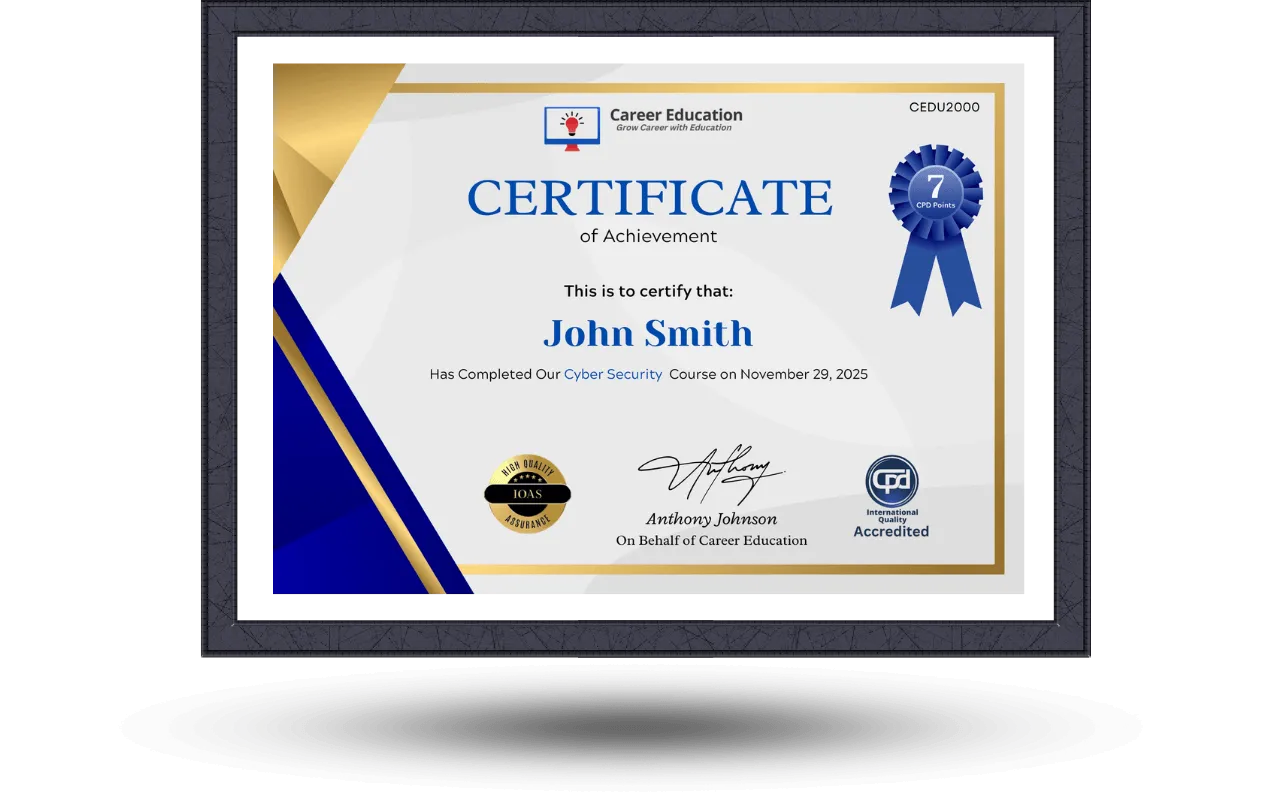
Earn an Accredited Certificate
Upon completion of any course, all students are entitled to a CPD IQ Accredited e-certificate that will be issued by Career Education signifying the completion of your course.
After you complete the course and assignment, you will be eligible to order a free certificate accredited by CPD International Quality by completing the form below.
Hardcopy certificates and transcripts are also available for a small additional fee. More information is disclosed upon course completion.
Similar Courses


Frequently Asked Questions
The lifetime membership includes unlimited access to all courses, resources, and updates for a one-time fee.
You can purchase the membership directly from our website using a secure checkout process.
Yes, selected courses can be downloaded for offline access through our mobile app.
Yes, all future updates and new courses are included at no extra cost.
Yes, we offer a 30-day money-back guarantee if you are not satisfied with the membership.