
94%
OFF
OFF
Laboratory Hood Safety and Best Practices
- Lifetime Access
- All Levels
- PDF Certificate
£296
£19
14-Day Money-Back Guarantee
Learn With Confidence








Laboratory Hood Safety and Best Practices
Laboratory environments are designed to support important scientific, medical, educational, and industrial work, but they can also involve chemicals, fumes, vapours, aerosols, and other potentially hazardous substances. Laboratory hoods are among the most important engineering controls used to help protect personnel and maintain safer working conditions. However, simply having a laboratory hood is not enough. Effective protection depends on understanding how laboratory hoods are designed, how airflow works, how to select and maintain appropriate equipment, and how to operate hoods correctly.
The Laboratory Hood Safety and Best Practices course provides a structured introduction to the principles and practices that support effective laboratory hood use. It is designed to help learners understand the role of laboratory hoods in hazard control and develop practical knowledge for safer laboratory operations.
Whether you are involved in laboratory work, facilities management, health and safety, scientific operations, education, or workplace compliance, this course can help you build a stronger understanding of laboratory hood safety and responsible working practices.
Why Study Laboratory Hood Safety and Best Practices?
Laboratory hood performance can be influenced by equipment design, airflow, installation, maintenance, laboratory layout, user behaviour, and the types of hazards being handled. Incorrect use can reduce containment effectiveness and potentially increase exposure risks.
The Laboratory Hood Safety and Best Practices course focuses on these factors so learners can develop a more informed approach to laboratory safety.
By completing the course, you can strengthen your understanding of:
-
The purpose and functions of laboratory hoods
-
Key design and construction principles
-
Airflow dynamics and their impact on containment
-
Factors involved in selecting and sizing laboratory hoods
-
Installation and maintenance considerations
-
Safe laboratory hood operating practices
-
Containment and exposure-control principles
-
The importance of appropriate engineering controls in laboratory environments
Rather than focusing solely on theory, the course connects core concepts with practical safety considerations, helping learners understand why correct hood selection, operation, inspection, and maintenance matter.
What You Will Learn
The Laboratory Hood Safety and Best Practices curriculum is organised into seven focused modules. Each module addresses an important part of laboratory hood safety and contributes to a broader understanding of effective hazard control.
Module 1: Introduction to Laboratory Hoods
The course begins by establishing a foundation in laboratory hood safety. Learners will explore what laboratory hoods are, why they are used, and how they contribute to safer laboratory environments.
This module introduces the fundamental role of laboratory hoods as engineering controls. You will develop an understanding of how hoods can help manage airborne hazards and why their correct use should form part of a wider laboratory safety strategy.
You will also gain a clearer perspective on the responsibilities associated with laboratory hood use and the importance of following established workplace procedures.
Outcome: Build a solid foundation in the purpose, role, and safe use of laboratory hoods.
Module 2: Design and Construction of Laboratory Hoods
Effective laboratory hood performance begins with appropriate design and construction. This module explores the major principles that influence hood functionality and safety.
Learners will examine how design features can affect containment, airflow, accessibility, and overall performance. Understanding these concepts can help you recognise why different laboratory environments may require different hood configurations.
The module also helps learners appreciate the importance of considering laboratory requirements when evaluating hood design rather than treating all laboratory hoods as identical.
Outcome: Understand key design and construction considerations that influence laboratory hood performance.
Module 3: Airflow Dynamics in Laboratory Hoods
Airflow is central to the effectiveness of many laboratory hood systems. This module introduces learners to the principles of airflow dynamics and explains why airflow behaviour matters for containment.
You will explore how airflow can influence the movement and control of airborne contaminants and why changes in the surrounding laboratory environment can affect hood performance.
The module is particularly valuable for learners who want to understand the relationship between hood operation and engineering controls without relying solely on rules or procedures.
Outcome: Develop a stronger understanding of airflow principles and their relationship to containment and laboratory safety.
Module 4: Selection and Sizing of Laboratory Hoods
Choosing an appropriate laboratory hood requires careful consideration of the intended application, laboratory environment, equipment, and potential hazards. This module explores the principles behind hood selection and sizing.
Learners will gain insight into the factors that should be considered when determining whether a particular hood is suitable for a laboratory application. The module encourages a structured approach to equipment selection and helps learners understand why inappropriate selection can compromise safety and efficiency.
You will also develop greater awareness of the importance of matching laboratory hood capabilities with operational requirements and relevant organisational procedures.
Outcome: Understand the key considerations involved in selecting and sizing laboratory hoods for appropriate applications.
Module 5: Installation and Maintenance of Laboratory Hoods
A properly designed hood can only perform effectively when it is correctly installed and maintained. This module focuses on the importance of installation, inspection, maintenance, and ongoing performance management.
Learners will explore why installation conditions matter and how maintenance contributes to reliable operation. You will also develop an appreciation of the importance of regular checks and professional assessment where required.
By understanding maintenance principles, learners can become more aware of potential performance issues and the importance of reporting concerns rather than assuming that a hood will remain effective indefinitely.
Outcome: Recognise the importance of correct installation, routine maintenance, inspection, and performance monitoring.
Module 6: Safe Operation Practices
Correct user behaviour is an essential component of laboratory hood safety. Even a well-designed and maintained hood may not provide its intended level of protection if it is used incorrectly.
This module focuses on safe operating principles and encourages learners to understand the behaviours that support effective hood performance.
You will explore the importance of following established procedures, maintaining appropriate working practices, recognising potential sources of disruption to airflow, and using laboratory hoods as intended.
The module also reinforces the importance of workplace training, signage, risk assessments, and organisational safety procedures.
Outcome: Develop safer and more responsible laboratory hood operating habits.
Module 7: Containment and Exposure Control
The final module brings together the key concepts covered throughout the course by focusing on containment and exposure control.
Learners will explore how laboratory hoods can form part of a broader hierarchy of controls and how engineering controls can contribute to reducing occupational exposure risks.
You will develop a clearer understanding of why containment should be considered alongside risk assessment, appropriate procedures, personal protective equipment, training, and other workplace controls.
This module helps learners connect laboratory hood safety with the wider goal of protecting people and maintaining a safer working environment.
Outcome: Understand how laboratory hood systems contribute to containment strategies and exposure-control objectives.
Practical Knowledge for Safer Laboratory Environments
The Laboratory Hood Safety and Best Practices course is designed to help learners move beyond simply recognising laboratory safety terminology. It develops an understanding of the principles behind laboratory hood performance and explains how equipment, environment, maintenance, and user behaviour can work together to support safer operations.
This knowledge can be valuable when participating in laboratory activities, reviewing workplace procedures, supporting safety initiatives, or communicating with colleagues about laboratory hood requirements.
The course can also help learners identify why routine attention to laboratory hood performance matters. Small issues involving equipment condition, operating practices, airflow, or maintenance can become important safety concerns if they are overlooked.
Who Can Benefit From This Course?
The Laboratory Hood Safety and Best Practices course can be useful for a broad range of learners, including:
-
Laboratory personnel
-
Laboratory technicians and assistants
-
Science and laboratory students
-
Health and safety personnel
-
Laboratory supervisors and managers
-
Facilities and maintenance teams
-
Quality and compliance professionals
-
Educational laboratory staff
-
Scientific and technical professionals
-
Anyone seeking foundational knowledge of laboratory hood safety
It can also serve as a valuable learning resource for organisations seeking to strengthen awareness of engineering controls and safer laboratory practices.
Build Confidence in Laboratory Hood Safety
Understanding laboratory hood safety can make it easier to recognise the connection between equipment performance and workplace safety. Instead of viewing a hood simply as a piece of laboratory furniture or equipment, learners can develop a broader understanding of its role within a laboratory’s overall safety system.
The course provides an opportunity to explore the complete lifecycle of laboratory hood safety—from introduction and design through airflow, selection, installation, maintenance, operation, and exposure control.
This outcome-focused approach can help you:
-
Recognise the purpose of laboratory hood systems
-
Understand the factors that influence hood performance
-
Appreciate the importance of airflow and containment
-
Make more informed decisions about hood selection considerations
-
Recognise why installation and maintenance are essential
-
Promote safer operating practices
-
Understand the relationship between engineering controls and exposure prevention
-
Apply course knowledge to support safer laboratory procedures
Support a Stronger Safety Culture
Laboratory safety is not the responsibility of one person or one department. It depends on informed decisions, effective procedures, suitable equipment, regular maintenance, and consistent safety awareness.
The Laboratory Hood Safety and Best Practices course supports this approach by helping learners understand the principles behind effective laboratory hood use. Developing this knowledge can contribute to better communication, improved safety awareness, and more informed participation in laboratory risk-management activities.
For organisations, having personnel who understand laboratory hood fundamentals can also support conversations surrounding equipment requirements, maintenance, operational procedures, and workplace safety.
Advance Your Professional Knowledge
As laboratories become increasingly sophisticated, professionals need to understand not only their specific responsibilities but also the safety systems that support laboratory operations.
The Laboratory Hood Safety and Best Practices course provides a focused learning opportunity for anyone who wants to expand their knowledge of laboratory engineering controls and safer working environments.
From understanding airflow dynamics to recognising the importance of containment and exposure control, each module contributes to a practical foundation that can support continued professional development.
Enrol in Laboratory Hood Safety and Best Practices Today
Effective laboratory safety begins with knowledge. Understanding how laboratory hoods are designed, selected, installed, maintained, and operated can help individuals make safer decisions and contribute more effectively to laboratory risk-control practices.
The Laboratory Hood Safety and Best Practices course brings together essential concepts across seven structured modules, giving learners a comprehensive introduction to laboratory hood systems and their role in maintaining safer laboratory environments.
By completing this course, you can develop greater awareness of laboratory hood functionality, airflow, containment, maintenance, safe operation, and exposure-control principles.
If you are looking to strengthen your laboratory safety knowledge, improve your understanding of engineering controls, or support safer working practices in a laboratory environment, the Laboratory Hood Safety and Best Practices course offers a focused and practical learning experience.
Start learning today and build the knowledge you need to understand laboratory hood safety, support effective containment, and contribute to safer laboratory practices.
Course Modules
Course Content
Module 1_ Introduction to Laboratory Hoods
-
Lesson 1_ Introduction to Laboratory Hoods
Module 2_ Design and Construction of Laboratory Hoods
Module 3_ Airflow Dynamics in Laboratory Hoods
Module 4_ Selection and Sizing of Laboratory Hoods
Module 5_ Installation and Maintenance of Laboratory Hoods
Module 6_ Safe Operation Practices
Module 7_ Containment and Exposure Control
What our students say
Excellent
4.9 average
158 Reviews

Earn an Accredited Certificate
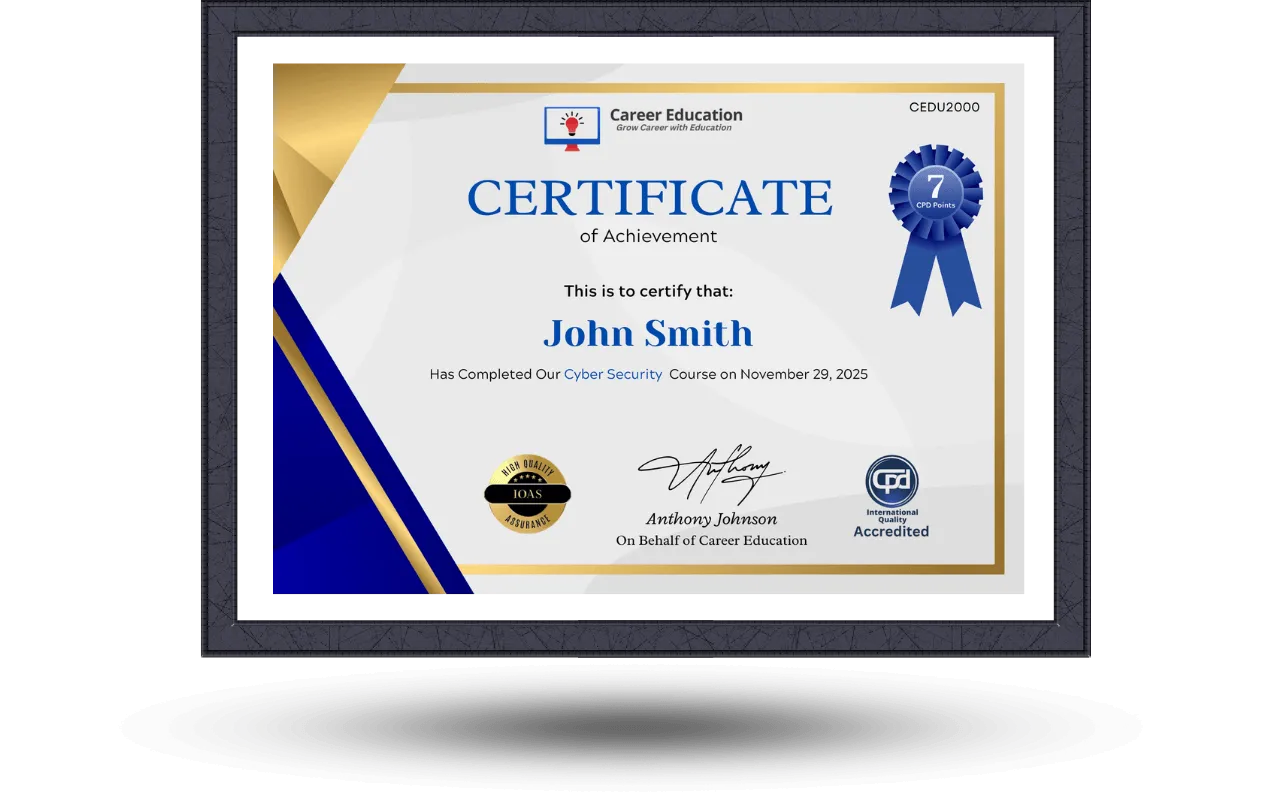
Upon completion of any course, all students are entitled to a CPD IQ Accredited e-certificate that will be issued by Career Education signifying the completion of your course.
After you complete the course and assignment, you will be eligible to order a free certificate accredited by CPD International Quality by completing the form below.
Hardcopy certificates and transcripts are also available for a small additional fee. More information is disclosed upon course completion.
Similar Courses



Frequently Asked Questions
The lifetime membership includes unlimited access to all courses, resources, and updates for a one-time fee.
You can purchase the membership directly from our website using a secure checkout process.
Yes, selected courses can be downloaded for offline access through our mobile app.
Yes, all future updates and new courses are included at no extra cost.
Yes, we offer a 30-day money-back guarantee if you are not satisfied with the membership.