
OFF
Building Strong Interpersonal Skills
- Lifetime Access
- All Levels
- PDF Certificate
Learn With Confidence








Overview
# Building Strong Interpersonal Skills
## Communicate with Confidence, Build Better Relationships and Work More Effectively with Others
Strong interpersonal skills can make a significant difference in professional success, workplace relationships and everyday communication. The ability to communicate clearly, understand other people’s perspectives, build trust, manage disagreements and collaborate effectively can help you become a more confident and capable professional.
**Building Strong Interpersonal Skills** is designed to help you develop the practical people skills needed to communicate more effectively and build positive relationships in a wide range of situations. Whether you are working with colleagues, managing a team, interacting with customers, building professional connections or preparing for career progression, stronger interpersonal skills can help you handle interactions with greater confidence and awareness.
This course takes an outcome-focused approach to interpersonal development. Rather than focusing only on theory, it explores practical principles and techniques that can be applied to real conversations, workplace situations and professional relationships.
Through seven structured modules, you will explore communication, emotional intelligence, rapport and trust, conflict resolution, teamwork, collaboration and networking. By the end of the course, you will have a stronger understanding of how your communication and behaviour influence the people around you and how you can use interpersonal skills to create more productive interactions.
## Why Building Strong Interpersonal Skills Matters
Professional knowledge and technical abilities are important, but they are often not enough on their own. Success frequently depends on how effectively you communicate and interact with others.
Strong interpersonal skills can help you express ideas clearly, listen to different viewpoints, understand emotions, handle challenging conversations and work towards shared objectives. They can also help you create positive professional relationships that support teamwork and career development.
Poor interpersonal communication, on the other hand, can contribute to misunderstandings, unnecessary conflict, damaged relationships and ineffective collaboration.
**Building Strong Interpersonal Skills** gives you an opportunity to strengthen the people-focused abilities that support effective communication and professional relationships. You will learn how to approach interactions more intentionally and develop habits that can improve the way you work with others.
## What You Will Learn
The course contains seven focused modules designed to develop your interpersonal skills progressively, from the foundations of effective interaction to professional networking.
### Module 1 – Introduction to Interpersonal Skills
The course begins with an introduction to the fundamental principles of interpersonal skills.
In **Introduction to Interpersonal Skills**, you will explore what interpersonal skills are and why they matter in professional and personal interactions. You will examine how communication, behaviour, emotional awareness and relationship-building contribute to effective interaction.
You will also consider how your interpersonal strengths and weaknesses can influence the way others perceive and respond to you.
Developing strong interpersonal skills begins with self-awareness. By understanding how you communicate, react and behave in different situations, you can identify opportunities for improvement.
This module provides the foundation for the rest of the course and helps you recognise the role interpersonal skills play in teamwork, leadership, conflict management and professional relationships.
By the end of the module, you will have a clearer understanding of the skills required to interact with others more effectively.
### Module 2 – Effective Communication
Communication is at the centre of almost every professional relationship.
**Effective Communication** focuses on the skills required to express information clearly while understanding what others are trying to communicate. You will explore verbal and non-verbal communication and consider how tone, body language, listening and clarity can influence interactions.
You will learn the importance of adapting your communication approach to different people and situations. Not every individual responds to the same communication style, so flexibility can be an important part of becoming an effective communicator.
You will also explore the value of active listening. Effective communication is not simply about speaking; it involves giving others appropriate attention, asking useful questions and checking understanding.
By developing these skills, you can become more confident when expressing ideas, participating in conversations and responding to other people’s perspectives.
The outcome is a more balanced communication approach that supports clarity, understanding and stronger professional relationships.
### Module 3 – Emotional Intelligence
Understanding yourself and others is an important part of strong interpersonal relationships.
**Emotional Intelligence** explores the ability to recognise, understand and manage emotions in yourself and respond appropriately to the emotions of others. You will examine how emotional awareness can influence communication, decision making, relationships and workplace behaviour.
You will develop greater awareness of how your emotions can affect the way you respond to challenging situations. This can help you avoid reacting impulsively and instead choose responses that are more constructive.
You will also consider the importance of empathy and perspective-taking. Understanding how another person may be feeling or thinking can help you communicate with greater sensitivity and respond more effectively.
Emotional intelligence can be particularly valuable when dealing with pressure, disagreements, feedback and workplace changes.
By completing this module, you will gain practical insight into how emotional awareness can strengthen your interpersonal effectiveness.
### Module 4 – Building Rapport and Trust
Strong relationships are built on trust.
In **Building Rapport and Trust**, you will explore how to create positive connections with colleagues, customers, managers and other professional contacts. You will examine the behaviours and communication habits that can help establish credibility and mutual respect.
Rapport is about creating a sense of connection and understanding. This does not mean pretending to agree with everyone. Instead, it involves demonstrating genuine interest, listening attentively and communicating respectfully.
You will explore how consistency, reliability and authenticity can contribute to stronger professional relationships. You will also consider how small communication behaviours can influence whether people feel comfortable working with you.
By developing your ability to build rapport, you can become better prepared to establish positive relationships across different professional situations.
The result is greater confidence when meeting new people, working with colleagues and developing long-term professional connections.
### Module 5 – Conflict Resolution
Disagreements are a normal part of working and interacting with other people. The goal is not necessarily to eliminate conflict but to learn how to handle it constructively.
**Conflict Resolution** explores practical approaches to managing disagreements and challenging interpersonal situations. You will examine common causes of conflict and consider how poor communication, misunderstandings, differing expectations and competing priorities can contribute to tension.
You will learn the importance of remaining calm, listening to different perspectives and focusing on the issue rather than making personal judgements.
Effective conflict resolution requires communication, empathy and problem-solving. You will explore how these skills can help you move conversations towards constructive outcomes.
By completing this module, you will be better equipped to approach difficult conversations with greater confidence and professionalism.
You can apply these principles when managing workplace disagreements, addressing misunderstandings or supporting productive discussions between colleagues.
### Module 6 – Teamwork and Collaboration
Successful organisations depend on people working effectively together.
**Teamwork and Collaboration** focuses on the interpersonal skills required to contribute positively to teams. You will explore the importance of communication, trust, respect, accountability and shared objectives in creating productive working relationships.
You will consider how individuals can contribute to a positive team environment by sharing information, listening to colleagues, offering support and taking responsibility for their work.
You will also explore how different perspectives can strengthen problem solving and decision making when team members communicate constructively.
Effective collaboration requires people to balance individual responsibilities with collective goals. By developing stronger interpersonal skills, you can become better prepared to participate in teams, contribute ideas and support colleagues.
This module will help you understand how your own communication and behaviour can influence overall team effectiveness.
### Module 7 – Networking Skills
Professional relationships can create opportunities for learning, collaboration and career development.
**Networking Skills** explores how to build and maintain professional connections in an authentic and purposeful way. You will examine how effective communication and interpersonal skills can help you feel more confident when meeting new people.
You will explore approaches to starting conversations, introducing yourself, showing genuine interest and maintaining professional relationships.
Networking is not simply about collecting contacts. Effective networking involves building mutually beneficial relationships over time. This requires communication, reliability, follow-up and a genuine interest in other people’s experiences and perspectives.
The skills developed throughout the earlier modules—communication, emotional intelligence, rapport-building and confidence—can all support more effective networking.
By completing this module, you will be better prepared to build professional connections both online and in person.
## Practical Outcomes of the Course
The goal of **Building Strong Interpersonal Skills** is to help you develop practical abilities that can be used immediately in professional and everyday situations.
After completing the course, you will be better prepared to:
* Understand the importance of interpersonal skills in professional and personal interactions.
* Communicate ideas and information more clearly.
* Improve your listening and conversational skills.
* Recognise the influence of verbal and non-verbal communication.
* Adapt your communication approach to different people and situations.
* Develop greater awareness of your own emotions and reactions.
* Demonstrate empathy and understand different perspectives.
* Build stronger rapport with colleagues and professional contacts.
* Establish trust through consistent and respectful behaviour.
* Handle disagreements more constructively.
* Approach difficult conversations with greater confidence.
* Contribute more effectively to team discussions and projects.
* Encourage positive collaboration with colleagues.
* Build and maintain meaningful professional relationships.
* Develop greater confidence when networking.
* Create stronger connections that can support professional development.
* Reduce misunderstandings through clearer communication.
* Become a more adaptable and relationship-focused professional.
## Who Is This Course For?
**Building Strong Interpersonal Skills** is suitable for anyone who wants to improve their communication and relationship-building abilities.
It can be particularly valuable for:
* Professionals looking to improve workplace communication.
* Managers and team leaders.
* Supervisors and coordinators.
* Customer service professionals.
* Sales and business development professionals.
* Human resources professionals.
* Teachers, trainers and educators.
* Entrepreneurs and business owners.
* Job seekers preparing for interviews and professional environments.
* Students and graduates entering the workplace.
* Professionals who want to expand their networks.
* Anyone interested in improving their people skills.
No matter your current role or experience level, interpersonal skills can support your ability to work effectively with others.
## Become a More Confident Communicator
Confidence in communication does not necessarily mean speaking the most or always having the perfect response. Genuine communication confidence comes from understanding how to express yourself clearly while remaining open to other perspectives.
Throughout **Building Strong Interpersonal Skills**, you will explore how communication, emotional intelligence and relationship-building work together. You will learn that effective communication involves both expressing your own ideas and creating space for others to contribute.
This balanced approach can help you become a more approachable, respectful and effective communicator.
## Build Better Professional Relationships
Professional success often depends on relationships. Colleagues need to trust one another, teams need to collaborate and customers need to feel understood.
The principles covered in **Building Strong Interpersonal Skills** can help you develop relationships based on respect, communication and reliability. You will learn how small improvements in everyday interactions can contribute to stronger professional connections over time.
Building rapport, listening carefully and showing genuine interest can help establish relationships that are more productive and positive.
## Handle Conflict with Greater Confidence
Conflict can be uncomfortable, but avoiding difficult conversations does not always make problems disappear.
By developing stronger interpersonal skills, you can become better prepared to address disagreements in a calm and constructive way. The course helps you understand the importance of listening, empathy and clear communication when working through differences.
These skills can help you focus on finding practical solutions rather than allowing disagreements to damage professional relationships.
## Work Better as Part of a Team
Strong teamwork requires more than technical competence. Team members need to communicate, cooperate, share information and respect different perspectives.
**Building Strong Interpersonal Skills** helps you understand how your own behaviour can contribute to a healthier team environment. You will explore ways to communicate constructively, support colleagues and contribute to shared objectives.
These capabilities can help you become a more reliable and collaborative team member while also preparing you for future leadership responsibilities.
## Expand Your Professional Network
Networking can open doors to new ideas, relationships and professional opportunities. However, effective networking is based on genuine connection rather than simply exchanging contact information.
You will learn how interpersonal skills can support networking by helping you communicate naturally, establish rapport and maintain professional relationships.
Whether you are attending an industry event, meeting a new colleague, participating in a professional community or connecting online, stronger interpersonal skills can help you approach these situations with greater confidence.
## Develop Skills That Support Long-Term Success
Interpersonal skills are transferable. They can be applied across industries, roles and career stages.
The ability to communicate effectively, understand emotions, build trust, resolve conflict, collaborate and network can remain valuable as your responsibilities grow.
**Building Strong Interpersonal Skills** provides a structured learning experience that can help you strengthen these abilities and become more intentional about how you interact with others.
## Take the Next Step Towards Stronger Interpersonal Skills
Your ability to work with people can influence your professional relationships, teamwork, leadership potential and career development. By strengthening your interpersonal skills, you can become better equipped to communicate clearly, handle challenging situations and build meaningful connections.
**Building Strong Interpersonal Skills** takes you through the essential areas of interpersonal effectiveness—from communication and emotional intelligence to rapport, trust, conflict resolution, teamwork and networking.
If you want to become a more confident communicator, a more collaborative team member and a more effective relationship builder, this course provides a practical foundation for continued development.
**Start Building Strong Interpersonal Skills today and take a meaningful step towards better communication, stronger relationships and greater professional confidence.**
Course Modules
Course Content
Module 1_ Introduction to Interpersonal Skills
-
Lesson 1_ Introduction to Interpersonal Skills
Module 2_ Effective Communication
Module 3_ Emotional Intelligence
Module 4_ Building Rapport and Trust
Module 5_ Conflict Resolution
Module 6_ Teamwork and Collaboration
Module 7_ Networking Skills
What our students say

Earn an Accredited Certificate
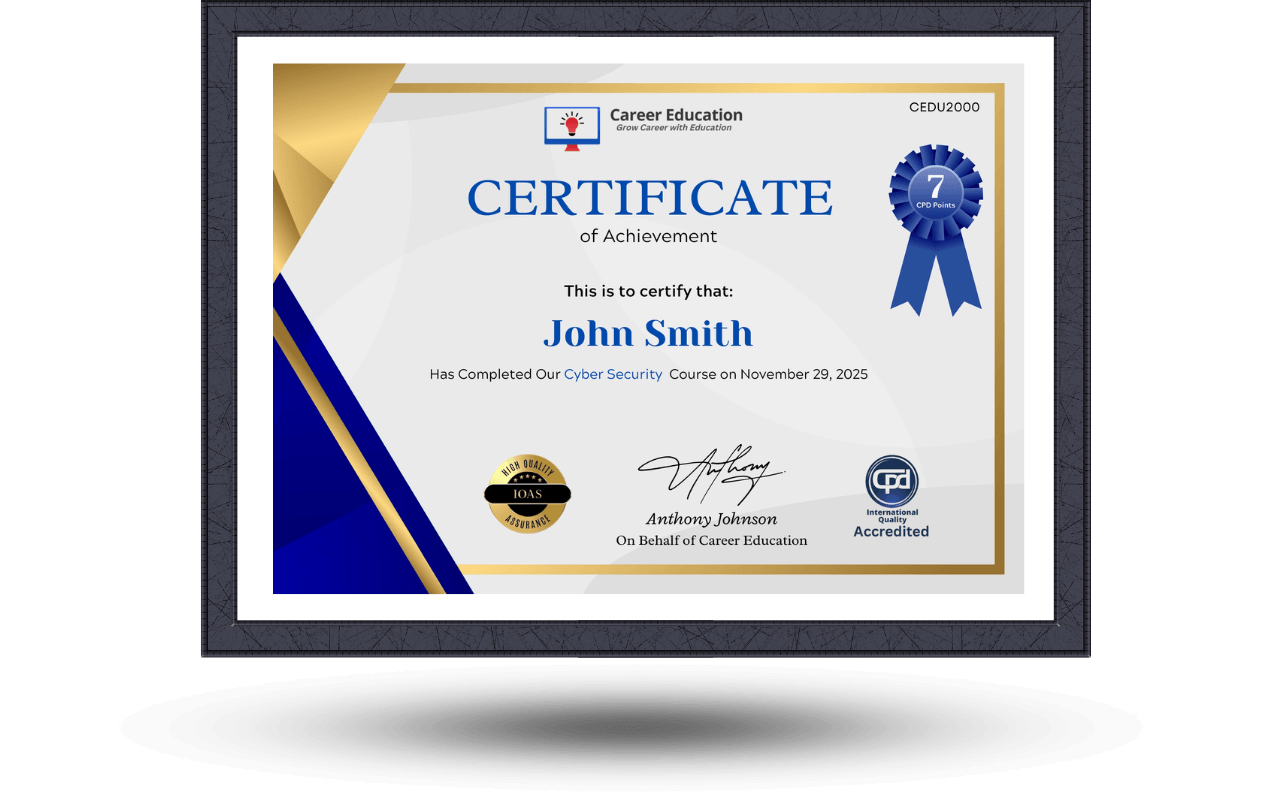
Upon completion of the course, an e-certificate will be downloadable from Khan Education signifying the completion of your course. But, the course is CPD Accredited and after you complete the assignment, you will be eligible to order a certificate accredited by CPD International Quality for £5.99 only. If you want a hardcopy certificate accredited by CPD IQ, you can get it for only £15.99.
Get your CertificateSimilar Courses


