
94%
OFF
OFF
Kanban Workflow Management Techniques
- Lifetime Access
- All Levels
- PDF Certificate
£296
£19
14-Day Money-Back Guarantee
Learn With Confidence






Kanban Workflow Management Techniques
In fast-moving workplaces, teams need more than a list of tasks to stay productive. They need a clear way to understand what work is being done, where progress is slowing down, and how to deliver valuable outcomes efficiently. Kanban Workflow Management Techniques provides a practical introduction to managing work through visualisation, workflow optimisation, pull systems, continuous improvement, and Lean principles.
This course is designed to help learners understand how Kanban can transform the way individuals and teams organise, prioritise, monitor, and improve their work. Whether you are working in project management, software development, operations, business administration, manufacturing, customer service, or another professional environment, the techniques covered can help create a more structured and responsive workflow.
Why Learn Kanban Workflow Management Techniques?
Many teams struggle with overloaded workloads, unclear priorities, bottlenecks, inconsistent processes, and tasks that remain unfinished for too long. Simply assigning more work does not solve these challenges. Effective workflow management requires visibility, discipline, collaboration, and a system that encourages teams to improve continuously.
Kanban Workflow Management Techniques offers a flexible approach to addressing these challenges. Instead of relying on complicated processes, Kanban focuses on making work visible, controlling work in progress, improving flow, and delivering work according to demand.
By learning these techniques, you can develop a better understanding of how work moves through a system and identify practical opportunities for improvement.
What Will You Learn?
Throughout Kanban Workflow Management Techniques, you will explore the core principles behind Kanban and learn how to apply them to real-world workflows. The course covers everything from establishing a Kanban system and creating visual boards to managing flow, implementing pull systems, and applying Lean Kanban methodology.
By the end of the course, you should have a stronger understanding of how to:
-
Explain the fundamental principles and practices of Kanban.
-
Establish a Kanban system around an existing workflow.
-
Visualise tasks and processes using Kanban boards.
-
Identify bottlenecks and workflow constraints.
-
Improve the movement of work through different process stages.
-
Manage work in progress more effectively.
-
Understand and apply pull-based working principles.
-
Adapt Kanban practices to different organisational environments.
-
Apply Lean thinking to workflow management.
-
Support continuous improvement within a team or organisation.
Module 1: Introduction to Kanban Principles and Practices
The course begins with the foundations of Kanban. You will explore what Kanban is, why organisations use it, and how its principles can support better workflow management.
This module introduces important Kanban concepts such as visualising work, limiting work in progress, managing flow, establishing explicit policies, implementing feedback loops, and continuously improving processes.
Understanding these principles is essential because Kanban is not simply a board containing tasks. It is a management approach designed to help teams understand how work moves through a system and how that system can be improved.
You will gain the foundation needed to recognise where Kanban can add value and how its practices can support greater transparency, collaboration, and efficiency.
Module 2: Setting Up a Kanban System
A successful Kanban implementation begins with an appropriate system. This module focuses on how to establish a Kanban system that reflects the way work is actually performed.
You will explore how to identify workflow stages, define work items, establish appropriate policies, and create a system that provides useful visibility. Rather than forcing every team into the same structure, Kanban encourages organisations to begin with their existing workflow and improve it progressively.
This approach can make implementation more practical because teams can identify their current challenges before introducing changes.
By completing this module, you will understand the key considerations involved in setting up a Kanban system and creating a workflow that supports clearer task management.
Module 3: Visualizing Workflow with Kanban Boards
One of the most recognisable elements of Kanban is the Kanban board. However, an effective board does much more than display a collection of tasks.
This module explores how workflow visualisation can help teams understand what work is waiting, what is currently being processed, and what has been completed. You will learn how boards can provide a shared view of work and make potential issues easier to identify.
Effective visualisation can improve communication because team members can quickly understand the current state of work without relying entirely on meetings or lengthy status updates.
You will also explore how different workflow stages can be represented and how visual information can support better prioritisation and coordination.
The outcome is a stronger ability to use Kanban boards as practical workflow management tools rather than simply task lists.
Module 4: Managing Flow in Kanban
A key objective of Kanban is to create a smooth and predictable flow of work. When tasks become stuck at a particular stage, overall productivity can suffer. Managing flow therefore requires teams to recognise constraints and respond to them effectively.
This module examines how work progresses through a Kanban system and how teams can identify delays, bottlenecks, queues, and other workflow problems.
You will learn why starting more work does not necessarily mean completing more work and why controlling work in progress can help improve delivery. The module also develops your understanding of how teams can monitor workflow and use observations to guide improvement.
By applying these concepts, learners can become better equipped to identify where work is slowing down and consider practical ways to improve throughput and predictability.
Module 5: Implementing Pull Systems with Kanban
The pull system is another important aspect of Kanban. Instead of continuously pushing new tasks into a workflow regardless of capacity, a pull-based approach encourages work to enter the next stage when there is appropriate capacity.
This module introduces the concept of pull systems and explains how they can help teams manage workload more effectively.
You will explore how limiting work in progress can reduce unnecessary multitasking and help teams concentrate on completing existing work. A well-designed pull system can also support better coordination between different stages of a workflow.
The knowledge gained in this module can help you understand how to create a healthier balance between incoming demand and available capacity.
Module 6: Kanban in Different Types of Organizations
Kanban is not restricted to one industry or type of organisation. Its principles can be adapted to many environments where work moves through identifiable stages.
This module examines the application of Kanban across different organisational contexts. You will consider how the approach can support teams working in areas such as technology, business operations, service delivery, administration, project environments, and other professional settings.
You will also learn why Kanban systems should be adapted to the specific characteristics of a team’s work rather than copied without consideration.
This broader perspective helps learners understand how the same core principles can be applied differently depending on organisational objectives, workflow characteristics, team structures, and customer requirements.
Module 7: Lean Kanban Methodology
The final module connects Kanban with Lean thinking and continuous improvement. Lean Kanban combines workflow management with a focus on creating value, reducing unnecessary activities, improving efficiency, and continuously learning from the process.
You will explore how Lean principles can strengthen a Kanban system and encourage teams to look beyond simply completing tasks. The objective is to understand how workflow improvements can contribute to better value delivery and more effective use of resources.
This module provides an opportunity to bring together the knowledge developed throughout the course and understand how Kanban can become part of an ongoing improvement culture.
Practical Outcomes of Kanban Workflow Management Techniques
Completing Kanban Workflow Management Techniques can provide valuable knowledge for anyone interested in improving workplace processes and managing work more effectively.
You can develop practical skills in:
Better Workflow Visibility
By learning how to visualise work, you can create greater transparency around task status, priorities, and workflow stages. This can make it easier for teams to understand what needs attention.
Improved Workload Management
Kanban encourages teams to consider capacity before taking on additional work. Understanding work-in-progress limits and pull systems can help support more balanced workloads.
Stronger Bottleneck Identification
When workflow is visible, delays and constraints become easier to recognise. You will learn techniques that can help teams investigate where work is becoming blocked or delayed.
More Effective Prioritisation
Kanban can provide a clearer framework for understanding which work is currently active, which tasks are waiting, and which items have been completed. This supports more informed workflow decisions.
Continuous Improvement
Rather than treating processes as fixed, Kanban encourages teams to regularly examine how work is progressing and identify opportunities for improvement. This can contribute to a culture of learning and ongoing optimisation.
Greater Team Collaboration
A shared visual system can give team members a common understanding of workflow. This can support communication and make discussions about workload and priorities more focused.
Who Can Benefit from This Course?
Kanban Workflow Management Techniques can be useful for learners and professionals who want to understand modern approaches to workflow management.
It may be particularly valuable for:
-
Project managers and project team members.
-
Team leaders and supervisors.
-
Business and operations professionals.
-
Software and technology teams.
-
Service delivery teams.
-
Process improvement professionals.
-
Administrators managing multiple workflows.
-
Entrepreneurs and business owners.
-
Professionals interested in Lean and Agile practices.
-
Anyone looking to improve their understanding of workflow management.
No matter what industry you work in, the underlying principles of visualising work, managing capacity, improving flow, and reducing workflow constraints can be relevant wherever tasks move through a process.
Build a More Structured Approach to Work
Modern organisations need to respond to changing priorities while continuing to deliver valuable results. When workflows become unclear or overloaded, teams can lose time and struggle to identify the causes of delays.
Kanban Workflow Management Techniques provides a structured way to understand these challenges. Through visualisation, flow management, pull systems, and continuous improvement, Kanban can help teams develop a clearer picture of how work is performed and where improvements may be possible.
Rather than focusing solely on completing individual tasks, the course encourages learners to think about the entire workflow. This systems-oriented perspective can help professionals identify opportunities to improve how work moves from request to completion.
Develop Valuable Workflow Management Knowledge
Learning Kanban Workflow Management Techniques can strengthen your understanding of one of the most practical approaches to managing and improving workflows. You will gain insight into how Kanban systems are designed, how work can be visualised, how flow can be managed, and how Lean principles can support continuous improvement.
The course is also an opportunity to develop transferable knowledge that can be applied beyond a single role or department. Whether you are responsible for projects, operations, services, technology, administration, or business processes, understanding workflow management can help you contribute more effectively to process improvement initiatives.
Start Learning Kanban Workflow Management Techniques
Effective workflow management is about more than keeping busy. It is about understanding how work moves, recognising constraints, managing capacity, and continuously looking for ways to improve delivery.
Kanban Workflow Management Techniques gives you a practical foundation for developing these capabilities. From the essential principles of Kanban to visual workflow management, flow optimisation, pull systems, organisational applications, and Lean Kanban methodology, each module builds knowledge that can support better workplace practices.
If you want to understand how Kanban can bring greater visibility, structure, and continuous improvement to professional workflows, this course provides a valuable starting point.
Enrol in Kanban Workflow Management Techniques today and develop practical knowledge for managing, visualising, and improving workflows more effectively.
Course Modules
Course Content
Module 1_ Introduction to Kanban Principles and Practices
-
Lesson 1_ Introduction to Kanban Principles and Practices
Module 2_ Setting Up a Kanban System
Module 3_ Visualizing Workflow with Kanban Boards
Module 4_ Managing Flow in Kanban
Module 5_ Implementing Pull Systems with Kanban
Module 6_ Kanban in Different Types of Organizations
Module 7_ Lean Kanban Methodology
What our students say
Excellent
4.9 average
158 Reviews

Earn an Accredited Certificate
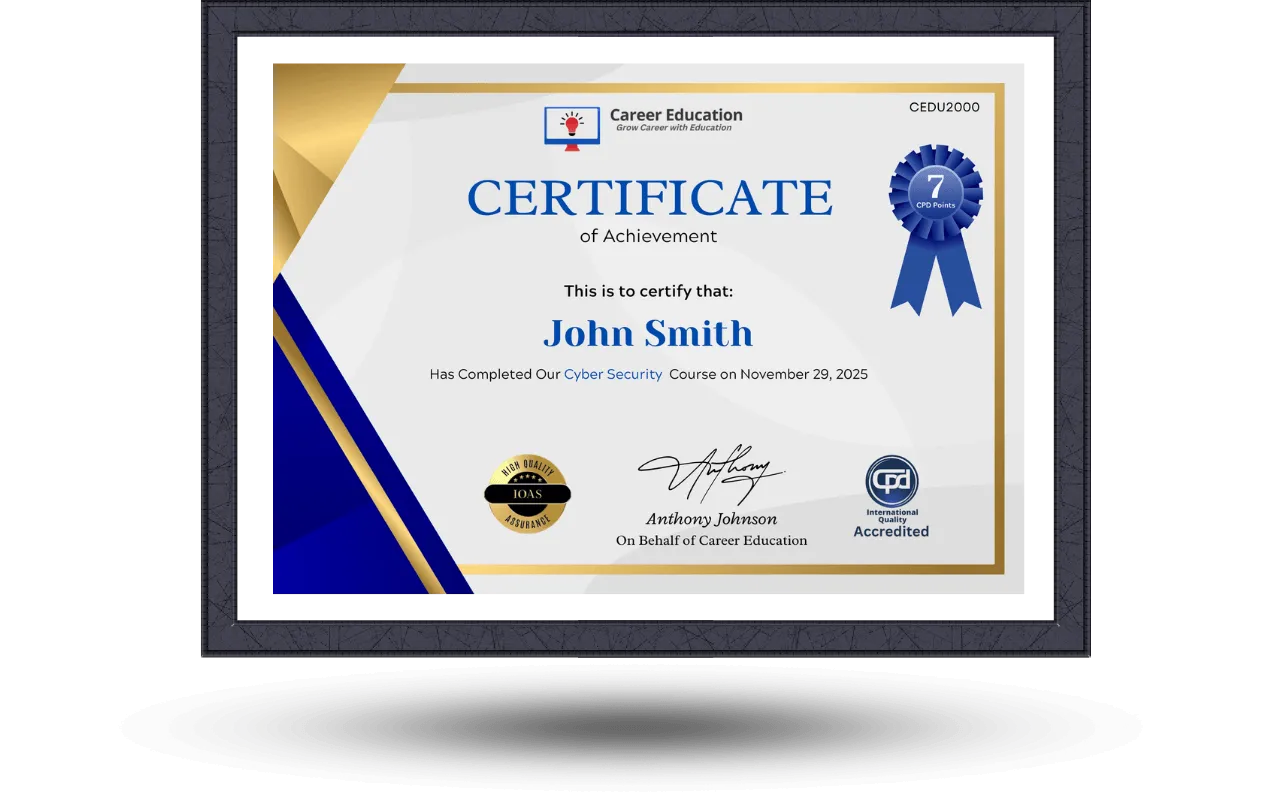
Upon completion of any course, all students are entitled to a CPD IQ Accredited e-certificate that will be issued by Career Education signifying the completion of your course.
After you complete the course and assignment, you will be eligible to order a free certificate accredited by CPD International Quality by completing the form below.
Hardcopy certificates and transcripts are also available for a small additional fee. More information is disclosed upon course completion.
Similar Courses



Frequently Asked Questions
The lifetime membership includes unlimited access to all courses, resources, and updates for a one-time fee.
You can purchase the membership directly from our website using a secure checkout process.
Yes, selected courses can be downloaded for offline access through our mobile app.
Yes, all future updates and new courses are included at no extra cost.
Yes, we offer a 30-day money-back guarantee if you are not satisfied with the membership.