
94%
OFF
OFF
Hazardous Materials Handling Essentials
- Lifetime Access
- All Levels
- PDF Certificate
£296
£19
14-Day Money-Back Guarantee
Learn With Confidence









# Hazardous Materials Handling Essentials
Handling hazardous materials safely requires more than simply knowing that a substance is dangerous. Workers need to understand the different types of hazards they may encounter, recognise how exposure can occur, communicate safety information effectively, respond appropriately to spills, and follow established procedures for handling and transportation.
The **Hazardous Materials Handling Essentials** course provides practical, outcome-focused training designed to help learners develop a stronger understanding of hazardous materials and the precautions needed when working with them. The course covers chemical, biological, and physical hazards, hazard communication, spill response and containment, and the transportation of hazardous materials.
From laboratories and manufacturing facilities to construction sites, warehouses, healthcare environments, maintenance operations, and logistics settings, hazardous materials can be encountered across many industries. A lack of awareness or poor handling practices can result in exposure, injuries, property damage, environmental harm, fires, chemical reactions, or other serious incidents.
The **Hazardous Materials Handling Essentials** course helps learners build the knowledge needed to recognise these risks and support safer workplace practices.
—
## Why Hazardous Materials Handling Essentials Matters
Hazardous materials can take many forms. They may include chemicals, biological substances, compressed gases, flammable materials, corrosive substances, toxic materials, contaminated items, and other substances capable of causing harm.
The risks associated with hazardous materials depend on factors such as:
* The material’s properties
* The quantity involved
* The concentration
* The method of use
* The route of exposure
* Storage conditions
* Workplace environment
* Handling procedures
* Existing control measures
A material that appears harmless may still present risks under certain conditions.
Workers therefore need to understand the hazards associated with the materials they encounter and know how to access relevant safety information.
The **Hazardous Materials Handling Essentials** course introduces these principles in a practical and accessible way.
—
# What You Will Learn
By completing the **Hazardous Materials Handling Essentials** course, learners will be able to:
* Explain what hazardous materials are.
* Recognise different categories of hazardous materials.
* Identify common chemical hazards.
* Understand basic biological hazards.
* Recognise physical hazards associated with hazardous materials.
* Understand common routes of exposure.
* Apply fundamental hazard communication principles.
* Recognise the importance of labels and Safety Data Sheets.
* Understand basic spill response and containment principles.
* Identify situations requiring emergency assistance.
* Understand general principles of hazardous materials transportation.
* Support safer workplace handling practices.
* Contribute to a stronger hazardous materials safety culture.
—
# Course Curriculum
## Module 1: Introduction to Hazardous Materials
### Lesson 1: Introduction to Hazardous Materials
The course begins by introducing the fundamentals of hazardous materials.
Learners will explore what makes a material hazardous and why certain substances require additional controls during handling, storage, use, and transportation.
Hazardous materials may present different types of risks, including:
* Health hazards
* Fire hazards
* Explosion hazards
* Environmental hazards
* Biological hazards
* Physical hazards
* Reactivity hazards
The module introduces the importance of recognising hazards before beginning work.
Learners will also explore common routes through which people may be exposed to hazardous materials, including:
* Inhalation
* Skin contact
* Eye contact
* Ingestion
* Injection
Understanding the route of exposure can help workers identify appropriate precautions.
The course also introduces the importance of following workplace procedures and consulting relevant safety information before working with unfamiliar materials.
By completing this module, learners will develop a foundation for understanding hazardous materials and the risks they may present.
—
# Module 2: Chemical Hazards
Chemical hazards are among the most common hazardous material risks encountered in workplaces.
This module introduces the properties and hazards associated with potentially dangerous chemicals.
Learners will explore chemical hazards such as:
* Flammability
* Corrosivity
* Toxicity
* Reactivity
* Oxidising properties
* Explosive properties
* Irritation
* Sensitisation
The course explains why chemical properties matter when determining how a substance should be handled, stored, and controlled.
For example, flammable substances may require control of ignition sources, while corrosive substances may require suitable protection against skin and eye contact.
Learners will also explore how chemical exposure can occur and why different chemicals may require different control measures.
The module reinforces the importance of reviewing labels and Safety Data Sheets before working with hazardous chemicals.
Participants will understand that hazardous chemicals should never be treated as though they all present the same risks.
By completing this module, learners will have a stronger understanding of chemical hazards and the importance of using appropriate precautions.
—
# Module 3: Biological Hazards
Not all hazardous materials are chemical in nature.
Biological materials can also present significant health risks in workplaces such as healthcare facilities, laboratories, research environments, waste management operations, and certain agricultural settings.
This module introduces common biological hazards and the ways exposure can occur.
Learners will explore potential biological hazards associated with:
* Bacteria
* Viruses
* Fungi
* Parasites
* Contaminated biological materials
* Human or animal waste
* Blood and other potentially infectious materials
Potential exposure routes may include:
* Inhalation
* Skin contact
* Eye contact
* Ingestion
* Contact with contaminated equipment
* Sharps injuries
The course explores the importance of hygiene, appropriate PPE, safe work procedures, contamination control, and appropriate waste management.
Learners will also understand why biological hazards require controls tailored to the type of material and the work being performed.
By completing this module, participants will develop greater awareness of biological hazards and the precautions that can help reduce exposure risks.
—
# Module 4: Physical Hazards
Hazardous materials may also create physical hazards that can cause injuries, fires, explosions, or other dangerous incidents.
This module explores physical hazards associated with hazardous materials and workplace conditions.
Learners will examine hazards such as:
* Fire
* Explosion
* Pressure
* Extreme temperatures
* Reactive materials
* Compressed gases
* Unstable substances
* Dangerous energy releases
The course explains how physical properties can influence the way materials should be handled and stored.
For example, compressed gas cylinders require appropriate handling and storage because of the pressure contained within them.
Similarly, reactive substances may need to be kept away from incompatible materials or environmental conditions that could trigger a dangerous reaction.
Learners will explore the importance of identifying physical hazards before starting work and following established control measures.
By completing this module, participants will understand how hazardous materials can create physical risks beyond direct chemical or biological exposure.
—
# Module 5: Hazard Communication
Effective hazard communication ensures that workers have access to information about the materials they may encounter.
This module focuses on the importance of communicating hazardous material information clearly.
Learners will explore key communication tools such as:
* Chemical labels
* Hazard pictograms
* Signal words
* Hazard statements
* Precautionary statements
* Safety Data Sheets
* Workplace procedures
* Training
* Warning signs
The course explains why workers should understand how to locate and interpret safety information before handling hazardous materials.
Safety Data Sheets can provide detailed information about:
* Hazards
* Composition
* First aid
* Fire response
* Spill response
* Handling
* Storage
* Exposure controls
* PPE
* Physical and chemical properties
* Stability and reactivity
Learners will also understand the importance of maintaining clear communication when hazardous materials are transferred, stored, transported, or involved in an emergency.
By completing this module, participants will be better prepared to use available safety information when making decisions about hazardous materials.
—
# Module 6: Spill Response and Containment
Spills and releases can happen even when appropriate precautions are in place.
This module introduces the fundamental principles of hazardous material spill response and containment.
Learners will explore the importance of first assessing the situation before attempting to respond.
Key considerations may include:
* What material has been released?
* How much material is involved?
* Is anyone exposed?
* Is there a fire or explosion risk?
* Is the material spreading?
* Is ventilation adequate?
* Are there incompatible materials nearby?
* Is specialist assistance required?
The course reinforces the importance of following workplace emergency procedures and consulting relevant safety information.
Learners will explore basic principles such as:
* Alerting others
* Isolating the area
* Preventing unnecessary exposure
* Using appropriate PPE
* Containing a release when trained and authorised to do so
* Preventing environmental spread
* Reporting the incident
* Arranging appropriate cleanup and disposal
The course also emphasises that workers should not attempt to manage a spill when doing so would place them or others at unacceptable risk.
Certain incidents may require trained emergency responders or specialist contractors.
By completing this module, learners will understand the basic considerations involved in hazardous material spill response and containment.
—
# Module 7: Transportation of Hazardous Materials
Moving hazardous materials from one location to another introduces additional risks.
This module introduces the fundamental principles of hazardous materials transportation.
Learners will explore considerations such as:
* Proper identification
* Packaging
* Labelling and marking
* Documentation
* Secure loading
* Segregation
* Vehicle considerations
* Emergency information
* Handling procedures
The course explains why hazardous materials must be appropriately prepared before transportation.
Incorrect packaging, inadequate labelling, poor load security, or incompatible materials being transported together can increase the risk of incidents.
Learners will also explore the importance of following applicable transportation requirements and workplace procedures.
Transportation regulations can vary depending on the country, mode of transport, material classification, and circumstances. Learners should therefore consult current applicable requirements and official guidance for their specific operations.
By completing this module, participants will understand the general principles involved in safer hazardous materials transportation.
—
# Who Is This Course For?
The **Hazardous Materials Handling Essentials** course is suitable for a broad range of workers and professionals who may encounter hazardous materials.
It can be particularly useful for:
* Manufacturing employees
* Warehouse workers
* Construction workers
* Laboratory personnel
* Healthcare workers
* Maintenance teams
* Cleaning professionals
* Agricultural workers
* Waste management personnel
* Logistics employees
* Chemical handlers
* Facilities staff
* Supervisors
* Safety professionals
* Workplace managers
The course can also serve as useful foundational learning for organisations seeking to strengthen hazardous materials awareness.
—
# Practical Learning Outcomes
The **Hazardous Materials Handling Essentials** course is designed to help learners connect safety concepts with real workplace situations.
After completing the course, participants should be better prepared to ask important questions before handling hazardous materials:
**What material am I dealing with?**
**What hazards does it present?**
**How could I be exposed?**
**What information is available about the material?**
**What precautions are required?**
**How should it be stored?**
**What should I do if there is a spill?**
**Do I have the appropriate training and equipment?**
**Does the material have specific transportation requirements?**
These questions encourage workers to approach hazardous materials systematically rather than relying on assumptions.
—
# Recognise Hazardous Materials Before Handling Them
Effective hazardous materials safety begins with identification.
Workers should understand the material they are handling and consult appropriate labels, SDSs, procedures, and other safety information.
Recognising hazards before starting a task can help prevent avoidable incidents.
—
# Reduce Exposure Risks
Understanding exposure routes allows workers to think more effectively about prevention.
Controls may include:
* Engineering controls
* Ventilation
* Safe work procedures
* Administrative controls
* Appropriate PPE
* Hygiene practices
* Restricted access
The appropriate controls depend on the specific material and work environment.
—
# Improve Spill Preparedness
A spill can quickly create additional hazards.
Knowing the basic principles of spill response can help workers recognise when to raise the alarm, isolate an area, seek assistance, or follow established containment procedures.
The priority should always be protecting people and preventing further exposure.
—
# Support Safer Transportation
Hazardous materials may travel through warehouses, workplaces, roads, railways, air transport systems, or maritime operations.
Proper identification, packaging, documentation, segregation, and handling are important components of safe transportation.
—
# Build a Stronger Safety Culture
Hazardous materials safety is most effective when it becomes part of everyday workplace behaviour.
Organisations can strengthen their safety culture through:
* Clear procedures
* Appropriate training
* Accurate chemical inventories
* Accessible SDSs
* Effective labelling
* Regular risk assessments
* Suitable PPE
* Spill response planning
* Good housekeeping
* Incident reporting
* Continuous improvement
The **Hazardous Materials Handling Essentials** course can support these broader safety objectives by developing fundamental awareness and practical knowledge.
—
# Enrol in Hazardous Materials Handling Essentials Today
Hazardous materials can create significant risks when they are incorrectly identified, handled, stored, transported, or managed. Understanding the hazards associated with chemicals, biological substances, and physical materials is therefore an important part of workplace safety.
The **Hazardous Materials Handling Essentials** course provides a structured introduction to hazardous material awareness and safe working principles. Learners explore chemical hazards, biological hazards, physical hazards, hazard communication, spill response and containment, and transportation considerations.
By completing the course, participants can develop greater confidence in recognising hazardous materials, accessing relevant safety information, understanding exposure risks, responding appropriately to potential spills, and following safer handling practices.
Whether you are a worker, supervisor, manager, safety professional, warehouse employee, laboratory worker, or someone seeking to strengthen your knowledge of hazardous materials, this course provides a practical foundation for safer workplace practices.
The course provides general educational information and should be used alongside current applicable legislation, employer procedures, material-specific Safety Data Sheets, manufacturer instructions, emergency plans, and role-specific training.
**Enrol in the Hazardous Materials Handling Essentials course today and develop the practical knowledge needed to recognise hazardous materials, understand their risks, communicate safety information, respond appropriately to spills, and support safer handling and transportation practices.**
Course Modules
Course Content
Module 1_ Introduction to Hazardous Materials
-
Lesson 1_ Introduction to Hazardous Materials
Module 2_ Chemical Hazards
Module 3_ Biological Hazards
Module 4_ Physical Hazards
Module 5_ Hazard Communication
Module 6_ Spill Response and Containment
Module 7_ Transportation of Hazardous Materials
What our students say
Excellent
4.9 average
158 Reviews

Earn an Accredited Certificate
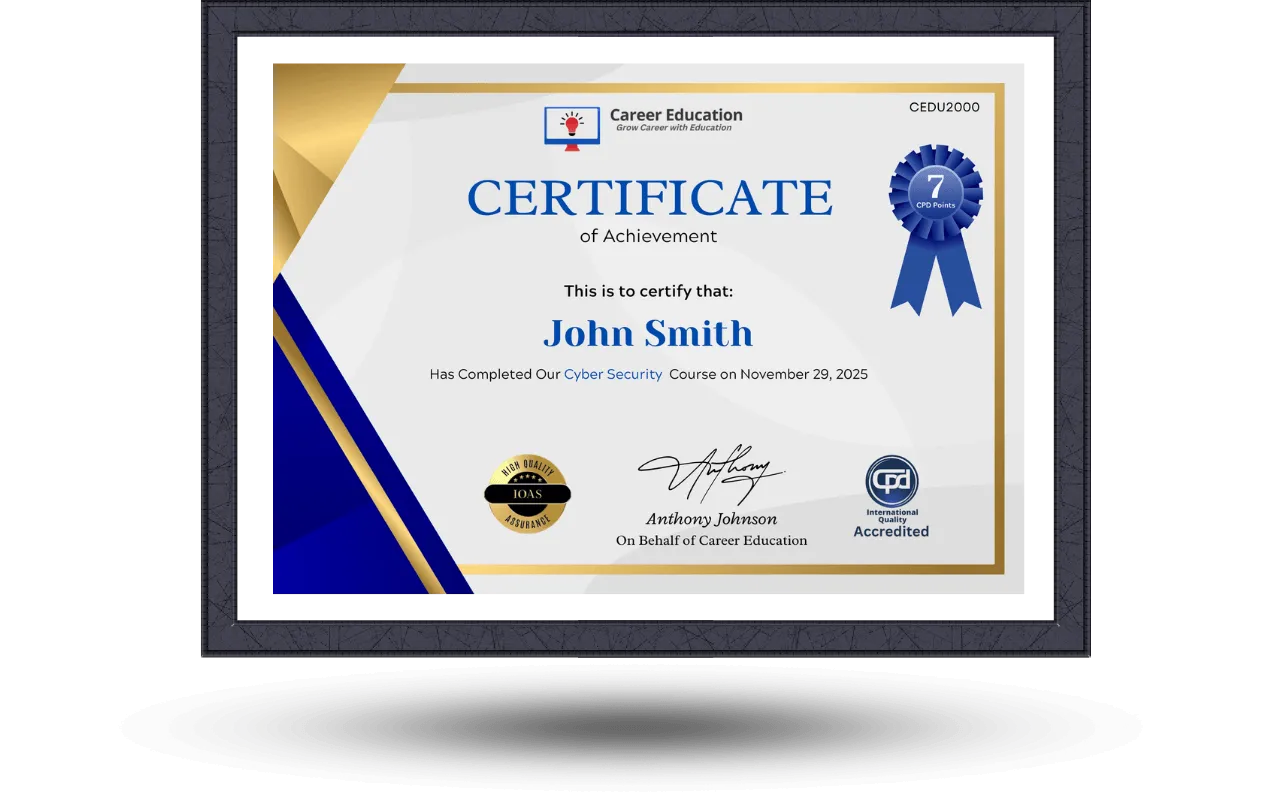
Upon completion of any course, all students are entitled to a CPD IQ Accredited e-certificate that will be issued by Career Education signifying the completion of your course.
After you complete the course and assignment, you will be eligible to order a free certificate accredited by CPD International Quality by completing the form below.
Hardcopy certificates and transcripts are also available for a small additional fee. More information is disclosed upon course completion.
Similar Courses




Frequently Asked Questions
The lifetime membership includes unlimited access to all courses, resources, and updates for a one-time fee.
You can purchase the membership directly from our website using a secure checkout process.
Yes, selected courses can be downloaded for offline access through our mobile app.
Yes, all future updates and new courses are included at no extra cost.
Yes, we offer a 30-day money-back guarantee if you are not satisfied with the membership.