Skip to content
94%
OFF

Getting Started with Electronics Repair

  • Lifetime Access
  • All Levels
  • PDF Certificate
£19.00 £296.00
14-Day Money-Back Guarantee

Learn With Confidence
IOAS High Quality Assurance
AoHT Member
Disability Confident Committed
CPD Accredited Provider
CPD International Quality
14 Days Money Back Guarantee
Lifetime Access
Incensu Registered
SSL Secure

Overview

Getting Started with Electronics Repair

Learn the Skills to Diagnose, Repair, and Restore Electronic Devices with Confidence

Electronic devices are an essential part of everyday life, from household appliances and entertainment systems to computers and mobile gadgets. When these devices stop working, knowing how to identify faults and perform basic repairs can save time, reduce costs, and even open the door to rewarding career opportunities. Getting Started with Electronics Repair is a practical, beginner-friendly course designed to introduce you to the core principles of electronics troubleshooting, component identification, circuit analysis, and repair techniques.

Whether you are a complete beginner, a DIY enthusiast, an aspiring electronics technician, or someone looking to develop valuable technical skills, this course provides the knowledge and confidence to begin repairing common electronic circuits safely and effectively.

By combining essential theory with practical repair concepts, Getting Started with Electronics Repair helps you build a strong foundation that prepares you for more advanced electronics projects and professional repair work.


Why Choose Getting Started with Electronics Repair?

Modern electronics are built using thousands of tiny components working together. Without proper knowledge, diagnosing faults can feel overwhelming. This course simplifies complex concepts into easy-to-understand lessons, allowing beginners to gradually build practical repair skills.

Instead of simply explaining theory, you’ll learn how electronic components function together inside real circuits and how to identify common failures using proven troubleshooting methods.

Throughout this course, you’ll gain a clear understanding of:

  • Electronic component identification
  • Circuit behavior and troubleshooting
  • Safe repair practices
  • Soldering and desoldering techniques
  • Power supply diagnostics
  • Digital and analog electronics fundamentals
  • Practical repair workflow

Every lesson is designed to build your confidence while helping you understand why electronic devices fail and how they can often be repaired instead of replaced.


What You’ll Learn

By completing Getting Started with Electronics Repair, you’ll be able to:

  • Understand the basic principles of electronics repair
  • Identify common electronic components and their functions
  • Read and interpret simple electronic circuits
  • Diagnose common circuit faults
  • Use soldering equipment safely and effectively
  • Remove and replace damaged components
  • Troubleshoot basic power supply problems
  • Understand digital electronic logic
  • Learn analog circuit fundamentals
  • Develop systematic repair techniques
  • Improve repair accuracy while reducing unnecessary component replacement
  • Build a strong foundation for advanced electronics training

These practical skills can be applied to countless repair situations involving consumer electronics and electronic devices.


Course Curriculum

Module 1: Introduction to Electronics Repair

Begin your journey by understanding the world of electronics repair. This module introduces essential safety practices, common repair tools, repair workflows, and the mindset needed to diagnose electronic faults effectively.

You’ll explore:

  • What electronics repair involves
  • Essential repair tools
  • Electrical safety
  • Repair workflow
  • Common electronic failures
  • Preventative maintenance

This module establishes the foundation needed before working with live circuits and sensitive electronic components.


Module 2: Understanding Electronic Components

Successful repair starts with recognizing how electronic components function.

In this module, you’ll learn about the most common components found in electronic devices, including:

  • Resistors
  • Capacitors
  • Inductors
  • Diodes
  • LEDs
  • Transistors
  • Integrated Circuits (ICs)
  • Connectors
  • Switches
  • Relays

You’ll also understand how component failures affect circuit performance and how to identify damaged components during troubleshooting.


Module 3: Circuit Analysis Techniques

Effective electronics repair depends on understanding how circuits operate.

This module teaches practical circuit analysis techniques that help you locate faults efficiently rather than replacing components through trial and error.

Topics include:

  • Current flow
  • Voltage measurement
  • Resistance testing
  • Signal paths
  • Continuity testing
  • Open circuits
  • Short circuits
  • Diagnostic strategies

By learning systematic troubleshooting methods, you’ll become far more confident when repairing electronic equipment.


Module 4: Soldering and Desoldering Techniques

Component replacement is one of the most important repair skills.

This module teaches proper soldering techniques to ensure reliable repairs while preventing damage to sensitive circuit boards.

You’ll learn:

  • Choosing soldering equipment
  • Soldering safety
  • Proper solder joints
  • Desoldering methods
  • Removing damaged components
  • Installing replacement parts
  • PCB handling
  • Common soldering mistakes

Mastering these practical techniques greatly improves repair quality and reliability.


Module 5: Basic Power Supply Repair

Power supply failures are among the most common electronic faults.

This module explains how power supplies operate and introduces safe methods for identifying common problems.

You’ll explore:

  • AC and DC basics
  • Rectification
  • Voltage regulation
  • Common power supply faults
  • Fuse testing
  • Capacitor failures
  • Basic voltage measurements
  • Repair precautions

Understanding power supplies allows you to diagnose one of the most frequent causes of electronic equipment failure.


Module 6: Digital Electronics Fundamentals

Modern electronic devices rely heavily on digital circuits.

In this module, you’ll build a solid understanding of:

  • Binary numbers
  • Logic gates
  • Digital signals
  • Timing concepts
  • Flip-flops
  • Counters
  • Digital ICs
  • Basic digital troubleshooting

These concepts provide the foundation needed for repairing many modern consumer electronics.


Module 7: Analog Electronics Fundamentals

Analog circuits continue to play an essential role in audio equipment, sensors, amplifiers, power systems, and many consumer devices.

This module introduces:

  • Voltage amplification
  • Signal processing
  • Operational amplifiers
  • Analog filters
  • Oscillators
  • Audio circuits
  • Analog measurements
  • Common analog faults

Understanding analog electronics expands your ability to diagnose a wide variety of electronic systems.


Who Should Take This Course?

Getting Started with Electronics Repair is ideal for:

  • Complete beginners
  • DIY electronics enthusiasts
  • Students studying electronics
  • Engineering learners
  • Hobbyists interested in repairing devices
  • Maintenance technicians
  • Home repair enthusiasts
  • Makers and inventors
  • STEM learners
  • Anyone wanting to understand how electronics work

No previous electronics repair experience is required.


Benefits of Learning Electronics Repair

Learning electronics repair offers long-term practical benefits beyond fixing broken devices.

With the skills developed in Getting Started with Electronics Repair, you can:

  • Save money by repairing electronics instead of replacing them
  • Reduce electronic waste through sustainable repair practices
  • Build valuable technical problem-solving skills
  • Improve logical thinking and troubleshooting abilities
  • Support home maintenance projects
  • Prepare for more advanced electronics courses
  • Develop skills useful in engineering and technical careers
  • Increase confidence when working with electronic equipment

These abilities are useful both personally and professionally.


Practical Skills You’ll Develop

Throughout the course, you’ll strengthen essential repair competencies, including:

  • Component recognition
  • Circuit interpretation
  • Fault diagnosis
  • Safe equipment handling
  • Soldering proficiency
  • Electrical measurement
  • Repair planning
  • Troubleshooting methodology
  • Power supply analysis
  • Digital circuit understanding
  • Analog circuit understanding

These practical skills create a solid technical foundation for continued learning.


Why Electronics Repair Skills Matter

As electronic devices become increasingly common, repair skills continue to grow in value. Many faults are caused by inexpensive components that can often be repaired rather than replacing an entire device.

Understanding electronics repair empowers you to make informed decisions, extend the lifespan of valuable equipment, and contribute to more sustainable technology use.

Whether your goal is personal development, a technical hobby, or preparing for future career opportunities, learning electronics repair provides practical knowledge that remains useful across many industries.


Start Your Electronics Repair Journey Today

Every skilled electronics technician started by learning the fundamentals. Getting Started with Electronics Repair gives you the knowledge, techniques, and confidence to begin diagnosing electronic faults, understanding circuits, and performing basic repairs safely.

From identifying components and analyzing circuits to mastering soldering techniques and understanding both digital and analog electronics, this course provides a comprehensive introduction to the essential skills every electronics repair learner should have.

Enroll in Getting Started with Electronics Repair today and take the first step toward building practical electronics repair skills that can save money, reduce waste, and open new opportunities for lifelong learning and technical growth.

£296.00 £19.00

Save Over 94% - Offer Ends soon

BUY NOW

14-Day Money-Back Guarantee

Course Modules

Course Content

Module 1_ Introduction to Electronics Repair

  • Lesson 1_ Introduction to Electronics Repair

Module 2_ Understanding Electronic Components

Module 3_ Circuit Analysis Techniques

Module 4_ Soldering and Desoldering Techniques

Module 5_ Basic Power Supply Repair

Module 6_ Digital Electronics Fundamentals

Module 7_ Analog Electronics Fundamentals

What our students say

Excellent
4.9 average
158 Reviews

Taufiq Israil
Verified Customer

This course completely transformed how I approach design. The section on design systems was worth the price alone. I landed a Junior Designer role three weeks after finishing!

Andrew Osborne
Verified Customer

The courses provided a wide variety of complete program materials and exam mockups. Fantastic!

Gregory Holmes
Verified Customer

The range of courses offered is extensive and the quality of training is top notch, second to pretty perfect!

Zach Parks
Verified Customer

The course I completed was engaging, insightful, informative! The instructor kept me motivated throughout.

Earn an Accredited Certificate

Earn an Accredited Certificate

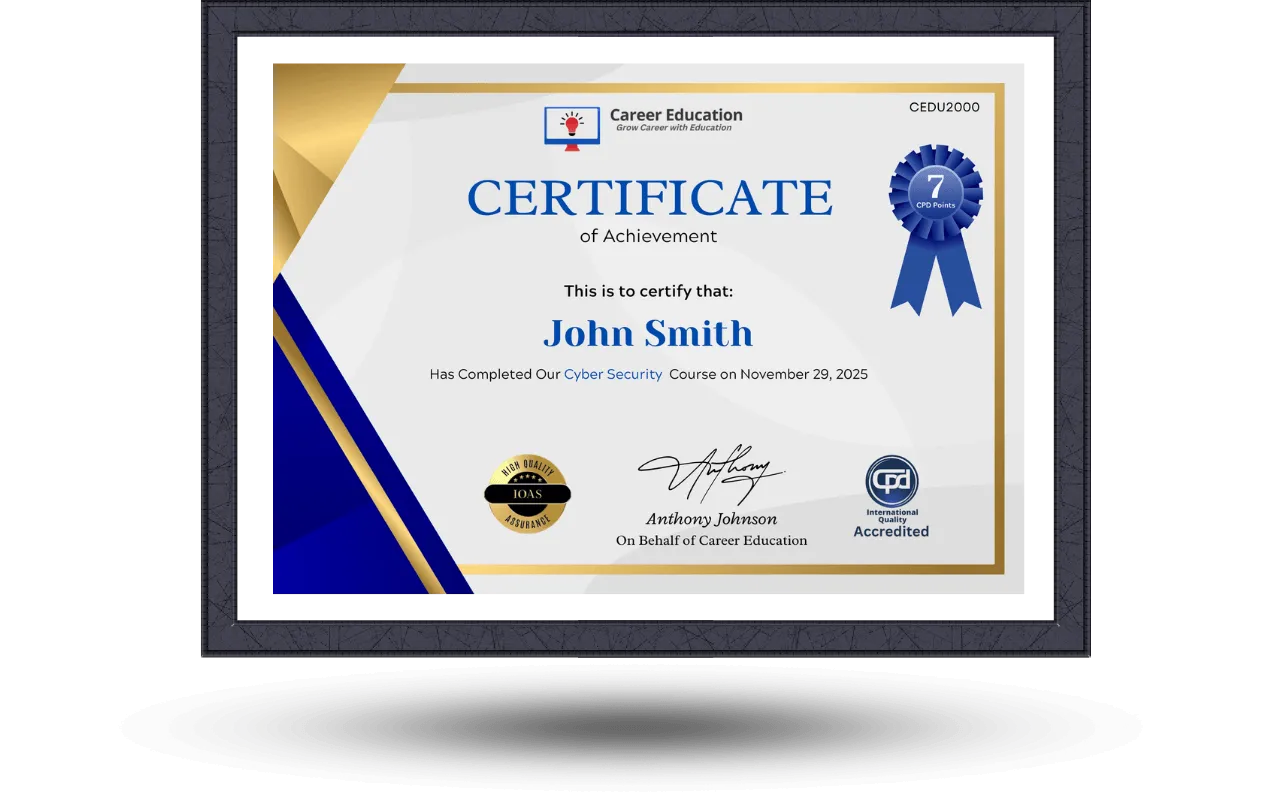
Upon completion of the course, an e-certificate will be downloadable from Khan Education signifying the completion of your course. But, the course is CPD Accredited and after you complete the assignment, you will be eligible to order a certificate accredited by CPD International Quality for £5.99 only. If you want a hardcopy certificate accredited by CPD IQ, you can get it for only £15.99.

Get your Certificate

Frequently Asked Questions

The lifetime membership includes unlimited access to all courses, resources, and updates for a one-time fee.

You can purchase the membership directly from our website using a secure checkout process.

Yes, selected courses can be downloaded for offline access through our mobile app.

Yes, all future updates and new courses are included at no extra cost.

Yes, we offer a 30-day money-back guarantee if you are not satisfied with the membership.