
94%
OFF
OFF
Food Allergen Awareness
- Lifetime Access
- All Levels
- PDF Certificate
£296
£19
14-Day Money-Back Guarantee
Learn With Confidence







# Food Allergen Awareness
## Build Essential Knowledge for Recognising, Preventing and Managing Food Allergy Risks
Food allergies can affect people at home, in restaurants, schools, workplaces, social events and many other environments. For someone with a food allergy, accidental exposure to an allergen can potentially cause a serious reaction. This makes awareness, communication, careful food handling and appropriate emergency preparedness extremely important.
**Food Allergen Awareness** provides a comprehensive introduction to food allergies and the practical considerations involved in managing allergen-related risks. The course explores food allergies, common symptoms, diagnosis, allergen-free cooking and dining, special diets, emergency situations, workplace considerations, social situations and everyday life with a food allergy.
The course is designed to help learners develop greater awareness of the challenges associated with food allergies and understand how informed practices can support safer environments.
Whether you work in hospitality, food preparation, education, childcare, healthcare support, administration or another public-facing environment—or simply want to improve your personal knowledge—**Food Allergen Awareness** can provide valuable foundational information.
> **Important:** This course is for general educational purposes and does not replace medical advice, diagnosis or treatment from a qualified healthcare professional. Anyone experiencing a suspected severe allergic reaction should follow their prescribed emergency action plan and seek appropriate emergency medical assistance.
—
# Why Food Allergen Awareness Matters
Food allergies are not simply dietary preferences.
An allergy involves an immune response to a substance that the body identifies as harmful. Reactions can vary considerably between individuals, and exposure may occur through food, ingredients, cross-contact or accidental consumption.
For this reason, understanding food allergens is important for anyone involved in preparing, serving, purchasing or consuming food.
**Food Allergen Awareness** helps learners understand why allergen management requires careful attention.
Awareness can support:
* Better food preparation practices
* Improved communication
* Safer dining experiences
* Greater understanding of food labels
* Reduced risk of accidental exposure
* More informed dietary planning
* Appropriate workplace awareness
* Better emergency preparedness
* Greater confidence when discussing food allergies
—
# Who Is This Course For?
**Food Allergen Awareness** is suitable for a broad range of learners, including:
* Food handlers
* Restaurant and café staff
* Catering professionals
* Hospitality workers
* Kitchen staff
* Food service employees
* Teachers and education staff
* Childcare professionals
* Workplace staff
* Parents and carers
* Individuals living with food allergies
* Family members of people with allergies
* Anyone interested in food safety and allergen awareness
The course can also benefit businesses that want their employees to develop a general understanding of food allergy risks.
—
# What You Will Learn
By completing **Food Allergen Awareness**, you will develop a stronger understanding of food allergies and the practical considerations involved in managing allergen risks.
You will learn how to:
* Understand the fundamentals of food allergies
* Recognise common food allergy symptoms
* Understand the general process of allergy diagnosis
* Explore allergen-free cooking and dining practices
* Understand special dietary considerations
* Recognise the importance of emergency preparedness
* Understand food allergy considerations in workplaces
* Explore food allergy challenges in social situations
* Develop greater awareness of everyday allergy management
* Improve communication around allergens
* Understand the importance of avoiding accidental exposure
* Support safer food-related environments
—
# Course Curriculum
## Module 1 – Introduction to Food Allergies
The course begins with an introduction to **food allergies**.
You will explore what food allergies are and how they differ from other food-related conditions and dietary preferences.
The module introduces the concept of an immune response and explains why certain foods can trigger reactions in susceptible individuals.
You will develop awareness of common allergenic foods and the importance of identifying ingredients that may pose a risk.
The module also highlights the importance of communication.
For someone with a food allergy, knowing what is in a meal can be extremely important. Accurate information from food businesses, manufacturers, family members and carers can help individuals make informed choices.
### Learning Outcome
By completing Module 1, you will understand the fundamentals of food allergies and recognise why allergen awareness is important when preparing, serving and consuming food.
—
# Module 2 – Symptoms of Food Allergies
Recognising potential symptoms is an important aspect of **Food Allergen Awareness**.
This module explores the symptoms that may occur following exposure to a food allergen.
Reactions can vary from person to person and may involve different parts of the body.
You will develop awareness of possible symptoms and understand why reactions should always be taken seriously.
The module also introduces the distinction between milder symptoms and potentially severe reactions.
Learners will explore why it is important not to dismiss unexpected symptoms following food consumption, particularly when an individual has a known allergy.
The course emphasises that symptoms can develop in different ways and that individuals with diagnosed allergies should follow the advice and emergency plans provided by their healthcare professionals.
### Learning Outcome
By completing Module 2, you will recognise common food allergy symptoms and understand the importance of responding appropriately when an allergic reaction is suspected.
—
# Module 3 – Diagnosis of Food Allergies
Understanding how food allergies are diagnosed can help learners appreciate the importance of professional medical assessment.
This module explores the general process of **food allergy diagnosis**.
You will learn why individuals should not rely solely on self-diagnosis when they suspect they have an allergy.
Healthcare professionals may consider symptoms, medical history, dietary information and appropriate testing when assessing a suspected allergy.
The module also highlights the importance of keeping accurate information about suspected reactions.
You will explore why identifying potential triggers can help healthcare professionals assess the situation more effectively.
The course reinforces that allergy testing and diagnosis should be managed by appropriately qualified healthcare professionals.
### Learning Outcome
By completing Module 3, you will understand the general principles of food allergy diagnosis and recognise why professional medical assessment is important.
—
# Module 4 – Allergen-Free Cooking and Dining
Preparing food for someone with a food allergy requires careful attention.
This module focuses on **allergen-free cooking and dining** and explores practical considerations for reducing the risk of accidental exposure.
You will learn about the importance of ingredient checking and careful food preparation.
Cross-contact is an important consideration. An otherwise suitable food may become unsafe if it comes into contact with an allergen during preparation, cooking or serving.
You will explore why kitchen hygiene, equipment, utensils, surfaces and storage practices can all be relevant.
The module also considers dining outside the home.
When eating at restaurants or other food establishments, clear communication between the customer and food service staff can help reduce misunderstandings.
### Learning Outcome
By completing Module 4, you will understand key considerations for allergen-aware food preparation and dining and recognise the importance of preventing cross-contact.
—
# Module 5 – Food Allergies and Special Diets
Food allergies can affect what an individual is able to eat.
This module explores **food allergies and special diets**, focusing on the challenges involved in maintaining a balanced and suitable diet while avoiding specific allergens.
You will consider why removing foods from a diet may require careful planning.
Depending on the allergen and the individual’s dietary needs, suitable alternatives may need to be identified.
The module also encourages learners to understand the importance of checking ingredient information carefully.
Food products can contain multiple ingredients, and formulations can change. For this reason, individuals with allergies should follow appropriate guidance and check current product information rather than relying on assumptions.
### Learning Outcome
By completing Module 5, you will understand the dietary considerations associated with food allergies and recognise the importance of informed food selection and appropriate nutritional planning.
—
# Module 6 – Food Allergies and Emergency Situations
An allergic reaction can become an emergency, particularly when severe symptoms develop.
This module focuses on **food allergies and emergency situations**.
You will explore why recognising a potentially serious reaction and acting promptly can be important.
The module introduces the concept of an allergy emergency action plan and explains why people with diagnosed severe allergies may be advised by healthcare professionals to carry prescribed emergency medication.
You will also consider the importance of knowing how to respond when someone experiences a suspected severe allergic reaction.
The course emphasises that emergency procedures should follow appropriate medical guidance and local emergency protocols.
### Learning Outcome
By completing Module 6, you will understand the importance of emergency preparedness and recognise why suspected severe allergic reactions require prompt and appropriate action.
—
# Module 7 – Food Allergies and the Workplace
Food allergies can present challenges in professional environments.
This module explores **food allergies and the workplace** and considers how employers, colleagues and employees can contribute to a safer environment.
Workplaces may involve shared kitchens, cafeterias, meetings, catered events and communal food.
You will explore why awareness and respectful communication can help reduce unnecessary risks.
The module also considers the importance of understanding individual needs and maintaining appropriate workplace practices.
Learners will develop awareness of how clear information and sensible procedures can support employees with food allergies.
### Learning Outcome
By completing Module 7, you will understand common food allergy considerations in the workplace and recognise the importance of awareness, communication and appropriate risk management.
—
# Module 8 – Food Allergies and Social Situations
Food plays an important role in social life.
Family gatherings, parties, celebrations, holidays and community events can all involve shared meals and unfamiliar foods.
This module explores **food allergies and social situations**.
You will consider some of the challenges individuals with food allergies may experience when eating with others.
Communication is particularly important.
Individuals may need to explain their dietary requirements, ask questions about ingredients and take appropriate precautions when attending events.
Friends, family members and hosts can also contribute by taking allergies seriously and avoiding assumptions.
### Learning Outcome
By completing Module 8, you will understand common challenges associated with food allergies in social settings and recognise how communication and preparation can support safer experiences.
—
# Module 9 – Living with a Food Allergy
The final module focuses on **living with a food allergy**.
Managing a food allergy can involve ongoing awareness and planning.
Individuals may need to check food labels, communicate dietary requirements, plan meals, prepare for travel and understand how to respond to potential exposure.
This module explores the everyday considerations associated with food allergies.
It also highlights the importance of maintaining a positive and informed approach.
Living with an allergy does not mean that individuals cannot enjoy food, social activities or travel. However, appropriate planning and awareness can help reduce unnecessary risks.
The module encourages learners to understand their responsibilities while also recognising the importance of support from family members, friends, workplaces and food providers.
### Learning Outcome
By completing Module 9, you will understand the everyday considerations involved in living with a food allergy and develop greater awareness of practical strategies for managing allergen-related challenges.
—
# Develop Better Allergen Awareness
One of the key outcomes of **Food Allergen Awareness** is improved understanding.
Food allergies can sometimes be misunderstood, particularly when people confuse allergies with preferences or intolerances.
Developing accurate knowledge can encourage more responsible attitudes towards allergen safety.
Whether you are preparing food for a family member, serving customers in a restaurant or supporting someone at work, understanding the seriousness of food allergies can help you make more informed decisions.
—
# Improve Communication Around Food Allergies
Communication is a central part of allergen awareness.
People with allergies may need to ask detailed questions about food ingredients and preparation methods.
Food service staff may need to communicate information accurately.
Family members and friends may need to understand how particular foods are handled.
Workplaces may need appropriate procedures to support employees.
**Food Allergen Awareness** helps learners recognise why clear, accurate and respectful communication matters in all these situations.
—
# Understand Cross-Contact Risks
Avoiding an allergen is not always as simple as removing the ingredient from a recipe.
Cross-contact can occur when an allergen comes into contact with food that was not intended to contain it.
This can potentially happen through shared utensils, preparation surfaces, equipment, storage containers or other food-handling practices.
The course introduces learners to the importance of recognising these risks and taking appropriate precautions.
—
# Support Safer Food Environments
Creating a safer food environment is a shared responsibility.
Individuals with allergies need to manage their own condition according to medical advice, while food businesses, workplaces, carers, family members and others can contribute through appropriate awareness and responsible practices.
**Food Allergen Awareness** provides learners with knowledge that can help support this shared responsibility.
—
# Why Study Food Allergen Awareness?
Studying **Food Allergen Awareness** can provide valuable personal and professional benefits.
The course can help you:
**Understand food allergies:** Learn the fundamentals of allergic reactions and allergen-related risks.
**Recognise symptoms:** Develop awareness of common allergy symptoms and the importance of appropriate responses.
**Understand diagnosis:** Learn why suspected food allergies should be professionally assessed.
**Improve food preparation awareness:** Understand important considerations when preparing food for someone with an allergy.
**Understand special diets:** Explore the challenges of avoiding allergens while maintaining suitable nutrition.
**Prepare for emergencies:** Develop awareness of the importance of emergency plans and prompt action.
**Improve workplace awareness:** Understand how food allergies can affect employees and workplace activities.
**Support social inclusion:** Recognise the importance of accommodating food allergies during social events.
**Develop everyday awareness:** Understand practical considerations for living with and supporting someone with a food allergy.
—
# Build Your Food Allergen Awareness Knowledge
Food allergies require knowledge, preparation and responsible communication.
**Food Allergen Awareness** provides a comprehensive introduction to the subject, covering everything from understanding food allergies and recognising symptoms to allergen-free cooking, special diets, emergency situations, workplace considerations, social activities and everyday allergy management.
The course is designed to help learners develop a more informed approach to food allergy risks and understand why careful food handling and communication matter.
Whether you work in hospitality, food service, education, childcare or another environment where food is involved—or simply want to become more knowledgeable about supporting people with allergies—this course can provide a valuable foundation.
Develop your **Food Allergen Awareness** and gain a stronger understanding of food allergies, allergen management, safer food practices and the everyday considerations involved in helping create more informed and supportive food environments.
Course Modules
Course Content
Module 1 Introduction to Food Allergies.
-
Lesson 1 Introduction to Food Allergies.
Module 2 Symptoms of food allergies.
Module 3 Diagnosis of food allergies.
Module 4 Allergen-free cooking and dining.
Module 5 Food allergies and special diets.
Module 6 Food allergies and emergency situations.
Module 7 Food allergies and the workplace.
Module 8 Food allergies and social situations.
Module 9 Living with a Food Allergy.
What our students say
Excellent
4.9 average
158 Reviews

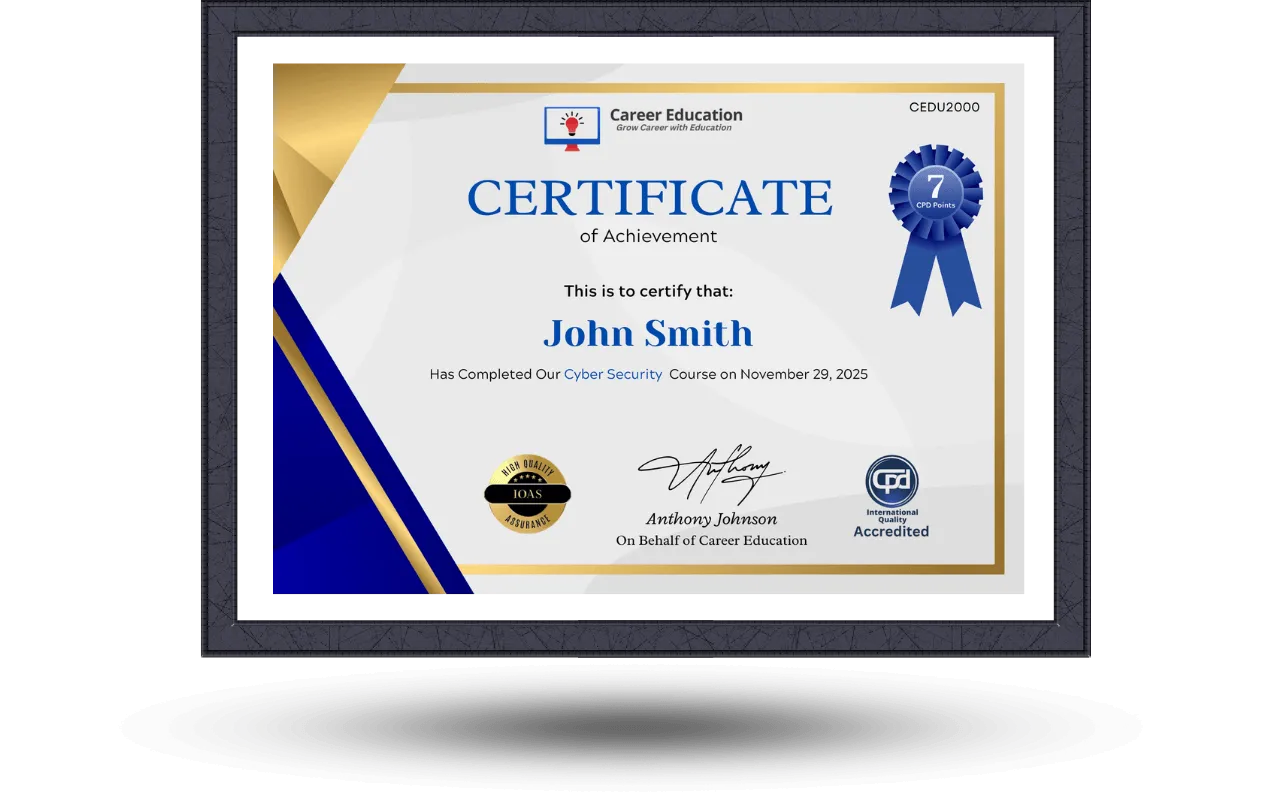
Earn an Accredited Certificate
Upon completion of any course, all students are entitled to a CPD IQ Accredited e-certificate that will be issued by Career Education signifying the completion of your course.
After you complete the course and assignment, you will be eligible to order a free certificate accredited by CPD International Quality by completing the form below.
Hardcopy certificates and transcripts are also available for a small additional fee. More information is disclosed upon course completion.
Similar Courses


Frequently Asked Questions
The lifetime membership includes unlimited access to all courses, resources, and updates for a one-time fee.
You can purchase the membership directly from our website using a secure checkout process.
Yes, selected courses can be downloaded for offline access through our mobile app.
Yes, all future updates and new courses are included at no extra cost.
Yes, we offer a 30-day money-back guarantee if you are not satisfied with the membership.