
94%
OFF
OFF
Fitness Techniques for Stress Management and Relaxation
- Lifetime Access
- All Levels
- PDF Certificate
£296
£19
14-Day Money-Back Guarantee
Learn With Confidence





Fitness Techniques for Stress Management and Relaxation
Overview
Modern lifestyles often bring constant pressure, demanding schedules, and emotional challenges that can affect physical and mental wellbeing. Learning how to manage stress effectively is essential for maintaining balance, improving productivity, and creating a healthier daily routine. The Fitness Techniques for Stress Management and Relaxation course is designed to help learners understand how physical activity, mindful movement, and healthy lifestyle choices can support stress reduction and relaxation.
This comprehensive course explores the powerful connection between fitness and emotional wellbeing. Participants will discover practical techniques to use exercise as a tool for managing stress, improving mood, increasing energy levels, and developing long-term relaxation habits. Whether you are looking to enhance your personal wellness, support others in their fitness journey, or expand your knowledge of stress management strategies, this course provides valuable insights and practical approaches.
Through the Fitness Techniques for Stress Management and Relaxation course, learners will gain the knowledge and confidence to create balanced fitness routines that promote both physical health and emotional resilience. The course focuses on realistic techniques that can be incorporated into everyday life, helping individuals build sustainable habits for improved wellbeing.
Course Description
The Fitness Techniques for Stress Management and Relaxation course introduces learners to the relationship between exercise, stress response, and relaxation. Physical activity is widely recognised as an effective way to support emotional balance by encouraging the release of endorphins, improving sleep quality, and reducing feelings of tension. This course provides a structured approach to understanding how different fitness techniques can contribute to a calmer and healthier lifestyle.
Throughout the course, learners will explore cardiovascular exercises, strength training, flexibility techniques, mind-body practices, and nutrition strategies that support stress management. Each module provides practical knowledge and actionable techniques that can be applied to personal fitness routines or professional wellness settings.
By completing this course, learners will understand how to design fitness plans that support relaxation, manage daily stressors, and encourage long-term health improvements. The Fitness Techniques for Stress Management and Relaxation course empowers individuals to take control of their wellbeing by combining exercise science with practical stress relief methods.
What You Will Learn
By completing the Fitness Techniques for Stress Management and Relaxation course, learners will be able to:
-
Understand the relationship between fitness, stress, and emotional wellbeing.
-
Identify how different forms of exercise influence stress levels and relaxation.
-
Develop cardiovascular exercise routines that support mental and physical health.
-
Apply strength training techniques to build confidence and resilience.
-
Use stretching and flexibility exercises to reduce physical tension.
-
Explore mind-body practices that encourage relaxation and mindfulness.
-
Understand how nutrition choices influence stress management.
-
Create balanced wellness routines that support a healthier lifestyle.
Course Curriculum
Module 1: Introduction to Fitness and Stress Relief
The first module introduces the connection between fitness and stress management. Learners will explore how stress affects the body and mind, including its impact on energy levels, concentration, sleep, and overall wellbeing. Understanding the body’s stress response is an important step toward developing effective strategies for relaxation.
This module explains how regular physical activity can help regulate stress hormones, improve mood, and support emotional stability. Learners will discover why fitness is not only important for physical strength but also plays a significant role in mental wellness.
Key topics covered include:
-
Understanding stress and its effects on the body.
-
The relationship between exercise and emotional health.
-
Benefits of physical activity for relaxation.
-
Creating realistic fitness goals for stress reduction.
-
Developing positive habits for long-term wellbeing.
By the end of this module, learners will understand how fitness can become a valuable tool for managing everyday stress and improving quality of life.
Module 2: Cardiovascular Exercises
Cardiovascular exercise is an effective method for improving physical health while supporting stress relief. This module explores different types of cardio activities and explains how they contribute to improved mood, increased energy, and emotional balance.
Learners will discover how activities such as walking, jogging, cycling, swimming, and aerobic exercises can support relaxation by improving circulation and encouraging the release of mood-enhancing chemicals in the body.
Topics include:
-
Understanding the benefits of cardiovascular training.
-
Selecting appropriate cardio exercises for different fitness levels.
-
Creating effective cardio routines for stress management.
-
Improving endurance and energy through regular movement.
-
Using aerobic activities as a relaxation strategy.
Through this module, learners will gain practical skills to incorporate cardiovascular exercises into daily routines while supporting stress reduction and overall fitness improvement.
Module 3: Strength Training
Strength training is not only beneficial for building physical power but also plays an important role in improving confidence, resilience, and emotional wellbeing. This module introduces learners to the fundamentals of strength-based exercises and their connection with stress management.
Learners will explore how resistance exercises can help release physical tension, improve body awareness, and create a sense of achievement. Strength training can provide structure and motivation while supporting a healthier relationship with physical activity.
Topics covered include:
-
Fundamentals of strength training.
-
Benefits of resistance exercises for stress relief.
-
Safe and effective strength training techniques.
-
Developing balanced strength routines.
-
Building confidence through physical progress.
By completing this module, learners will understand how strength training can contribute to both physical improvements and emotional resilience.
Module 4: Flexibility and Stretching
Flexibility and stretching exercises are essential components of relaxation-focused fitness. This module focuses on how stretching techniques can reduce muscle tension, improve mobility, and promote a sense of calm.
Learners will explore different stretching approaches and understand how mindful movement can support relaxation. Regular stretching can help individuals release physical stress caused by long periods of sitting, demanding activities, or emotional tension.
This module includes:
-
The importance of flexibility for overall wellbeing.
-
Stretching techniques for relaxation.
-
Improving mobility and body awareness.
-
Reducing muscle stiffness and tension.
-
Creating stretching routines for daily stress relief.
By the end of this module, learners will be able to apply flexibility techniques that encourage relaxation and support physical comfort.
Module 5: Mind-Body Practices
The connection between the mind and body is a key element of effective stress management. This module explores mind-body practices that encourage relaxation, awareness, and emotional balance.
Learners will discover how activities such as yoga, breathing exercises, meditation, and mindful movement can complement traditional fitness approaches. These practices help individuals develop greater awareness of their thoughts, emotions, and physical responses to stress.
Topics include:
-
Understanding the mind-body connection.
-
Introduction to relaxation-based movement practices.
-
Breathing techniques for stress reduction.
-
Mindfulness and physical awareness.
-
Creating a balanced mind-body wellness routine.
The Fitness Techniques for Stress Management and Relaxation course highlights the importance of combining physical activity with mindfulness to achieve deeper relaxation and improved wellbeing.
Module 6: Nutrition and Stress
Nutrition plays an important role in how the body responds to stress. This module explores the relationship between food choices, energy levels, mood, and emotional balance.
Learners will understand how a balanced diet can support physical performance, recovery, and stress management. The module explains how proper nutrition works alongside fitness techniques to create a complete approach to wellness.
Topics include:
-
The connection between nutrition and stress levels.
-
Foods that support energy and emotional wellbeing.
-
The importance of hydration.
-
Healthy eating habits for active lifestyles.
-
Creating nutrition strategies that support relaxation.
By understanding the role of nutrition, learners will be able to make informed choices that enhance the benefits of their fitness and stress management routines.
Who Is This Course For?
The Fitness Techniques for Stress Management and Relaxation course is suitable for anyone interested in improving their physical health while developing effective stress management skills.
This course is ideal for:
-
Individuals who want to reduce daily stress through exercise.
-
Fitness enthusiasts looking to improve their wellness knowledge.
-
Wellness coaches and trainers seeking additional techniques.
-
Professionals interested in workplace wellbeing strategies.
-
Beginners who want to develop healthier lifestyle habits.
-
Anyone looking to combine fitness with relaxation practices.
No advanced fitness experience is required. The course is designed to provide accessible techniques that can be adapted to different lifestyles and fitness levels.
Requirements
There are no specific qualifications required to enrol in the Fitness Techniques for Stress Management and Relaxation course. Learners only need an interest in fitness, wellbeing, and developing practical stress management strategies.
A willingness to learn, practice new techniques, and apply healthy lifestyle principles will help learners gain the maximum benefit from this course.
Career Path and Opportunities
Completing the Fitness Techniques for Stress Management and Relaxation course can support personal development and professional growth in areas related to fitness, wellness, and health promotion.
Learners may use their knowledge to explore opportunities such as:
-
Fitness instructor roles.
-
Wellness coaching support.
-
Personal training development.
-
Workplace wellbeing initiatives.
-
Health and lifestyle coaching.
-
Community wellness programmes.
The skills gained from this course can also enhance existing professional knowledge for individuals working in fitness, healthcare, education, or wellbeing-related fields.
Why Choose This Course?
The Fitness Techniques for Stress Management and Relaxation course provides a practical and holistic approach to managing stress through movement, exercise, and healthy lifestyle choices. Rather than focusing on temporary solutions, this course helps learners develop sustainable habits that support long-term physical and emotional wellbeing.
By learning how fitness techniques can improve relaxation, learners can create a healthier relationship with exercise and use movement as a powerful tool for managing everyday challenges. This course provides the knowledge and confidence needed to build effective wellness routines that encourage balance, energy, and resilience.
Whether your goal is personal improvement or professional development, the Fitness Techniques for Stress Management and Relaxation course offers valuable strategies to support a healthier, calmer, and more balanced lifestyle.
Course Modules
Course Content
Module 1_ Introduction to Fitness and Stress Relief
-
Lesson 1_ Introduction to Fitness and Stress Relief
Module 2_ Cardiovascular Exercises
Module 3_ Strength Training
Module 4_ Flexibility and Stretching
Module 5_ Mind-Body Practices
Module 6_ Nutrition and Stress
What our students say
Excellent
4.9 average
158 Reviews

Earn an Accredited Certificate
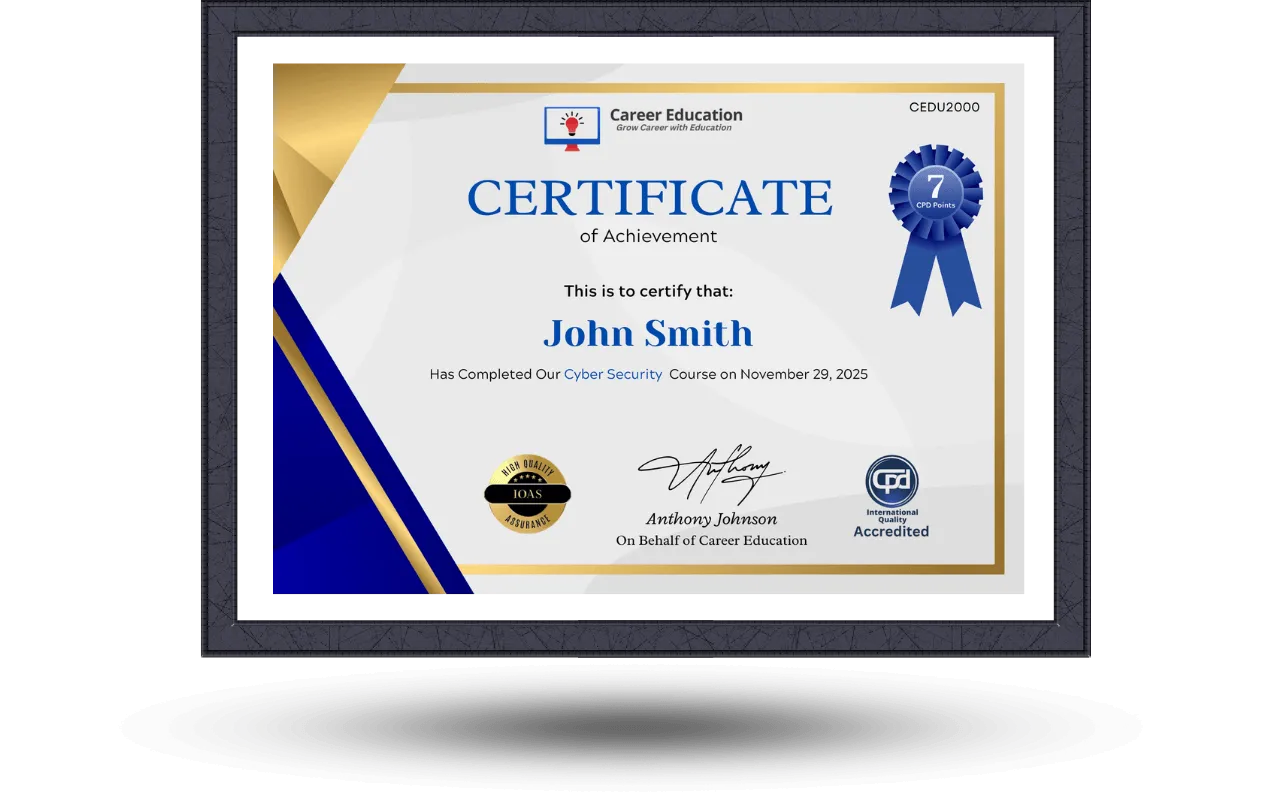
Upon completion of any course, all students are entitled to a CPD IQ Accredited e-certificate that will be issued by Career Education signifying the completion of your course.
After you complete the course and assignment, you will be eligible to order a free certificate accredited by CPD International Quality by completing the form below.
Hardcopy certificates and transcripts are also available for a small additional fee. More information is disclosed upon course completion.
Similar Courses



Frequently Asked Questions
The lifetime membership includes unlimited access to all courses, resources, and updates for a one-time fee.
You can purchase the membership directly from our website using a secure checkout process.
Yes, selected courses can be downloaded for offline access through our mobile app.
Yes, all future updates and new courses are included at no extra cost.
Yes, we offer a 30-day money-back guarantee if you are not satisfied with the membership.