
94%
OFF
OFF
Entrepreneurial Negotiation Essentials
- Lifetime Access
- All Levels
- PDF Certificate
£296
£19
14-Day Money-Back Guarantee
Learn With Confidence









Entrepreneurial Negotiation Essentials
Negotiation is an essential skill for anyone building, managing, or growing a business. Entrepreneurs negotiate every day, often in situations that directly influence revenue, costs, partnerships, customer relationships, contracts, deadlines, and long-term business opportunities. From discussing terms with suppliers to agreeing on project requirements with clients, the ability to negotiate effectively can have a significant impact on business performance.
Entrepreneurial Negotiation Essentials is a practical, outcome-focused course designed to help entrepreneurs, business owners, freelancers, consultants, managers, and aspiring professionals develop the knowledge and confidence needed to approach negotiations more strategically.
Effective negotiation is not simply about getting the lowest price or persuading another person to accept your proposal. It is about understanding interests, preparing carefully, communicating clearly, identifying opportunities, managing differences, creating value, and reaching workable agreements.
This course provides a structured introduction to the essential principles of negotiation. You will learn how to prepare before a negotiation, communicate effectively during discussions, understand different negotiation styles, create and claim value, handle difficult situations and tactics, and negotiate contracts and agreements more confidently.
Whether you are launching a new venture, managing an established business, working independently, or preparing for an important professional negotiation, Entrepreneurial Negotiation Essentials can help you develop practical skills that can be applied across a wide range of business situations.
Why Entrepreneurial Negotiation Essentials Matters
Entrepreneurs frequently find themselves negotiating without necessarily having formal negotiation training.
You may need to negotiate:
-
Prices with customers.
-
Terms with suppliers.
-
Contracts with partners.
-
Salaries or compensation.
-
Project deadlines.
-
Payment schedules.
-
Service agreements.
-
Delivery arrangements.
-
Partnership opportunities.
-
Freelance contracts.
-
Business collaborations.
-
Customer expectations.
Each negotiation presents its own challenges.
A successful entrepreneur needs to understand when to be flexible, when to stand firm, how to identify priorities, and how to protect important business interests without unnecessarily damaging professional relationships.
Entrepreneurial Negotiation Essentials helps you develop a structured approach to these situations.
By completing this course, you can learn to:
-
Prepare effectively before negotiations.
-
Define clear objectives and priorities.
-
Understand the interests of other parties.
-
Communicate proposals confidently.
-
Ask better questions.
-
Listen actively.
-
Recognise different negotiation approaches.
-
Identify opportunities to create value.
-
Make thoughtful concessions.
-
Handle difficult conversations.
-
Respond to common negotiation tactics.
-
Negotiate business terms more effectively.
-
Clarify contracts and agreements.
What You Will Learn
Module 1 – Introduction to Negotiation Skills
Lesson 1 – Introduction to Negotiation Skills
The course begins with the fundamentals of negotiation.
You will explore what negotiation means in a business environment and why it is an essential capability for entrepreneurs.
You will learn about:
-
The fundamentals of negotiation.
-
Negotiation in entrepreneurial settings.
-
Common business negotiation situations.
-
Positions and interests.
-
Goals and priorities.
-
Collaborative negotiation.
-
Competitive negotiation.
-
Win-win approaches.
-
Trust and relationships.
-
Common negotiation mistakes.
You will discover that negotiation does not always have to be confrontational.
In many business situations, both parties have different priorities but also share common interests. Understanding these interests can create opportunities for agreements that benefit everyone involved.
You will also examine the role of mindset. Approaching a negotiation with preparation, flexibility, professionalism, and confidence can make it easier to manage complex discussions.
Outcome: You will understand the fundamental principles of negotiation and recognise how effective negotiation can support entrepreneurial decision-making and business success.
Module 2 – Preparation for Negotiation
Good negotiation begins before the conversation starts.
Preparation allows you to understand what you want, what you can offer, what you are willing to compromise on, and what alternatives may be available.
This module focuses on developing an effective negotiation preparation process.
You will learn about:
-
Setting negotiation objectives.
-
Identifying priorities.
-
Understanding your interests.
-
Researching the other party.
-
Identifying alternatives.
-
Establishing boundaries.
-
Preparing supporting information.
-
Anticipating objections.
-
Identifying areas of flexibility.
-
Developing a negotiation plan.
You will learn to distinguish between your essential requirements and areas where you may be willing to compromise.
For example, an entrepreneur negotiating with a supplier may consider price important but may also place significant value on reliability, quality, delivery, or payment terms.
Understanding these priorities before the negotiation begins can help you make better decisions during the discussion.
You will also learn why understanding the other party’s likely needs and constraints can help you identify potential areas of agreement.
Outcome: You will be able to prepare for negotiations more systematically by defining objectives, priorities, alternatives, and potential areas of flexibility.
Module 3 – Communication Skills in Negotiation
Communication is central to every negotiation.
A strong proposal can lose its impact if it is communicated poorly, while effective listening can reveal opportunities that may otherwise remain hidden.
This module develops the communication skills needed for productive negotiations.
You will explore:
-
Active listening.
-
Asking effective questions.
-
Clear verbal communication.
-
Professional tone.
-
Non-verbal communication.
-
Clarifying misunderstandings.
-
Presenting proposals.
-
Communicating interests.
-
Responding to objections.
-
Summarising key points.
-
Building rapport.
-
Managing emotions.
You will learn why listening is an important part of negotiation.
Instead of immediately responding to a demand, effective negotiators seek to understand why that demand exists. A request for a lower price, for example, may reflect a budget limitation, a comparison with another supplier, or a different perception of value.
Understanding the underlying issue can create more options.
You will also learn how to communicate your own needs and proposals clearly without unnecessarily escalating disagreement.
Outcome: You will develop stronger communication skills for listening, questioning, presenting proposals, managing objections, and maintaining productive negotiation discussions.
Module 4 – Negotiation Styles and Approaches
Different negotiations require different strategies.
A negotiation involving a long-term business partner may require a different approach from a one-time transaction. Likewise, resolving a disagreement with a customer may require a different strategy from negotiating a supplier contract.
This module explores different negotiation styles and approaches.
You will learn about:
-
Competitive negotiation.
-
Collaborative negotiation.
-
Compromise.
-
Accommodation.
-
Avoidance.
-
Problem-solving.
-
Interest-based negotiation.
-
Relationship-focused negotiation.
-
Adaptive negotiation.
-
Choosing an appropriate approach.
You will explore the strengths and limitations of different styles.
A highly competitive approach may sometimes help protect an important position, but using it in every situation could damage valuable long-term relationships.
Likewise, always compromising may create agreements but could result in unnecessary concessions.
The goal is to develop flexibility and situational awareness.
You will learn to consider factors such as the importance of the issue, the value of the relationship, available alternatives, time constraints, and long-term business objectives.
Outcome: You will understand different negotiation styles and learn how to choose and adapt an approach based on the situation and desired outcome.
Module 5 – Creating and Claiming Value
Negotiation is not always about dividing a fixed amount of value.
In many business situations, there are opportunities to create additional value by understanding the different priorities of the parties involved.
This module introduces the concepts of creating and claiming value.
You will explore:
-
Creating value through collaboration.
-
Identifying shared interests.
-
Understanding underlying needs.
-
Expanding available options.
-
Making strategic trade-offs.
-
Negotiating across different priorities.
-
Making appropriate concessions.
-
Protecting important interests.
-
Claiming value.
-
Creating mutually beneficial agreements.
You will learn how different priorities can create opportunities.
For example, one party may value faster delivery while another values lower cost. Recognising this difference may allow the parties to explore an arrangement that addresses both concerns.
You will also learn that creating value does not mean sacrificing your own interests.
Effective negotiation involves finding ways to expand possibilities while still protecting the priorities that matter most to your business.
Outcome: You will learn how to identify opportunities for mutual value while protecting important business interests and negotiating more balanced outcomes.
Module 6 – Handling Difficult Situations and Tactics
Business negotiations are not always straightforward.
You may encounter aggressive communication, unreasonable demands, delays, emotional reactions, pressure, ultimatums, or other challenging behaviours.
This module prepares you to manage difficult negotiation situations more effectively.
You will learn about:
-
Handling difficult conversations.
-
Managing objections.
-
Responding to pressure.
-
Recognising negotiation tactics.
-
Managing emotional reactions.
-
Dealing with unrealistic demands.
-
Handling time pressure.
-
Managing silence.
-
Responding to ultimatums.
-
Remaining professional.
-
Knowing when to pause.
-
Knowing when to walk away.
You will explore the importance of maintaining control over your own responses.
A highly emotional or impulsive reaction can make an already difficult negotiation more complicated. A calm and structured response allows you to assess the situation and choose an appropriate course of action.
You will also develop greater awareness of common tactics that may be used to influence negotiations.
The goal is not to manipulate others but to recognise potentially challenging behaviours and respond professionally.
Outcome: You will develop practical strategies for managing difficult negotiations, responding to pressure, and maintaining professionalism when faced with challenging tactics.
Module 7 – Negotiating Contracts and Agreements
Many business negotiations eventually result in a formal contract or agreement.
Reaching a verbal understanding is only part of the process. Important terms should be clearly defined and documented so that everyone understands their responsibilities and expectations.
This module focuses on negotiating contracts and agreements.
You will learn about:
-
Contract negotiation fundamentals.
-
Defining responsibilities.
-
Pricing and payment terms.
-
Deliverables.
-
Deadlines.
-
Performance expectations.
-
Changes and revisions.
-
Dispute considerations.
-
Termination provisions.
-
Clarifying contractual terms.
-
Documenting agreements.
-
Reviewing negotiated outcomes.
You will explore why clear language and well-defined expectations matter.
Ambiguity can lead to disagreements later, particularly when parties have different interpretations of what was agreed.
The course encourages learners to ensure that key negotiation outcomes are accurately reflected in written agreements and to seek appropriate professional or legal advice when necessary.
Outcome: You will understand the fundamental considerations involved in negotiating business contracts and learn how to translate negotiation outcomes into clearer agreements.
Practical Skills You Can Develop
Entrepreneurial Negotiation Essentials is designed around practical business outcomes.
After completing the course, you can develop the ability to:
Prepare Strategically
Create a negotiation plan based on objectives, priorities, information, alternatives, and potential areas of flexibility.
Communicate Clearly
Present your position, proposals, concerns, and expectations in a professional and understandable manner.
Listen Actively
Identify the interests and concerns behind another party’s stated position through effective listening and questioning.
Adapt Your Approach
Recognise different negotiation styles and adjust your strategy according to the situation.
Create Value
Identify opportunities for trade-offs and mutually beneficial solutions rather than focusing only on fixed positions.
Protect Your Interests
Understand when to make concessions and when to protect important business priorities.
Manage Difficult Negotiations
Remain calm and professional when dealing with pressure, objections, disagreements, or challenging tactics.
Negotiate Agreements
Develop greater awareness of the important terms that may need to be discussed and clarified during contract negotiations.
Who Is This Course For?
Entrepreneurial Negotiation Essentials is suitable for anyone who needs to negotiate in business or professional settings.
It can benefit:
-
Entrepreneurs.
-
Startup founders.
-
Small business owners.
-
Freelancers.
-
Consultants.
-
Business development professionals.
-
Sales professionals.
-
Managers.
-
Team leaders.
-
Procurement professionals.
-
Project managers.
-
Account managers.
-
Partnership managers.
-
Aspiring entrepreneurs.
The course is also useful for professionals who already negotiate regularly but want a more structured framework for preparing and managing important discussions.
Improve Business Conversations
Negotiation skills can improve more than the final outcome of a deal.
They can also improve the quality of business conversations.
When you prepare carefully, ask thoughtful questions, listen actively, and communicate clearly, you can often understand problems more effectively and identify solutions that might otherwise be missed.
This can be particularly valuable for entrepreneurs who regularly work with customers, suppliers, employees, contractors, partners, and other stakeholders.
Build Better Business Relationships
Successful negotiation is not simply about achieving favourable terms.
Relationships also matter.
An entrepreneur may achieve an excellent short-term result but create problems if the other party feels ignored, pressured, or treated unfairly.
Entrepreneurial Negotiation Essentials encourages a balanced approach that considers both business objectives and professional relationships.
You will learn how to:
-
Identify shared interests.
-
Communicate respectfully.
-
Make thoughtful concessions.
-
Protect important priorities.
-
Create mutual value.
-
Maintain professionalism.
-
Develop sustainable agreements.
This can help make negotiations more productive while supporting long-term business relationships.
Become More Confident in Negotiation
Confidence comes from preparation and understanding.
You do not need to become an aggressive negotiator to become effective.
Instead, you can develop confidence by knowing:
-
What you want.
-
Why you want it.
-
What matters most.
-
Where you have flexibility.
-
What alternatives exist.
-
What the other party may need.
-
How you will respond to objections.
-
When you should make concessions.
-
When you should reconsider the deal.
With a structured approach, negotiations can become less intimidating and more manageable.
Apply Negotiation Skills Across Your Business
The knowledge gained from Entrepreneurial Negotiation Essentials can be applied to numerous situations, including:
-
Customer negotiations.
-
Supplier discussions.
-
Partnership agreements.
-
Service contracts.
-
Freelance projects.
-
Payment negotiations.
-
Delivery arrangements.
-
Employment discussions.
-
Business collaborations.
-
Contract renewals.
-
Conflict resolution.
-
Pricing discussions.
These skills are transferable because negotiation is present in almost every area of business.
Why Choose Entrepreneurial Negotiation Essentials?
The course follows a logical progression from fundamental concepts to practical business negotiations.
The curriculum covers:
-
Introduction to negotiation skills.
-
Preparation for negotiation.
-
Communication skills in negotiation.
-
Negotiation styles and approaches.
-
Creating and claiming value.
-
Handling difficult situations and tactics.
-
Negotiating contracts and agreements.
This structure helps learners understand the entire negotiation process rather than focusing on isolated techniques.
You will learn how to prepare before a negotiation, communicate during the discussion, adapt your approach, create and protect value, manage difficult situations, and move towards clearer agreements.
Start Developing Your Negotiation Skills Today
Negotiation is an essential entrepreneurial capability.
Every discussion about price, terms, responsibilities, deadlines, partnerships, contracts, or expectations can present an opportunity to apply negotiation skills.
Entrepreneurial Negotiation Essentials provides a practical foundation for approaching these situations with greater preparation, confidence, and strategic awareness.
Whether you are negotiating with your first customer, discussing terms with a supplier, establishing a partnership, managing a disagreement, or reviewing an important contract, the principles covered in this course can help you approach negotiations more effectively.
Enrol in Entrepreneurial Negotiation Essentials today and develop the skills to prepare strategically, communicate confidently, recognise negotiation styles, create mutual value, handle difficult situations, protect your business interests, and negotiate clearer, more effective business agreements.
Course Modules
Course Content
Module 1_ Introduction to Negotiation Skills
-
Lesson 1_ Introduction to Negotiation Skills
Module 2_ Preparation for Negotiation
Module 3_ Communication Skills in Negotiation
Module 4_ Negotiation Styles and Approaches
Module 5_ Creating and Claiming Value
Module 6_ Handling Difficult Situations and Tactics
Module 7_ Negotiating Contracts and Agreements
What our students say
Excellent
4.9 average
158 Reviews

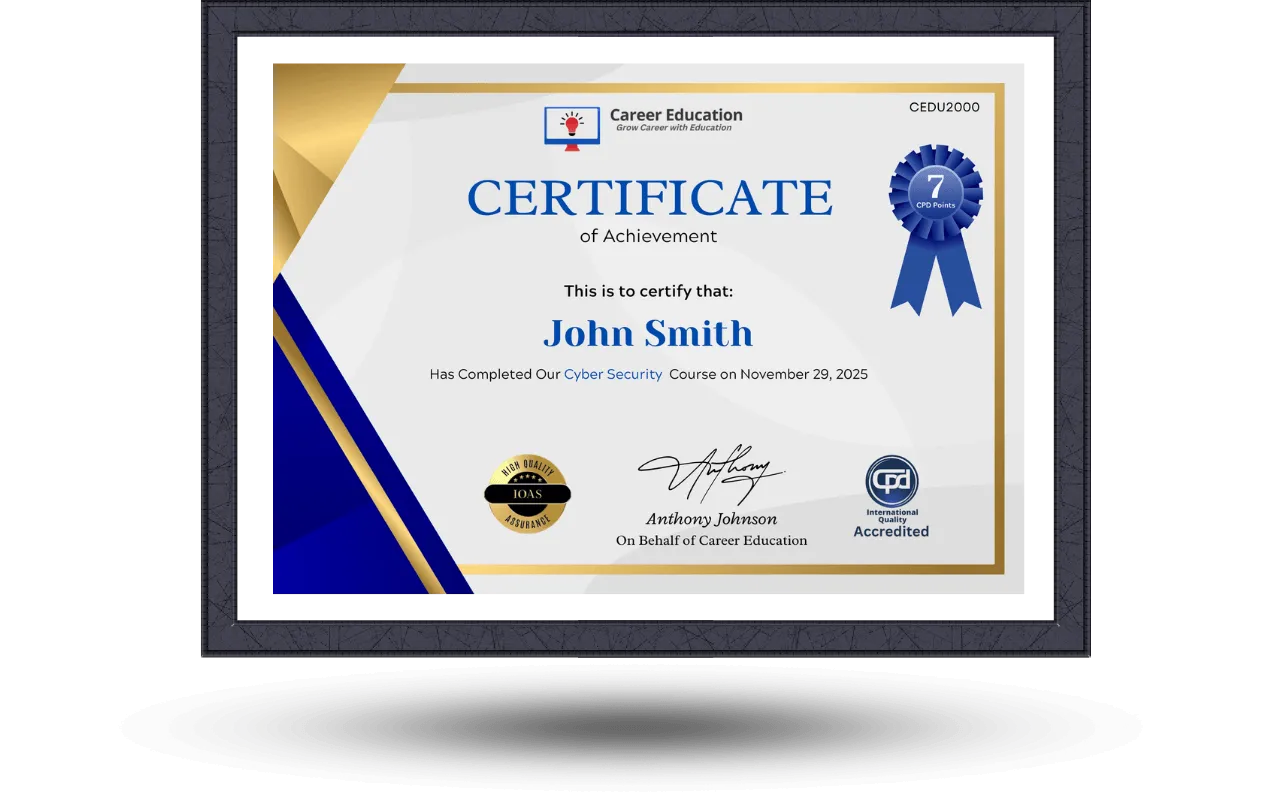
Earn an Accredited Certificate
Upon completion of any course, all students are entitled to a CPD IQ Accredited e-certificate that will be issued by Career Education signifying the completion of your course.
After you complete the course and assignment, you will be eligible to order a free certificate accredited by CPD International Quality by completing the form below.
Hardcopy certificates and transcripts are also available for a small additional fee. More information is disclosed upon course completion.
Similar Courses


Frequently Asked Questions
The lifetime membership includes unlimited access to all courses, resources, and updates for a one-time fee.
You can purchase the membership directly from our website using a secure checkout process.
Yes, selected courses can be downloaded for offline access through our mobile app.
Yes, all future updates and new courses are included at no extra cost.
Yes, we offer a 30-day money-back guarantee if you are not satisfied with the membership.