
94%
OFF
OFF
Fitness for Life Balance and Wellbeing
- Lifetime Access
- All Levels
- PDF Certificate
£296
£19
14-Day Money-Back Guarantee
Learn With Confidence








Fitness for Life Balance and Wellbeing
Overview
Modern lifestyles often involve demanding work schedules, personal responsibilities, digital distractions, and increasing levels of stress. Maintaining physical fitness while achieving a sense of balance and wellbeing can be challenging without the right knowledge, strategies, and practical tools. The Fitness for Life Balance and Wellbeing course is designed to help learners understand how fitness can become a powerful foundation for creating a healthier, more balanced, and fulfilling lifestyle.
This outcome-focused course explores the relationship between movement, wellbeing, time management, stress control, and sustainable lifestyle habits. Learners will discover how to assess their current routines, identify areas for improvement, and develop personalised approaches to fitness that support both physical and mental wellbeing.
Through practical guidance and evidence-informed strategies, the Fitness for Life Balance and Wellbeing course empowers participants to create realistic fitness routines, manage their time more effectively, reduce stress, and integrate healthy habits into everyday life. Whether learners want to improve their personal wellbeing, support others in achieving healthier lifestyles, or enhance their understanding of balanced living, this course provides valuable knowledge and actionable techniques.
By completing this course, learners will gain the confidence and skills needed to build a sustainable approach to fitness that supports long-term health, productivity, and overall quality of life.
Course Description
The Fitness for Life Balance and Wellbeing course provides a comprehensive introduction to the connection between physical activity, lifestyle balance, and personal wellbeing. Rather than focusing only on exercise performance, this course explores fitness as part of a complete lifestyle approach that includes emotional health, stress management, daily routines, and effective time planning.
Learners will explore how maintaining balance between work, personal commitments, rest, exercise, and self-care can contribute to improved energy levels, better mood, and enhanced overall wellbeing. The course provides practical strategies to help individuals overcome common barriers to fitness, including lack of time, inconsistent motivation, and difficulty maintaining healthy habits.
Throughout the course, learners will examine their current lifestyle patterns and develop personalised strategies for creating a more balanced approach to fitness. They will learn how to design achievable fitness routines, manage their schedules effectively, and make movement a natural part of everyday life.
The Fitness for Life Balance and Wellbeing course is suitable for anyone looking to improve their lifestyle habits, increase their understanding of holistic wellbeing, and develop practical skills for achieving long-term balance. It supports individuals who want to take a proactive approach to their health and create positive changes that can be maintained over time.
By the end of the course, learners will understand how fitness contributes to life balance and wellbeing and will have the tools needed to create a healthier, more organised, and more fulfilling lifestyle.
Course Curriculum
Module 1: Introduction to Fitness and Life Balance
The first module introduces the fundamental principles of Fitness for Life Balance and Wellbeing and explores why fitness is an essential part of achieving a balanced lifestyle. Learners will examine the connection between physical activity, mental wellbeing, emotional resilience, and daily functioning.
This module explains how fitness extends beyond physical appearance or athletic ability. Learners will discover how regular movement can support energy, confidence, focus, sleep quality, and overall wellbeing. The module also explores the importance of creating realistic fitness goals that align with personal lifestyles, priorities, and individual needs.
Learners will develop an understanding of:
-
The relationship between fitness and balanced living
-
The importance of physical activity for overall wellbeing
-
How lifestyle choices influence health and energy levels
-
The role of fitness in improving confidence and motivation
-
Principles of sustainable and realistic fitness habits
By completing this module, learners will understand the importance of integrating fitness into a wider approach to life balance and wellbeing.
Module 2: Assessing Current Life Balance
Achieving better balance begins with understanding current habits, routines, and lifestyle patterns. This module focuses on helping learners evaluate their existing levels of balance and identify areas where improvements can be made.
Learners will explore different aspects of life that influence wellbeing, including physical activity, nutrition, rest, work responsibilities, relationships, and personal time. Through self-assessment techniques, learners will identify strengths, challenges, and opportunities for positive change.
This module encourages learners to reflect on their current lifestyle and develop greater awareness of how daily choices affect their overall wellbeing.
Learners will learn how to:
-
Evaluate their current fitness and lifestyle habits
-
Identify barriers preventing balanced living
-
Recognise areas requiring improvement
-
Set meaningful and achievable wellbeing goals
-
Create a personal action plan for improved balance
By the end of this module, learners will have a clearer understanding of their current lifestyle and the steps needed to move towards greater balance and wellbeing.
Module 3: Creating a Balanced Fitness Routine
A successful fitness routine should be realistic, enjoyable, and sustainable. This module focuses on helping learners develop balanced fitness plans that fit their individual lifestyles and long-term goals.
Learners will explore different types of exercise and understand how combining various forms of movement can support overall health. The module highlights the importance of flexibility, consistency, and adaptability when creating a fitness routine.
Rather than relying on short-term approaches, learners will discover how to build habits that support lifelong wellbeing.
This module covers:
-
Creating personalised fitness routines
-
Understanding different types of physical activity
-
Balancing exercise intensity and recovery
-
Building consistency and motivation
-
Adapting fitness plans to changing circumstances
By completing this module, learners will have the knowledge and confidence to create a balanced fitness routine that supports their physical and emotional wellbeing.
Module 4: Time Management for Balanced Living
One of the biggest challenges people face when maintaining fitness is finding enough time for healthy activities. This module explores practical time management strategies that allow learners to prioritise fitness while managing other responsibilities.
Learners will discover how effective planning, organisation, and prioritisation can help create space for exercise, relaxation, and self-care. The module focuses on developing realistic routines that support productivity while protecting personal wellbeing.
Learners will explore:
-
The connection between time management and wellbeing
-
How to prioritise health within a busy schedule
-
Strategies for planning fitness activities
-
Overcoming common time-related barriers
-
Creating daily and weekly routines that support balance
By the end of this module, learners will understand how to manage their time more effectively and create opportunities for fitness and wellbeing within everyday life.
Module 5: Integrating Fitness into Daily Life
Fitness becomes more sustainable when it becomes part of everyday living rather than an occasional activity. This module focuses on practical methods for incorporating movement and healthy habits into daily routines.
Learners will explore how small, consistent lifestyle changes can create meaningful improvements over time. The module encourages learners to find enjoyable ways to stay active and develop habits that support long-term wellbeing.
This module explores:
-
Making fitness a natural part of daily routines
-
Creating healthy lifestyle habits
-
Increasing daily movement opportunities
-
Maintaining motivation and commitment
-
Building a positive relationship with fitness
Learners will gain practical strategies for making fitness accessible and achievable, regardless of their current lifestyle or fitness level.
Module 6: Stress Management for Life Balance
Stress can significantly affect physical health, emotional wellbeing, motivation, and lifestyle choices. This module explores the relationship between fitness, stress management, and maintaining a balanced life.
Learners will discover how physical activity can support stress reduction and emotional resilience. The module also introduces practical approaches for managing daily pressures and creating healthier responses to stress.
Learners will understand:
-
The impact of stress on health and wellbeing
-
How exercise supports emotional balance
-
Techniques for relaxation and stress reduction
-
The importance of recovery and self-care
-
Building resilience through healthy lifestyle choices
By completing this module, learners will have practical tools to manage stress more effectively and maintain greater balance in their personal and professional lives.
Who Is This Course For?
The Fitness for Life Balance and Wellbeing course is suitable for anyone who wants to develop healthier lifestyle habits and improve their understanding of balanced living.
This course is ideal for:
-
Individuals looking to improve their physical and mental wellbeing
-
Professionals seeking better work-life balance
-
Fitness enthusiasts wanting a more holistic approach
-
Wellness coaches and lifestyle support professionals
-
People looking to create sustainable fitness habits
-
Anyone interested in personal development and healthier living
Whether learners are starting their fitness journey or looking to improve their existing routines, this course provides practical knowledge that can be applied immediately.
Requirements
No previous fitness qualifications or specialist knowledge are required to complete the Fitness for Life Balance and Wellbeing course.
Learners simply need:
-
An interest in fitness, health, and wellbeing
-
A willingness to reflect on personal habits
-
Motivation to develop healthier lifestyle choices
-
Access to a learning environment and study materials
The course is designed for beginners and individuals at different stages of their wellbeing journey.
Career Path
Completing the Fitness for Life Balance and Wellbeing course can support personal growth and provide valuable knowledge for individuals interested in health, fitness, and wellbeing-related fields.
The skills gained through this course may benefit careers and roles such as:
-
Fitness and wellbeing support roles
-
Lifestyle coaching
-
Wellness education
-
Health promotion
-
Personal development coaching
-
Workplace wellbeing support
The course can also enhance existing professional knowledge for those working in areas where supporting healthy lifestyles and wellbeing is important.
Most importantly, learners will gain practical strategies to improve their own quality of life by creating a healthier relationship with fitness, time management, and personal wellbeing.
Frequently Asked Questions
1. What is the Fitness for Life Balance and Wellbeing course about?
The Fitness for Life Balance and Wellbeing course focuses on helping learners understand how fitness, healthy habits, time management, and stress management contribute to a balanced lifestyle. It provides practical strategies for creating sustainable wellbeing routines.
2. Who can enrol on this course?
Anyone interested in improving their lifestyle balance and wellbeing can enrol. The course is suitable for beginners, fitness enthusiasts, professionals, and individuals looking to develop healthier daily habits.
3. Do I need previous fitness experience?
No. The course is designed for learners of all experience levels and does not require previous fitness qualifications.
4. What will I learn from this course?
Learners will learn how to assess their current lifestyle balance, create effective fitness routines, manage their time, integrate fitness into daily life, and use stress management techniques to support overall wellbeing.
5. Will I receive a certificate after completing the course?
Yes, learners who successfully complete the course will receive a certificate that demonstrates their knowledge and understanding of Fitness for Life Balance and Wellbeing principles.
6. How can this course support my personal wellbeing?
The course provides practical tools and strategies that can help learners develop healthier routines, improve consistency, manage stress, and create a more balanced approach to fitness and everyday life.
Course Modules
Course Content
Module 1_ Introduction to Fitness and Life Balance
-
Lesson 1_ Introduction to Fitness and Life Balance
Module 2_ Assessing Current Life Balance
Module 3_ Creating a Balanced Fitness Routine
Module 4_ Time Management for Balanced Living
Module 5_ Integrating Fitness into Daily Life
Module 6_ Stress Management for Life Balance
What our students say
Excellent
4.9 average
158 Reviews

Earn an Accredited Certificate
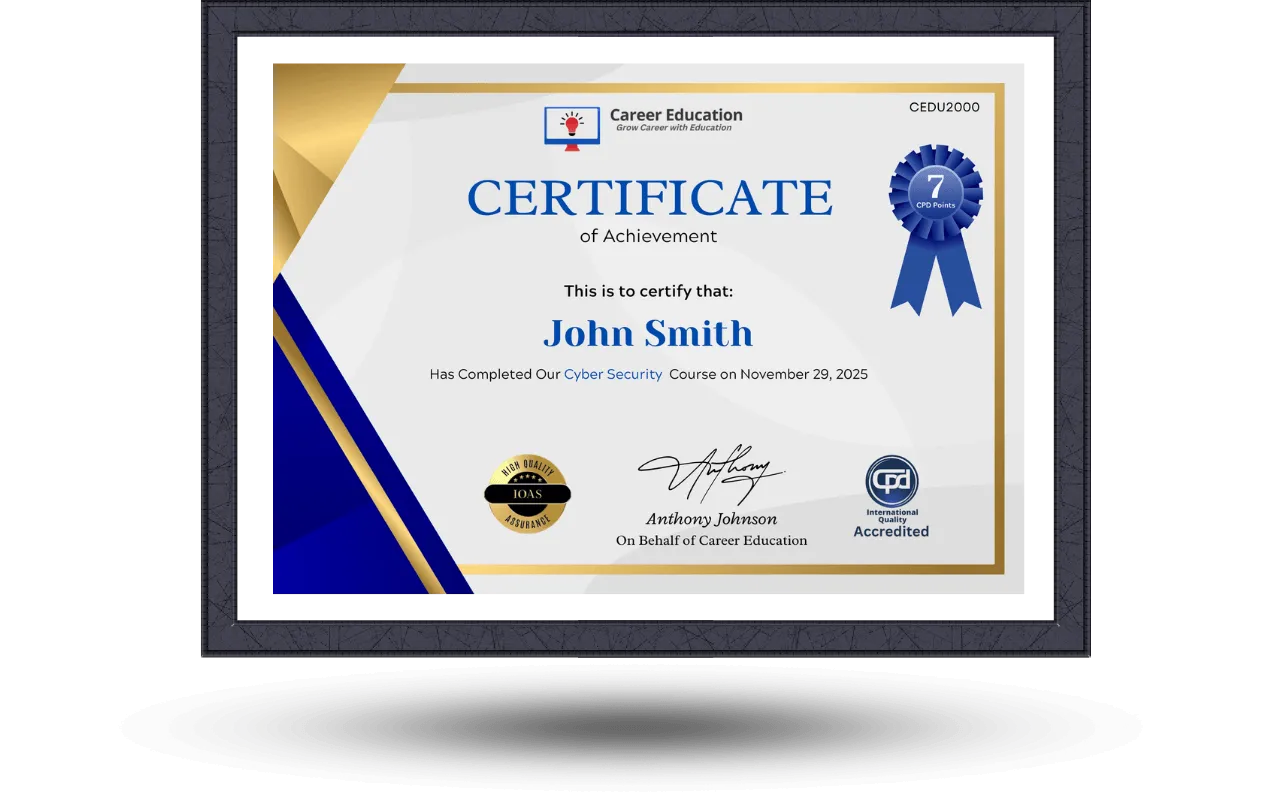
Upon completion of any course, all students are entitled to a CPD IQ Accredited e-certificate that will be issued by Career Education signifying the completion of your course.
After you complete the course and assignment, you will be eligible to order a free certificate accredited by CPD International Quality by completing the form below.
Hardcopy certificates and transcripts are also available for a small additional fee. More information is disclosed upon course completion.
Similar Courses


Frequently Asked Questions
The lifetime membership includes unlimited access to all courses, resources, and updates for a one-time fee.
You can purchase the membership directly from our website using a secure checkout process.
Yes, selected courses can be downloaded for offline access through our mobile app.
Yes, all future updates and new courses are included at no extra cost.
Yes, we offer a 30-day money-back guarantee if you are not satisfied with the membership.