
94%
OFF
OFF
GHS Container Labelling Essentials
- Lifetime Access
- All Levels
- PDF Certificate
£296
£19
14-Day Money-Back Guarantee
Learn With Confidence







# GHS Container Labelling Essentials
Clear and accurate chemical labelling is a fundamental part of workplace safety. Employees who work with hazardous substances need to know what a chemical is, what hazards it presents, and what precautions should be taken before handling, using, storing, or transporting it. When containers are incorrectly labelled, damaged, or unidentified, workers may be exposed to unnecessary risks.
**GHS Container Labelling Essentials** is a practical, outcome-focused course designed to help learners understand the principles of the Globally Harmonized System of Classification and Labelling of Chemicals (GHS) and apply that knowledge when working with chemical containers.
The course provides a structured introduction to GHS container labels, including label elements, hazard classification, pictograms, signal words, hazard statements, precautionary statements, and labelling requirements for specific chemicals.
Whether you work in manufacturing, construction, laboratories, warehouses, maintenance, healthcare, cleaning, facilities management, or another environment where hazardous chemicals are present, **GHS Container Labelling Essentials** can help you develop the knowledge needed to recognise chemical hazards and interpret important label information.
—
## Why GHS Container Labelling Essentials Matters
Chemical containers can contain substances that present physical, health, or environmental hazards. A container may hold a flammable solvent, corrosive chemical, toxic substance, oxidising material, compressed gas, or another hazardous product.
Workers need reliable information before using these substances.
A well-designed GHS label can provide critical information such as:
* The identity of the chemical
* The hazards associated with the product
* Hazard pictograms
* Signal words
* Hazard statements
* Precautionary statements
* Supplier information
Understanding this information can help workers make more informed safety decisions.
**GHS Container Labelling Essentials** focuses on helping learners understand what these label elements mean and how they work together to communicate chemical hazards.
—
# What You Will Learn
By completing the **GHS Container Labelling Essentials** course, learners will be able to:
* Explain the purpose of GHS container labelling.
* Understand the role of GHS in chemical hazard communication.
* Identify the major elements of a GHS label.
* Understand basic chemical hazard classifications.
* Recognise and interpret common GHS pictograms.
* Understand the purpose of signal words.
* Interpret hazard statements.
* Understand precautionary statements.
* Recognise potential chemical labelling problems.
* Understand why specific chemicals may require particular labelling considerations.
* Use label information to support safer chemical handling.
* Improve workplace awareness of chemical hazards.
—
# Course Curriculum
## Module 1: Introduction to GHS Container Labels
### Lesson 1: Introduction to GHS Container Labels
The course begins with an introduction to GHS container labels and their role in workplace hazard communication.
Learners will explore why chemical products need appropriate identification and why labels are an important first source of safety information.
The module introduces the basic purpose of the Globally Harmonized System and explains how GHS provides a consistent framework for communicating chemical hazards.
Participants will become familiar with concepts such as:
* Hazard classification
* Chemical labels
* Pictograms
* Signal words
* Hazard statements
* Precautionary statements
The module also explains why workers should read a chemical label before using a product, even if they have used the same or a similar product before.
Chemical hazards can vary significantly between products that appear similar.
Learners will also understand the relationship between container labels and other hazard communication resources, particularly Safety Data Sheets.
Labels provide important information directly on the container, while SDSs provide more detailed information about the product, hazards, handling, emergency measures, and other safety considerations.
By completing this module, learners will understand the purpose of GHS container labels and why accurate labelling is an essential part of chemical safety.
—
# Module 2: GHS Label Elements
A GHS label contains several important elements that work together to communicate chemical hazards.
This module examines these elements in greater detail.
Learners will explore key components such as:
* Product identifier
* Supplier information
* Hazard pictograms
* Signal words
* Hazard statements
* Precautionary statements
The product identifier helps workers confirm what substance or product is inside the container.
Pictograms provide visual information about the types of hazards associated with the product.
Signal words communicate the relative severity of a classified hazard.
Hazard statements describe the nature of the hazard.
Precautionary statements provide information about recommended measures intended to prevent or reduce harm.
The module explains how these elements complement each other.
For example, a pictogram may immediately alert a worker to a potential hazard, while the accompanying hazard and precautionary statements provide additional detail.
Learners will also explore the importance of ensuring that label information remains clear and readable.
Damaged, missing, or unclear labels can create uncertainty and should be addressed according to appropriate workplace procedures.
By completing this module, participants will have a clearer understanding of the information they should expect to see on a GHS chemical label.
—
# Module 3: Hazard Classification
Chemical hazard classification provides the foundation for determining how hazards should be communicated.
This module introduces the main categories of hazards covered by the GHS framework.
### Physical Hazards
These can include:
* Flammable substances
* Explosives
* Oxidising materials
* Gases under pressure
* Self-reactive substances
* Corrosive substances to metals
### Health Hazards
These can include:
* Acute toxicity
* Skin corrosion or irritation
* Serious eye damage or irritation
* Respiratory or skin sensitisation
* Carcinogenicity
* Reproductive toxicity
* Specific target organ toxicity
### Environmental Hazards
Certain substances may also present environmental hazards and require appropriate precautions to minimise releases.
Learners will explore why hazard classification matters.
The classification of a chemical can influence which pictograms, signal words, hazard statements, and precautionary statements appear on its label.
The module also reinforces the importance of not relying on appearance, odour, familiarity, or previous experience when assessing a chemical.
A chemical that looks harmless may still present significant hazards.
By completing this module, learners will better understand the connection between hazard classification and the information displayed on a GHS container label.
—
# Module 4: Pictogram Interpretation
GHS pictograms provide visual warnings that can help workers identify chemical hazards quickly.
This module focuses on interpreting common GHS pictograms and understanding the types of hazards they represent.
Learners will explore pictograms associated with hazards such as:
* Explosives
* Flammable materials
* Oxidisers
* Gases under pressure
* Corrosive substances
* Acute toxicity
* Serious health hazards
* Irritation and sensitisation
* Environmental hazards
The module explains why pictograms are valuable in workplaces where employees may need to identify hazards quickly.
However, learners will also understand that pictograms should not be interpreted in isolation.
A complete understanding of a chemical’s hazards requires consideration of the full label and, where necessary, the relevant SDS and workplace procedures.
Participants will learn to look beyond the symbol and review the associated signal word, hazard statements, and precautionary statements.
The course also encourages workers to report labels that are damaged, illegible, missing, or inconsistent with the product.
By completing this module, learners will become more confident in recognising and interpreting GHS pictograms.
—
# Module 5: Signal Words and Hazard Statements
Signal words and hazard statements provide important information about the nature and severity of chemical hazards.
This module explores how these elements communicate risk.
Learners will examine the purpose of signal words and understand how they indicate the relative level of hazard associated with a classified chemical.
The module also explores hazard statements and how they describe specific hazards.
These statements can communicate risks relating to:
* Fire
* Explosion
* Toxicity
* Skin damage
* Eye damage
* Irritation
* Sensitisation
* Long-term health effects
* Other classified hazards
Learners will understand why signal words and hazard statements should be considered alongside pictograms and precautionary statements.
The course encourages participants to make label review part of their routine chemical safety practices.
Before using an unfamiliar chemical, workers should take the time to understand what the label communicates and follow appropriate workplace procedures.
By completing this module, learners will be better prepared to interpret signal words and hazard statements and understand their significance.
—
# Module 6: Precautionary Statements
Hazard identification is only one part of chemical safety.
Workers also need to understand how to reduce exposure and respond appropriately when hazards are present.
This module focuses on GHS precautionary statements.
Learners will explore precautionary information relating to areas such as:
* Prevention
* Response
* Storage
* Disposal
Participants will learn how precautionary statements can communicate important actions intended to reduce risk.
These may involve considerations such as:
* Using appropriate protective equipment
* Preventing exposure
* Keeping chemicals away from ignition sources
* Maintaining appropriate ventilation
* Following storage requirements
* Preventing environmental release
* Responding appropriately to exposure or spills
The module emphasises that precautionary statements should be considered together with the full label, SDS information, risk assessment, workplace procedures, and applicable safety requirements.
Learners will also understand that PPE is only one component of effective chemical risk management and should be selected according to the hazards and established workplace controls.
By completing this module, participants will understand how precautionary statements support safer chemical handling and workplace decision-making.
—
# Module 7: Labelling Requirements for Specific Chemicals
Different chemicals can present different hazards and may therefore require specific labelling considerations.
This module brings together the concepts covered throughout the course and explores the importance of applying appropriate labelling practices to particular chemical products.
Learners will consider how factors such as chemical classification, product composition, intended use, and applicable requirements can influence label information.
The module also addresses practical workplace situations involving chemical containers.
These may include:
* New chemical products
* Transferred substances
* Secondary containers
* Temporary storage
* Damaged labels
* Unidentified containers
* Multiple chemical products
* Workplace-specific labelling practices
Participants will learn why chemicals should not be used when the identity or hazard information is unknown.
The module also reinforces the importance of following applicable procedures when transferring chemicals from one container to another.
Learners will understand that labelling practices should be consistent with applicable regulations, manufacturer or supplier information, workplace procedures, and the specific characteristics of the chemical.
By completing this module, participants will be better prepared to recognise the importance of appropriate labelling for different chemical products.
—
# Who Is This Course For?
**GHS Container Labelling Essentials** is suitable for individuals who work with, handle, store, or may encounter hazardous chemicals.
The course can benefit:
* Laboratory workers
* Construction workers
* Manufacturing employees
* Warehouse personnel
* Maintenance workers
* Cleaning professionals
* Facilities staff
* Chemical handlers
* Supervisors
* Team leaders
* Safety representatives
* Health and safety personnel
* New employees working with chemical products
It can also be valuable for organisations seeking to improve employee awareness of chemical labels and GHS hazard communication.
—
# Practical Learning Outcomes
The course is designed to help learners apply their knowledge to everyday workplace situations.
After completing **GHS Container Labelling Essentials**, participants will be better prepared to:
### Identify Chemical Products
Use product identifiers and label information to confirm the identity of chemical products.
### Recognise Hazards
Understand how GHS classification communicates physical, health, and environmental hazards.
### Interpret Pictograms
Recognise common GHS symbols and understand the hazards they represent.
### Understand Signal Words
Recognise the role of signal words in communicating the relative severity of classified hazards.
### Interpret Hazard Statements
Understand the information provided through hazard statements.
### Apply Precautionary Information
Recognise recommended measures intended to help prevent or reduce exposure and harm.
### Identify Labelling Problems
Recognise missing, damaged, illegible, or potentially incorrect labels and follow appropriate workplace procedures.
—
# Improve Chemical Hazard Awareness
Chemical safety begins with knowing what you are working with.
A clear GHS container label can provide important information before a worker opens a container, starts a task, or moves a chemical to another location.
**GHS Container Labelling Essentials** helps learners develop the knowledge required to interpret that information.
—
# Support Safer Workplace Practices
Understanding GHS labels can help employees make better-informed decisions about chemical handling, storage, and use.
The course reinforces the importance of checking labels, following precautions, and using workplace safety information before starting chemical-related tasks.
—
# Strengthen Hazard Communication
Labels are an important part of a broader hazard communication system.
By understanding how pictograms, signal words, hazard statements, and precautionary statements work together, learners can become more confident in interpreting chemical safety information.
—
# Promote Better Chemical Handling
Workers who understand the hazards associated with a chemical can take appropriate steps to reduce risk.
This course helps build awareness that supports safer handling practices while reinforcing the need to follow workplace-specific controls and procedures.
—
# Enrol in GHS Container Labelling Essentials Today
Hazardous chemicals can present serious risks when they are misunderstood, incorrectly identified, or handled without appropriate precautions. Clear labelling helps provide workers with essential information at the point where chemicals are stored and used.
**GHS Container Labelling Essentials** provides a practical foundation in GHS container labelling and chemical hazard communication.
Across seven focused modules, learners explore GHS label elements, hazard classification, pictograms, signal words, hazard statements, precautionary statements, and labelling considerations for specific chemicals.
The course is designed to complement workplace-specific policies, risk assessments, Safety Data Sheets, employee training, manufacturer instructions, emergency procedures, and applicable legal or regulatory requirements. Exact labelling requirements can vary depending on jurisdiction, product, workplace, and application, so learners should always follow the current requirements applicable to their environment.
Whether you are new to chemical safety or want to strengthen your existing knowledge, **GHS Container Labelling Essentials** can help you become more confident when reading and interpreting chemical container labels.
**Enrol in GHS Container Labelling Essentials today and develop the knowledge to identify chemical hazards, interpret GHS label elements, understand pictograms and hazard statements, apply precautionary information, and support safer chemical practices in the workplace.**
Course Modules
Course Content
Module 1_ Introduction to GHS Container Labels
-
Lesson 1_ Introduction to GHS Container Labels
Module 2_ GHS Label Elements
Module 3_ Hazard Classification
Module 4_ Pictogram Interpretation
Module 5_ Signal Words and Hazard Statements
Module 6_ Precautionary Statements
Module 7_ Labeling Requirements for Specific Chemicals
What our students say
Excellent
4.9 average
158 Reviews

Earn an Accredited Certificate
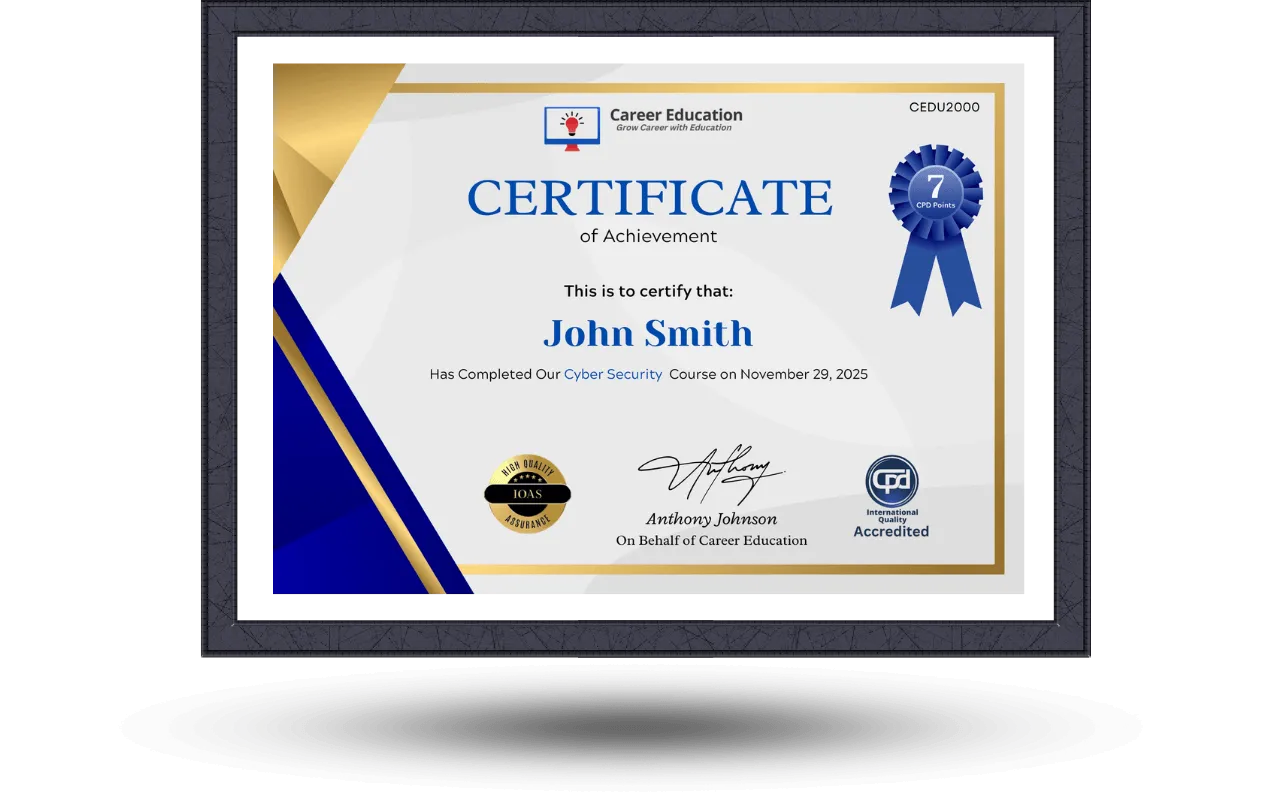
Upon completion of any course, all students are entitled to a CPD IQ Accredited e-certificate that will be issued by Career Education signifying the completion of your course.
After you complete the course and assignment, you will be eligible to order a free certificate accredited by CPD International Quality by completing the form below.
Hardcopy certificates and transcripts are also available for a small additional fee. More information is disclosed upon course completion.
Similar Courses




Frequently Asked Questions
The lifetime membership includes unlimited access to all courses, resources, and updates for a one-time fee.
You can purchase the membership directly from our website using a secure checkout process.
Yes, selected courses can be downloaded for offline access through our mobile app.
Yes, all future updates and new courses are included at no extra cost.
Yes, we offer a 30-day money-back guarantee if you are not satisfied with the membership.