
94%
OFF
OFF
Exercise Physiology Fundamentals
- Lifetime Access
- All Levels
- PDF Certificate
£296
£19
14-Day Money-Back Guarantee
Learn With Confidence









Exercise Physiology Fundamentals
Understanding what happens inside the body during exercise is essential for anyone interested in fitness, sports, health, physical performance, or exercise science. Exercise Physiology Fundamentals provides a structured introduction to the key physiological systems that support human movement and physical activity.
This course is designed to help learners build a practical understanding of how the cardiovascular, respiratory, neuromuscular, endocrine, and energy systems respond to exercise. Rather than simply learning isolated facts, you will develop the knowledge needed to understand why the body responds to exercise in different ways and how these responses influence physical performance.
Whether you are beginning your journey into exercise science or looking to strengthen your foundational knowledge, Exercise Physiology Fundamentals can give you a clearer picture of the science behind movement, training, adaptation, and performance.
What Is Exercise Physiology?
Exercise physiology is the study of how the human body responds and adapts to physical activity and exercise. When you exercise, multiple systems work together to provide energy, deliver oxygen, regulate body functions, coordinate movement, and support recovery.
For example, cardiovascular exercise places demands on the heart and circulatory system, while breathing increases to supply the body with more oxygen. Muscles receive signals from the nervous system to produce movement, hormones help regulate physiological processes, and metabolic pathways provide the energy required to keep the body active.
Learning how these systems interact can help you understand exercise from a scientific perspective.
Exercise Physiology Fundamentals introduces these core concepts in a logical progression, allowing you to develop a solid foundation before exploring more advanced areas of exercise science.
Build a Strong Foundation in Exercise Science
A strong understanding of exercise physiology can support further learning across numerous areas, including fitness, sports performance, physical activity, health education, coaching, and exercise-related research.
Throughout Exercise Physiology Fundamentals, you will explore the major physiological systems involved in exercise and learn how they contribute to human performance.
By completing the course, you can develop a better understanding of:
-
How the body responds to physical activity
-
How the cardiovascular system supports exercise
-
The role of breathing and oxygen exchange
-
How muscles and the nervous system work together
-
How hormones influence exercise responses
-
How the body produces and uses energy
-
Why physiological adaptations occur with regular training
This foundation can help you approach exercise-related topics with greater confidence and a more informed perspective.
Module 1: Introduction to Exercise Physiology
The course begins with an introduction to the fundamental principles of exercise physiology.
You will establish an understanding of the relationship between physical activity and physiological function. This provides the foundation for understanding how different body systems respond when exercise begins and how those systems work together to maintain performance and internal balance.
This introductory knowledge is particularly valuable because exercise cannot be understood by examining a single body system in isolation. Movement requires coordination between the cardiovascular, respiratory, muscular, nervous, endocrine, and metabolic systems.
By completing this module, you can establish the core knowledge needed to understand the remaining topics in the course.
Module 2: Cardiovascular Physiology
The cardiovascular system plays a central role in exercise because it helps transport oxygen and nutrients throughout the body while supporting the removal of metabolic by-products.
In this module, you will explore cardiovascular physiology and its importance during physical activity. You will develop a clearer understanding of how the heart and circulatory system respond to exercise and why cardiovascular function is closely connected to physical performance.
Understanding cardiovascular physiology can help you interpret important exercise responses such as changes in heart activity and blood circulation.
By the end of this module, you can better understand:
-
The role of the cardiovascular system during exercise
-
How the heart supports physical activity
-
Why circulation is important for working muscles
-
How cardiovascular demands change with exercise
-
The relationship between cardiovascular function and performance
This knowledge can provide a useful foundation for understanding aerobic exercise and cardiovascular fitness.
Module 3: Respiratory Physiology
Efficient breathing and oxygen exchange are fundamental to sustained physical activity. The respiratory system works closely with the cardiovascular system to help deliver oxygen to tissues and support the body’s energy demands.
Exercise Physiology Fundamentals explores respiratory physiology to help you understand what happens to breathing and oxygen-related processes during exercise.
You will examine the role of the respiratory system and develop an understanding of how it contributes to exercise performance. This helps connect the process of breathing with the physiological demands created by physical activity.
After completing this module, you can develop a clearer understanding of:
-
The role of the respiratory system during exercise
-
How breathing supports physical activity
-
The importance of oxygen exchange
-
The relationship between respiration and cardiovascular function
-
Why respiratory demands increase during exercise
This understanding can help you appreciate the complex processes involved in maintaining physical activity.
Module 4: Neuromuscular Physiology
Every physical movement depends on communication between the nervous system and muscles. The neuromuscular system allows the body to coordinate movement, produce force, and respond to physical demands.
In this module, you will explore the fundamentals of neuromuscular physiology and develop a stronger understanding of how the nervous system and muscular system interact.
You will learn why effective movement requires more than muscular strength alone. The nervous system plays an important role in controlling and coordinating muscular activity, making neuromuscular function a fundamental component of physical performance.
This module can help you understand:
-
How the nervous system contributes to movement
-
The relationship between nerves and muscles
-
How muscular activity is coordinated
-
The importance of neuromuscular function during exercise
-
How the neuromuscular system contributes to physical performance
This knowledge is useful for learners interested in movement, fitness, sports, and exercise science.
Module 5: Endocrine Physiology
Exercise also influences the body’s hormonal environment. The endocrine system produces hormones that help regulate numerous physiological processes, and these responses can play an important role during physical activity.
The endocrine physiology module introduces you to the relationship between hormones and exercise. You will develop an understanding of how endocrine function contributes to the body’s response to physical demands.
Learning about endocrine physiology can help explain why exercise affects different processes throughout the body and how hormonal responses form part of the overall physiological response to training.
By studying this module, you can gain a stronger understanding of:
-
The role of the endocrine system
-
How hormones influence physiological processes
-
The relationship between hormones and exercise
-
Why hormonal responses are relevant to physical activity
-
How endocrine function fits into the wider exercise response
This provides another important piece of the exercise physiology puzzle.
Module 6: Energy Metabolism
Exercise requires energy, and the body uses different metabolic processes to meet the energy demands of physical activity. Understanding energy metabolism is therefore essential for understanding exercise performance.
In the final module, you will explore energy metabolism and its role in supporting movement and exercise. You will develop a foundational understanding of how the body obtains and uses energy during physical activity.
This knowledge can help you understand why different types and intensities of exercise place different demands on the body’s energy systems.
By completing this module, you can better understand:
-
The importance of energy metabolism during exercise
-
How the body supplies energy for movement
-
Why energy requirements change with exercise
-
The relationship between metabolism and physical performance
-
How energy production supports muscular activity
Together with the previous modules, this topic completes your foundational overview of the major physiological processes involved in exercise.
What You Can Gain from Exercise Physiology Fundamentals
The primary outcome of Exercise Physiology Fundamentals is a stronger understanding of the science behind exercise and human physical performance.
Instead of viewing exercise simply as movement, you can begin to understand it as a coordinated physiological process involving multiple systems.
After completing the course, you can be better prepared to:
Understand Exercise Responses
Develop a clearer understanding of how the human body responds when physical activity begins and why physiological demands change according to exercise conditions.
Connect Major Body Systems
Recognise how the cardiovascular, respiratory, neuromuscular, endocrine, and metabolic systems work together to support exercise.
Strengthen Your Exercise Science Knowledge
Build foundational knowledge that can support further study in exercise physiology, fitness, sports science, health, or related subjects.
Understand the Science Behind Performance
Develop a scientific perspective on the physiological factors that influence physical activity and performance.
Approach Further Learning with Confidence
Use the knowledge gained throughout the course as a foundation for exploring more advanced exercise and human physiology topics.
Who Can Benefit from This Course?
Exercise Physiology Fundamentals can be valuable for learners who want to develop a foundational understanding of exercise science and human physiology.
It may be suitable for:
-
Fitness and exercise enthusiasts
-
Aspiring fitness professionals
-
Sports and exercise students
-
Individuals interested in human physiology
-
Coaches seeking foundational exercise science knowledge
-
Learners considering further study in sports or fitness
-
Professionals who want to broaden their understanding of exercise physiology
-
Anyone interested in how the body responds to physical activity
The course is structured around fundamental concepts, making it a useful starting point for learners who want to build their knowledge systematically.
Why Study Exercise Physiology Fundamentals?
Exercise science is built on an understanding of how the body functions. Without this foundation, concepts surrounding training, physical performance, adaptation, and exercise responses can be difficult to understand.
Exercise Physiology Fundamentals brings together the major physiological areas that contribute to exercise in one structured learning experience.
You will move from the general principles of exercise physiology into cardiovascular and respiratory function, neuromuscular activity, endocrine responses, and energy metabolism. This progression helps you see how individual systems contribute to the larger picture of human exercise performance.
The result is a broader and more connected understanding of what happens within the body during physical activity.
Develop Knowledge That Supports Your Next Step
Whether your interest in exercise physiology comes from fitness, sport, education, career development, or personal curiosity, foundational knowledge can make future learning more meaningful.
Exercise Physiology Fundamentals gives you an opportunity to explore the physiological principles that underpin human movement and exercise.
Rather than focusing on one isolated area, the course provides a broad overview of the systems responsible for supporting physical activity. This makes it a useful foundation for learners who want to continue developing their knowledge in related subjects.
Start Learning Exercise Physiology Today
The human body is an interconnected system, and exercise places complex demands on that system. Understanding those demands can change the way you view physical activity, performance, and training.
With Exercise Physiology Fundamentals, you can explore the key physiological systems involved in exercise and build a stronger scientific foundation for future learning.
From cardiovascular and respiratory physiology to neuromuscular function, endocrine responses, and energy metabolism, the course covers essential concepts that help explain how the body responds to physical activity.
Enrol in Exercise Physiology Fundamentals today and begin developing the knowledge needed to understand the science behind exercise, movement, and human physical performance.
Course Modules
Course Content
Module 1_ Introduction to Exercise Physiology.
-
Lesson 1_ Introduction to Exercise Physiology.
Module 2_ Cardiovascular Physiology.
Module 3_ Respiratory Physiology.
Module 4_ Neuromuscular Physiology.
Module 5_ Endocrine Physiology.
Module 6_ Energy Metabolism.
What our students say
Excellent
4.9 average
158 Reviews

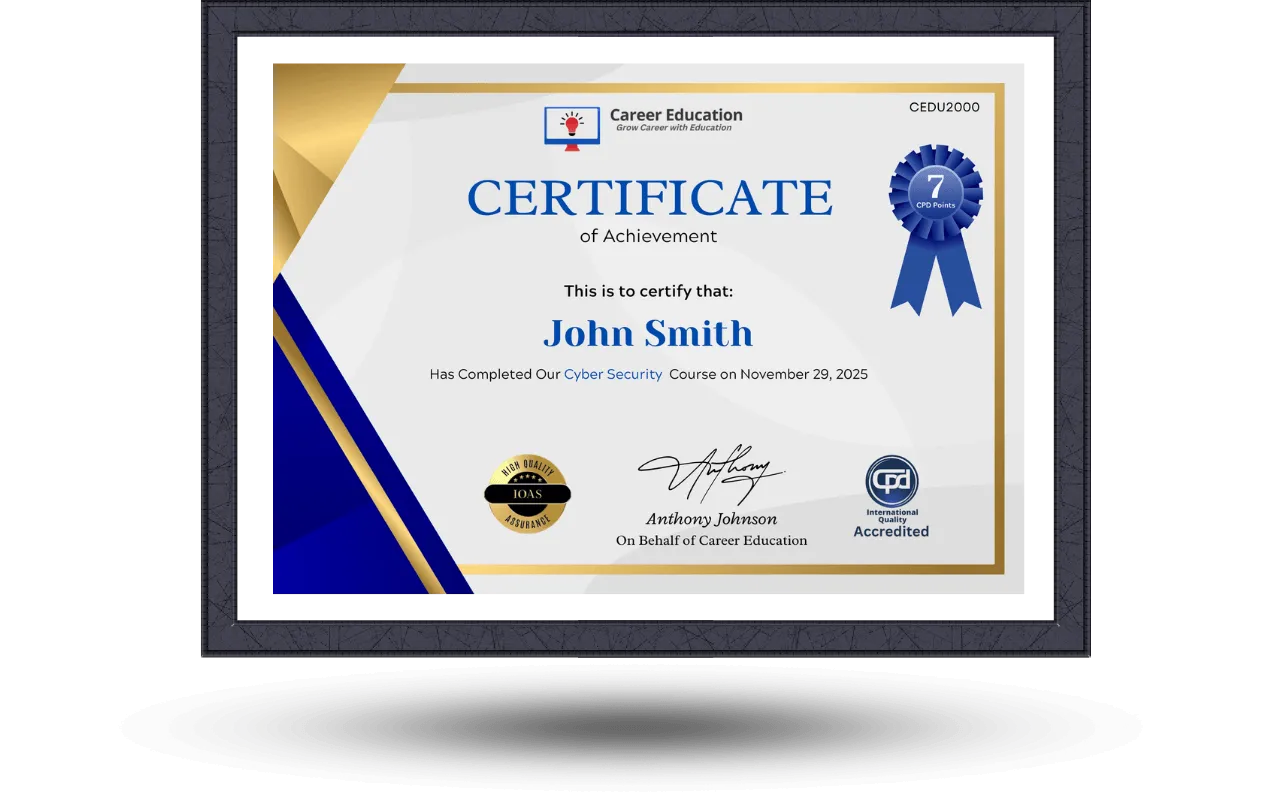
Earn an Accredited Certificate
Upon completion of any course, all students are entitled to a CPD IQ Accredited e-certificate that will be issued by Career Education signifying the completion of your course.
After you complete the course and assignment, you will be eligible to order a free certificate accredited by CPD International Quality by completing the form below.
Hardcopy certificates and transcripts are also available for a small additional fee. More information is disclosed upon course completion.
Similar Courses




Frequently Asked Questions
The lifetime membership includes unlimited access to all courses, resources, and updates for a one-time fee.
You can purchase the membership directly from our website using a secure checkout process.
Yes, selected courses can be downloaded for offline access through our mobile app.
Yes, all future updates and new courses are included at no extra cost.
Yes, we offer a 30-day money-back guarantee if you are not satisfied with the membership.