
94%
OFF
OFF
Effective Managerial Communication
- Lifetime Access
- All Levels
- PDF Certificate
£296
£19
14-Day Money-Back Guarantee
Learn With Confidence




# Effective Managerial Communication
**Effective Managerial Communication** is a practical, outcome-focused course designed to help managers, supervisors, team leaders, business owners, and aspiring leaders communicate with greater clarity, confidence, and professionalism. Strong management is built on strong communication, and the ability to communicate effectively can directly influence team performance, workplace relationships, employee engagement, productivity, and organisational success.
Managers communicate constantly. They explain expectations, delegate responsibilities, provide feedback, resolve misunderstandings, lead meetings, write emails, manage difficult conversations, collaborate with colleagues, and communicate through digital platforms. When these interactions are unclear or inconsistent, even highly capable teams can experience confusion, conflict, delays, and reduced productivity.
This **Effective Managerial Communication** course provides practical knowledge and strategies for improving communication across a wide range of management situations. You will explore verbal and nonverbal communication, written communication, communication styles, team collaboration, and modern communication technology tools.
Rather than focusing solely on communication theory, the course is designed around practical workplace outcomes. You will learn how to communicate ideas more clearly, adapt your approach to different people and situations, strengthen team communication, and use digital communication tools more effectively.
## Why Effective Managerial Communication Matters
Managers are often responsible for turning organisational objectives into practical action. To do this successfully, they must be able to communicate what needs to happen, why it matters, who is responsible, and what successful performance looks like.
Effective communication can help managers:
* Build stronger professional relationships
* Reduce workplace misunderstandings
* Improve employee engagement
* Clarify responsibilities and expectations
* Support effective delegation
* Encourage collaboration
* Resolve conflicts more constructively
* Improve team productivity
* Deliver clearer instructions
* Strengthen leadership presence
* Communicate organisational changes effectively
* Build trust and credibility
Poor communication, on the other hand, can create uncertainty and unnecessary workplace friction. Messages may be misunderstood, important information may be overlooked, and employees may be unsure about priorities.
By developing **Effective Managerial Communication** skills, you can create clearer, more productive, and more professional interactions throughout your workplace.
—
# What You Will Learn
This course takes you through the key areas of managerial communication, from fundamental communication principles to modern digital communication tools.
Throughout the course, you will learn how to:
* Understand the foundations of effective workplace communication
* Communicate information clearly and confidently
* Improve verbal communication skills
* Use nonverbal communication more effectively
* Write professional workplace messages and documents
* Adapt communication to different personalities and situations
* Strengthen team communication and collaboration
* Use communication technology appropriately
* Reduce misunderstandings and communication barriers
* Encourage open and productive workplace dialogue
* Communicate with greater professionalism in management situations
—
# Course Curriculum
## Module 1: Foundations of Communication
### Lesson 1: Foundations of Communication
The course begins with the fundamentals of communication and explores how information is exchanged between individuals and teams.
You will examine the basic communication process, including how messages are created, transmitted, received, interpreted, and responded to. Understanding this process helps managers recognise where communication problems can occur and how to prevent them.
You will also explore common communication barriers that can affect workplace interactions. These may include unclear language, assumptions, distractions, cultural differences, emotional reactions, poor listening, information overload, and inappropriate communication channels.
The module will help you understand the importance of clarity, context, timing, active listening, and appropriate feedback.
You will learn how effective managers can:
* Structure messages clearly
* Identify potential communication barriers
* Select appropriate communication methods
* Encourage two-way communication
* Confirm understanding
* Listen actively to employees and colleagues
* Reduce unnecessary confusion
* Create a more open communication environment
By establishing these foundations, you will have a strong base for developing more advanced managerial communication skills throughout the course.
—
## Module 2: Verbal Communication Skills
Managers frequently rely on verbal communication when leading meetings, giving instructions, presenting information, coaching employees, resolving problems, and discussing performance.
This module focuses on developing stronger verbal communication skills for professional management situations.
You will explore how word choice, tone, pace, structure, and clarity can influence the effectiveness of a message. You will learn how to communicate information in a way that is easier for others to understand and act upon.
The module also highlights the importance of active listening. Effective communication is not simply about speaking well; managers must also be capable listeners.
You will learn how to:
* Express ideas clearly
* Give concise instructions
* Ask effective questions
* Listen attentively
* Clarify misunderstandings
* Use an appropriate tone
* Communicate with confidence
* Encourage employees to contribute
* Handle challenging conversations professionally
These skills can help you become a more effective communicator in one-to-one conversations, team meetings, presentations, and everyday management interactions.
—
## Module 3: Nonverbal Communication
Communication involves far more than spoken words. Facial expressions, posture, gestures, eye contact, personal space, and tone can influence how a message is interpreted.
This module examines the role of nonverbal communication in management and leadership.
You will learn how your nonverbal behaviour can reinforce—or contradict—the message you are communicating. For example, a manager may verbally encourage employees to share their ideas while displaying body language that appears distracted or uninterested.
Understanding nonverbal communication can help you become more aware of the signals you send during workplace interactions.
You will explore how to:
* Use appropriate eye contact
* Maintain professional body language
* Recognise nonverbal signals from others
* Align body language with spoken communication
* Demonstrate attentiveness
* Project confidence and professionalism
* Recognise signs of discomfort or disengagement
The module also encourages greater awareness of context. Nonverbal communication can vary between individuals, cultures, and workplace environments, so effective managers need to avoid making assumptions based solely on body language.
—
## Module 4: Written Communication in Management
Written communication is an essential part of modern management. Managers regularly use emails, reports, announcements, instructions, project updates, policies, meeting notes, and other written materials to communicate important information.
This module focuses on developing clear, professional, and purposeful written communication.
You will learn how to structure written messages so that important information is easy to understand and relevant actions are clearly identified.
The module will help you improve your ability to:
* Write professional emails
* Structure workplace messages
* Communicate instructions clearly
* Prepare concise management updates
* Organise information logically
* Choose appropriate language and tone
* Avoid ambiguity
* Proofread important communications
* Match the level of detail to the audience
You will also explore the importance of considering your audience before writing. A message intended for senior management may require a different structure and level of detail from a message intended for a team member or external stakeholder.
By developing stronger written communication skills, you can reduce confusion and create clearer records of important workplace information.
—
## Module 5: Communication Styles and Adaptation
Every employee and colleague communicates differently. Some people may prefer direct and concise communication, while others may need more context and time to process information.
This module explores communication styles and the importance of adapting your approach.
You will develop a greater understanding of how different communication preferences can influence workplace interactions. Instead of relying on one communication style for every situation, you will learn to consider the individual, context, purpose, and desired outcome.
You will explore how to:
* Recognise different communication styles
* Adapt your communication approach
* Communicate with different personalities
* Reduce unnecessary conflict
* Improve interpersonal relationships
* Adjust your level of detail
* Choose appropriate communication methods
* Remain professional during disagreements
The ability to adapt communication is particularly valuable for managers because leadership often requires communication with people across different roles, experience levels, departments, and backgrounds.
Effective managers do not simply communicate in the way that feels most comfortable to them. They consider what will help the other person understand the message and respond effectively.
—
## Module 6: Team Communication and Collaboration
Successful teams depend on effective communication. When information is shared clearly and consistently, team members are more likely to understand their responsibilities, coordinate their activities, and work towards shared objectives.
This module focuses on communication within teams and explores practical approaches to improving collaboration.
You will learn how managers can create communication practices that encourage participation, information sharing, accountability, and mutual support.
Key areas include:
* Communicating team goals
* Encouraging open discussion
* Facilitating productive meetings
* Delegating responsibilities clearly
* Sharing information efficiently
* Encouraging collaboration
* Addressing misunderstandings
* Managing communication challenges
* Supporting inclusive team participation
You will also explore how managers can encourage employees to speak up, ask questions, raise concerns, and contribute ideas.
Strong team communication can help create an environment where employees understand not only their individual responsibilities but also how their work contributes to broader team objectives.
—
## Module 7: Communication Technology Tools
Modern managers increasingly rely on technology to communicate with employees, colleagues, clients, and stakeholders. Email, messaging platforms, video conferencing, project-management systems, collaborative documents, and other digital tools have transformed workplace communication.
This module explores how communication technology can be used effectively in management.
You will learn how to choose communication channels based on factors such as urgency, complexity, audience, confidentiality, and the need for discussion or documentation.
You will explore practical principles for:
* Communicating through digital channels
* Using email effectively
* Participating in virtual meetings
* Managing team messaging
* Supporting remote collaboration
* Sharing information through collaborative platforms
* Maintaining professionalism online
* Avoiding unnecessary digital communication
* Managing information overload
The module emphasises that technology should support communication rather than create additional confusion. Choosing the right channel for the right message can improve efficiency and help teams stay connected.
—
# Practical Outcomes of the Course
The purpose of **Effective Managerial Communication** is to help you become a more confident, adaptable, and purposeful workplace communicator.
After completing the course, you will be able to communicate expectations more clearly, listen more effectively, and adapt your communication style to different people and circumstances.
You will also be better prepared to manage common communication challenges, including misunderstandings, unclear instructions, difficult conversations, conflicting communication styles, and digital communication overload.
You will develop the ability to:
### Communicate With Greater Clarity
You will learn how to organise information and deliver messages in a way that helps employees understand what is expected of them.
### Build Stronger Workplace Relationships
Effective communication can strengthen trust and professional relationships by demonstrating respect, consistency, attentiveness, and openness.
### Improve Team Collaboration
You will understand how effective communication practices can support teamwork, information sharing, coordination, and collective problem-solving.
### Handle Communication Challenges
Instead of avoiding difficult conversations, you will have practical strategies for approaching challenging situations professionally and constructively.
### Communicate Effectively Across Different Channels
You will learn to select and use appropriate communication methods for meetings, emails, written documents, conversations, messaging platforms, and virtual collaboration.
### Become a More Adaptable Manager
You will develop the ability to adjust your communication style based on the person, purpose, situation, and communication channel.
—
# Who Is This Course For?
**Effective Managerial Communication** is suitable for a wide range of professionals who want to improve their workplace communication skills.
It is particularly valuable for:
* Managers
* Team leaders
* Supervisors
* Department heads
* Business owners
* Entrepreneurs
* Project managers
* HR professionals
* Team coordinators
* Emerging leaders
* Professionals preparing for management positions
* Anyone responsible for leading or collaborating with workplace teams
The course is suitable for both new and experienced managers. New managers can use it to establish strong communication habits, while experienced leaders can use it to refine their existing communication approach.
—
# Develop Communication Skills That Strengthen Leadership
Management is not simply about assigning tasks and monitoring results. Effective managers need to influence, guide, listen, explain, negotiate, support, and motivate people—and communication is at the centre of each of these responsibilities.
A manager who communicates clearly can reduce uncertainty, improve accountability, and help employees focus on the right priorities. A manager who listens effectively can identify concerns earlier and build stronger relationships. A manager who adapts their communication style can work more successfully with a diverse range of people.
**Effective Managerial Communication** provides a practical framework for developing these capabilities.
You will gain knowledge that can be applied immediately in everyday workplace situations, from sending a clearer email and leading a more productive meeting to handling difficult conversations and coordinating team activities.
## Take the Next Step Towards Stronger Management Communication
Effective communication is one of the most valuable skills a manager can develop. It influences how teams understand objectives, how employees respond to leadership, how problems are resolved, and how successfully people work together.
With **Effective Managerial Communication**, you can develop the practical skills needed to communicate with greater confidence, clarity, adaptability, and professionalism.
Whether you are already leading a team or preparing for your next management opportunity, this course can help you strengthen the communication skills that support effective leadership and workplace success.
**Enrol in Effective Managerial Communication today and develop the skills to communicate clearly, collaborate effectively, build stronger professional relationships, and lead your team with greater confidence.**
Course Modules
Course Content
Module 1_ Foundations of Communication
-
Lesson 1_ Foundations of Communication
Module 2_ Verbal Communication Skills
Module 3_ Nonverbal Communication
Module 4_ Written Communication in Management
Module 5_ Communication Styles and Adaptation
Module 6_ Team Communication and Collaboration
Module 7_ Communication Technology Tools
What our students say
Excellent
4.9 average
158 Reviews

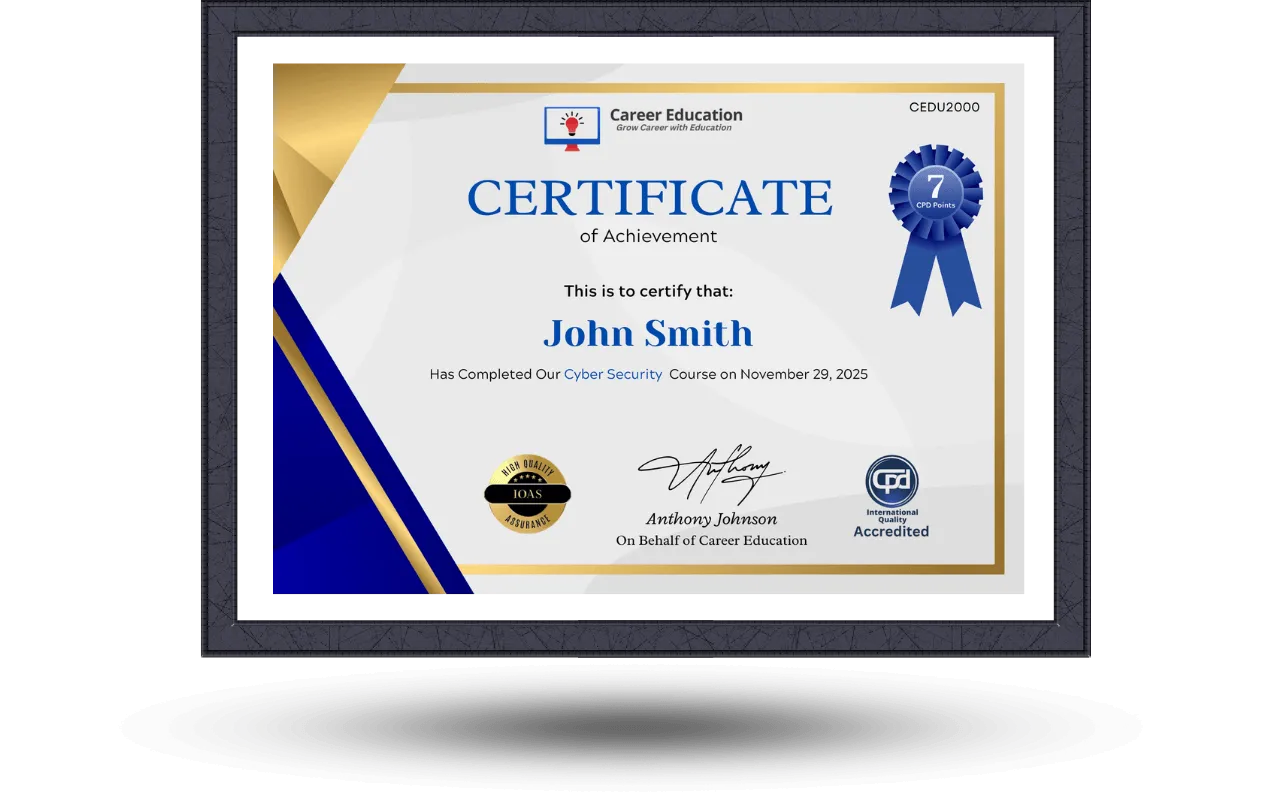
Earn an Accredited Certificate
Upon completion of any course, all students are entitled to a CPD IQ Accredited e-certificate that will be issued by Career Education signifying the completion of your course.
After you complete the course and assignment, you will be eligible to order a free certificate accredited by CPD International Quality by completing the form below.
Hardcopy certificates and transcripts are also available for a small additional fee. More information is disclosed upon course completion.
Similar Courses




Frequently Asked Questions
The lifetime membership includes unlimited access to all courses, resources, and updates for a one-time fee.
You can purchase the membership directly from our website using a secure checkout process.
Yes, selected courses can be downloaded for offline access through our mobile app.
Yes, all future updates and new courses are included at no extra cost.
Yes, we offer a 30-day money-back guarantee if you are not satisfied with the membership.