
94%
OFF
OFF
Energy Management Essentials
- Lifetime Access
- All Levels
- PDF Certificate
£296
£19
14-Day Money-Back Guarantee
Learn With Confidence





# Energy Management Essentials
## Learn Practical Strategies to Improve Energy Efficiency, Reduce Costs, and Support Sustainable Operations
Energy is one of the most valuable resources for homes, businesses, and industries. As energy costs continue to rise and environmental sustainability becomes a global priority, organisations are increasingly seeking professionals who understand how to manage energy efficiently, reduce waste, and implement sustainable solutions.
**Energy Management Essentials** is a comprehensive course designed to provide you with the practical knowledge and skills needed to understand energy management principles, conduct energy audits, improve energy efficiency, optimise building systems, and explore renewable energy solutions. Whether you work in facilities management, engineering, construction, manufacturing, property management, or simply want to improve your understanding of sustainable energy practices, this course offers valuable insights that can be applied in a wide range of settings.
Rather than focusing solely on theory, this course combines practical concepts with real-world applications, helping you identify opportunities for energy savings while supporting operational efficiency and environmental responsibility.
By the end of this course, you’ll have a solid foundation in modern energy management practices and be better prepared to contribute to energy-saving initiatives in both commercial and residential environments.
—
# Why Energy Management Matters
Energy management is no longer just about lowering electricity bills. It plays a critical role in improving operational performance, reducing environmental impact, complying with sustainability goals, and supporting long-term business success.
Organisations across every sector are investing in energy-efficient technologies, smarter building systems, renewable energy solutions, and sustainable operating practices. Professionals with knowledge of energy management are increasingly valued because they can help organisations reduce costs while improving environmental performance.
Learning **Energy Management Essentials** will enable you to identify energy-saving opportunities, understand how energy is consumed, and recommend practical improvements that increase efficiency without compromising productivity or comfort.
Whether you’re responsible for managing facilities, maintaining equipment, advising clients, or improving organisational sustainability, this course provides practical knowledge that supports better decision-making and measurable results.
—
# What You’ll Learn
By the end of this course, you will be able to:
* Understand the core principles of energy management.
* Recognise the importance of energy efficiency in modern organisations.
* Conduct basic energy audits to identify improvement opportunities.
* Analyse energy consumption patterns.
* Recommend practical energy-saving measures.
* Understand the benefits of energy-efficient lighting systems.
* Improve the performance of HVAC systems.
* Explore renewable energy technologies and applications.
* Support sustainability initiatives within organisations.
* Reduce operational costs through efficient energy practices.
* Contribute to environmental responsibility and carbon reduction goals.
* Build a strong foundation for further learning in energy management.
—
# Course Curriculum
## Module 1: Introduction to Energy Management
Every successful energy-saving programme begins with understanding how energy is used and managed.
This introductory module provides a strong foundation by exploring the principles of energy management, why energy efficiency matters, and how organisations benefit from effective energy strategies.
You’ll learn about different forms of energy consumption, common causes of energy waste, and the role of energy management in supporting sustainability and operational excellence.
Topics covered include:
* What is energy management?
* Understanding energy consumption
* The importance of energy efficiency
* Energy costs and business performance
* Environmental sustainability
* Energy policies and objectives
* Building an energy-conscious mindset
This module establishes the knowledge you’ll need throughout the rest of the course.
—
## Module 2: Energy Auditing Techniques
You cannot improve what you do not measure.
This module introduces the fundamentals of energy auditing and demonstrates how audits help identify inefficiencies and opportunities for improvement.
You’ll learn how to collect energy data, evaluate consumption patterns, inspect building systems, and prioritise energy-saving initiatives based on practical findings.
Topics include:
* Understanding energy audits
* Types of energy audits
* Collecting energy data
* Measuring energy consumption
* Identifying energy waste
* Analysing audit findings
* Developing energy improvement recommendations
These practical skills help organisations make informed decisions that reduce energy costs and improve operational efficiency.
—
## Module 3: Energy Efficient Lighting Systems
Lighting often represents a significant portion of a building’s energy consumption.
This module explores modern lighting technologies and strategies that improve efficiency while maintaining comfort, productivity, and safety.
You’ll learn how energy-efficient lighting contributes to reduced operating costs and environmental sustainability.
Topics include:
* Lighting fundamentals
* LED technology
* Lighting controls
* Occupancy sensors
* Daylight harvesting
* Lighting maintenance
* Evaluating lighting performance
By understanding efficient lighting solutions, you’ll be able to recommend improvements that provide long-term energy savings.
—
## Module 4: HVAC Systems Optimisation
Heating, ventilation, and air conditioning (HVAC) systems are among the largest energy consumers in many buildings.
This module focuses on practical techniques for improving HVAC efficiency through better operation, maintenance, monitoring, and optimisation.
You’ll learn how small adjustments can significantly reduce energy consumption while improving occupant comfort.
Topics include:
* HVAC system fundamentals
* Energy-efficient HVAC operation
* Preventive maintenance
* Temperature control strategies
* Airflow optimisation
* Building automation systems
* Improving system performance
These techniques help organisations lower energy costs while maintaining reliable building performance.
—
## Module 5: Renewable Energy Sources
Renewable energy is transforming how organisations generate and consume power.
This final module introduces the most common renewable energy technologies and explains how they contribute to sustainable energy management strategies.
You’ll explore the benefits, limitations, and practical applications of renewable energy across residential, commercial, and industrial environments.
Topics include:
* Introduction to renewable energy
* Solar energy systems
* Wind energy
* Hydropower
* Biomass energy
* Energy storage technologies
* Integrating renewable energy into energy management
You’ll complete this module with a broader understanding of sustainable energy solutions and their role in reducing dependence on conventional energy sources.
—
# Who Should Take This Course?
**Energy Management Essentials** is suitable for professionals, students, and anyone interested in improving energy efficiency and supporting sustainability initiatives.
This course is ideal for:
* Facilities managers
* Building managers
* Maintenance professionals
* Engineers and technicians
* Property managers
* Sustainability professionals
* Construction professionals
* Manufacturing personnel
* Energy consultants
* Business owners
* Environmental professionals
* Students pursuing engineering or environmental studies
* Anyone interested in energy efficiency and renewable energy
No prior experience in energy management is required.
—
# Why Choose This Course?
Many energy courses focus heavily on technical calculations or specialised engineering concepts. **Energy Management Essentials** takes a practical and accessible approach, making energy management concepts easy to understand and apply in real-world situations.
Throughout the course, you’ll gain valuable knowledge that can help you identify opportunities for improving efficiency, reducing costs, and supporting sustainable operations.
Key benefits include:
* Practical, real-world learning
* Clear explanations of energy management principles
* Step-by-step introduction to energy audits
* Industry-relevant best practices
* Easy-to-understand renewable energy concepts
* Workplace-focused examples
* Skills applicable across multiple industries
* Knowledge that supports sustainability initiatives
The course is structured to build your confidence progressively, helping you apply each concept with clarity and purpose.
—
# Career Benefits
Energy efficiency and sustainability are becoming essential priorities across industries. Employers increasingly value professionals who understand how to improve resource efficiency, reduce operational costs, and support environmental goals.
Completing **Energy Management Essentials** can help you:
* Strengthen your professional knowledge of energy management
* Support organisational sustainability programmes
* Improve facilities management capabilities
* Increase operational efficiency
* Contribute to environmental responsibility
* Enhance your CV with in-demand sustainability skills
* Prepare for more advanced energy management training
* Improve career opportunities in facilities, engineering, maintenance, and environmental management
These transferable skills are relevant across sectors including manufacturing, commercial property, healthcare, education, hospitality, government, and construction.
—
# Practical Skills You’ll Develop
Unlike courses that focus only on theory, **Energy Management Essentials** equips you with practical skills that can be applied immediately in the workplace.
By completing this course, you’ll know how to:
* Recognise common sources of energy waste
* Conduct basic energy audits
* Evaluate lighting efficiency
* Recommend improvements to HVAC performance
* Identify opportunities for operational energy savings
* Understand the role of renewable energy technologies
* Support sustainability initiatives with confidence
* Make informed recommendations for improving energy performance
These practical capabilities will enable you to contribute more effectively to energy-saving projects while supporting long-term organisational goals.
—
# Enrol Today and Build Your Energy Management Expertise
Efficient energy management is essential for reducing costs, improving operational performance, and supporting a more sustainable future. Whether you’re responsible for maintaining facilities, managing building systems, advising clients, or simply looking to expand your professional skills, understanding how to use energy wisely is a valuable investment.
**Energy Management Essentials** provides the practical knowledge, industry-relevant techniques, and confidence needed to understand energy consumption, improve efficiency, optimise building systems, and explore renewable energy opportunities. From conducting energy audits to identifying energy-saving measures and supporting sustainability initiatives, you’ll develop skills that can make a meaningful difference in today’s energy-conscious world.
If you’re ready to strengthen your expertise, improve your career prospects, and contribute to smarter, more sustainable energy practices, this course is the perfect place to begin.
Enrol in **Energy Management Essentials** today and take the first step towards becoming a knowledgeable professional who can help organisations reduce energy costs, improve efficiency, and create a more sustainable future.
Course Modules
Course Content
Module 1_ Introduction to Energy Management
-
Lesson 1_ Introduction to Energy Management
Module 2_ Energy Auditing Techniques
Module 3_ Energy Efficient Lighting Systems
Module 4_ HVAC Systems Optimization
Module 5_ Renewable Energy Sources
What our students say
Excellent
4.9 average
158 Reviews

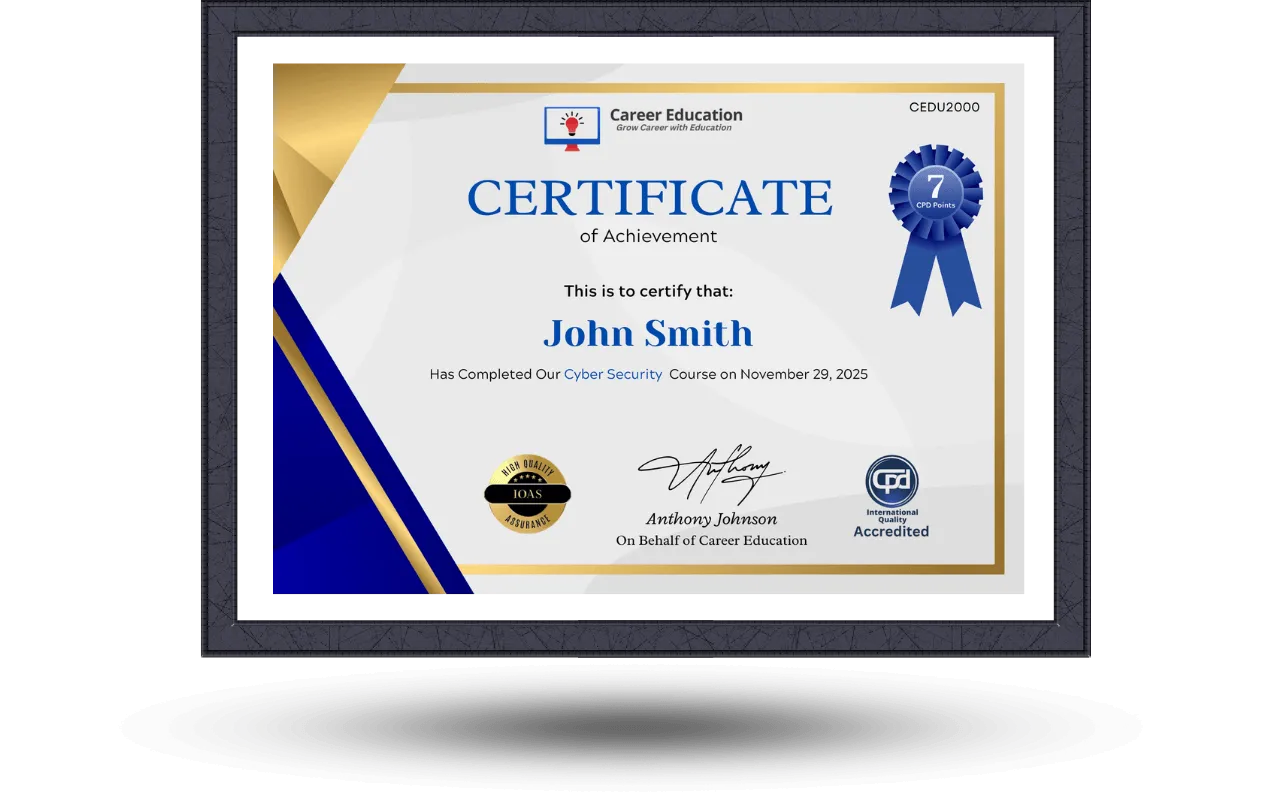
Earn an Accredited Certificate
Upon completion of any course, all students are entitled to a CPD IQ Accredited e-certificate that will be issued by Career Education signifying the completion of your course.
After you complete the course and assignment, you will be eligible to order a free certificate accredited by CPD International Quality by completing the form below.
Hardcopy certificates and transcripts are also available for a small additional fee. More information is disclosed upon course completion.
Similar Courses




Frequently Asked Questions
The lifetime membership includes unlimited access to all courses, resources, and updates for a one-time fee.
You can purchase the membership directly from our website using a secure checkout process.
Yes, selected courses can be downloaded for offline access through our mobile app.
Yes, all future updates and new courses are included at no extra cost.
Yes, we offer a 30-day money-back guarantee if you are not satisfied with the membership.