94%
OFF
OFF
Dust Mask Voluntary Use Safety Guidelines
- Lifetime Access
- All Levels
- PDF Certificate
£296
£19
14-Day Money-Back Guarantee
Learn With Confidence









# Dust Mask Voluntary Use Safety Guidelines
**Dust Mask Voluntary Use Safety Guidelines** is a practical, workplace-focused course designed to help employees, supervisors, managers, and safety professionals understand the principles of voluntary dust mask use and develop safer practices when working in environments where airborne dust may be present.
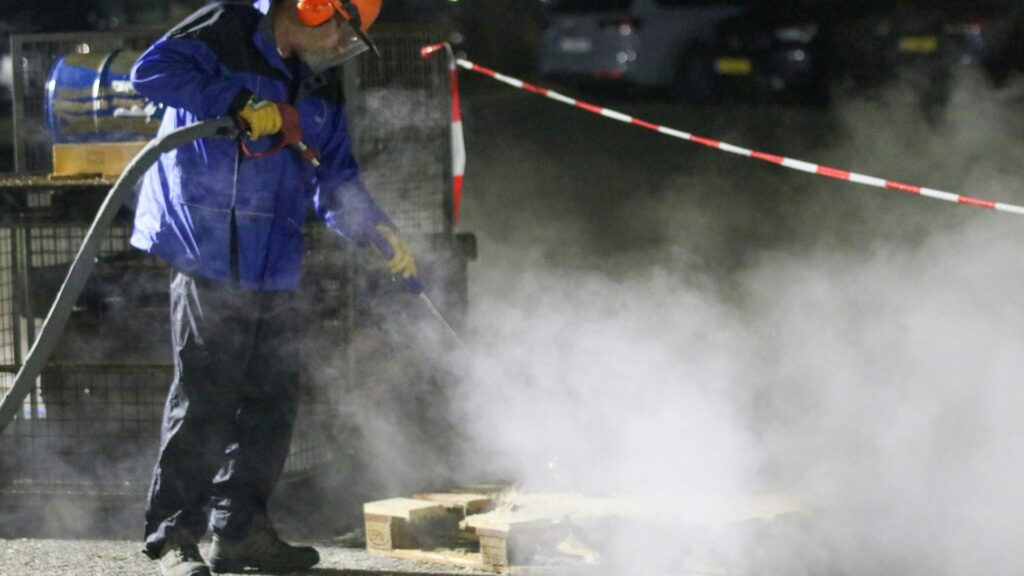
Dust can be generated during activities such as sanding, drilling, cutting, grinding, sweeping, construction, manufacturing, maintenance, and material handling. Although some workplaces may permit employees to voluntarily use dust masks or filtering facepieces, voluntary use should never be treated as a substitute for proper hazard assessment and required workplace controls.
This **Dust Mask Voluntary Use Safety Guidelines** course provides practical knowledge about different types of dust masks, dust exposure, mask selection, fit considerations, donning and doffing procedures, maintenance, storage, and workplace communication. The course is designed to help learners understand how to use dust masks responsibly and recognise situations where additional respiratory protection or professional safety assessment may be necessary.
Whether you are an employee who voluntarily chooses to wear a dust mask, a supervisor responsible for workplace safety, or a professional looking to strengthen your understanding of respiratory protection practices, this course provides a structured introduction to safer voluntary use.
## Why Dust Mask Voluntary Use Safety Guidelines Matter
Dust exposure can be overlooked because dust particles are common in many workplaces and may not always create an immediate visible or noticeable effect. However, the potential impact of airborne particles depends on the material, concentration, particle characteristics, duration of exposure, and workplace conditions.
A dust mask may provide useful protection in certain circumstances, but it is important to understand what a particular mask is designed to do and what it is not designed to do.
Effective voluntary-use practices can help workers:
* Understand the purpose and limitations of dust masks
* Recognise potential dust exposure situations
* Select appropriate respiratory protection for the identified hazard
* Understand basic fit considerations
* Put on and remove masks correctly
* Maintain masks in suitable condition
* Store reusable equipment appropriately
* Recognise when a mask may be damaged or unsuitable
* Communicate concerns about dust exposure
* Follow workplace respiratory protection procedures
This course encourages a safety-first approach in which dust masks are considered as part of a broader workplace hazard-control strategy rather than as the only method of protection.
—
# What You Will Learn
Throughout **Dust Mask Voluntary Use Safety Guidelines**, you will explore the essential principles of voluntary dust mask use and practical respiratory safety.
By completing the course, you will be able to:
* Explain the purpose of voluntary dust mask use
* Identify common types of dust masks and filtering facepieces
* Understand basic sources and characteristics of dust exposure
* Recognise factors that can influence respiratory exposure
* Understand important considerations when selecting a dust mask
* Apply basic fit and seal principles
* Demonstrate appropriate donning and doffing practices
* Recognise conditions that may affect mask performance
* Understand basic maintenance and storage requirements
* Identify signs that a mask may need replacement
* Communicate dust-related safety concerns effectively
* Understand when voluntary dust mask use may not be sufficient
—
# Course Curriculum
## Module 1: Introduction to Dust Mask Voluntary Use Guidelines
### Lesson 1: Introduction to Dust Mask Voluntary Use Guidelines
The course begins with an introduction to the principles of voluntary dust mask use.
You will explore what voluntary use means and how it differs from situations where respiratory protection is required by workplace hazards or applicable regulations. Understanding this distinction is important because employees should not assume that a voluntary dust mask is suitable for every airborne hazard.
You will also explore the importance of hazard awareness, workplace procedures, and appropriate safety controls.
This module introduces key concepts such as:
* Voluntary versus required respiratory protection
* The purpose of dust masks
* Basic limitations of filtering facepieces
* Workplace dust hazards
* The importance of following employer procedures
* Recognising when additional assessment may be necessary
You will develop a foundation for making safer decisions when considering voluntary dust mask use.
—
## Module 2: Types of Dust Masks
Not all dust masks are the same. Different products can have different designs, filtration capabilities, fit characteristics, and intended uses.
This module introduces common types of dust masks and filtering facepieces that workers may encounter.
You will explore the basic differences between disposable filtering facepieces and other forms of respiratory protection. The module will also help you understand why appearance alone should not be used to determine whether a particular mask is appropriate for a specific hazard.
You will learn how to consider:
* Mask design
* Filtration characteristics
* Intended use
* Fit and facial seal
* Disposable and reusable options
* Product information and manufacturer instructions
* Workplace requirements
The objective is to help you develop a more informed understanding of respiratory protection rather than selecting a mask simply because it is convenient or readily available.
—
## Module 3: Understanding Dust Exposure
Understanding the hazard is an essential part of making appropriate respiratory protection decisions.
This module examines common sources of dust exposure and the types of workplace activities that can generate airborne particles.
Dust may be produced during cutting, drilling, sanding, grinding, crushing, sweeping, handling materials, or other processes. The amount and nature of airborne dust can vary significantly depending on the task and material.
You will explore factors that influence exposure, including:
* Type of material
* Work activity
* Duration of exposure
* Frequency of exposure
* Air movement and ventilation
* Dust generation methods
* Workplace conditions
* Existing control measures
You will also learn why hazard identification should come before mask selection. A dust mask intended for nuisance or particulate exposure should not automatically be assumed to protect against gases, vapours, oxygen-deficient atmospheres, or other hazards requiring specialised respiratory protection.
This knowledge will help you recognise when a situation may require additional workplace assessment.
—
## Module 4: Selection and Fit Testing of Dust Masks
Choosing appropriate respiratory protection involves more than selecting a comfortable-looking mask.
This module focuses on the principles of mask selection and fit.
You will learn why proper fit is important and how gaps between a mask and the face can compromise the intended level of protection. Facial hair, incorrect positioning, damaged components, and inappropriate mask size can all affect the effectiveness of a facepiece designed to seal against the face.
You will explore:
* Basic mask selection principles
* Understanding product information
* The importance of correct sizing
* Facial seal considerations
* Factors that can interfere with fit
* User seal checks where applicable
* Differences between voluntary use and formal respiratory protection programmes
* When professional fit testing may be required
The course will help you understand that fit-related requirements can depend on the type of respirator and applicable workplace rules. Where a respirator is required rather than voluntarily worn, employers and workers may have additional obligations that go beyond the basic voluntary-use practices covered in this course.
—
## Module 5: Proper Donning and Doffing Procedures
Even an appropriate dust mask may not function as intended if it is worn incorrectly.
This module focuses on the correct principles for putting on and removing dust masks.
You will learn how to inspect the mask before use, position it correctly, secure it appropriately, and check for obvious fit or seal problems where applicable.
The module also covers safe removal practices to reduce unnecessary contact with potentially contaminated surfaces.
You will learn how to:
* Inspect a mask before use
* Identify visible damage or contamination
* Position the mask correctly
* Secure straps appropriately
* Check the facepiece placement
* Perform applicable user seal checks
* Avoid unnecessary mask handling
* Remove the mask carefully
* Dispose of or store the mask appropriately
Correct donning and doffing practices can help workers develop consistent habits and reduce avoidable errors.
—
## Module 6: Maintenance and Storage of Dust Masks
Proper maintenance and storage are important for keeping reusable respiratory equipment in suitable condition and preventing unnecessary damage or contamination.
This module explores practical principles for maintaining and storing dust masks and related equipment.
You will learn how to identify common problems that may affect a mask’s condition, including:
* Visible damage
* Deformation
* Contamination
* Worn components
* Damaged straps
* Poor storage conditions
* Moisture or excessive heat
* Improper handling
You will also learn why manufacturer instructions should always be followed when cleaning, maintaining, storing, or replacing reusable respiratory protection equipment.
For disposable filtering facepieces, you will explore the importance of recognising when a mask should no longer be used and why reuse should not be assumed unless the product and applicable workplace procedures specifically allow it.
The goal is to help learners develop responsible habits that support the condition and appropriate use of respiratory protection equipment.
—
## Module 7: Communication and Training
Respiratory safety depends on more than individual behaviour. Effective communication and training help ensure that employees understand workplace hazards, procedures, limitations, and responsibilities.
This module focuses on communicating information about voluntary dust mask use in a clear and practical manner.
You will explore how employees can raise concerns about dust exposure and how supervisors can encourage workers to report changing workplace conditions.
You will learn how to:
* Communicate dust-related safety concerns
* Ask appropriate questions about workplace hazards
* Follow employer respiratory protection procedures
* Share relevant information with supervisors
* Encourage consistent safe practices
* Understand equipment limitations
* Recognise situations requiring additional assessment
* Support a positive workplace safety culture
The module reinforces the importance of not relying on voluntary dust mask use as a replacement for effective hazard controls.
—
# Practical Outcomes of the Course
The main objective of **Dust Mask Voluntary Use Safety Guidelines** is to provide learners with practical knowledge they can apply when voluntarily using dust masks in appropriate workplace situations.
After completing the course, you will have a stronger understanding of the relationship between dust hazards, respiratory protection, correct equipment use, and workplace safety.
You will be better prepared to:
### Recognise Dust Exposure Risks
You will understand how workplace activities can create airborne dust and what factors can influence exposure.
### Make More Informed Equipment Choices
You will have a clearer understanding of different dust mask types and why selection should be based on the identified hazard and manufacturer information.
### Improve Mask-Wearing Practices
You will understand the importance of correct positioning, fit considerations, inspection, donning, and removal.
### Maintain Equipment Responsibly
You will know what to look for when inspecting masks and understand basic principles for storage, maintenance, and replacement.
### Communicate Safety Concerns
You will be better prepared to discuss dust exposure and respiratory protection concerns with supervisors, safety personnel, and colleagues.
### Recognise the Limits of Voluntary Use
Perhaps most importantly, you will understand that voluntary dust mask use has limitations and that some workplace hazards require a more comprehensive respiratory protection approach.
—
# Who Is This Course For?
**Dust Mask Voluntary Use Safety Guidelines** is suitable for individuals who may encounter airborne dust in workplace or practical environments and want to strengthen their understanding of voluntary respiratory protection.
It can benefit:
* Employees
* Supervisors
* Team leaders
* Workplace safety representatives
* Construction workers
* Maintenance personnel
* Manufacturing employees
* Warehouse workers
* Cleaning personnel
* Workshop workers
* Facilities staff
* Small business owners
* Health and safety professionals
* Anyone seeking foundational knowledge of voluntary dust mask use
The course is particularly useful as an awareness and educational resource for workers who may voluntarily choose to wear a dust mask where workplace procedures permit it.
—
# Build Safer Dust Mask Use Habits
Respiratory safety begins with understanding the hazard.
A dust mask can be a useful part of a workplace safety strategy in appropriate circumstances, but effective protection depends on selecting suitable equipment, understanding its limitations, wearing it correctly, maintaining it properly, and following applicable workplace procedures.
**Dust Mask Voluntary Use Safety Guidelines** provides a structured learning experience that brings these important principles together.
Rather than simply explaining how to wear a mask, the course encourages learners to think critically about why respiratory protection may be used, what type of protection is appropriate, how fit affects performance, and when additional safety measures may be necessary.
You will gain practical knowledge that can support better workplace decisions and safer day-to-day practices.
## Take the Next Step Towards Better Respiratory Safety Awareness
Dust exposure can occur in many different workplace environments, making basic respiratory safety knowledge valuable for employees and managers alike.
With **Dust Mask Voluntary Use Safety Guidelines**, you can develop a stronger understanding of dust masks, exposure risks, selection, fit, use, maintenance, storage, and communication.
Whether you are looking to improve your own workplace safety awareness or strengthen your understanding of voluntary respiratory protection practices, this course provides practical, accessible, and outcome-focused learning.
**Enrol in Dust Mask Voluntary Use Safety Guidelines today and develop the knowledge to use dust masks more responsibly, recognise respiratory hazards more effectively, and contribute to a safer workplace.**
Course Modules
Course Content
Module 1_ Introduction to Dust Mask Voluntary Use Guidelines
-
Lesson 1_ Introduction to Dust Mask Voluntary Use Guidelines
Module 2_ Types of Dust Masks
Module 3_ Understanding Dust Exposure
Module 4_ Selection and Fit Testing of Dust Masks
Module 5_ Proper Donning and Doffing Procedures
Module 6_ Maintenance and Storage of Dust Masks
Module 7_ Communication and Training
What our students say
Excellent
4.9 average
158 Reviews

Earn an Accredited Certificate
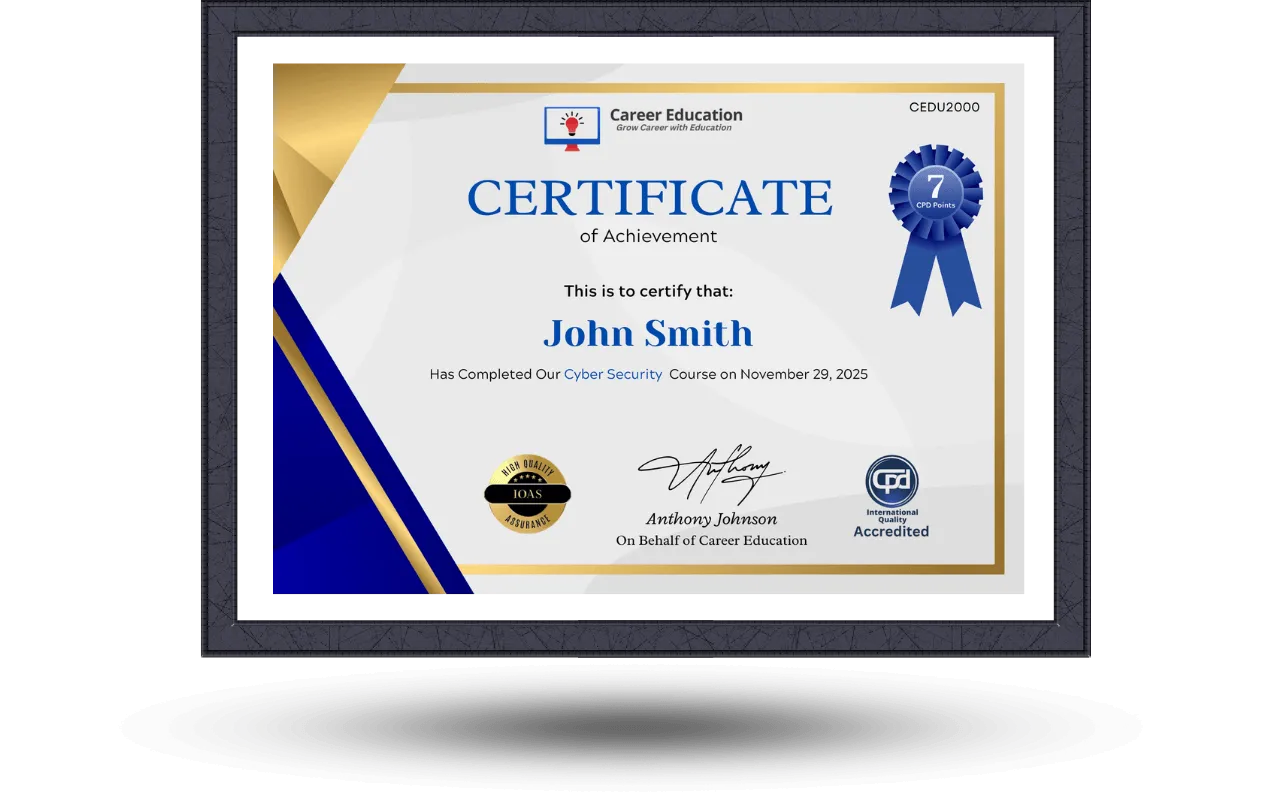
Upon completion of any course, all students are entitled to a CPD IQ Accredited e-certificate that will be issued by Career Education signifying the completion of your course.
After you complete the course and assignment, you will be eligible to order a free certificate accredited by CPD International Quality by completing the form below.
Hardcopy certificates and transcripts are also available for a small additional fee. More information is disclosed upon course completion.
Similar Courses



Frequently Asked Questions
The lifetime membership includes unlimited access to all courses, resources, and updates for a one-time fee.
You can purchase the membership directly from our website using a secure checkout process.
Yes, selected courses can be downloaded for offline access through our mobile app.
Yes, all future updates and new courses are included at no extra cost.
Yes, we offer a 30-day money-back guarantee if you are not satisfied with the membership.