
94%
OFF
OFF
Diploma in Investment Management
- Lifetime Access
- All Levels
- PDF Certificate
£296
£19
14-Day Money-Back Guarantee
Learn With Confidence









# Diploma in Investment Management
Investment decisions can have a significant impact on long-term financial outcomes, whether you are exploring markets for personal development, considering a career in finance, or seeking to understand how different investment assets work. However, successful investing requires more than simply knowing where to put money. It involves understanding financial markets, evaluating opportunities, considering risk, comparing asset classes and developing a disciplined approach to decision-making.
The **Diploma in Investment Management** is designed to provide learners with a practical introduction to investment principles, asset classes and investment strategies. The course explores stocks, bonds, real estate and alternative assets, helping learners develop a broader understanding of how different investment opportunities operate and how they may fit within a diversified investment approach.
Whether you are completely new to investing or want to strengthen your existing financial knowledge, the **Diploma in Investment Management** provides a structured learning experience covering important concepts in modern investing.
Through a series of focused modules, you will explore the characteristics of different investments, the fundamentals of stocks and bonds, the principles of real estate investing and the growing role of alternative assets. The course is outcome-focused, helping you build knowledge that can support more informed conversations, research and financial decision-making.
> **Important:** This course is for educational purposes only. It does not constitute personalised financial, investment or tax advice, and completing the course does not guarantee investment returns.
## What Is the Diploma in Investment Management?
The **Diploma in Investment Management** is an educational programme designed to introduce learners to the fundamentals of investing and the management of different types of investment assets.
Investment management involves understanding how money can be allocated across different assets while considering objectives, risk, time horizons and market conditions. Investors may consider a wide range of opportunities, including equities, fixed-income securities, property and alternative investments.
The course provides learners with a foundation across these areas.
You will explore:
* The fundamentals of investment
* How stocks work
* Key principles of bond investing
* Real estate investment
* Alternative assets
* Stock investment approaches
* Bond investment considerations
* Portfolio diversification concepts
* Risk awareness
* Investment decision-making principles
Rather than concentrating on a single investment type, the **Diploma in Investment Management** introduces a range of asset classes. This can help learners understand the differences between investments and appreciate why diversification and risk assessment are important considerations.
# Why Study the Diploma in Investment Management?
Financial markets can appear complicated, particularly when you are unfamiliar with investment terminology and asset classes. Developing a strong foundation can make it easier to understand financial information and evaluate investment concepts objectively.
The **Diploma in Investment Management** provides a structured way to develop this knowledge.
One of the main benefits of the course is its focus on multiple investment categories. Stocks, bonds, property and alternative assets have different characteristics, potential risks and market behaviours. Understanding these differences can help learners develop a more balanced perspective on investing.
The course can also support professional development for individuals interested in finance, banking, investment, business or financial services.
By studying investment principles systematically, you can develop knowledge that may be useful when:
* Researching investment opportunities
* Understanding financial markets
* Comparing asset classes
* Learning investment terminology
* Exploring financial careers
* Developing personal financial knowledge
* Understanding diversification
* Evaluating investment-related information
The course does not promise profits or provide individual investment recommendations. Instead, it focuses on helping you understand the principles behind investment management.
# Learning Outcomes
By completing the **Diploma in Investment Management**, learners can develop the ability to:
* Explain fundamental investment concepts
* Understand the basic structure and purpose of financial markets
* Describe how stocks function as an investment
* Identify important considerations when studying equities
* Understand the fundamentals of bond investing
* Explain key characteristics of fixed-income investments
* Explore real estate as an investment asset
* Understand different approaches to real estate investment
* Develop awareness of alternative assets
* Compare different investment categories
* Understand the importance of diversification
* Recognise key investment risks
* Develop a more structured approach to investment research
* Understand factors that can influence investment decisions
* Build a foundation for further study in investment and finance
These learning outcomes are designed to provide educational knowledge rather than individual investment advice.
# Course Curriculum
## Module 1: Introduction to Investment and Understanding Stocks
The first part of the **Diploma in Investment Management** introduces the fundamental principles of investment before focusing on stocks.
Understanding investment starts with knowing what an investment is, why people and organisations invest, and how different assets can potentially contribute to financial objectives.
You will explore the basic concepts associated with investment and develop an understanding of the investment environment.
The module then introduces stocks, one of the most widely recognised investment assets. Stocks represent ownership interests in companies, and their values can change in response to company performance, economic conditions, market expectations and many other factors.
You will develop awareness of:
* Basic investment terminology
* The purpose of investing
* Different investment categories
* Financial market fundamentals
* The role of stocks
* Characteristics of equity investments
* Factors that can influence stock prices
* Basic considerations when researching stocks
Understanding stocks is an important foundation for anyone interested in investment management. This module helps learners establish the terminology and concepts required to understand more advanced investment topics.
You will also begin to appreciate the relationship between potential returns and investment risk, an important principle throughout the course.
## Module 2: Investing in Bonds and Investing in Real Estate
The next section expands your understanding beyond equities by introducing bonds and real estate.
Bonds are generally associated with lending money to an issuer in exchange for interest payments and repayment of principal according to the terms of the security. Understanding how bonds operate provides useful insight into fixed-income investing.
You will explore important concepts associated with bonds, including their basic characteristics and considerations that investors may examine.
The module then moves into real estate investing.
Property represents a fundamentally different type of investment from stocks and bonds. Real estate can involve residential property, commercial property and other forms of property-related investment.
You will develop an understanding of:
* Fundamentals of bond investing
* Characteristics of fixed-income investments
* Basic bond terminology
* Factors affecting bond investments
* Fundamentals of real estate investing
* Different types of property investment
* Potential advantages and risks associated with real estate
* Factors to consider when evaluating property investments
By studying these two asset classes together, learners can begin to appreciate how different investments operate in different ways.
## Module 3: Investing in Real Estate and Investing in Alternative Assets
The third section continues the exploration of real estate while introducing alternative assets.
Real estate can be approached through various investment structures and strategies. Understanding these differences can help learners develop a more comprehensive perspective on property investment.
The module also introduces alternative assets, which can encompass investment categories outside traditional stocks, bonds and direct property holdings.
Depending on the investment environment, alternative assets may include areas such as commodities, private investments, collectibles or other specialised assets.
You will explore:
* Real estate investment principles
* Property-related investment considerations
* Alternative asset categories
* Characteristics of alternative investments
* Potential benefits and risks
* Diversification considerations
* The importance of understanding an asset before investing
Alternative investments can have characteristics that differ significantly from traditional investments. They may involve different levels of liquidity, complexity, valuation challenges and risk.
The **Diploma in Investment Management** therefore encourages learners to approach alternative assets with appropriate research and risk awareness rather than assuming that every investment opportunity is suitable for every investor.
## Module 4: Investing in Stocks and Investing in Bonds
The final module brings two major asset classes—stocks and bonds—back into focus.
Building on the concepts introduced earlier, learners will further explore considerations associated with investing in equities and fixed-income securities.
Understanding both stocks and bonds can help learners appreciate the differences between ownership-based and lending-based investments.
You will revisit and develop knowledge of:
* Stock investment principles
* Bond investment principles
* Differences between stocks and bonds
* Investment risk considerations
* Potential return considerations
* Diversification
* Investment objectives
* Research and decision-making
The module provides an opportunity to consolidate your understanding of these key asset classes and consider how they can be analysed within a broader investment management framework.
The emphasis is on developing knowledge and analytical awareness rather than promoting a particular investment strategy.
# Understand Different Investment Asset Classes
A major advantage of the **Diploma in Investment Management** is its broad coverage of investment types.
Investors do not operate in a single market. Financial markets contain a variety of assets, each with different characteristics.
### Stocks
Stocks provide an opportunity to participate in the ownership of companies. Their market prices can fluctuate substantially, making it important to understand risk and market behaviour.
### Bonds
Bonds represent debt instruments with contractual terms relating to interest and repayment. They have different characteristics from equities and are influenced by factors such as interest rates, credit quality and market conditions.
### Real Estate
Property can provide exposure to physical assets and may be approached through different investment structures. Real estate also brings considerations such as location, financing, maintenance, liquidity and market demand.
### Alternative Assets
Alternative assets provide exposure to investment categories outside traditional stocks and bonds. These can have unique characteristics and may require additional research and specialist knowledge.
By exploring these categories, the course helps learners understand why investment management requires careful consideration rather than a one-size-fits-all approach.
# Develop Investment Awareness and Financial Confidence
Financial terminology can often make investment topics seem more complicated than they need to be.
The **Diploma in Investment Management** helps break down important concepts into manageable areas, allowing learners to build their knowledge progressively.
As you move through the course, you can develop greater familiarity with investment terminology and become more comfortable discussing concepts such as stocks, bonds, real estate, alternative assets, diversification and risk.
This knowledge can be valuable whether you are exploring investing for personal education or considering a professional direction within finance.
# Who Is This Course For?
The **Diploma in Investment Management** can be suitable for a wide range of learners.
It may benefit:
* Beginners interested in learning about investing
* Individuals seeking financial education
* Aspiring investment professionals
* Business students
* Finance students
* Entrepreneurs
* Business owners
* Banking and financial services professionals seeking additional knowledge
* Individuals interested in financial markets
* Professionals considering a career change into finance
* Learners preparing for further study in investment and finance
No advanced investment knowledge is required to begin. The course is structured around fundamental concepts, making it suitable for learners who want to establish or strengthen their investment knowledge.
# Enhance Your Professional Development
Investment knowledge can be relevant across many areas of business and finance.
Professionals working in banking, financial services, accounting, business management or related fields may benefit from understanding how different investment assets work.
For those considering a career in investment management, the course can also provide useful introductory knowledge before progressing to more specialised education or professional qualifications.
The **Diploma in Investment Management** can therefore serve as a valuable addition to your broader professional development.
It demonstrates a commitment to understanding investment principles and financial markets while giving you a structured foundation for continued learning.
# Build a More Structured Approach to Investment Research
One of the most useful outcomes of investment education is learning to approach financial opportunities with greater structure.
Rather than focusing only on potential returns, informed investment analysis considers a wider range of factors.
These may include:
* Risk
* Investment objectives
* Time horizon
* Asset characteristics
* Market conditions
* Liquidity
* Diversification
* Financial information
* Investment costs
* Individual circumstances
The **Diploma in Investment Management** introduces learners to this broader perspective.
The goal is not to tell you what to buy or sell. Instead, it helps you understand the concepts that underpin investment decision-making so that you can approach financial information with greater awareness.
# Study Investment Management Online
Online learning offers flexibility for people balancing education with work, business and personal responsibilities.
The **Diploma in Investment Management** provides a convenient way to explore important investment concepts in a structured learning environment.
You can progress through the curriculum systematically, revisit key concepts and strengthen your understanding as you move from basic investment principles to specific asset classes.
This makes the course suitable for learners with different backgrounds and levels of prior knowledge.
# Take the Next Step in Your Investment Education
Understanding investments can open the door to broader knowledge of financial markets, wealth management and business finance.
The **Diploma in Investment Management** provides a comprehensive introduction to key investment areas, including stocks, bonds, real estate and alternative assets.
From understanding the fundamentals of investment and learning how stocks work to exploring bonds, property and alternative investments, the course gives you a broad educational foundation.
You will also revisit stocks and bonds in greater detail, helping consolidate your knowledge and develop a clearer understanding of two of the most important traditional asset classes.
Whether you want to expand your personal financial knowledge, strengthen your professional development or prepare for further study, the **Diploma in Investment Management** offers a practical starting point.
**Enrol in the Diploma in Investment Management today and develop the knowledge, terminology and investment awareness you need to understand diverse asset classes and approach investment topics with greater confidence and structure.**
Course Modules
Course Content
Introduction to Investment and Understanding Stocks
-
Introduction to Investment and Understanding Stocks
Investing in Bonds and Investing in Real Estate
Investing in Real Estate and Investing in Alternative Assets
Module 3_ Investing in Stocks and Investing in Bonds
What our students say
Excellent
4.9 average
158 Reviews

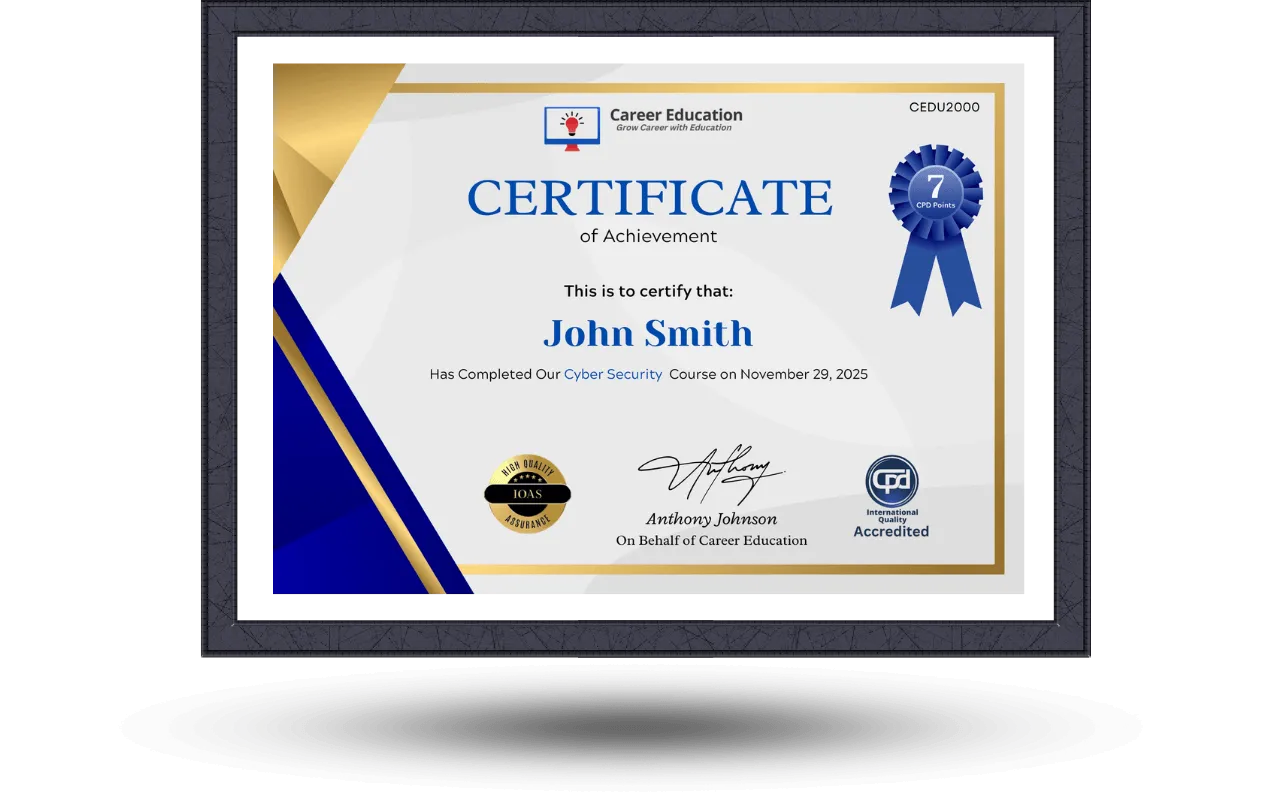
Earn an Accredited Certificate
Upon completion of any course, all students are entitled to a CPD IQ Accredited e-certificate that will be issued by Career Education signifying the completion of your course.
After you complete the course and assignment, you will be eligible to order a free certificate accredited by CPD International Quality by completing the form below.
Hardcopy certificates and transcripts are also available for a small additional fee. More information is disclosed upon course completion.
Similar Courses




Frequently Asked Questions
The lifetime membership includes unlimited access to all courses, resources, and updates for a one-time fee.
You can purchase the membership directly from our website using a secure checkout process.
Yes, selected courses can be downloaded for offline access through our mobile app.
Yes, all future updates and new courses are included at no extra cost.
Yes, we offer a 30-day money-back guarantee if you are not satisfied with the membership.