
94%
OFF
OFF
Developing Cultural Intelligence and Competence
- Lifetime Access
- All Levels
- PDF Certificate
£296
£19
14-Day Money-Back Guarantee
Learn With Confidence








Developing Cultural Intelligence and Competence
Master the Skills to Thrive in Diverse and Global Environments
In today’s interconnected world, success depends on more than technical expertise and professional qualifications. Organizations, communities, and workplaces are becoming increasingly diverse, requiring individuals to communicate, collaborate, and lead effectively across cultures. Whether you work in business, education, healthcare, government, customer service, or any other field, the ability to understand and adapt to cultural differences is a critical skill.
The Developing Cultural Intelligence and Competence course is designed to help professionals, leaders, managers, educators, and team members build the knowledge, awareness, and practical skills needed to work successfully in multicultural environments. Through a comprehensive exploration of cultural intelligence principles, emotional awareness, behavioral adaptability, and organizational applications, this course equips learners with the tools to create stronger relationships, improve communication, and achieve better outcomes in diverse settings.
If you want to enhance your ability to engage with people from different backgrounds, reduce misunderstandings, build inclusive environments, and strengthen your professional effectiveness, this course provides the roadmap to help you succeed.
What Is Cultural Intelligence and Why Does It Matter?
Cultural intelligence (CQ) refers to the capability to function effectively in culturally diverse situations. It goes beyond simply recognizing differences—it involves understanding cultural perspectives, adapting behavior appropriately, and building meaningful connections across cultural boundaries.
Organizations increasingly seek professionals who can:
-
Collaborate effectively with diverse teams
-
Communicate across cultural differences
-
Navigate international business environments
-
Build inclusive workplace cultures
-
Lead multicultural teams successfully
-
Improve customer and client relationships
-
Reduce conflict and misunderstandings
The Developing Cultural Intelligence and Competence course helps learners develop these highly valuable skills while building confidence in diverse professional and social interactions.
Why Enroll in This Course?
Many individuals unintentionally allow assumptions, biases, and limited cultural understanding to influence their interactions. These barriers can lead to communication breakdowns, workplace conflicts, reduced productivity, and missed opportunities.
This course helps you overcome these challenges by teaching you how to:
-
Understand cultural differences with greater clarity
-
Recognize your own cultural influences and assumptions
-
Build stronger interpersonal relationships
-
Develop empathy and emotional awareness
-
Adapt communication styles across cultures
-
Increase effectiveness in multicultural environments
-
Foster inclusion and belonging within organizations
-
Improve leadership capabilities in diverse teams
By the end of the program, you will possess practical cultural intelligence skills that can be applied immediately in your workplace, community, and daily interactions.
Who Should Take This Course?
The Developing Cultural Intelligence and Competence course is suitable for a wide range of professionals and learners, including:
-
Managers and team leaders
-
Human resource professionals
-
Business owners and entrepreneurs
-
Customer service representatives
-
Healthcare professionals
-
Educators and trainers
-
Diversity and inclusion practitioners
-
International business professionals
-
Government employees
-
Students preparing for global careers
-
Anyone seeking stronger intercultural communication skills
No prior experience in cultural intelligence studies is required. The course is structured to support beginners while providing valuable insights for experienced professionals.
Course Curriculum
Module 1: Introduction to Cultural Intelligence and Competence
The course begins by introducing the essential concepts of cultural intelligence and cultural competence. Learners explore why these skills have become increasingly important in today’s globalized world and how cultural intelligence contributes to professional and personal success.
Key learning areas include:
-
Defining cultural intelligence and competence
-
Understanding cultural diversity in modern society
-
The importance of intercultural effectiveness
-
Benefits of cultural intelligence in professional settings
-
Challenges associated with cultural misunderstandings
By completing this module, learners establish a strong foundation for understanding the role cultural intelligence plays in successful interactions.
Outcome:
You will gain a clear understanding of cultural intelligence and recognize its importance in achieving effective communication and collaboration across cultures.
Module 2: Foundations of Cultural Intelligence
Effective cultural intelligence is built on a solid understanding of cultural frameworks, values, beliefs, and worldviews. This module explores the foundational principles that shape cultural behavior and influence interpersonal interactions.
Topics covered include:
-
Understanding cultural values and norms
-
Dimensions of cultural differences
-
Cultural perspectives and worldviews
-
The impact of culture on communication
-
Building cultural awareness and understanding
Through practical examples and real-world scenarios, learners develop the ability to identify and appreciate diverse cultural perspectives.
Outcome:
You will learn how cultural differences influence behavior, communication, and decision-making, allowing you to interact more effectively in multicultural environments.
Module 3: Developing Self-Awareness in Cultural Contexts
Before understanding others, it is essential to understand yourself. This module focuses on self-awareness and examines how personal experiences, beliefs, assumptions, and cultural backgrounds influence perceptions and interactions.
Learners will explore:
-
Personal cultural identity
-
Cultural assumptions and unconscious bias
-
Self-reflection techniques
-
Recognizing stereotypes and prejudices
-
Developing an inclusive mindset
This module encourages deep reflection and helps learners identify areas for personal growth.
Outcome:
You will become more aware of your own cultural influences, enabling you to approach diverse interactions with greater openness, respect, and understanding.
Module 4: Cognitive Aspects of Cultural Intelligence
The cognitive dimension of cultural intelligence involves understanding how culture shapes thinking patterns, problem-solving approaches, and decision-making processes.
Key topics include:
-
Cultural knowledge acquisition
-
Understanding different thinking styles
-
Cross-cultural interpretation skills
-
Recognizing cultural patterns
-
Enhancing intercultural learning capabilities
Learners develop the mental frameworks necessary to interpret unfamiliar cultural situations accurately and effectively.
Outcome:
You will strengthen your ability to analyze cultural situations, understand diverse perspectives, and make informed decisions in multicultural environments.
Module 5: Emotional Intelligence in Cultural Interactions
Successful intercultural communication requires emotional awareness, empathy, and the ability to manage emotions effectively. This module explores the relationship between emotional intelligence and cultural intelligence.
Topics include:
-
Emotional awareness and self-regulation
-
Developing empathy across cultures
-
Managing cultural misunderstandings
-
Building trust in diverse environments
-
Strengthening interpersonal relationships
Through practical strategies and real-life examples, learners discover how emotional intelligence enhances cross-cultural effectiveness.
Outcome:
You will develop stronger emotional intelligence skills that enable you to build trust, navigate cultural differences, and create meaningful connections with others.
Module 6: Behavioral Aspects of Cultural Intelligence
Understanding cultural differences is only part of the equation. The ability to adapt behavior appropriately is what transforms knowledge into effective action.
In this module, learners examine:
-
Adaptive communication techniques
-
Verbal and non-verbal communication across cultures
-
Behavioral flexibility
-
Conflict resolution strategies
-
Effective collaboration in diverse teams
Participants learn how to adjust their communication and behavior while maintaining authenticity and professionalism.
Outcome:
You will gain practical skills for adapting your behavior and communication style to diverse cultural contexts, improving your effectiveness and confidence.
Module 7: Cultural Intelligence in Organizational Contexts
The final module focuses on applying cultural intelligence within organizations. Learners explore how cultural intelligence supports leadership, teamwork, inclusion, innovation, and organizational success.
Key topics include:
-
Building inclusive workplace cultures
-
Leading multicultural teams
-
Diversity and inclusion strategies
-
Cultural intelligence in leadership
-
Organizational benefits of cultural competence
This module provides actionable tools that can be implemented immediately to improve workplace culture and performance.
Outcome:
You will be prepared to apply cultural intelligence principles within organizations, helping create inclusive, productive, and high-performing environments.
Benefits of Completing the Developing Cultural Intelligence and Competence Course
Upon successful completion of this course, learners will be able to:
Enhance Communication Skills
Communicate more effectively with people from diverse cultural backgrounds, reducing misunderstandings and strengthening relationships.
Build Inclusive Relationships
Develop stronger personal and professional connections by demonstrating empathy, respect, and cultural sensitivity.
Improve Leadership Effectiveness
Lead diverse teams with greater confidence, adaptability, and understanding.
Increase Workplace Performance
Contribute to more productive collaboration, stronger teamwork, and improved organizational outcomes.
Strengthen Problem-Solving Abilities
Approach challenges from multiple perspectives and make better-informed decisions in multicultural environments.
Foster Innovation and Creativity
Leverage diverse viewpoints to encourage creativity, innovation, and organizational growth.
Advance Career Opportunities
Cultural intelligence is increasingly recognized as a critical leadership and professional competency across industries worldwide.
Why Cultural Intelligence Is a Critical Skill for the Future
As workplaces become more global and diverse, professionals who can successfully navigate cultural differences are positioned for greater success. Organizations value individuals who can foster inclusion, build trust, collaborate effectively, and contribute to positive workplace cultures.
The ability to understand and work effectively with people from different cultural backgrounds is no longer optional—it is a strategic advantage that influences leadership effectiveness, team performance, customer relationships, and organizational success.
The Developing Cultural Intelligence and Competence course provides the practical knowledge, self-awareness, emotional intelligence, and behavioral skills necessary to thrive in today’s diverse world.
Enroll Today
Take the next step toward becoming a more effective communicator, collaborator, and leader. Whether you want to improve workplace relationships, enhance leadership capabilities, strengthen diversity and inclusion efforts, or prepare for success in global environments, the Developing Cultural Intelligence and Competence course will equip you with the skills and confidence needed to achieve your goals.
Invest in your professional growth, expand your cultural understanding, and develop the competencies that organizations value most. Enroll today and begin your journey toward greater cultural intelligence and intercultural effectiveness.
Course Modules
Course Content
Module 1_ Introduction to Cultural Intelligence and Competence
-
Lesson 1_ Introduction to Cultural Intelligence and Competence
Module 2_ Foundations of Cultural Intelligence
Module 3_ Developing Self-Awareness in Cultural Contexts
Module 4_ Cognitive Aspects of Cultural Intelligence
Module 5_ Emotional Intelligence in Cultural Interactions
Module 6_ Behavioral Aspects of Cultural Intelligence
Module 7_ Cultural Intelligence in Organizational Contexts
What our students say
Excellent
4.9 average
158 Reviews

Earn an Accredited Certificate
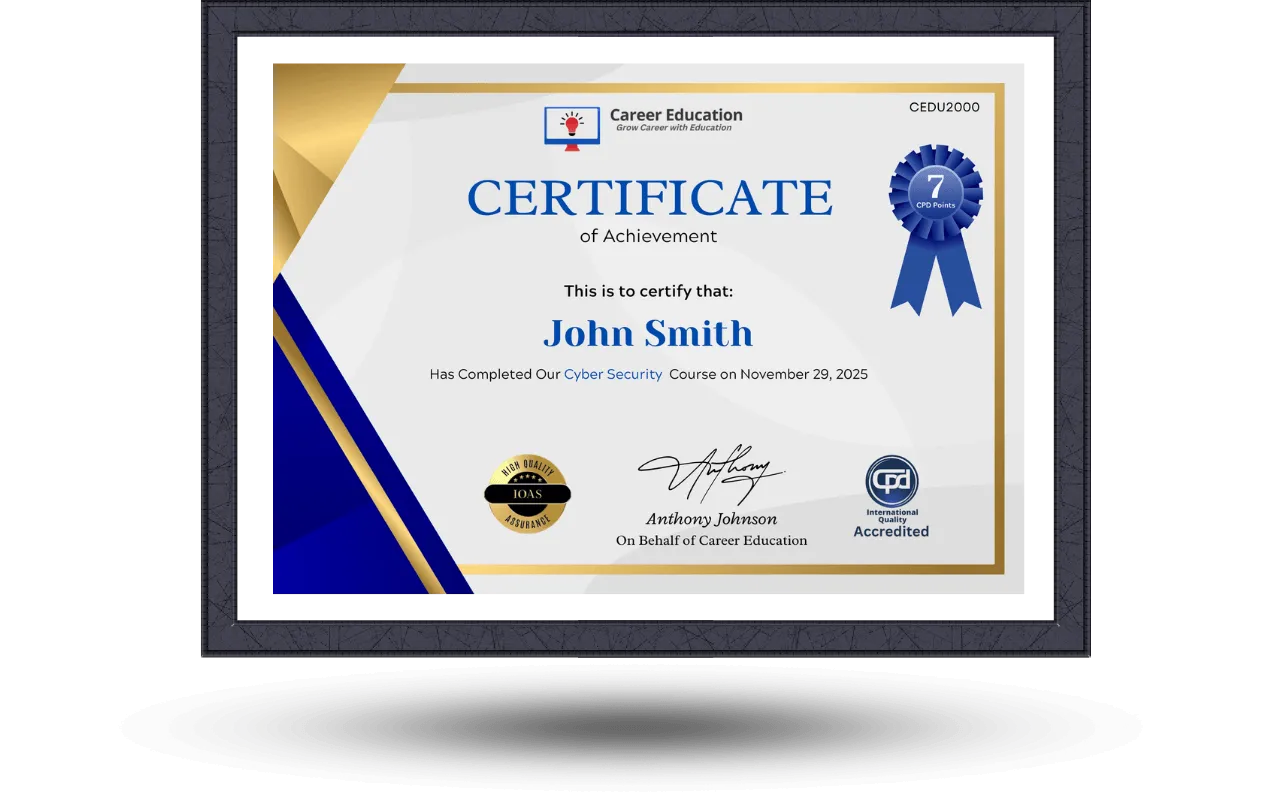
Upon completion of any course, all students are entitled to a CPD IQ Accredited e-certificate that will be issued by Career Education signifying the completion of your course.
After you complete the course and assignment, you will be eligible to order a free certificate accredited by CPD International Quality by completing the form below.
Hardcopy certificates and transcripts are also available for a small additional fee. More information is disclosed upon course completion.
Similar Courses




Frequently Asked Questions
The lifetime membership includes unlimited access to all courses, resources, and updates for a one-time fee.
You can purchase the membership directly from our website using a secure checkout process.
Yes, selected courses can be downloaded for offline access through our mobile app.
Yes, all future updates and new courses are included at no extra cost.
Yes, we offer a 30-day money-back guarantee if you are not satisfied with the membership.