
94%
OFF
OFF
Civil Engineering Training Course
- Lifetime Access
- All Levels
- PDF Certificate
£296
£19
14-Day Money-Back Guarantee
Learn With Confidence









Civil Engineering Training Course
Build Practical Civil Engineering Knowledge for a Stronger Professional Future
The Civil Engineering Training Course is designed for learners who want to develop a strong understanding of civil engineering principles, construction materials, project management, technical terminology, sustainability, and essential interview preparation. Whether you are starting your journey in civil engineering, looking to strengthen your existing knowledge, or preparing for opportunities within the construction and engineering sector, this course provides a structured learning experience covering key areas of the profession.
Civil engineering plays an essential role in modern society. From buildings, roads, bridges, and drainage systems to infrastructure development and sustainable construction, civil engineers contribute to projects that shape communities and support economic growth. Developing a broad understanding of the field can help learners recognise how different engineering disciplines work together and how civil engineering concepts are applied to real-world projects.
This Civil Engineering Training Course focuses on practical knowledge and professional development rather than simply presenting theoretical information. Throughout the course, you will explore fundamental civil engineering concepts, construction materials, project management principles, industry terminology, technical questions, interview preparation, sustainable development, and the wider body of knowledge expected within the profession.
Why Study Civil Engineering?
Civil engineering covers a wide range of disciplines and applications. Professionals may work on construction projects, transportation infrastructure, buildings, water systems, environmental projects, structural development, and other essential infrastructure.
Understanding the fundamentals can provide a valuable foundation for further learning and career development. Even when working in a supporting role, knowledge of civil engineering terminology, construction processes, materials, project management, and sustainability can make it easier to communicate with engineers, contractors, project managers, and other construction professionals.
The Civil Engineering Training Course brings these important areas together in one structured programme, helping you develop knowledge that can be applied to your learning, workplace development, or career preparation.
What Will You Learn?
The course contains 10 comprehensive modules, each designed to develop a different aspect of your civil engineering knowledge.
Module 1 – Introduction to Civil Engineering
Begin by developing an understanding of what civil engineering is and why it is important. This introductory module establishes the foundation for the rest of the course.
You will explore the role of civil engineering in society and gain an overview of the types of projects and activities associated with the profession. Building this foundation can help you understand how civil engineering contributes to infrastructure, construction, development, and the built environment.
By completing this module, you can approach the remaining topics with a clearer understanding of the industry and its professional context.
Module 2 – Basic Areas in Civil Engineering: Part 1
Civil engineering includes several specialist areas, and understanding these areas is essential for anyone entering the field. In this module, you will explore fundamental areas of civil engineering and develop a broader understanding of how different disciplines contribute to engineering projects.
The module helps you identify important areas within the profession and understand their relevance to construction and infrastructure development.
This knowledge can be particularly useful for beginners who want to understand the different career directions available within civil engineering.
Module 3 – Basic Areas in Civil Engineering: Part 2
Continuing from the previous module, this section expands your knowledge of the fundamental areas within civil engineering.
You will build upon your understanding of different civil engineering disciplines and gain a more comprehensive view of the profession. Understanding how different areas connect can help you appreciate the multidisciplinary nature of engineering projects.
By the end of these two modules, you should have a stronger foundation for understanding the range of activities involved in civil engineering.
Module 4 – Materials of Construction
Construction materials are fundamental to almost every civil engineering project. Selecting and understanding appropriate materials can influence the performance, durability, safety, and suitability of a structure.
This module introduces important concepts surrounding construction materials and their role within civil engineering.
Developing knowledge of construction materials can help you better understand discussions about building and infrastructure projects. It can also provide useful background knowledge when communicating with professionals involved in design, construction, inspection, procurement, and project management.
Module 5 – Civil Engineering Project and Management
Successful engineering projects require more than technical knowledge. Effective project management is also essential for organising activities, coordinating people, managing resources, and achieving project objectives.
This module introduces civil engineering project and management concepts, helping you understand the relationship between engineering activities and project delivery.
You will develop awareness of how projects are organised and managed and why effective coordination is important in the construction and engineering environment.
This knowledge can support learners who are interested in moving towards project-based roles or who want to understand how engineering projects operate from a management perspective.
Module 6 – Basic Terminologies
Every profession has its own terminology, and civil engineering is no exception. Understanding industry-specific terms can make communication easier and help you interpret technical information more confidently.
This module focuses on basic civil engineering terminology, giving you an opportunity to strengthen your professional vocabulary.
Improving your familiarity with commonly used terms can help you feel more prepared when reading technical information, participating in workplace discussions, communicating with colleagues, or preparing for an interview.
Module 7 – Most Common Technical Questions
Technical questions are an important part of professional development and recruitment within engineering-related environments. Knowing how to approach common questions can help you review your understanding and identify areas where further study may be beneficial.
This module introduces common technical questions relevant to civil engineering. It provides an opportunity to test your knowledge, review important concepts, and prepare yourself for technical discussions.
Rather than relying only on memorisation, learners can use this section as a way to identify knowledge gaps and improve their confidence when discussing fundamental civil engineering subjects.
Module 8 – Must Know Before Attending Interview: Guaranteed Questions
Preparing for an interview can be challenging, particularly when you are unsure what employers may ask. This module focuses on interview preparation and introduces questions that learners should be familiar with before attending an engineering-related interview.
You will have the opportunity to review important areas of knowledge and think about how you would respond to professional and technical questions.
Good preparation can help you communicate your knowledge more effectively and approach interviews with greater confidence. It can also encourage you to identify areas that require additional revision before applying for opportunities.
Module 9 – Sustainable Development and Civil Engineering
Sustainability has become increasingly important across construction and infrastructure development. Civil engineering decisions can influence resource use, environmental impact, energy efficiency, waste, and the long-term performance of infrastructure.
This module explores the relationship between sustainable development and civil engineering.
You will develop an understanding of why sustainability matters within modern engineering and how responsible approaches can contribute to better outcomes for communities and the environment.
Learning about sustainability can also help you stay aware of an important consideration within the evolving engineering and construction sector.
Module 10 – Civil Engineering Body of Knowledge
The final module brings together the broader knowledge covered throughout the course and focuses on the civil engineering body of knowledge.
This provides an opportunity to consolidate your learning and develop a more complete perspective of the profession. Reviewing the wider knowledge base can help you understand how fundamental concepts, technical subjects, project management, terminology, sustainability, and professional preparation connect.
By completing the course, you can finish with a structured understanding of key civil engineering topics rather than isolated pieces of information.
Develop Knowledge That Supports Your Career Goals
One of the major benefits of the Civil Engineering Training Course is its broad approach. Instead of concentrating on a single topic, the course covers multiple areas that can contribute to your overall understanding of civil engineering.
You can develop knowledge of:
-
Fundamental civil engineering concepts
-
Key areas of civil engineering
-
Construction materials
-
Engineering project management
-
Industry terminology
-
Common technical questions
-
Interview preparation
-
Sustainable development
-
Professional civil engineering knowledge
This broad foundation can be useful whether you are exploring civil engineering for the first time or looking to refresh and organise your existing knowledge.
Prepare for Professional Conversations and Interviews
Career development often involves more than obtaining qualifications. Being able to explain what you know and communicate effectively can also be important.
The technical question and interview-focused modules give you an opportunity to review core concepts before entering professional discussions. You can use what you learn to identify subjects you understand well and areas that may require additional preparation.
For learners preparing for engineering-related interviews, this can provide a useful framework for revision and help you approach conversations with greater awareness of the topics commonly associated with civil engineering.
Understand the Role of Sustainability
Modern civil engineering increasingly considers long-term environmental and social outcomes alongside technical and economic requirements.
Learning about sustainable development can help you understand why responsible engineering practices matter and how sustainability fits into the wider construction and infrastructure sector.
This aspect of the course can help broaden your perspective beyond traditional technical concepts and introduce you to the wider responsibilities associated with modern civil engineering.
Who Is This Course For?
The Civil Engineering Training Course can be suitable for a variety of learners, including:
-
Beginners interested in civil engineering
-
Students looking to strengthen their foundational knowledge
-
Individuals exploring careers in construction and engineering
-
Professionals seeking to refresh their understanding of civil engineering
-
Learners preparing for civil engineering-related interviews
-
People interested in construction materials and project management
-
Individuals wanting to understand civil engineering terminology
-
Anyone seeking structured professional development in civil engineering
The course is particularly useful for learners who want to develop a broad foundation before progressing into more specialised areas of engineering.
Turn Learning Into Practical Career Preparation
Knowledge becomes more valuable when you can apply it to real situations. Throughout the Civil Engineering Training Course, the combination of foundational concepts, materials, project management, terminology, technical questions, interview preparation, and sustainability gives you multiple areas to connect with the wider professional environment.
You can use the knowledge gained from the course to support further study, prepare for professional conversations, improve your understanding of construction and infrastructure projects, and identify areas for continued development.
The course can also help you establish a clearer picture of the knowledge areas you may want to explore in greater depth as your interests and career goals develop.
Build Your Civil Engineering Knowledge Today
Civil engineering is a diverse and continually developing field that requires knowledge across technical, managerial, environmental, and professional areas. Building a strong foundation can make it easier to understand more advanced concepts and navigate future learning opportunities.
The Civil Engineering Training Course provides a structured way to explore the fundamentals of civil engineering while also addressing construction materials, project management, terminology, technical questions, interview preparation, sustainability, and the wider civil engineering body of knowledge.
Whether your goal is to explore the industry, strengthen your professional knowledge, prepare for an interview, or establish a foundation for further learning, this course can help you move forward with greater understanding and confidence.
Enrol in the Civil Engineering Training Course today and start developing the knowledge you need to take your next step towards your civil engineering and construction goals.
Course Modules
Course Content
Civil Engineering_ Module 1- Introduction to Civil Engineering
-
Civil Engineering_ Lesson 1- Introduction to Civil Engineering
Civil Engineering_Module 2-Basic Areas in Civil Engineering Part 1
Civil Engineering_Module 3- Basic Areas in Civil Engineering – Part 2
Civil Engineering_Module 4-Materials of Construction
Civil Engineering_Module 5-Civil Engineering Project and Management
Civil Engineering_Module 6- Basic Terminologies
Civil Engineering_Module 7- Most Common Technical Questions
Civil Engineering_Module 8- Must Know Before Attending Interview – Guaranteed Questions
Civil Engineering_Module 9- Sustainable Development and Civil Engineering
Civil Engineering_Module 10- Civil Engineering Body of Knowledge
What our students say
Excellent
4.9 average
158 Reviews

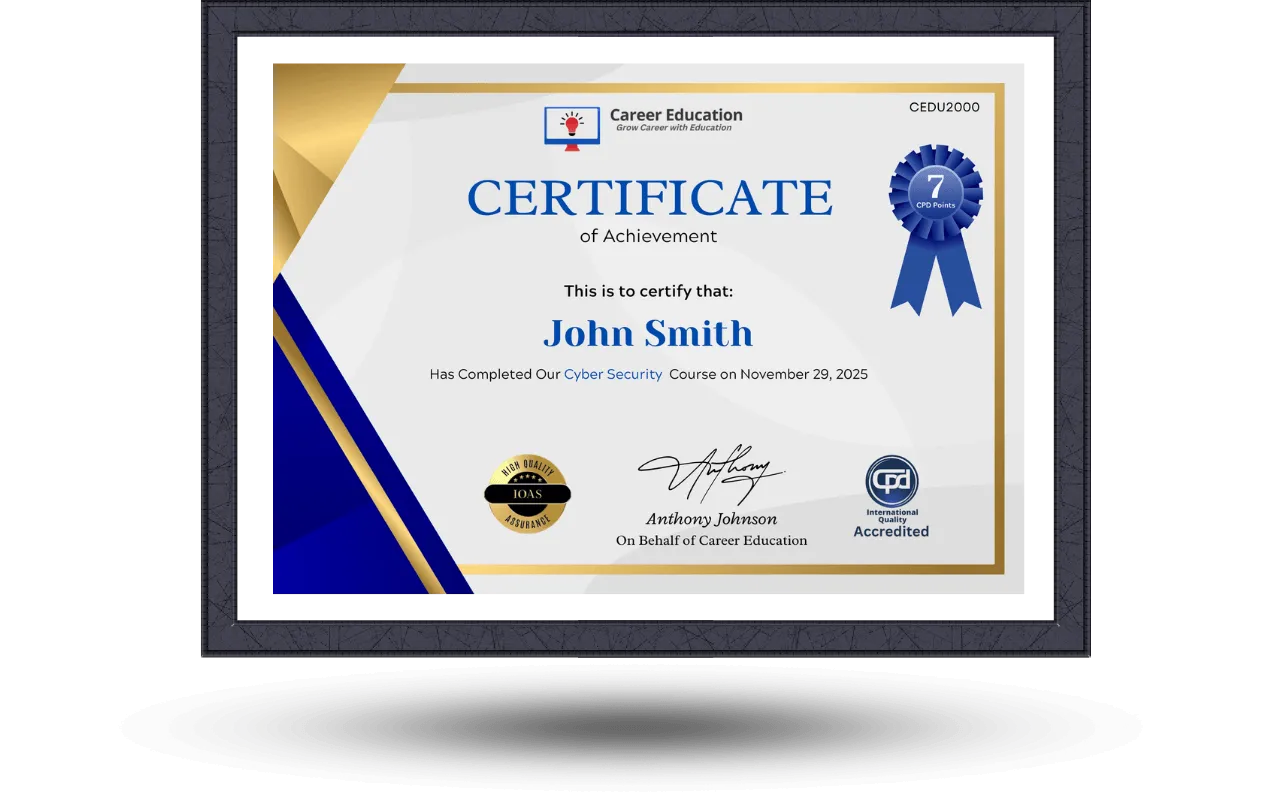
Earn an Accredited Certificate
Upon completion of any course, all students are entitled to a CPD IQ Accredited e-certificate that will be issued by Career Education signifying the completion of your course.
After you complete the course and assignment, you will be eligible to order a free certificate accredited by CPD International Quality by completing the form below.
Hardcopy certificates and transcripts are also available for a small additional fee. More information is disclosed upon course completion.
Similar Courses




Frequently Asked Questions
The lifetime membership includes unlimited access to all courses, resources, and updates for a one-time fee.
You can purchase the membership directly from our website using a secure checkout process.
Yes, selected courses can be downloaded for offline access through our mobile app.
Yes, all future updates and new courses are included at no extra cost.
Yes, we offer a 30-day money-back guarantee if you are not satisfied with the membership.