
OFF
Campaign Management Strategies
- Lifetime Access
- All Levels
- PDF Certificate
Learn With Confidence









Overview
Campaign Management Strategies
In today’s competitive business environment, successful marketing depends on more than simply creating attractive advertisements or publishing content. Businesses need well-planned campaigns that connect the right message with the right audience, through the right channels, at the right time. Campaign Management Strategies provides a practical foundation for understanding how effective marketing campaigns are planned, resourced, developed, launched, and managed from beginning to end.
This outcome-focused course is designed to help learners develop the knowledge and practical understanding needed to manage campaigns more effectively. From defining campaign objectives and allocating budgets to developing creative content, planning media activity, and executing campaigns, the course covers the key stages involved in structured campaign management.
Whether you are interested in marketing, communications, advertising, digital marketing, brand management, or business development, learning how to apply effective Campaign Management Strategies can help you approach marketing activities with greater structure, confidence, and purpose.
What Is Campaign Management?
Campaign management is the organised process of planning, coordinating, implementing, and monitoring a marketing or promotional campaign. A campaign may be designed to increase brand awareness, generate leads, promote a product or service, encourage customer engagement, support a business launch, or achieve another clearly defined objective.
Effective campaign management requires several elements to work together. A strong strategy needs clear objectives, audience understanding, appropriate resources, compelling creative content, suitable media channels, careful implementation, and ongoing coordination.
This course explores these areas progressively, helping learners understand how the different components of a campaign fit together. Instead of treating campaign activities as isolated tasks, learners will develop an understanding of the campaign lifecycle and the strategic decisions that influence its success.
Why Learn Campaign Management Strategies?
Marketing campaigns can involve significant investments of time, money, people, and creative resources. Without effective planning, these resources can easily be wasted. Poorly defined objectives, unsuitable channels, unclear messaging, weak budgeting, or inconsistent execution can all reduce campaign effectiveness.
Learning Campaign Management Strategies can help you develop a more systematic approach to campaign planning and execution. You will explore how to establish a strategic direction, organise campaign resources, coordinate creative development, make informed media decisions, and support effective implementation.
The knowledge gained can be useful for professionals who are already involved in marketing as well as learners who want to build a foundation for future career opportunities.
Course Learning Outcomes
By completing this course, learners will develop an understanding of how to:
-
Explain the fundamental principles of campaign management.
-
Understand the main stages of a marketing campaign lifecycle.
-
Establish clear campaign objectives and strategic direction.
-
Identify important considerations when planning campaigns.
-
Understand how audiences influence campaign strategy.
-
Develop structured campaign plans.
-
Understand budgeting and resource allocation principles.
-
Coordinate creative development and content planning.
-
Explore the role of media planning and buying.
-
Understand how different communication channels can support campaign objectives.
-
Organise campaign implementation and execution.
-
Coordinate campaign activities more effectively.
-
Apply structured Campaign Management Strategies to real-world marketing scenarios.
-
Make more informed decisions throughout the campaign management process.
Module 1: Introduction to Campaign Management
The course begins by establishing a strong foundation in campaign management. Learners will explore what campaign management involves and why structured management is important for achieving marketing objectives.
You will develop an understanding of the campaign lifecycle and the different activities that contribute to successful campaign delivery. This includes considering campaign objectives, target audiences, messaging, resources, channels, implementation, and overall coordination.
By completing this module, you will have a clearer understanding of the role of campaign management within broader marketing activities. You will also be better prepared to recognise the importance of connecting individual campaign activities to measurable business or marketing objectives.
Module 2: Campaign Planning and Strategy
Effective campaigns start with effective planning. This module focuses on the strategic thinking required before a campaign moves into development and execution.
Learners will explore how campaign objectives can provide direction for decision-making and how strategic planning can help create greater consistency throughout a campaign. You will consider factors such as audience needs, campaign messaging, positioning, communication channels, timelines, and desired outcomes.
A structured strategy can help ensure that creative, media, budget, and implementation decisions all work toward the same objectives. Through this module, you will gain a stronger understanding of how to organise campaign activities around a clear strategic framework.
The outcome is a more disciplined approach to campaign planning, helping you understand how to move from a general marketing idea toward a structured campaign strategy.
Module 3: Budgeting and Resource Allocation
A campaign strategy must be supported by appropriate resources. This module examines the importance of budgeting and resource allocation in campaign management.
Learners will explore how campaign resources can include financial budgets, people, technology, creative resources, media expenditure, and time. You will consider why resources need to be allocated according to campaign priorities and objectives.
Effective resource planning can help organisations make better use of available budgets while supporting the activities that are most important to campaign delivery. Understanding the relationship between campaign objectives and resource requirements can also help reduce unnecessary spending and improve operational organisation.
By completing this module, you will have a stronger understanding of the role of budgeting in Campaign Management Strategies and how resource decisions can influence campaign execution.
Module 4: Creative Development and Content Strategy
A campaign needs a message that captures attention and communicates value effectively. This module focuses on creative development and content strategy.
Learners will explore how creative ideas and campaign content can support strategic objectives. You will consider the importance of consistency, relevance, audience awareness, and appropriate messaging when developing campaign materials.
Content can take many forms, including written materials, visual assets, promotional messages, social media content, advertising materials, and other communication formats. A strong content strategy helps ensure that these elements work together rather than appearing disconnected.
This module will help you understand how creative development can be aligned with campaign objectives and audience expectations. You will also gain insight into why campaign messaging should remain consistent across appropriate communication channels while being adapted to suit different formats and audiences.
Module 5: Media Planning and Buying
Choosing where and how a campaign reaches its audience is another important component of campaign management. This module introduces the principles of media planning and buying.
Learners will explore how organisations select communication channels based on campaign objectives, audience characteristics, budget considerations, and campaign requirements. You will develop an understanding of why media decisions should be connected to the overall strategy rather than being made in isolation.
Media planning involves determining how campaign messages can be distributed effectively, while media buying involves securing appropriate advertising opportunities. Understanding these processes can help campaign managers coordinate promotional activities more effectively.
By the end of this module, you will have a better appreciation of the strategic role that media selection can play in campaign performance and how media decisions fit into broader Campaign Management Strategies.
Module 6: Campaign Implementation and Execution
A well-designed campaign strategy only creates value when it is implemented effectively. The final module focuses on turning campaign plans into coordinated action.
Learners will explore the practical considerations involved in campaign execution, including coordinating activities, managing timelines, supporting consistency, and ensuring that planned campaign elements are delivered appropriately.
Implementation often involves multiple people, platforms, suppliers, creative assets, communication channels, and deadlines. Effective campaign management therefore requires organisation and coordination throughout the execution process.
This module brings together the concepts covered throughout the course and helps learners understand how planning, budgeting, creative development, media decisions, and implementation work together.
Who Is This Course For?
Campaign Management Strategies can be valuable for a wide range of learners and professionals, including:
-
Marketing professionals.
-
Digital marketing professionals.
-
Advertising professionals.
-
Brand and communications teams.
-
Business owners and entrepreneurs.
-
Marketing coordinators.
-
Content and social media professionals.
-
Business development professionals.
-
Individuals interested in campaign management.
-
Learners seeking to expand their marketing knowledge.
-
Professionals looking to strengthen their strategic marketing skills.
The course can also be useful for anyone who wants to understand what happens behind successful marketing campaigns and how different campaign components are coordinated.
Build Practical Campaign Management Knowledge
One of the key advantages of studying Campaign Management Strategies is the opportunity to develop knowledge that can be applied across different marketing environments. Campaigns vary considerably depending on the organisation, audience, industry, budget, and objectives, but the underlying principles of effective planning and coordination remain highly relevant.
By studying campaign planning, budgeting, creative development, media planning, and execution together, you can develop a more complete perspective of the campaign management process.
Rather than focusing on one isolated marketing activity, this course encourages you to think about how individual decisions contribute to a wider campaign objective.
Strengthen Your Strategic Thinking
Campaign management requires more than following a predetermined checklist. Managers and marketing professionals often need to make decisions about priorities, resources, audiences, messaging, channels, and execution.
The course can help you develop a more strategic mindset by showing how these decisions are interconnected. You will learn why campaign objectives should influence planning, why budgets should support priorities, why creative content should reflect strategy, and why media choices should align with the intended audience.
This broader understanding can help you approach campaign-related responsibilities with greater clarity and organisation.
Improve Your Marketing Career Knowledge
Marketing continues to involve a wide range of activities, from content creation and advertising to audience engagement and brand promotion. Understanding how these activities fit into campaign management can be a valuable addition to your professional knowledge.
Completing Campaign Management Strategies can demonstrate your commitment to developing your understanding of structured marketing processes. It can complement existing experience in marketing, communications, business, sales, advertising, or digital media.
For aspiring professionals, the course can provide a useful foundation for understanding campaign-related responsibilities. For experienced professionals, it can help reinforce and organise existing knowledge.
Take a Structured Approach to Campaign Success
Successful campaigns rarely happen by accident. They are generally supported by clear objectives, careful planning, appropriate resource allocation, effective creative development, suitable media decisions, and coordinated execution.
Campaign Management Strategies brings these essential areas together in one structured learning experience. By working through the six modules, learners can build a clearer picture of how campaigns move from initial planning through to implementation.
If you want to strengthen your understanding of campaign management and develop a more strategic approach to marketing activities, this course provides a practical starting point. Enrol today and build the knowledge needed to plan, coordinate, and execute campaigns with greater structure, confidence, and strategic awareness.
Course Modules
Course Content
Module 1_ Introduction to Campaign Management.
-
Lesson 1_ Introduction to Campaign Management.
Module 2_ Campaign Planning and Strategy.
Module 3_ Budgeting and Resource Allocation.
Module 4_ Creative Development and Content Strategy.
Module 5_ Media Planning and Buying.
Module 6_ Campaign Implementation and Execution.
What our students say

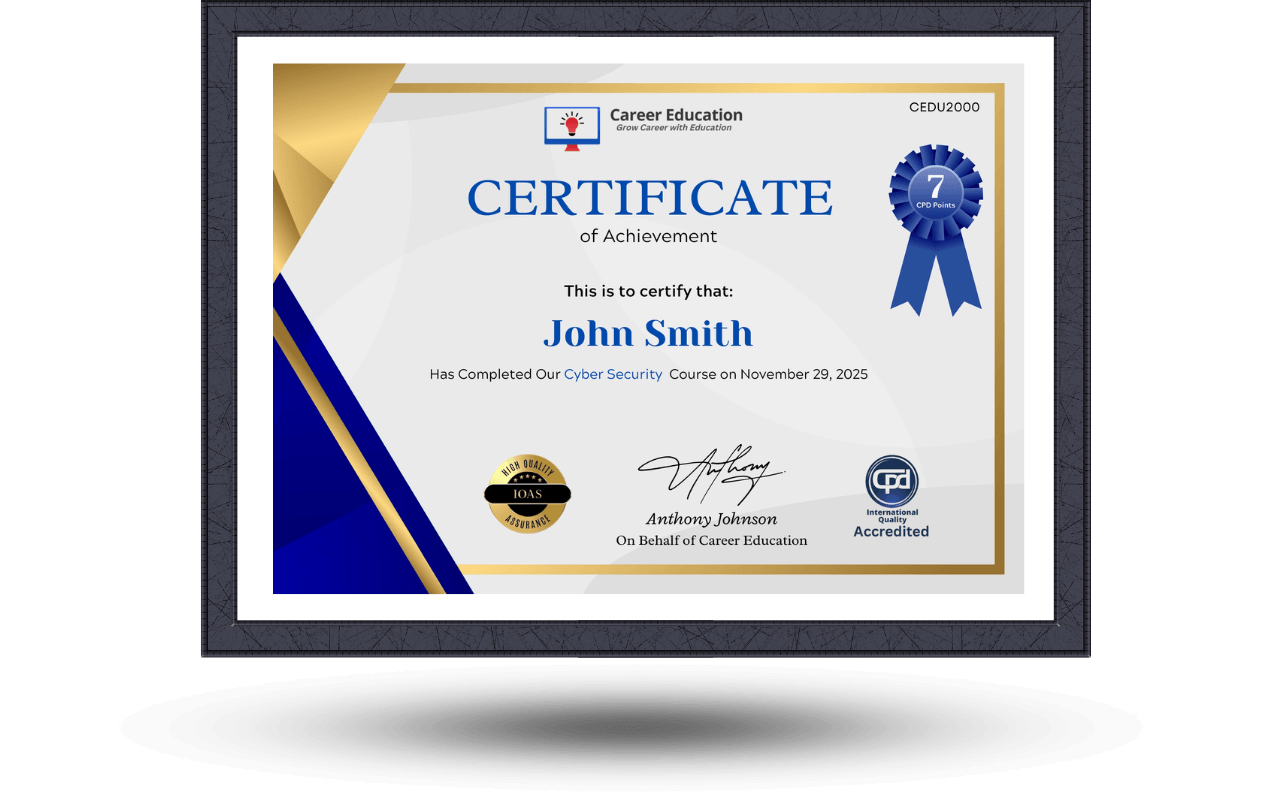
Earn an Accredited Certificate
Upon completion of the course, an e-certificate will be downloadable from Khan Education signifying the completion of your course. But, the course is CPD Accredited and after you complete the assignment, you will be eligible to order a certificate accredited by CPD International Quality for £5.99 only. If you want a hardcopy certificate accredited by CPD IQ, you can get it for only £15.99.
Get your CertificateSimilar Courses