
94%
OFF
OFF
Fundamentals of Email Sales Letters
- Lifetime Access
- All Levels
- PDF Certificate
£296
£19
14-Day Money-Back Guarantee
Learn With Confidence









# Fundamentals of Email Sales Letters
In a digital marketplace where customers receive countless messages every day, businesses need more than a good product or service to attract attention. They need communication that is clear, relevant and persuasive. Email remains one of the most powerful channels for connecting with prospects and customers, making the ability to write effective sales emails a valuable business skill.
**Fundamentals of Email Sales Letters** is designed to introduce learners to the essential principles of writing persuasive email sales letters. The course focuses on the practical stages involved in creating an effective sales email, from planning and writing the opening to capturing attention and finishing with a compelling close.
A successful email sales letter should do more than describe an offer. It should connect with the reader, communicate value and encourage an appropriate next step. This requires an understanding of audience needs, message structure, persuasive language and calls to action.
The course provides a structured introduction to these principles, helping learners understand how different parts of an email sales letter work together.
Whether you are a business owner, entrepreneur, marketer, freelancer, sales professional, copywriter or beginner interested in digital marketing, **Fundamentals of Email Sales Letters** can help you develop a practical foundation in persuasive email communication.
—
# Why Study Fundamentals of Email Sales Letters?
Email sales writing combines communication, marketing and persuasion.
A well-written sales email can help a business:
* Introduce an offer
* Generate interest
* Explain customer benefits
* Build trust
* Address customer needs
* Encourage enquiries
* Generate leads
* Promote products or services
* Encourage appropriate action
However, effective sales emails require careful planning.
The writer needs to understand the audience, decide what message to communicate and structure the email so that the reader remains engaged.
**Fundamentals of Email Sales Letters** introduces learners to these essential concepts in three focused modules.
By completing the course, you can develop the ability to:
* Plan an effective sales email
* Understand the purpose of an email sales letter
* Create stronger openings
* Capture reader attention
* Communicate value clearly
* Maintain reader interest
* Build persuasive messages
* Develop effective closing sections
* Encourage appropriate action
* Improve the overall structure of sales emails
—
# Module 1 – Initial Steps of Writing the Email
Every effective email sales letter starts with a clear plan.
Module 1 focuses on the initial stages of creating a sales email and introduces the foundations required before writing the main message.
You will explore:
* The purpose of an email sales letter
* Identifying the target audience
* Understanding customer needs
* Defining the objective
* Planning the message
* Establishing a suitable tone
* Structuring the email
* Developing the opening
—
## Define the Purpose of Your Email
Before writing, you should understand what you want the email to accomplish.
An email may be designed to:
* Introduce a product
* Promote a service
* Announce an offer
* Generate enquiries
* Encourage registrations
* Re-engage previous customers
* Drive readers towards a landing page
* Encourage a purchase
A clear objective gives the email direction.
Without a defined purpose, a sales email can become unfocused and make it difficult for readers to understand what they are expected to do.
—
## Understand Your Audience
Effective sales communication begins with the reader.
Before writing an email, it is useful to understand:
* Who the reader is
* What they need
* What problems they may be experiencing
* What outcomes they want
* What concerns they may have
* What motivates them to take action
Audience awareness allows the writer to make the message more relevant.
Instead of simply describing what a product does, an effective sales email can focus on why the product or service may matter to the reader.
—
## Identify Customer Needs
People are rarely interested in a product simply because it exists.
They are generally interested in what the product can do for them.
This means sales emails should consider customer benefits alongside product features.
For example, rather than focusing only on what a service includes, the writer can explain how those features may help the customer save time, solve a problem, improve efficiency or achieve a desired outcome.
—
## Plan the Message
Planning helps ensure that the email has a logical flow.
A basic sales email may include:
1. Opening
2. Attention-grabbing message
3. Customer problem or need
4. Value proposition
5. Benefits
6. Supporting information
7. Call to action
8. Closing
The exact structure can vary depending on the audience and purpose.
—
## Establish the Right Tone
Tone can significantly influence how a sales message is received.
A professional sales email should generally be confident and persuasive without becoming unnecessarily aggressive or misleading.
The appropriate tone may depend on:
* The industry
* The target audience
* The brand
* The product
* The relationship with the recipient
Understanding tone helps create communication that feels appropriate and credible.
—
# Module 2 – Grabbing Attention
Once the basic structure is planned, the next challenge is getting the reader to pay attention.
People often scan emails quickly, particularly when their inbox contains many competing messages.
Module 2 focuses on techniques for capturing attention and maintaining reader interest.
You will explore:
* Attention-grabbing openings
* Reader relevance
* Strong introductory statements
* Customer problems
* Benefits
* Persuasive language
* Curiosity
* Message clarity
* Maintaining engagement
—
## Capture Attention Quickly
The beginning of an email can influence whether the reader continues.
An effective opening should give the reader a reason to continue.
This could involve:
* Identifying a problem
* Highlighting a relevant benefit
* Asking a thought-provoking question
* Presenting an interesting idea
* Introducing a useful opportunity
* Addressing a common customer challenge
The objective is not simply to be dramatic. It is to be relevant.
—
## Focus on the Reader
Strong sales writing puts the customer’s needs at the centre of the message.
Instead of making the entire email about the business, the writer can focus on:
* The customer’s situation
* Their challenges
* Their desired outcomes
* How the offer may help
This reader-focused approach can make the message more engaging.
—
## Communicate Benefits Clearly
Features explain what a product or service includes.
Benefits explain why those features may matter to the customer.
Understanding the difference can improve the persuasive strength of an email sales letter.
A clear sales message connects product features to meaningful customer outcomes.
—
## Use Persuasive Language Responsibly
Persuasive writing does not mean making exaggerated claims.
Effective sales communication should aim to be:
* Clear
* Relevant
* Credible
* Customer-focused
* Honest
* Appropriate
Building trust is particularly important in email marketing because readers may quickly ignore messages that appear exaggerated or misleading.
—
## Maintain Reader Interest
Capturing attention is only the beginning.
The rest of the email needs to maintain that interest.
This can be achieved by:
* Using clear paragraphs
* Presenting information logically
* Focusing on relevant benefits
* Avoiding unnecessary repetition
* Addressing likely questions
* Maintaining a consistent message
A reader should be able to understand the purpose and value of the offer without having to work through unnecessary information.
—
## Create Curiosity
Curiosity can encourage readers to continue through an email.
However, curiosity should be connected to the actual value of the message.
A strong opening creates interest while the rest of the email delivers useful and relevant information.
This creates a more credible relationship between the opening and the overall sales message.
—
# Module 3 – Closing Your Letter
The closing is a critical part of an email sales letter.
After gaining attention and communicating value, the writer needs to guide the reader towards an appropriate next step.
Module 3 focuses on effective closing techniques.
You will explore:
* Calls to action
* Closing statements
* Encouraging responses
* Creating clarity
* Reinforcing value
* Reducing uncertainty
* Professional sign-offs
* Creating a strong final impression
—
## Create a Clear Call to Action
A sales email should make it clear what the reader can do next.
Depending on the purpose, the call to action might encourage the reader to:
* Make a purchase
* Register
* Request information
* Book a consultation
* Visit a webpage
* Download a resource
* Contact the business
* Explore an offer
A clear call to action removes uncertainty.
—
## Avoid Confusing the Reader
If an email includes too many competing calls to action, readers may become uncertain about what to do.
A focused message generally works better when the desired next step is clear.
—
## Reinforce the Value
The closing can remind the reader why the offer is relevant.
This provides an opportunity to reinforce:
* The key benefit
* The customer outcome
* The main value proposition
* The reason for taking action
The final section should support the overall purpose of the email rather than introducing an entirely new message.
—
## Create a Sense of Direction
A strong close provides a natural conclusion.
The reader should understand:
1. What the offer is
2. Why it may be relevant
3. What they should do next
This simple progression can make a sales email easier to understand and act upon.
—
# Practical Learning Outcomes
After completing **Fundamentals of Email Sales Letters**, learners can expect to have a stronger understanding of how persuasive sales emails are planned, written and structured.
You will be able to:
* Explain the purpose of an email sales letter
* Identify a target audience
* Understand customer needs
* Define the objective of a sales email
* Plan an email before writing
* Structure sales messages logically
* Choose an appropriate communication tone
* Create effective openings
* Capture reader attention
* Focus messages on customer needs
* Communicate product and service benefits
* Use persuasive language appropriately
* Maintain reader interest
* Build curiosity responsibly
* Create clear calls to action
* Develop effective closing sections
* Reinforce the value of an offer
* Guide readers towards an appropriate next step
* Improve the clarity and effectiveness of sales emails
—
# Who Is This Course For?
**Fundamentals of Email Sales Letters** is suitable for anyone interested in developing email marketing and sales-writing skills.
It may be particularly useful for:
* Entrepreneurs
* Small-business owners
* Marketing professionals
* Sales professionals
* Freelancers
* Copywriters
* Digital marketers
* Business owners
* Start-up founders
* Content creators
* E-commerce professionals
* Students
* Beginners interested in copywriting
No advanced copywriting experience is required.
—
# Build Valuable Sales Communication Skills
Email is one of the most accessible ways for businesses to communicate directly with their audiences.
However, sending an email is not the same as writing an effective sales message.
Successful email sales writing requires an understanding of the reader, a clear objective and a message that communicates value effectively.
**Fundamentals of Email Sales Letters** introduces these essential principles and shows how the opening, main message and closing can work together.
—
# Improve Your Ability to Capture Attention
In a crowded digital environment, attention is limited.
Customers may receive promotional emails from numerous businesses, meaning your message needs to be relevant and easy to understand.
Learning how to create meaningful openings and communicate customer benefits can help your emails stand out for the right reasons.
—
# Communicate Value More Effectively
People want to know how an offer can help them.
Effective sales writing connects the product or service to the customer’s needs and desired outcomes.
By understanding this principle, learners can move away from purely feature-based communication and develop more customer-focused messages.
—
# Encourage Meaningful Action
A good sales email should give the reader a clear next step.
Whether the goal is to generate a lead, encourage an enquiry or promote an offer, the call to action should be easy to understand.
The course provides learners with a foundation for creating clear and purposeful closing sections.
—
# Apply Your Skills Across Different Industries
The principles of email sales writing can be applied across many sectors.
Businesses may use sales emails to promote:
* Online courses
* Professional services
* Retail products
* Software
* Consulting
* Events
* Memberships
* Digital products
* E-commerce offers
* Business services
The specific message will change, but the fundamental principles of understanding the audience, communicating value and encouraging action remain relevant.
—
# Develop a Foundation in Email Copywriting
The skills introduced in **Fundamentals of Email Sales Letters** can also support further learning in:
* Copywriting
* Email marketing
* Digital marketing
* Sales communication
* Content marketing
* Customer engagement
* Lead generation
* E-commerce marketing
* Business communication
* Marketing strategy
The course provides a practical foundation that learners can continue developing through writing practice and real-world application.
—
# Start Writing More Effective Sales Emails
A successful email sales letter does not need to be complicated.
It needs to be purposeful, relevant and persuasive.
The writer must understand the audience, identify the message’s objective, capture attention, communicate value and provide a clear next step.
**Fundamentals of Email Sales Letters** provides a structured introduction to these essential skills through three focused modules covering the initial stages of writing, attention-grabbing techniques and effective closing strategies.
Whether you are promoting your own business, working in sales and marketing or simply want to develop valuable copywriting skills, this course can help you build a practical foundation.
## Enrol Today
Learn how to plan sales emails with greater purpose, capture attention more effectively and close your messages with clear calls to action.
Develop practical skills that can help you communicate offers, connect with customers and create more focused sales messages.
**Enrol in Fundamentals of Email Sales Letters today and start developing the skills to write clearer, more engaging and more persuasive sales emails.**
Course Modules
Course Content
Module 1_ Initial Steps Of Writing The Email
-
Lesson 1_ Initial Steps Of Writing The Email
Module 2_ Grabbing Attention
Module 3_ Closing Your Letter
What our students say
Excellent
4.9 average
158 Reviews

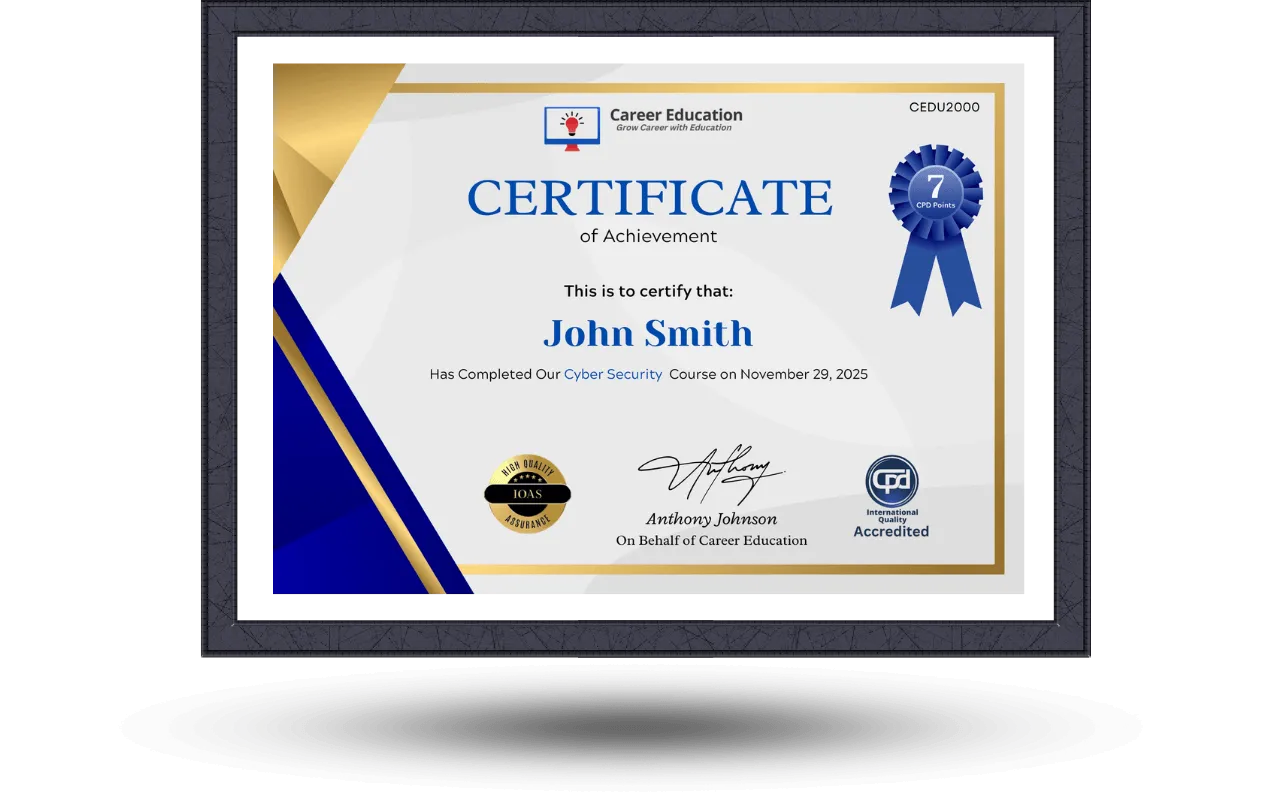
Earn an Accredited Certificate
Upon completion of any course, all students are entitled to a CPD IQ Accredited e-certificate that will be issued by Career Education signifying the completion of your course.
After you complete the course and assignment, you will be eligible to order a free certificate accredited by CPD International Quality by completing the form below.
Hardcopy certificates and transcripts are also available for a small additional fee. More information is disclosed upon course completion.
Similar Courses




Frequently Asked Questions
The lifetime membership includes unlimited access to all courses, resources, and updates for a one-time fee.
You can purchase the membership directly from our website using a secure checkout process.
Yes, selected courses can be downloaded for offline access through our mobile app.
Yes, all future updates and new courses are included at no extra cost.
Yes, we offer a 30-day money-back guarantee if you are not satisfied with the membership.